REVIEW · HO CHI MINH CITY
Australian Base, Long Tan & Nui Dat Tour with Vung Tau Beach
Book on Viator →Operated by Hana Tourist Vietnam · Bookable on Viator
Long Tan facts don’t fade fast. This full-day trip ties Australian Vietnam War sites to a visit by the sea at Vung Tau Beach. It’s focused, guided, and built for people who want meaning, not just photos.
I really like the English-speaking guide approach, and the stories you get about Australia and New Zealand’s time in Vietnam (including guide Dingo Chien’s style) help the sites make sense. I also like that lunch, bottled water, and entry/permits are included, so you don’t spend your day sorting logistics.
One thing to consider: it’s a long ride and some viewpoints are limited. Even the Horseshoe Location is only viewed from a distance due to restricted access.
In This Review
- Key things to know before you go
- A practical day: war sites in the morning, Vung Tau calm later
- Price and logistics: what $155 really covers
- Settle in with the a/c van and small-group pace
- Stop 1: The Battle of Long Tan area and the Long Tan Cross Memorial
- What I like about this stop
- One consideration
- Robert Taylor Museum of Worldwide Arms: uniforms, weapons, and context
- How to get more out of this museum-and-tunnels block
- Long Phuoc Tunnels: what underground fighting teaches you
- A practical note
- Lunch at Vung Tau Beach and time to relax
- What you’re really paying for: guidance, tickets, and emotional pacing
- Who this tour suits best (and who might rethink it)
- Should you book this Australian Base, Long Tan & Nui Dat Tour with Vung Tau Beach?
- FAQ
- What is the duration of this tour?
- Will I be picked up from my hotel in Ho Chi Minh City?
- What war-related sites will I visit?
- Is lunch included?
- Are entrance fees and permits included?
- How big is the group?
- Can I get a refund if I cancel?
Key things to know before you go
- Small group limit (up to 10) keeps the pace thoughtful and questions easier
- English-speaking guide means you get context at every stop, not just names on signs
- Nui Dat + Long Tan Cross Memorial includes memorial materials like incense and flowers
- Long Phuoc Tunnels offers a close look at wartime strategies through the underground setting
- Robert Taylor Museum of Worldwide Arms focuses on military uniforms and weapons
- Vung Tau Beach downtime breaks up the heavy morning with a proper lunch stop and time to relax
A practical day: war sites in the morning, Vung Tau calm later
This tour is built like a story arc. You start with the events tied to the Battle of Long Tan and the Australian presence in the region. Then you move into underground and museum stops that help you understand how fighting and survival worked on the ground. Finally, you finish with a Vietnamese lunch in Vung Tau Beach and some breathing room by the water.
If you’re visiting Ho Chi Minh City and want one outing that gives real perspective, this one does the heavy lifting for you. The guide organizes the order, handles the permits, and explains what you’re seeing as you go—especially useful at places where the physical space might otherwise feel confusing.
You can also read our reviews of more tours and experiences in Ho Chi Minh City.



Price and logistics: what $155 really covers
At $155 per person, the big value isn’t only that you’re getting transportation. It’s what’s bundled into the day so you’re not constantly adding costs on your own.
Here’s what you can count on being included:
- a/c private car or mini van
- English-speaking tour guide
- Vietnamese lunch plus bottled water and tissues
- entry fees and Long Tan travel permits
- memorial items at the Cross Memorial area (like incense sticks/flowers)
In other words, you’re paying for a managed, guided day trip with tickets and permits handled. That matters because places tied to military history can involve rules, restricted access, and timing. And because you’re moving far beyond central Ho Chi Minh City, comfort on the road is part of the experience—not a luxury.
Timing also helps. The tour starts with pickup around 8:00–8:30 AM and runs about 9–10 hours, with a return around 5:00 PM. On a trip with limited days, that’s the difference between seeing a few things and actually covering the key sites without scrambling.
One more planning note: this tour is often booked far in advance (on average 113 days ahead). If you’re traveling during busy seasons or want a specific day, I’d book early rather than assume you can “wait and see.”
Settle in with the a/c van and small-group pace
You’ll ride in an air-conditioned private car or mini van with a maximum of 10 travelers. That small group size changes the feel of the day. You can ask questions without feeling like you’re competing for a whisper behind a crowd.
Pickup is offered from your hotel in Ho Chi Minh City, and the day is guided end-to-end. You’ll also get bottled water during the tour, which is a small inclusion but a big deal when you’re moving across multiple sites.
A minor practical point: the day covers a lot of emotional ground. Having tissues, water, and a steady schedule helps you stay present instead of feeling rushed.
Stop 1: The Battle of Long Tan area and the Long Tan Cross Memorial
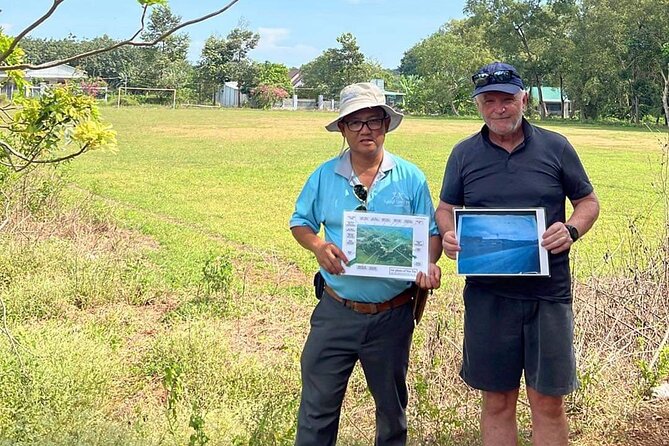
The morning focuses on the Australian military presence in the region and the Battle of Long Tan. You’ll head to the Nui Dat Task Force Base area where you’ll learn how forces were positioned in this part of Vietnam.
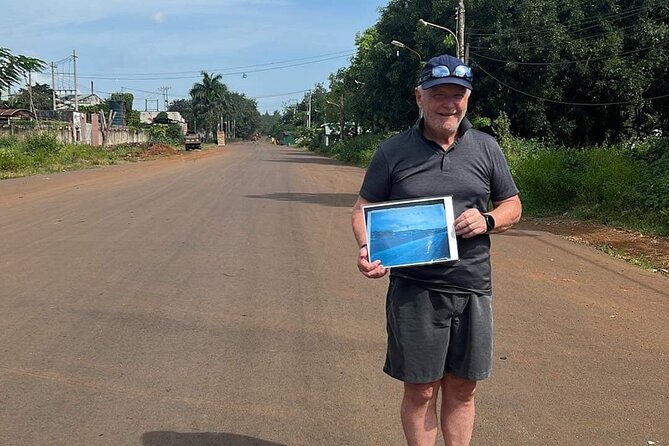
From there, you’ll stop by the Horseshoe Location. Important detail: you’ll view it from a distance because access is restricted. That’s common at sensitive historical places. So go in expecting “look and understand,” not “walk around freely.”
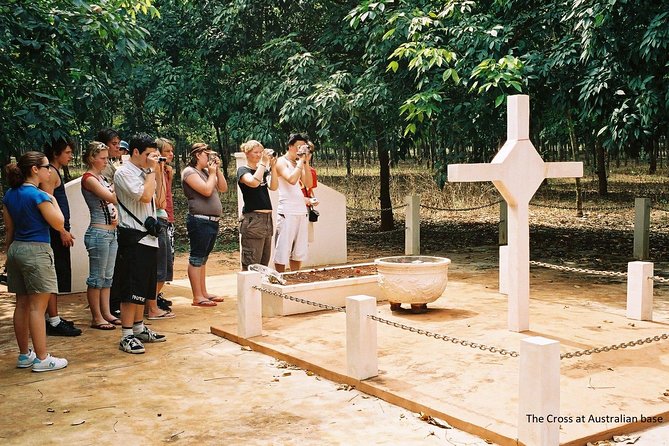
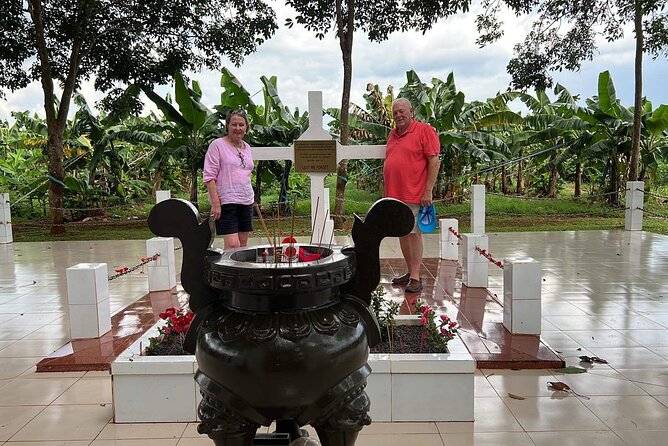
Then comes the main memorial stop: the Long Tan Cross Memorial. Flowers and incense sticks are provided, so if you want to pay respects, you can do it without hunting for supplies. This part of the day has a quieter tone. It’s also where the guide’s explanations matter most—standing in the place where commemoration happens helps turn events into something more human.
What I like about this stop
I like how the morning is structured: base-area learning, then a restricted-access viewpoint, then a memorial space where you can slow down. It avoids the “drive-by photo” feeling.



One consideration
If you’re sensitive to war-related sites, give yourself a mental buffer before the cross memorial segment. This isn’t a light sightseeing itinerary.
Robert Taylor Museum of Worldwide Arms: uniforms, weapons, and context
After the Long Tan-focused morning, the tour shifts toward a different kind of understanding—how the war looked and what equipment meant in practice.
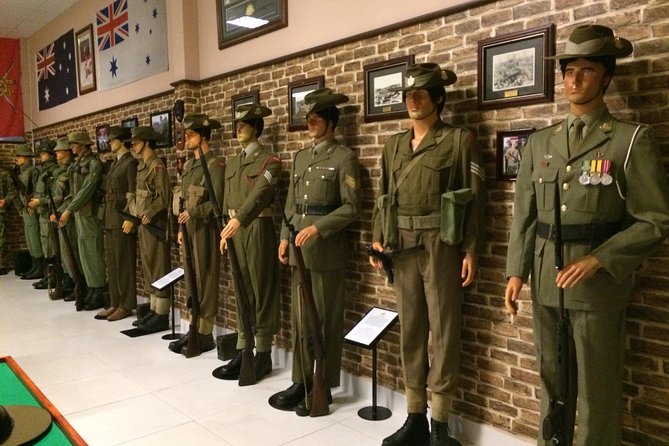
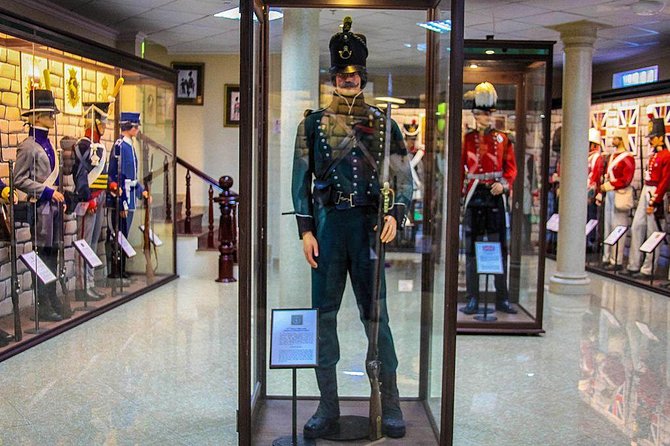
You’ll visit the Long Phuoc Tunnels and then the Robert Taylor Museum of Worldwide Arms. The museum is described as having an extensive collection of military uniforms and weapons. That approach tends to be very tangible. You don’t only hear the story; you see objects tied to that story.
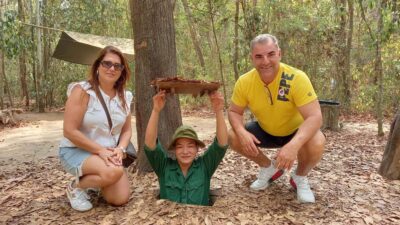
The tunnels add another layer. You’ll explore the Long Phuoc Tunnels for insight into Viet Cong wartime strategies. Underground spaces force you to think differently about movement, shelter, and how communication and planning could work under pressure. Even when you can’t fully picture the conditions, the physical setting helps.
How to get more out of this museum-and-tunnels block
Go with questions. For example:
- What roles would uniforms or equipment have played in daily operations?
- How would tunnel design support safety, surprise, or sustained resistance?
With an English-speaking guide, you can usually get the answers you’re looking for without needing to “figure it out” on your own.
Long Phuoc Tunnels: what underground fighting teaches you
Tunnels are one of those places that can feel either impressive or overwhelming, depending on expectations. Here, you’re visiting them as part of a guided explanation about wartime strategy. That’s the key difference.
You’ll be shown the concept through the setting, rather than treated like you’re just walking through a curiosity attraction. If you like learning through physical spaces—how an environment shapes behavior—this stop can hit hard in a good way.
A practical note
Tunnel visits can be physically demanding in the sense that they may involve walking and confined areas. The tour doesn’t list a difficulty grade, so if you have mobility concerns, it’s worth double-checking with the provider before booking.
Lunch at Vung Tau Beach and time to relax
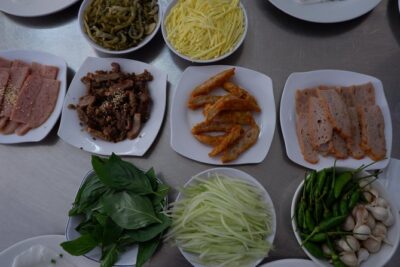
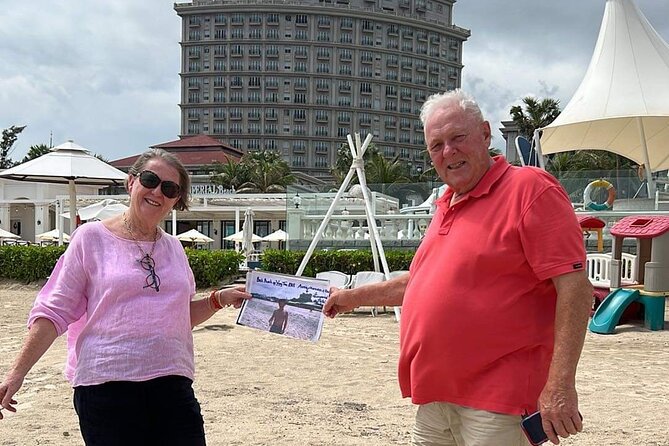
The day deliberately adds a break. You’ll enjoy a Vietnamese lunch at a local restaurant in Vung Tau Beach, then you’ll have some time to relax.
This is more valuable than it sounds. War sites can drain attention. A calm lunch stop gives you a chance to reset your brain so you remember the morning for the right reasons, not just as a blur of stops.
Also, Vung Tau Beach works well as a contrast. You’re not trying to “escape” the theme of the day. You’re just giving yourself a normal human moment after a heavy block of content.
What you’re really paying for: guidance, tickets, and emotional pacing
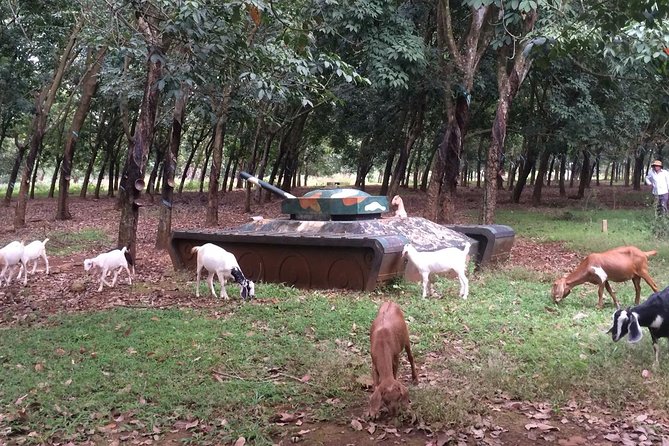
The best way to think about the value is this: you’re paying for someone to manage the flow of a sensitive day.
- You get an English-speaking guide who can explain what you’re looking at, not just where to stand for a photo.
- You get entry fees and permits included, including those tied to Long Tan, so you’re not dealing with paperwork.
- You get lunch and bottled water, which keeps the day functional.
- You get memorial materials (flowers/incense), which turns commemoration into something you can do on-site.
You’re also paying for a structured schedule that lands you back around 5:00 PM. That matters in Ho Chi Minh City, where evenings can fill up fast with other plans.
One more detail I appreciate: the guide name you might meet—Dingo Chien—comes through in the way he shares stories and local context. That kind of storytelling is exactly what helps war sites feel understandable instead of distant.
Who this tour suits best (and who might rethink it)
This is a strong fit if:
- you want an organized day trip from Ho Chi Minh City
- you prefer guided context at memorial and museum sites
- you’re interested in Australia’s role in the Vietnam War and want a curated route
- you like a small-group format (up to 10)
It might be less ideal if:
- you want purely casual sightseeing with minimal emotional weight
- you strongly dislike long drives (it’s a full-day run)
If you’re traveling with the kind of curiosity that asks why things were placed where they were, this itinerary is built to answer that through the mix of base area, memorial, tunnels, and museum.
Should you book this Australian Base, Long Tan & Nui Dat Tour with Vung Tau Beach?
I’d book it if you want one day that’s well paced, guided, and practical: Long Tan Cross Memorial in the morning, Long Phuoc Tunnels and the Robert Taylor Museum in the afternoon, then lunch and downtime at Vung Tau Beach to close the day.
It’s not a quick “see and go” outing. But if you’re okay with a full-day schedule and you value context over wandering, it’s a smart choice for Ho Chi Minh City.
FAQ
What is the duration of this tour?
The tour lasts about 9 to 10 hours, starting around 8:30 AM and returning around 5:00 PM.
Will I be picked up from my hotel in Ho Chi Minh City?
Yes. Pickup is offered from hotels in Ho Chi Minh City, with departure around 8:00–8:30 AM.
What war-related sites will I visit?
You’ll visit the Nui Dat Task Force Base area, the Long Tan Cross Memorial, the Long Phuoc Tunnels, and the Robert Taylor Museum of Worldwide Arms.
Is lunch included?
Yes. Lunch is included at a local restaurant in Vung Tau Beach, and bottled water is provided.
Are entrance fees and permits included?
Yes. Entrance fees and permits in the Long Tan area are included, and admission tickets are included for the stops on the itinerary.
How big is the group?
The tour has a maximum of 10 travelers.
Can I get a refund if I cancel?
Free cancellation is available up to 24 hours in advance for a full refund.
If you tell me your travel dates and whether you prefer a morning-heavy or beach-heavy day, I can help you decide if this is the right fit for your schedule.