REVIEW · MEKONG DELTA
Can Tho Bike Tour in Mekong Delta
Book on Viator →Operated by Mekong Smile Tour · Bookable on Viator
Can Tho reveals itself on two wheels. This Mekong Delta bike tour mixes a 7–10 km ride through rural roads and small canals with signature stops like the Giàn Gừa heritage tree.
I especially like the way the route ties together everyday farm life: seeding nursery techniques, a coconut refresh break, temple lessons, and an end at a fruit garden. One possible consideration: you’ll be on the bike for most of the roughly 4-hour experience, so if you prefer very slow sightseeing or flat pavement only, this may feel like more motion than you want.
In This Review
- Mekong Delta by Bike: What 7–10 km Really Means
- The Start: Pickup, High-End Bikes, and a Friendly Pace
- Cycling Through Rural Can Tho Villages and Small Canals
- A quick reality check
- Seeding Nursery Village: Tree Planting Traditions Up Close
- Coconut Drink Break: A Small Pause That Helps You Pay Attention
- Giàn Gừa Heritage Tree: Why This Stop Matters
- Temple Pass and Historical Site Lesson
- Fruit Garden End: Traditional Bites to Finish Strong
- Guides Make the Difference: Ngan, Jimmy, Jane, and Tom
- What I think you should watch for
- Price and Value: Is $64.51 Fair for This Tour?
- Logistics That Affect Your Day: Duration, Pickup, and Mobile Ticket
- Who This Bike Tour Fits Best (and When to Skip)
- Practical Tips for a Smoother Ride in the Mekong Heat
- Should You Book the Can Tho Bike Tour?
- FAQ
- How long is the Can Tho bike tour?
- How far do you cycle?
- Does the tour include pickup?
- Is there a guide, and do they speak English?
- What’s included in the price?
- What is not included?
- How big is the group?
- Do I need a ticket in advance?
Mekong Delta by Bike: What 7–10 km Really Means
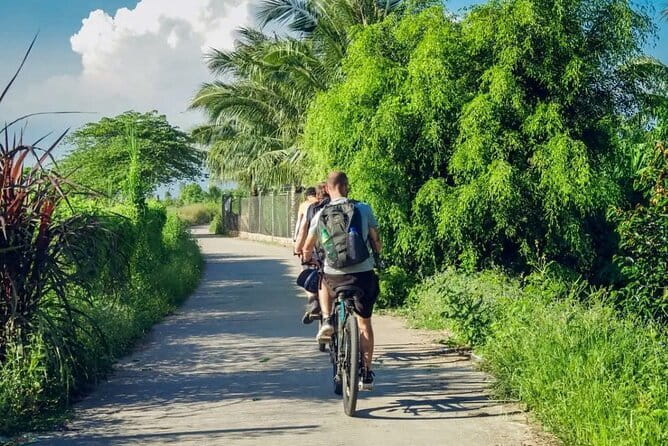
This is not a sightseeing-by-bus tour. It’s a short cycling experience built around seeing how people actually live in Can Tho’s countryside—by moving through it at road speed and canal-leaning lanes.
The distance is listed as about 7–10 km, which is a useful size for most visitors. You’ll still feel like you traveled, but you won’t be spending your whole day on a bike. The tour also keeps it intimate, with a maximum group size of 8 travelers, so the guide can actually manage the pace and questions.
The Start: Pickup, High-End Bikes, and a Friendly Pace
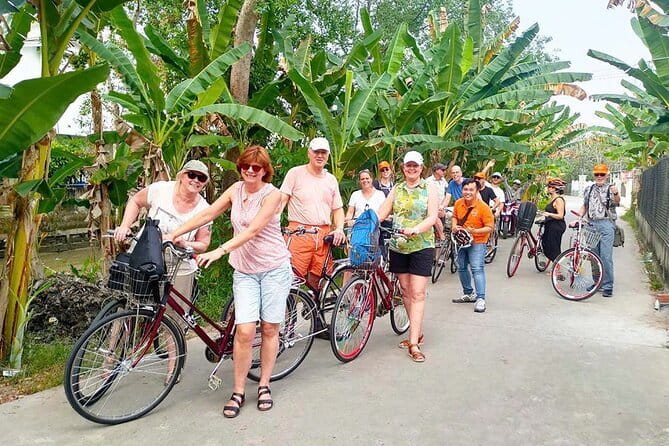
The tour begins with a local guide picking you up at the meeting point to get you on the bikes. Bikes are included, and the experience uses a high-end bike, which matters because you’ll be spending time on surfaces that can vary from lane to lane.
The ride is built for comfort and flow rather than sport. With an English-speaking guide and a small group, you’re more likely to get context as you pedal—how villages function, why certain crops are planted, and what places like the temple and heritage tree mean locally.
If you like tours where you can ask questions without feeling rushed, this setup is a big plus.
You can also read our reviews of more cycling tours in Mekong Delta
Cycling Through Rural Can Tho Villages and Small Canals
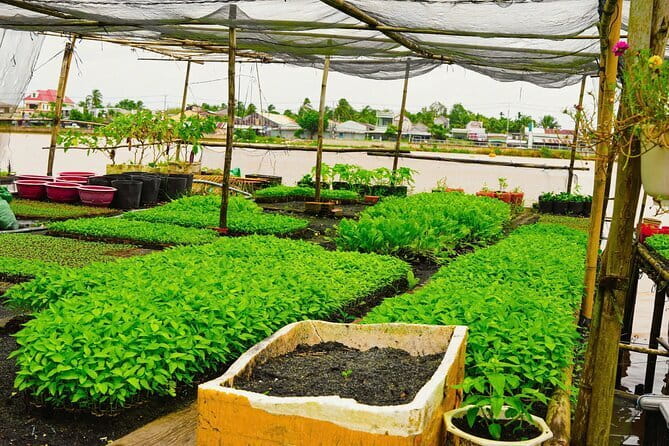
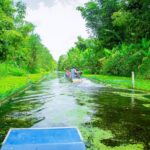
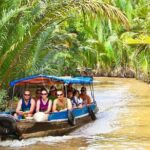
The heart of the experience is the ride itself—cycling through a maze of natural small canals and rustic village roads. The point isn’t speed. It’s getting close enough to notice details: how roads connect households, where farms start, and how daily life sits alongside the water.
You’ll pass through areas that feel off-the-beaten-track. That’s where the Mekong Delta stops being a postcard and starts looking like a working landscape—exactly the kind of contrast that makes this tour memorable for people who have already seen the big city highlights.
A quick reality check
This style of biking means you’ll spend a lot of time outdoors. Plan for sun and heat as part of the deal, even though water is included and there are breaks along the way.
Seeding Nursery Village: Tree Planting Traditions Up Close

One of the best structured learning stops is the seeding nursery village. Here, you’ll learn about traditional methods of planting tree and you’ll have time to talk with local people, hear stories, and feel the everyday hospitality that makes small rural visits work.
Why this stop is worth your time: it’s not just a photo stop. Tree planting and seedling work explains how farmers think in seasons, not in moments. Even if you don’t speak Vietnamese, you can usually connect through the guide’s explanation and the hands-on nature of the visit.
This is also where the tour’s overall tone shows up. It’s about understanding the logic of farming life—what gets grown, why, and how it supports the community over time.
Coconut Drink Break: A Small Pause That Helps You Pay Attention
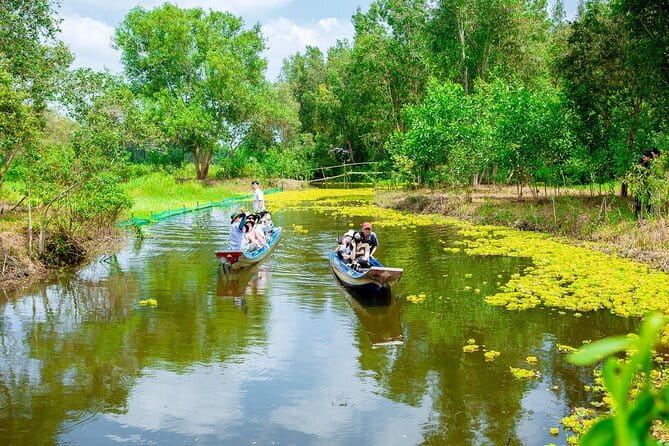
After cycling through the village and nursery areas, you refresh with a coconut drink. It’s a simple included moment, but it’s practical. When you’re walking or biking in warm weather, hydration stops you from turning the rest of the tour into a blur.
This break also helps you reset mentally. You’ll come out of the more educational portion feeling ready for the next heritage and cultural stops.
Giàn Gừa Heritage Tree: Why This Stop Matters
Then you’ll visit the ancient heritage tree known as Giàn Gừa, recognized as a heritage tree in Vietnam. It’s one of those places that works on two levels: you get a physical landmark, and you also get a story about why it still matters to people today.
A great part here is the placement in the route. After learning about planting and farming, this heritage tree stop feels connected to long-term stewardship rather than something random you pass on the way.
It’s also a good moment to slow down. Look closely, listen to the guide’s context, and you’ll likely understand why a living tree can become part of local identity.
Temple Pass and Historical Site Lesson

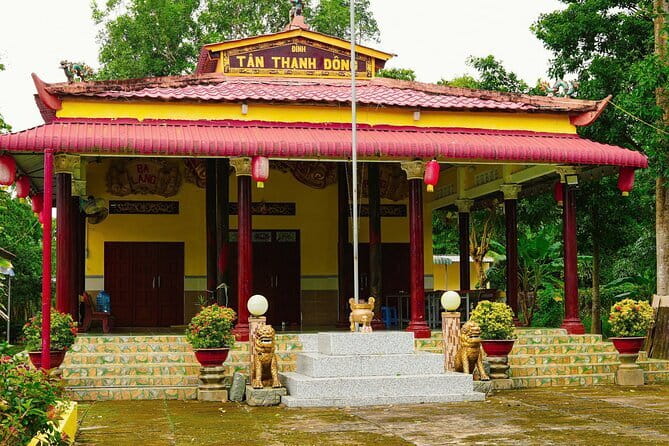
Next, you pass by a local temple and learn about the historical site. Even when you only see parts of a temple area from the road, a guided explanation changes the experience from scenery into meaning.
I like these stops because they connect the present to the past in a way that fits the Mekong Delta. You’re not just seeing religious architecture. You’re learning how people organize their lives around community spaces and history.
If you enjoy cultural context—names, timelines, why a place exists—this is the section that rewards your attention.
Fruit Garden End: Traditional Bites to Finish Strong
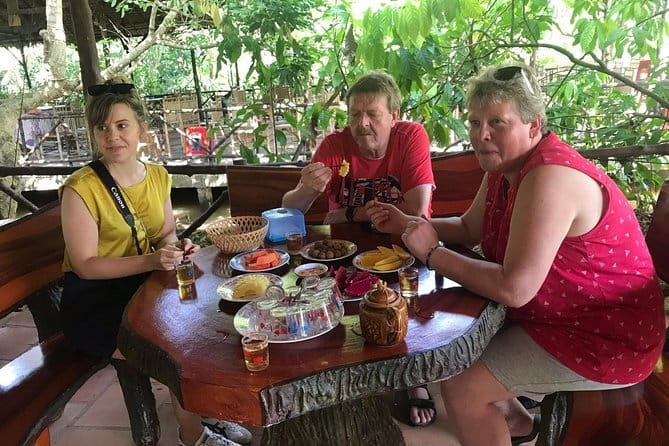
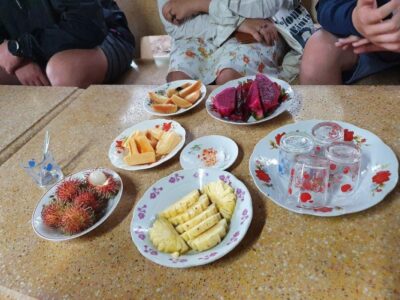
The tour ends at a local fruit garden, where you can enjoy some traditional bites. This is a satisfying closing point because you started with farming processes and end with the results you can taste.
It also keeps the tour from feeling like pure education. The fruit garden portion gives you a sensory finish—sweet, fresh, and very Can Tho in feel.
In past experiences with this kind of route format, the food stops are often where you get the biggest smiles and easiest conversations. Since you’re cycling and learning, this is a perfect time to slow down and take in the setting.
Guides Make the Difference: Ngan, Jimmy, Jane, and Tom
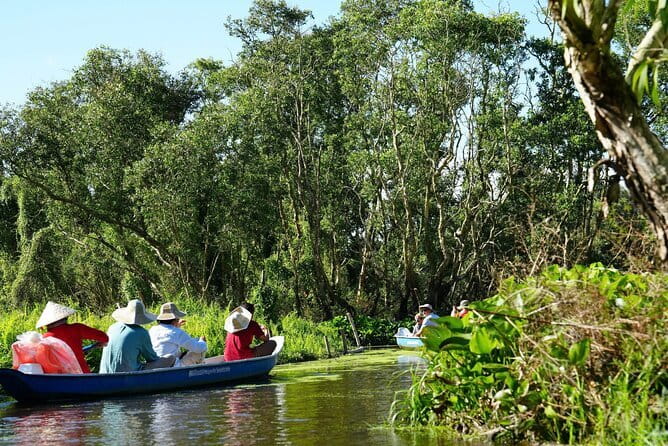
The tour runs with a local English expert guide, and the names that show up in the experience are a big clue about what the guides do well.
Guides like Ngan are praised for enthusiasm and for explaining local culture and farming in a way that makes the route feel alive. Guides like Jimmy and Jane are noted for strong English and for keeping the pace fun while still answering questions. Tom is highlighted for helping people understand the importance of preserving and continuing a traditional way of life.
This matters because a bike tour without interpretation turns into just riding. Here, the guide is part of the value equation.
What I think you should watch for
Ask questions on the ride. If your guide is as conversational as the best examples, you’ll get answers that turn stops into stories you can remember.
Price and Value: Is $64.51 Fair for This Tour?
At $64.51 per person, the value depends on what you want from your time in Can Tho. This price isn’t just for a bike rental. The included list covers a lot of the “stuff that adds up” for visitors.
You’re paying for:
- Local English expert guide
- Transportation
- High-end bike
- Entrance fee
- Water / refreshments
- Travel insurance
- The structured stops (nursery, coconut drink, heritage tree, temple area, fruit garden bites)
On top of that, the group size is capped at 8 travelers, which usually means better guidance than you’d get on larger group rides. If you like compact experiences with real local focus, this pricing feels reasonable for a 4-hour half-day.
If you’re hunting for the cheapest option in Can Tho, you can probably find shorter rides or less guided options. But if you want context, the guide, and the specific heritage stops, this one is priced like a guided experience—not a casual activity.
Logistics That Affect Your Day: Duration, Pickup, and Mobile Ticket
The tour runs for about 4 hours. That timing is helpful if you want to keep your day flexible for other Mekong Delta activities later.
Pickup is offered, and you’re near public transportation, so this is easier to fit even if you’re not staying in the most central area. You’ll also receive a mobile ticket, and confirmation is provided at the time of booking.
Smaller details like these matter more than people think. A smooth start helps you enjoy the ride instead of spending the first part of the tour figuring out where to go.
Who This Bike Tour Fits Best (and When to Skip)
This tour is a strong match if you want:
- A short cycling day around Can Tho rather than a full-day expedition
- Real rural life stops, including planting traditions and a heritage tree
- Cultural context from an English-speaking guide
- A small-group vibe with a manageable route
It may be less ideal if you dislike bikes for any reason or if you’re expecting a completely flat, slow, minimal-motion sightseeing schedule. The tour does say most travelers can participate, but you should still judge it based on your comfort with riding for 7–10 km.
Practical Tips for a Smoother Ride in the Mekong Heat
A few practical thoughts can help you enjoy this more.
- Bring sun protection, because you’re outside for most of the tour.
- Wear comfortable shoes that work for both riding and short walks at stops.
- If you get camera-happy, leave a bit of time during the heritage tree and fruit garden sections to actually look, not just shoot.
And don’t forget: tips aren’t included. If your guide does a great job explaining the route, it’s a kind gesture to plan a tip budget.
Should You Book the Can Tho Bike Tour?
Book it if you want a half-day Mekong Delta experience that combines hands-on farm learning, a famous heritage tree stop (Giàn Gừa), and a closing food moment at a fruit garden. The small group size and English-speaking guide are the main reasons this works as more than just a ride.
Skip it if you prefer big-city comfort and don’t want to spend hours outdoors moving through rural lanes. Also consider alternative tours if cycling isn’t your thing, even if the distance looks short on paper.
If your schedule is flexible, the tour includes free cancellation up to 24 hours in advance, which makes it easier to hold your plans without stress.
FAQ
How long is the Can Tho bike tour?
The tour lasts about 4 hours (approx.).
How far do you cycle?
You cycle for about 7–10 km during the experience.
Does the tour include pickup?
Yes, pickup at the meeting point is offered.
Is there a guide, and do they speak English?
Yes. The tour includes a local English expert guide.
What’s included in the price?
The tour includes a local English expert tour guide, entrance fee, transportation, high-end bike, refreshments/water, and travel insurance.
What is not included?
Tips and self-expenses are not included.
How big is the group?
The maximum group size is 8 travelers.
Do I need a ticket in advance?
You receive a mobile ticket, and confirmation is received at the time of booking.