REVIEW · HO CHI MINH CITY
Cu Chi Tunnels – Bến Dược – Small Group
Book on Viator →Operated by Vietnam Amazing Journeys · Bookable on Viator
Underground life hits differently at Cu Chi. This small-group visit to the Cu Chi Tunnels in the Ben Dược area is part history lesson, part real-world experience, with an English-speaking guide who explains how people survived and fought underground during Vietnam’s resistance war.
I like two things a lot. First, the guides bring the story to life with clear, detailed English and strong pacing—names that come up include Joshua Tran, George, and Mr Loc. Second, the Ben Dược area often feels less crowded, so you spend more time listening and looking instead of rushing through stops.
One consideration: the included price covers the tour and entrance, but shooting costs extra, and you’ll likely want to plan around an active 6 to 7 hour morning (even though it’s often described as a half-day).
In This Review
- Key Highlights You’ll Actually Feel During the Day
- Cu Chi Tunnels and Ben Dược: What You’re Really Walking Through
- Saigon Opera House Pickup and the 6–7 Hour Rhythm
- A Guide Who Makes the Underground Make Sense (Joshua Tran, George, Mr Loc)
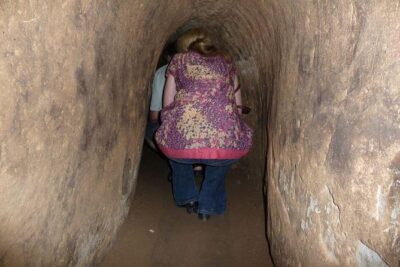
- Inside the Tunnels: Formation, Life, and How People Fought Underground
- Traps, Raids, and the War Technology Story You Don’t Want to Miss
- Cassava and Hot Tea Break: The Pause That Makes Sense
- Shooting Experience: Optional, Extra Cost, and Not for Every Mood
- Price Check: Is $30 Good Value for Cu Chi Tunnels?
- Who This Tour Fits Best (and Who Might Skip)
- Should You Book Cu Chi Tunnels – Bến Dược – Small Group?
- FAQ
- How long is the Cu Chi Tunnels – Bến Dược – Small Group tour?
- Where do I meet the group?
- What time does the tour start?
- Is pickup and drop-off included?
- What’s included in the $30 price?
- Is shooting included?
- What group size should I expect?
- Is the tour suitable for most people?
- Do I need to buy an entrance ticket separately?
- Can I get a full refund if I cancel?
Key Highlights You’ll Actually Feel During the Day
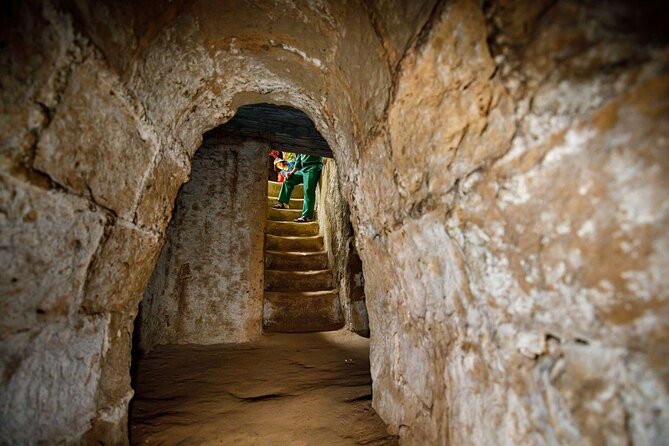
- Max 12 travelers means you get more guide attention than the big-bus version.
- Ben Dược focus can mean a calmer visit than busier sections at Cu Chi.
- English-speaking guides (like Joshua Tran, George, and Mr Loc) explain the tunnel life and war context clearly.
- Cassava + hot tea are included, giving you a simple break in the middle of a heavy subject.
- Optional shooting lets you try the guns that were used on the battlefield, with the shooting fee handled separately.
Cu Chi Tunnels and Ben Dược: What You’re Really Walking Through

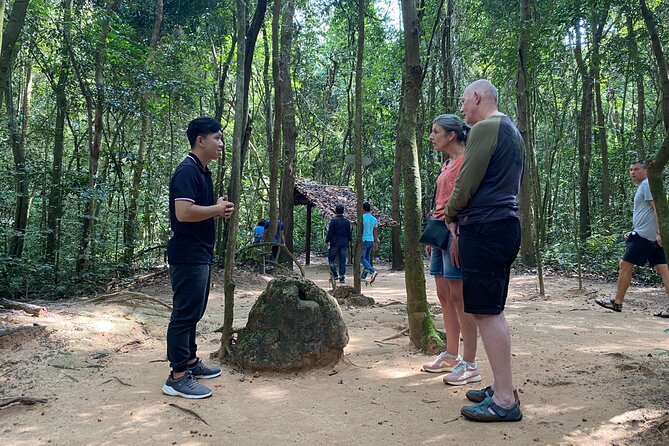
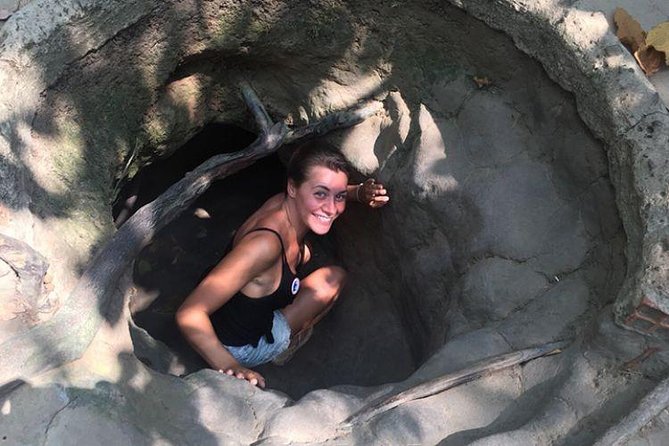
Cu Chi isn’t just a collection of holes in the ground. The whole point of this tour is to understand how Vietnamese soldiers lived and fought underground—how they dug tunnels, how they moved, how they cooked and survived, and why this strategy mattered for a long conflict.
The Ben Dược area is part of that story. You’ll be guided through the tunnel system with explanations tied to real resistance-war events, including the long struggle in the Cu Chi district. If you like history that connects to practical details—how something was built, used, and maintained—this tour’s format fits that mindset.
The mood can be intense. This is war history, and you’ll hear about traps used by Vietnamese forces and about the modern equipment that was sent to raid the tunnels. You don’t need to be a battlefield expert to follow along; the guide’s job is to connect the dots step-by-step.
You can also read our reviews of more tours and experiences in Ho Chi Minh City.



Saigon Opera House Pickup and the 6–7 Hour Rhythm
Logistics matter on a day like this, and this tour is built around an easy start. You meet at Saigon Opera House at 7:30 am, then you’re collected and transported in an air-conditioned vehicle.
The total time runs about 6 to 7 hours, and the tour ends back at the meeting point. That timing is long enough to get the tunnel story properly, but short enough that you still keep most of your day.
This kind of schedule works especially well if:
- you’re in Ho Chi Minh City for a limited time,
- you want a structured day without figuring out transport to the site,
- you prefer morning departures (less rush to the tunnels, easier logistics back in town).
Also, you get bottled water during the tour, which is a small but important detail for a long morning.
A Guide Who Makes the Underground Make Sense (Joshua Tran, George, Mr Loc)

A tour can show you tunnels. A good guide helps you understand why those tunnels were survival technology.
In the feedback, guides like Joshua Tran, George, and Mr Loc are highlighted for exactly that: knowledge, enthusiasm, and the ability to explain in clear English without turning the day into a lecture you can’t connect to. You’ll hear the formation story—how tunnels were shaped and dug—and the daily-life angle, like how soldiers managed cooking and living underground.
I appreciate when a guide can handle both the big picture and the small practical points. Here, the explanations aren’t just dates and names. You’ll also learn why the tunnels were chosen, and how people adapted their activities over more than 20 years of war in the area.
If you’re the type who asks questions, this setup is a good match. With a maximum group size of 12, there’s room for back-and-forth instead of being stuck watching a screen of someone else’s questions.
Inside the Tunnels: Formation, Life, and How People Fought Underground
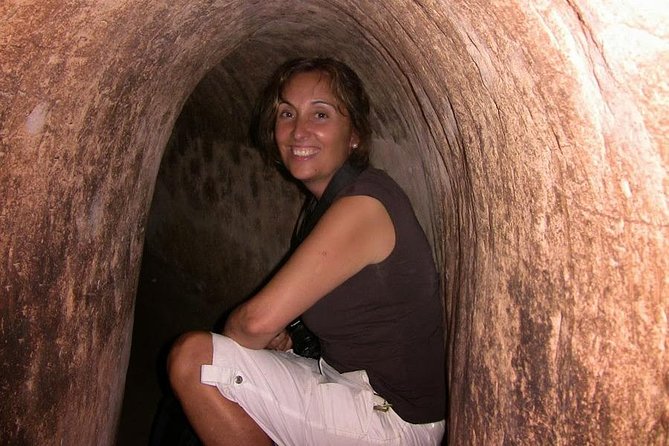
This is the heart of the experience: the guided tunnel visit focused on how soldiers lived and fought.
Here’s what the tour is designed to cover, in plain terms:
- How the tunnels were formed and built (the practical process behind digging and using underground spaces)
- How soldiers lived in them (including the idea of wells and cooking underground)
- Why tunneling made sense (strategic protection and sustained resistance)
- How combat played out in tunnel life (how fighting could be organized underground)
Even if you already know a basic outline of the Vietnam War, the tunnel-life focus changes what you picture. It’s one thing to read about ambushes or resistance. It’s another to hear how the underground environment shaped movement, routine, and survival.
You also get context for what you’re seeing. The guide explains not just what a tunnel segment is, but what it was for—helping you connect the physical spaces with the tactics and daily survival needs.
Traps, Raids, and the War Technology Story You Don’t Want to Miss
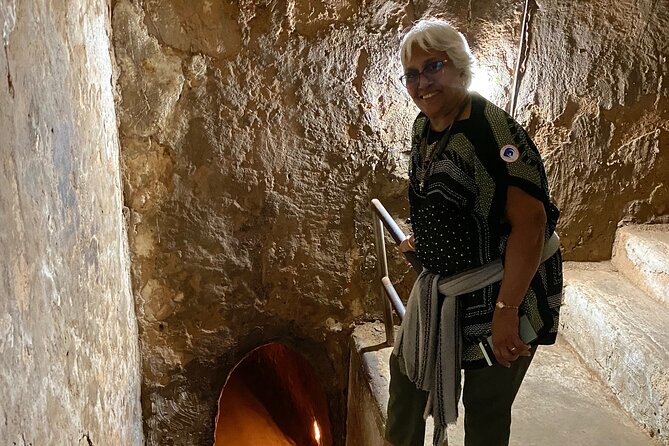
A big part of this tour is the push-and-pull between Vietnamese forces and the enemy’s attempts to raid the tunnel network.
You’ll hear about:
- types of traps used by Vietnamese forces against intruders
- modern equipment sent by the enemy to raid Cu Chi
This matters because it shifts the story from simple hero-versus-villain thinking into something more accurate: both sides were adapting. Vietnamese forces used tactics that fit the terrain and the underground environment, while the enemy brought equipment meant to break into that system.
One reason I think this section is valuable is that it helps you understand why tunnels weren’t just hiding places. They were active defense infrastructure—built to slow, confuse, and control movement. The trap-and-raid narrative is the link between the tunnel walls you’re looking at and the war events you’re being told about.
And since the tour is guided in English, you can follow the reasoning without needing to do homework first.



Cassava and Hot Tea Break: The Pause That Makes Sense
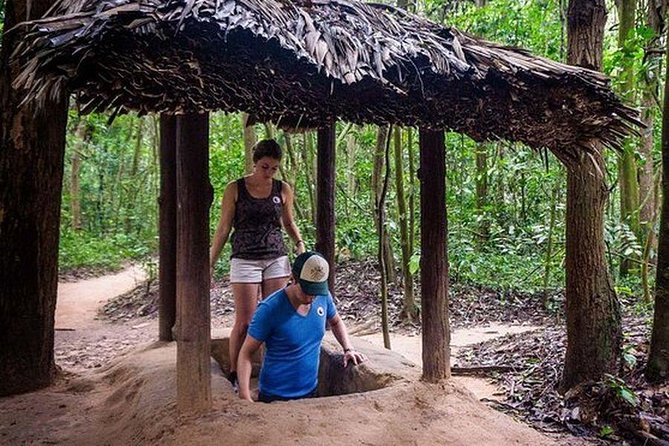
Yes, this is war history. But the tour still includes a real human break.
You’ll get cassava + hot tea included, which gives you a calmer moment in the middle of a tough topic. Cassava is a key part of survival food history in Vietnam, and the inclusion here isn’t random—it’s tied to the idea of how people lived and cooked in constrained conditions.
I like having this built into the day because it keeps your energy steady for the later parts of the tunnel experience. It also makes the overall pacing more sustainable for a 6 to 7 hour morning.
If you tend to get a little worn out by heavy historical sites, this simple meal break can be the difference between rushing and really taking things in.
Shooting Experience: Optional, Extra Cost, and Not for Every Mood
The tour also offers an experience with shooting using guns that were used by old soldiers on the battlefield. The shooting part is optional, and the shooting cost is not included in the $30 tour price.
That means you should think about your priorities before you go:
- If you want hands-on engagement, the shooting option is a big draw.
- If you prefer to stay purely educational and avoid weapon experiences, you can treat this as a tunnel-first day.
Either way, it’s good to know the cost reality. The base price covers the tour, entrance fee, and core included items; shooting is the part where your total spending depends on what you choose to add.
Price Check: Is $30 Good Value for Cu Chi Tunnels?
At $30 per person, this tour sits in the value zone for Ho Chi Minh City day trips—especially because several key costs are already covered.
What you get included:
- air-conditioned vehicle with pickup and drop-off
- entrance fee
- English-speaking tour guide
- bottled water
- cassava + hot tea
- mobile ticket access (useful for day-of convenience)
The big “not included” items are shooting cost, tips, and travel insurance. So if you plan to shoot, budget a bit more. If you skip shooting, the $30 stays close to what you expected.
For me, the value comes from how the day is structured for a small group: transport + guide + ticket + a food/tea break are bundled together, so you’re not piecing it all together yourself.
If you’re comparing against the all-day big bus options, the smaller group size can feel like better time-per-dollar—less waiting, more attention, and a more conversational guide style.
Who This Tour Fits Best (and Who Might Skip)
This Cu Chi Tunnel Ben Dược small-group tour is a strong fit if you:
- want a guided historical site instead of DIY wandering,
- enjoy practical details about how people lived and fought,
- like English narration with time for questions (up to 12 travelers),
- prefer a calmer feel in the Ben Dược area.
It might not be the best match if you:
- get uncomfortable with war history topics,
- strongly prefer to avoid anything weapon-related (because shooting is offered, even though it’s optional),
- need a super relaxed pace. This is a full guided morning and includes significant focus on the tunnel system.
Also, since you’re in a tunnel setting, come prepared for an environment that’s different from street-level. You’ll likely want to keep your hydration and energy steady for the day.
Should You Book Cu Chi Tunnels – Bến Dược – Small Group?
If you want one clear reason to book, it’s this: you’re not just going to see tunnels. You’re going to understand how soldiers lived, adapted, and defended themselves underground, with an English guide and a small group size that makes the explanations easier to follow.
I’d book this if:
- you like guides who explain clearly in English (Joshua Tran, George, Mr Loc-type energy),
- you want the Ben Dược area experience with a more relaxed feel,
- you’re happy with optional add-ons like shooting, and you can accept extra costs if you choose it.
I’d skip or choose another format if you want a purely scenic visit, or if you don’t want the war-technology and weapons-related parts of the story.
FAQ
How long is the Cu Chi Tunnels – Bến Dược – Small Group tour?
The tour lasts about 6 to 7 hours.
Where do I meet the group?
The meeting point is Saigon Opera House, 07 Công trường Lam Sơn, Bến Nghé, Quận 1, Hồ Chí Minh 710212, Vietnam.
What time does the tour start?
Start time is 7:30 am.
Is pickup and drop-off included?
Yes. Pickup and drop-off are included, and you travel by air-conditioned vehicle.
What’s included in the $30 price?
Entrance fee, English-speaking tour guide, bottled water, cassava + hot tea, and pickup/drop-off.
Is shooting included?
Shooting is not included. Shooting cost is listed as an extra.
What group size should I expect?
This tour has a maximum of 12 travelers.
Is the tour suitable for most people?
The info says most travelers can participate.
Do I need to buy an entrance ticket separately?
No. The entrance fee is included.
Can I get a full refund if I cancel?
Yes. Free cancellation is available up to 24 hours in advance for a full refund.
If you tell me your travel dates and whether you’re interested in the shooting option, I can help you decide if this timing fits your Ho Chi Minh City plan.