REVIEW · HO CHI MINH CITY
Ho Chi Minh City Private City Tour – History, Culture, Local Life
Book on Viator →Operated by Vietnam - Ho Chi Minh City Package Tours · Bookable on Viator
Saigon makes sense faster when you have a plan. This private tour links Vietnam’s modern history with the streets you still live on today, from the War Remnants Museum to the Thích Quảng Đức Monument and Chinatown temples. I like that it stays flexible, so you can slow down for real breaks like coffee, not just checklists, and you get a guide who can shape the route around your pace. One thing to keep in mind: a couple of major sights have ticket costs (and the War Remnants Museum closes after 17:00), so budget a little extra.
You’ll be picked up and dropped off in Districts 1, 3, and 4, then ride in private transport with an English-speaking guide for about 4 hours. The tour is also flexible in how you move—motorbike, jeep, car, walking, or cyclo—so it can fit your comfort level and your energy.
The stops are grouped like chapters: pressure and protest, war hiding in plain sight, then street-level Saigon where people shop flowers, pray at temples, and go about their day.
In This Review
- Key highlights you’ll actually feel
- Why a 4-hour private Saigon tour is such a smart first-day move
- Getting around: hotel pickup plus your choice of transport
- War Remnants Museum: the context you’ll use for the rest of the day
- Thích Quảng Đức Monument: a short stop with heavy gravity
- Hầm Vũ Khí Bí Mật Secret Weapon Cellar: when history turns physical
- Passing Saigon’s French-era landmarks: what you see at street speed
- Reunification Convention Hall area and the Independence Palace neighborhood
- Nguyen Huệ walking street and the Café Apartment area
- Nguyen Thien Thuat apartment buildings: a quieter neighborhood look
- Chinatown temple time at Chùa Vạn Phát and a flower market pause
- Budget and value: what the $31.57 per person really covers
- Who this tour suits best (and who might want a different day)
- Should you book this Ho Chi Minh City private tour?
- FAQ
- What’s included in the Ho Chi Minh City private tour package?
- What tickets or fees are not included?
- How long is the tour, and where does pickup happen?
- Is this tour private or group-based?
- What transportation options are available during the tour?
- What’s the cancellation policy?
Key highlights you’ll actually feel
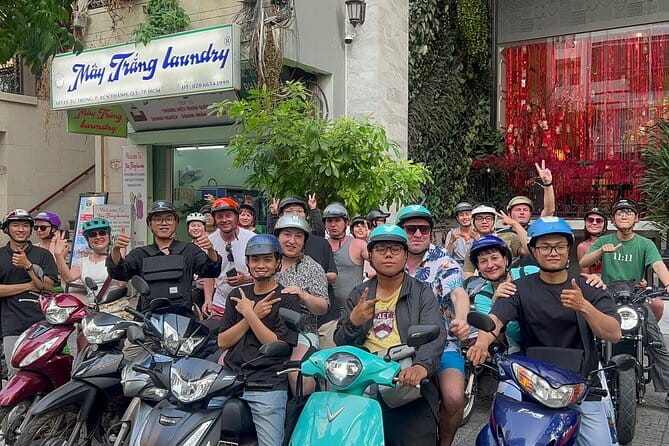
- Private guide and flexible pace that can include coffee and food stops instead of rushing.
- War Remnants Museum gives you the context for everything else you’ll see.
- Thích Quảng Đức Monument is a powerful pause at a busy intersection.
- Secret Weapon Cellar (Hầm Vũ Khí Bí Mật) connects Tet-era history with a very physical site.
- Chinatown temple time (Chùa Vạn Phát) plus a flower market for everyday local life.
Why a 4-hour private Saigon tour is such a smart first-day move
Ho Chi Minh City—old Saigon—can feel like a pile of contradictions if you’re wandering alone. You’ll see grand French-era buildings, then quick glimpses of war history, then neighborhoods that look like they’ve barely changed in their daily rhythms. This is a tour built to help you connect the dots fast.
I especially like that the pacing is not “race through the highlights.” In one example, the guide was understanding about wanting slower travel and even helped build in time for coffee and food. That matters because Saigon is hot, crowded, and surprisingly emotional if you’re hitting the history sites hard back-to-back.
The other big win is the mix of famous landmarks and less-famous stops. You’re not only looking at monuments—you’re also catching neighborhood scenes, a market, and a temple visit that show how the city lives now.
You can also read our reviews of more city tours in Ho Chi Minh City



Getting around: hotel pickup plus your choice of transport
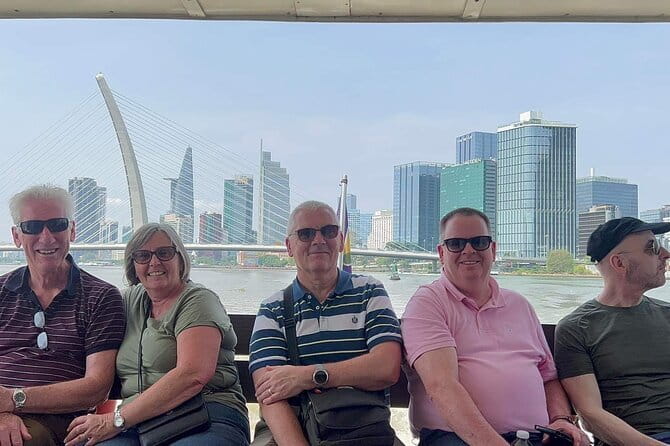
Your tour includes center hotel pickup and drop-off in District 1, 3, and 4. That’s a practical detail: you spend less time wrangling taxis in traffic and more time where you actually need to be.
You can also choose how you move. The experience can be operated by motorbike, jeep, car, walking, or cyclo, which is useful because Ho Chi Minh City traffic changes the “best way” depending on where you are and how comfortable you feel. If you want maximum flexibility, walking segments plus private transport between them can feel best.
One more detail that’s easy to overlook: this is a private setup, so it’s only your group. That tends to make guides more willing to adjust timing—like giving you a little extra time when you’re stopping for photos or sitting down to refuel.
War Remnants Museum: the context you’ll use for the rest of the day
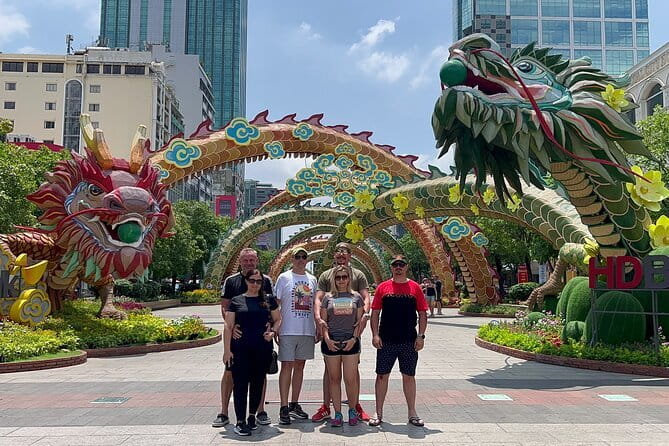
The tour begins at the War Remnants Museum, where you’ll see photos, artifacts, and stories about Vietnam’s modern history. This is the kind of stop that changes how you read the city outside the museum walls. After you understand the themes presented here, even the passing viewpoints around downtown hit differently.
Plan for about 30 minutes at the museum area. If you’re a fast reader, you might finish quicker; if you stop to take in photos and captions carefully, you may need a bit more time. Either way, don’t treat it like a quick photo op. The point is to get the emotional and historical framing.
Important practical note: the War Remnants Museum closes after 17:00. If you’re arriving later in the day or have a late start, timing can matter more than you’d expect in a tour that packs several meaningful stops. If you can, aim to fit the museum earlier rather than gambling on the clock.
And yes, there’s a separate entrance fee. The museum ticket is 40,000 VND and is not included.
Thích Quảng Đức Monument: a short stop with heavy gravity

Next comes the Thích Quảng Đức Monument, a well-known memorial connected to the story of the Buddhist monk Thích Quảng Đức. The moment is tied to an act of self-immolation on 11 June 1963 at a major road intersection, as a protest against persecution of Buddhists in South Vietnam at that time.
This stop is listed for about 15 minutes, and it’s exactly the kind of short visit that still lands hard. You’re not supposed to “power through” sites like this. Even if you’re not the type who reads every plaque, you’ll feel the contrast of the monument against everyday street life nearby.
Admission is free here, so you can treat this as a pause without worrying about ticket logistics. If you’re someone who likes to take a moment—breathe, look, and then move on—you’ll get good value out of this portion.
Hầm Vũ Khí Bí Mật Secret Weapon Cellar: when history turns physical

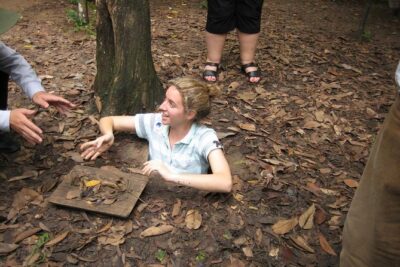
Then the tour visits the Hầm Vũ Khí Bí Mật Secret Weapon Cellar. This is presented as a site tied to the festive season and the year 1968. Even without getting lost in details, the power of a cellar-like stop is simple: you feel how cramped and hidden war could be.
You’ll spend about 15 minutes here, and that time is likely enough to take in what’s meant to be seen without getting exhausted. If you’re sensitive to intense war-related content, pacing helps. This tour’s overall structure keeps the day from becoming one long emotional marathon.
Admission is free, which is a nice bonus if you’re trying to keep your day-trip budget under control. Just bring the same common sense you’d use anywhere underground: expect enclosed spaces and plan for basic comfort.
You can also read our reviews of more private tours in Ho Chi Minh City






Passing Saigon’s French-era landmarks: what you see at street speed
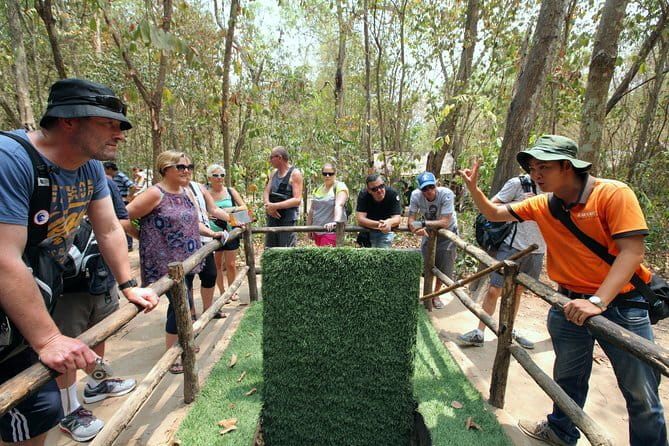
Downtown Saigon has a lot of “big postcard” architecture, and this tour includes major examples as pass-by sights. You’ll get views of places like the Central Post Office, the area around Notre-Dame Cathedral, the Saigon Opera House, and City Hall, plus recognizable downtown stretches.
Even as pass-by stops, these landmarks matter because they teach you something: colonial-era building style is still part of the city’s identity, even when the city has moved on politically and culturally. If you only come for nightlife or shopping, you might ignore these buildings. With a history-centered guide, you tend to notice details you’d otherwise skip.
One building worth calling out is the Saigon Central Post Office. The tour description notes it was constructed during the French Indochina period. That historical detail gives you a lens for the architecture: it’s not just pretty. It’s from an era of administration and connectivity, and Saigon’s later layers grew around that infrastructure.
You also pass by the Saigon Opera House, described as colonial-era design. Opera houses are easy to admire from the sidewalk and hard to connect to the bigger story unless someone gives you that quick framing, which is where a private guide adds value.
Reunification Convention Hall area and the Independence Palace neighborhood
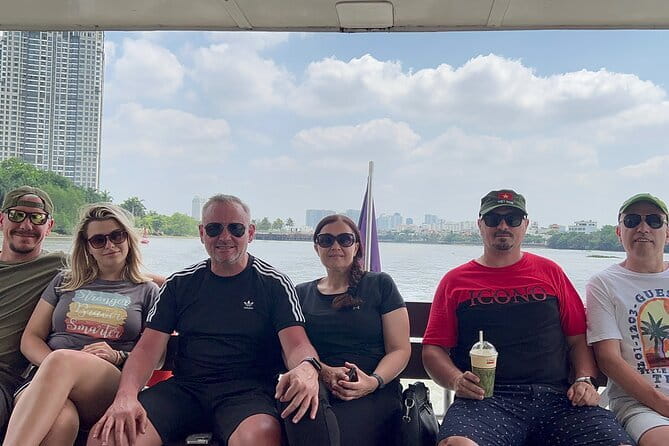
Another key pass-by is the Reunification Convention Hall, also publicly known as the home/workplace setting for the president of the republic. This is closely tied to the landmark area around Independence Palace, one of Saigon’s most famous political symbols.
The tour listing also points out Independence Palace as a separate ticketed sight. That matters because it helps you decide what you want more deeply:
- If you love photo-stop landmarks, pass-by views can be enough.
- If you want interior history and rooms, you’ll want to plan for the ticket.
The Independence Palace ticket is 40,000 VND and is not included. If you think you’ll want that extra level of detail, budgeting ahead makes the day smoother.
Nguyen Huệ walking street and the Café Apartment area
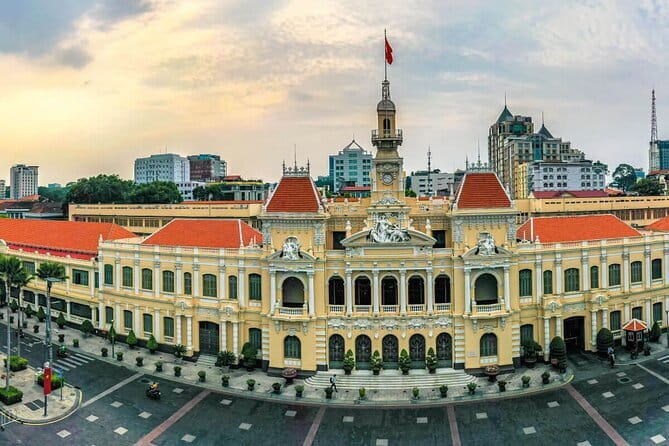
After the heavier-history stops, you shift into a more everyday downtown vibe with Nguyễn Huệ Walking Street. This is a boulevard in District 1 and, per the tour description, it’s one of Saigon’s older thoroughfares that has transformed over time. When you walk along here, you can feel the city’s modern retail and street energy without needing a long detour.
There’s also a pass-by for the Café Apartment area. It’s the kind of place that works well as a moving break: you’re not committing to a museum, but you can look, snack, and reset before continuing.
Expect this portion to be visual and light-touch. If you want lots of reading and plaque time, you’ll rely on your guide for quick context. If you want atmosphere and people-watching, it fits well.
Nguyen Thien Thuat apartment buildings: a quieter neighborhood look
The itinerary includes a stop at the Nguyễn Thiên Thuật apartment buildings, described as a complex of American-built historic buildings in District 3, along Nguyễn Thiên Thật Street.
This is the kind of stop that many first-time visitors miss, and it’s valuable because it adds a layer to your understanding. You’re not only seeing government symbols and major museums; you’re also seeing how architecture reflects different periods and foreign influence.
The listing notes a “beautiful view” at a stop point here, so you might have a moment to look around and photograph. Time is shorter, so this is a good fit if you want neighborhood atmosphere without extending your day too much.
Chinatown temple time at Chùa Vạn Phát and a flower market pause
Next comes a visit to Chùa Vạn Phát (Temple of Ten Thousand Buddhas). The tour description frames it as a pagoda or temple in Chinatown with Chinese cultural influence. You’ll spend about 30 minutes here, which is a solid amount of time to slow down and notice details like altar styles, incense rhythms, and the general feel of a living place of worship.
Then you’ll head to the flower market. I like this kind of stop because it breaks the museum-and-monument rhythm. It’s also practical: markets are where you see daily routines—people buying, chatting, carrying bundles, and moving through the city like they always have.
The tour description encourages you to observe local daily life, and that’s exactly the point. Even if you don’t buy anything, you’ll learn how neighborhoods move.
Admission for the temple is listed as free, and the flower market doesn’t include an admission fee as part of the tour. It’s one of the easiest ways to get a more “real Saigon” feeling in a short time.
Budget and value: what the $31.57 per person really covers
At $31.57 per person, this isn’t a high-end luxury tour. The value is in the mix: private guiding, hotel pickup and drop-off (District 1, 3, 4), and private transportation for about 4 hours.
What you should plan for separately:
- War Remnants Museum: 40,000 VND (not included)
- Independence Palace: 40,000 VND (not included)
Even with those add-ons, the price still makes sense if you want an efficient first introduction without figuring out logistics yourself. The private part matters most if:
- you like a flexible pace,
- you want someone to connect landmarks to meaning,
- you’d rather not shop around for rides in traffic.
Group discounts are mentioned, but the tour is private for your group. So if you’re traveling with friends, it’s often a straightforward way to split the cost and get personalized timing.
Who this tour suits best (and who might want a different day)
This private tour is ideal if you’re visiting Ho Chi Minh City for the first time and you want a meaningful introduction that balances major sites with street life.
It’s also a good match if you’re the kind of traveler who likes structure but doesn’t want to be dragged through every stop on a strict schedule. In the real-world feedback around the tour, the guide’s willingness to adjust for slower travel and real breaks—like coffee and food—comes up as a big win. That’s exactly what makes a short 4-hour plan feel humane.
It may be less ideal if you mainly want relaxed shopping time. The day includes serious historical and memorial sites, so expect the emotional tone to vary. You can still enjoy the lighter downtown segments, but the war/history framing is central to how the tour works.
Also keep in mind the War Remnants Museum has a closing time after 17:00, so late afternoons can get tricky.
Should you book this Ho Chi Minh City private tour?
I’d book it if you want fast orientation plus depth—without spending your whole first day figuring out transport or sequencing. You’ll get downtown landmarks, a museum foundation, memorial stops like the Thích Quảng Đức Monument, plus neighborhood time in areas such as Chinatown and District 3.
Skip it if your ideal day is mostly leisure and you’re already comfortable navigating Saigon on your own. This tour’s value comes from guidance, pacing, and built-in context.
If you do book, I’d plan your day so you can fit the War Remnants Museum earlier, and decide in advance whether you care about the Independence Palace ticket. That way you don’t have to guess in the moment.
FAQ
What’s included in the Ho Chi Minh City private tour package?
The tour includes an English-speaking tour guide, center hotel pickup and drop-off (Districts 1, 3, and 4), and private transportation. A mobile ticket is also offered.
What tickets or fees are not included?
War Remnants Museum tickets cost 40,000 VND and Independence Palace tickets cost 40,000 VND, and both are not included in the tour price.
How long is the tour, and where does pickup happen?
The tour is about 4 hours. Pickup and drop-off are offered for hotels in Districts 1, 3, and 4.
Is this tour private or group-based?
It’s a private tour/activity. Only your group will participate.
What transportation options are available during the tour?
The experience is fully customizable and can be operated by motorbike, jeep, car, walking, or cyclo.
What’s the cancellation policy?
You can cancel for a full refund up to 24 hours in advance of the experience start time. Changes within 24 hours aren’t accepted, and refunds aren’t provided if you cancel less than 24 hours before.