REVIEW · HO CHI MINH CITY
Ho Chi Minh City: Cu Chi Tunnels Morning or Afternoon Tour
Book on GetYourGuide →Operated by KIM TRAVEL · Bookable on GetYourGuide
Crawling underground changes how you see war. This Cu Chi Tunnels tour from Ho Chi Minh City pairs a guided walk through the trap systems with the signature tunnel crawl, plus a brief propaganda film that frames why the fighters went underground. I especially liked the upbeat, human touch from guides like Bao and Tommy—many of them use humor and keep things moving—and I also liked the simple food stops, from tea and tapioca to war-day cassava. The main thing to think about is that the transport can feel warm and tight, and the tunnel crawl is physically challenging.
You’ll start with a pickup window of 7:30 to 8:30 AM, then ride out past green fields and rural life toward Củ Chi. Expect photo stops, short breaks, and plenty of stops inside the complex for guided explanations and self-guided time.
The total day runs about 390 minutes, and you get a real mix: guided tour, free time, and an optional shooting range add-on (AK47 or M16) for an extra fee. If you’re sensitive to the topic of weapons or you prefer not to shoot, you can skip that part and still get a full experience.
In This Review
- Key Highlights You’ll Actually Feel During This Tour
- How the Cu Chi Day Flows From Ho Chi Minh City
- The Van Ride Out: Fields, Farmers, and Getting Oriented
- Củ Chi: The Scene-Setter Before You Go Underground
- The Brief Propaganda Film: Why It Shows Up First
- Trap Doors, Storage, and War-Day Engineering at Cu Chi
- Crawling Through One of the Tunnels: What to Expect, What to Prepare
- Tea, Tapioca, and Cassava: The Food Stop That Makes It Human
- The Shooting Range Add-On: AK47/M16 for an Extra Fee
- Pickup, Timing, and Group Style: What Affects Your Comfort
- Price and Value: Why $13 Can Still Feel Like a Lot
- Who Should Book This Cu Chi Tour (and Who Should Skip)
- Should You Book This Tour? My Bottom-Line Advice
- FAQ
- How long is the Cu Chi Tunnels tour?
- What areas in Ho Chi Minh City are pickup locations?
- Is the tunnel crawl included?
- Can I shoot an AK47 or M16 on this tour?
- What food and drinks are included?
- What should I bring for the tour?
- Is this tour wheelchair-friendly?
- What happens if I’m staying outside the pickup areas?
Key Highlights You’ll Actually Feel During This Tour
- A timed plan that balances guided storytelling and your own exploring inside the tunnel complex
- Trap zones that show how guerrilla fighters turned everyday terrain into defense
- A crawl through one of the tunnels, with safety briefings and a pace that’s workable for most people
- War-day food like cassava, plus hot tea and tapioca to keep energy up
- An optional shooting range with AK47/M16 available for extra cost
How the Cu Chi Day Flows From Ho Chi Minh City
This is one of those tours where the timing matters. The whole experience runs about 6.5 hours, and it’s built so you’re not just bouncing between a couple of photos. You get an initial ride out of the city, then a structured block inside Cu Chi with guided instruction, short breaks, tea, and self-guided time, and then a return back to District 1.
The value here is partly the included stuff. You’re not paying extra to learn the story: the tour includes an English-speaking guide, entrance fees, bottled water, crackers and wet tissues, and travel insurance. It also includes tea and tapioca, which sounds small, but in the heat it makes the day feel more human instead of like a nonstop shuffle.
Inside the complex, the tour format tends to give you options. You’ll have guided segments (including safety briefings), plus free time where you can walk at your own speed. That helps because the tunnels and trap areas are intense. You don’t want to rush through something that’s meant to be understood in layers.
You can also read our reviews of more city tours in Ho Chi Minh City



The Van Ride Out: Fields, Farmers, and Getting Oriented
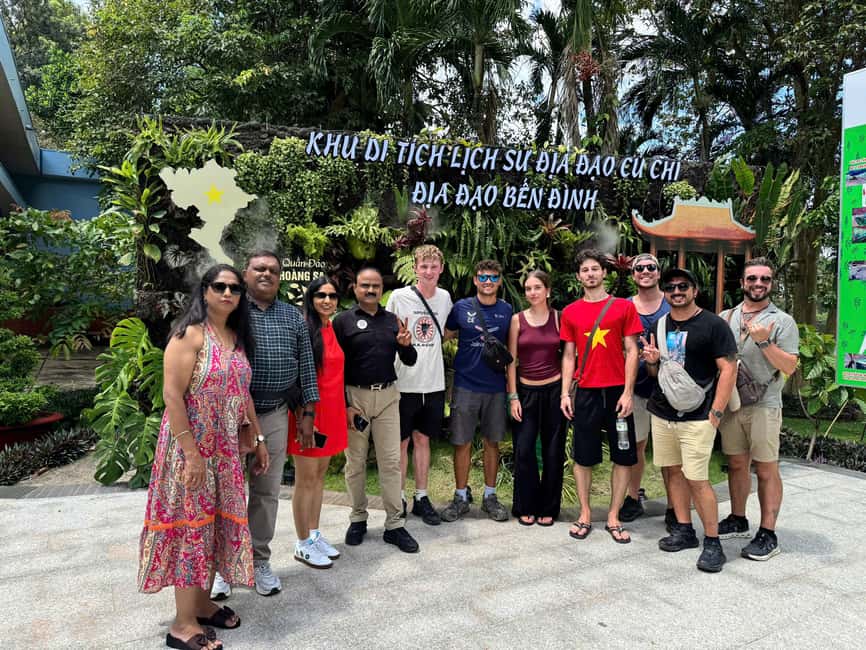
The tour starts with pickup from centrally located hotels in Districts 1, 3, and 4. You’ll get confirmation of the exact pickup time, and your guide reaches out about 15 minutes beforehand. I like that it’s organized and not a vague meet-at-a-sign situation.
The ride itself is more than dead time. The road out to Cu Chi passes paddy fields, local farmers, and buffaloes—real rural scenes that help you picture what guerrilla warfare depended on: terrain, cover, and movement. There’s even a photo stop during the journey (around 15 minutes), which is handy because the scenery changes quickly once you’re past the urban edge.
On the comfort side, the tour uses a bus or minivan with air-conditioning, and group size depends on the format you choose (small group or private options are available). One caution: some people report older vehicles or weaker AC, and that matters in Vietnam heat. If you’re the type who runs hot, bring a light layer and expect a warmer ride than you’d get in a brand-new coach.
Củ Chi: The Scene-Setter Before You Go Underground
Before you even get to the tunnel complex, you’ll spend time in the Củ Chi area with a break and a photo stop. This is the “get your bearings” stage of the day. It’s when your guide sets the context for what you’re about to see—why the fighters operated at ground level sometimes, then shifted deeper when it was safer to vanish.
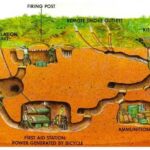
This part of the experience also helps you understand the logistics of underground war. The tunnels weren’t just one hole in the ground. They were a connected network with functionality—meeting spaces, kitchens, and ventilation systems—so people could survive and keep operating while the enemy searched above.
If you liked the idea of history you can picture (not history that stays abstract), this framing pays off later when you’re standing near trap structures and realize how intentionally they were designed.
The Brief Propaganda Film: Why It Shows Up First
One specific stop that stands out in the tour plan is a brief propaganda video. It’s short, but it matters because it shapes your expectations for the visit. You’re going to see Vietnamese fighters presented in a particular light, and the video gives you the emotional and political context for why the tunnels have been preserved as a teaching site.
I don’t treat the video as the “main event,” but I do think it helps you decode the rest of the day. When you later learn about underground life and why certain choices were made, you’ll understand the narrative the tour is trying to communicate.
If you’re someone who prefers purely factual exhibits only, just be mentally prepared for a tone shift at this stage. Then focus on what you can verify and interpret with your eyes once the walking starts.
Trap Doors, Storage, and War-Day Engineering at Cu Chi
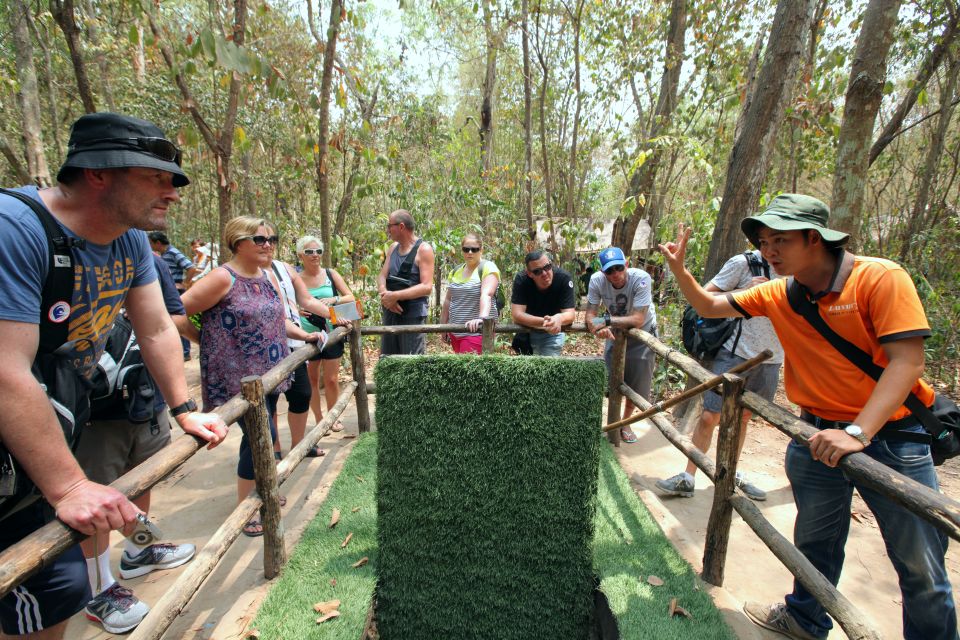
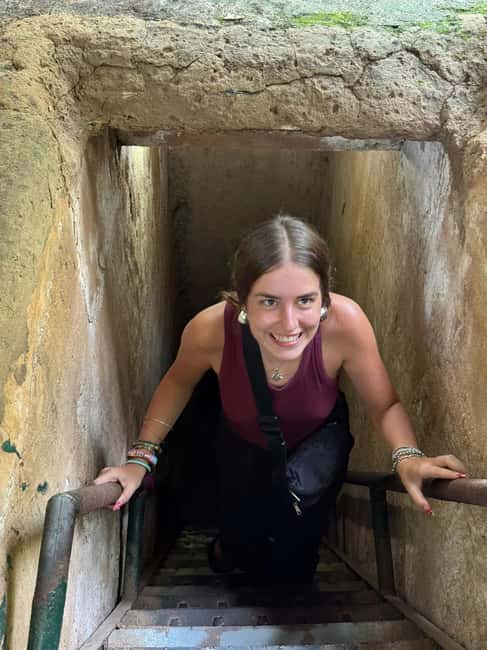
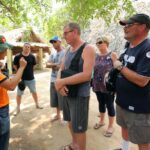
The heart of Cu Chi for many people is the walk through the maze-like areas: traps, doorways, storage facilities, weapons-factory spaces, field-hospital displays, command-center points, and kitchens. The guide connects these pieces so you see the tunnels as an entire system, not random surprises.
The trap zones are where you feel the most “oh, this was intentional” reaction. These setups weren’t built for storytelling; they were built to stop movement, slow attackers, and create confusion. Watching how the terrain and structures work together is a big reason this tour earns such strong ratings.
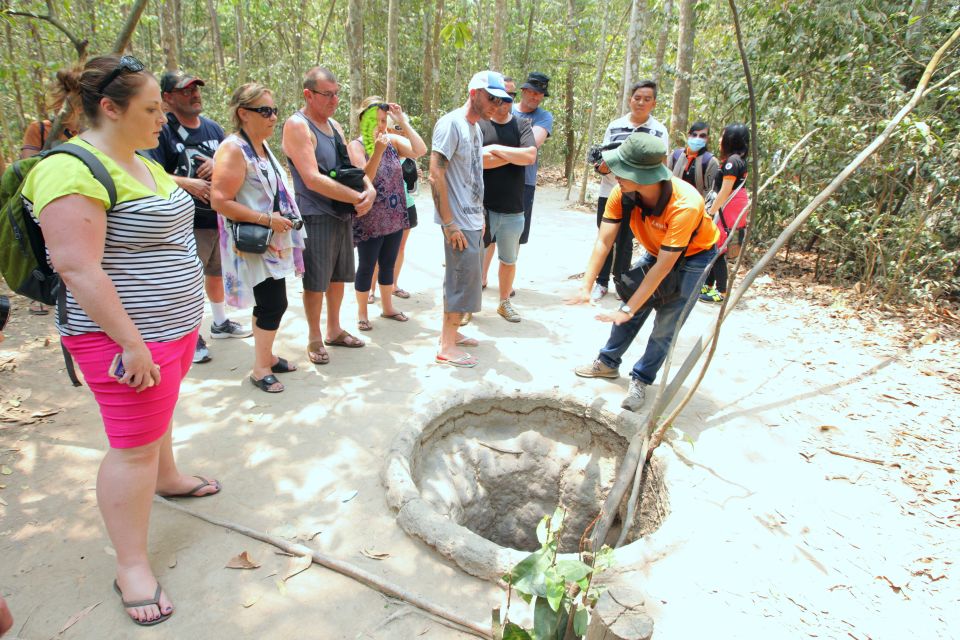
A smart tactic: keep asking the guide small questions as you go. The best moments tend to happen when you connect what you see—like a door mechanism or a covered passage—to the tactical reason behind it. Guides on these tours often do a good job keeping the explanations clear and paced so you’re not overwhelmed.
You can also read our reviews of more tours and experiences in Ho Chi Minh City


Crawling Through One of the Tunnels: What to Expect, What to Prepare
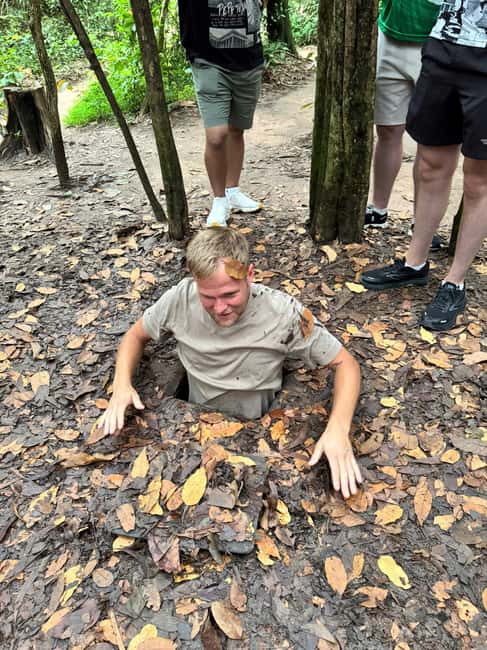
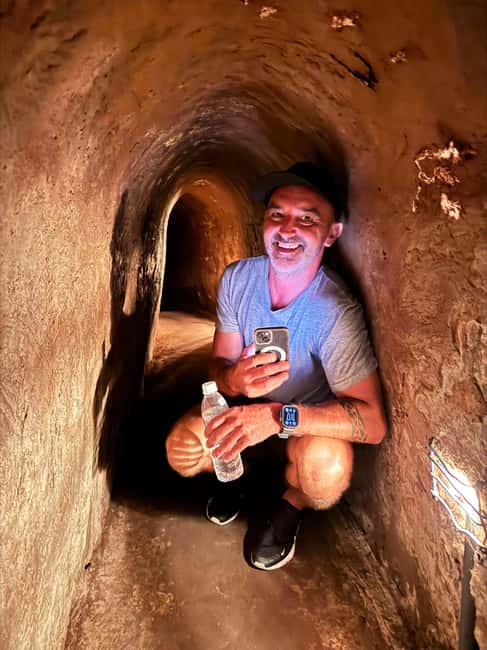
The signature moment is entering and crawling through one of the tunnels. This is usually the part people talk about afterward, because it turns your imagination into physical understanding.
There’s a safety briefing before the tunnel portion, and that’s important. Still, you should go in knowing the tunnel crawl is tight and hot. It also changes your sense of time: you’re slow. You’re careful. Your breathing gets louder in the enclosed space, and that alone makes the experience more real.
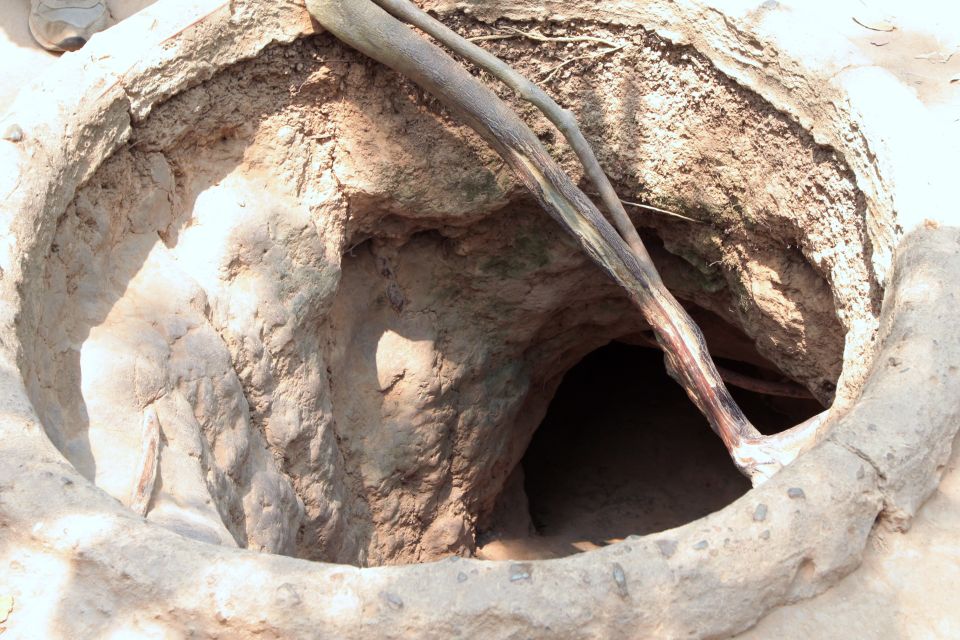
Based on what I’ve heard from people who’ve done it, the tunnels you experience are designed for tourists too—you’ll find areas adapted to fit human visitors while still showing original features and sizes. That strikes a balance: you get the reality of the space without the visit being impossible.
What to wear matters a lot. I’d prioritize comfortable clothes and sturdy, closed shoes over style. Bring an insect repellent. A sun hat helps for the outdoor segments. And yes—heat is real inside the tunnel areas. One practical tip you’ll see from past participants: consider bringing an extra shirt so you’re not stuck in sweaty clothes for the ride back.
If you have a heart condition or mobility concerns, take the tour’s suitability notice seriously. It’s not listed as wheelchair-friendly, and it also isn’t presented as suitable for people with heart problems.
Tea, Tapioca, and Cassava: The Food Stop That Makes It Human
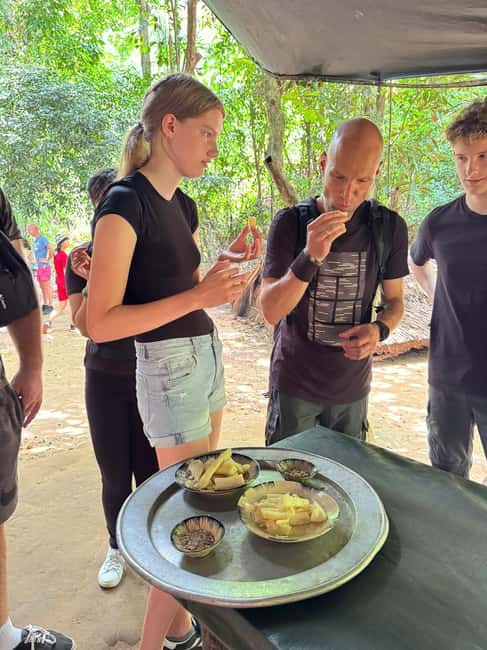
The food portion isn’t just a perk. It’s part of how the tunnel story becomes daily life instead of pure facts. The tour includes tapioca and hot Vietnamese tea, plus bottled water, crackers, and wet tissues.
Then there’s the tour’s best-known war-day snack: cassava. Eating cassava on-site does something subtle. It reminds you that survival food shaped routines and choices, not just strategy. It also helps you reset your energy after the more intense parts of the morning.
This is also where the “well-paced” feeling comes from. You get time to sit, drink something warm, and step back from the tunnels for a moment—then you can keep going with a clearer head.
The Shooting Range Add-On: AK47/M16 for an Extra Fee
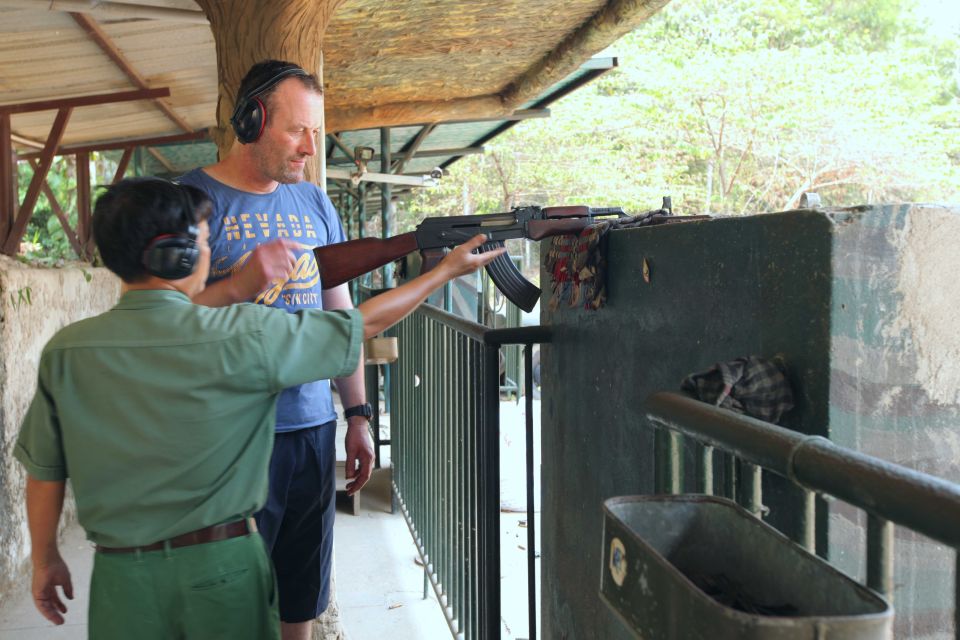
One of the more exciting options on the tour is the shooting range, where you can fire an AK47 or an M16. The key detail: it’s not included in the base price. There’s an additional fee for the shooting activity.
The range itself is short (about 15 minutes), so this isn’t a long weapons course. It’s a controlled, time-limited add-on that some people love because it adds interactivity. Others prefer to skip it and keep the day focused on the historical experience.
My advice: decide in advance what kind of experience you want. If firing a weapon would distract you from the context of the tunnels, you’ll probably enjoy the rest of the tour more by passing on it. If you do want to try it, pay attention during the safety briefing and follow staff instructions exactly.
Pickup, Timing, and Group Style: What Affects Your Comfort
This tour is built around a structured schedule. Pickup begins roughly 30 minutes to 1 hour before the tour start time, and the exact pickup time is confirmed during reconfirmation. You’re dropped back in District 1.
Duration adds up fast: you’ll spend time traveling outward, you’ll have breaks and photo stops, and inside Cu Chi you’ll do a long guided block plus free time. The plan includes a tea stop and multiple segments like guided tour, free time, self-guided walking, and a workshop-style period (listed as 2 hours).
Group size can matter a lot for comfort. Private and small-group options are available, and that can mean less squeezing on the ride to and from the site. Some people have flagged that certain vehicles can feel cramped and warm, particularly if AC struggles. If comfort is a top priority for you, choose the smaller group option when you can.
Price and Value: Why $13 Can Still Feel Like a Lot
At $13 per person, this tour is priced as a budget-friendly way to see one of Vietnam’s most visited war-related sites. The value comes from the included elements: transportation, English guide, entrance fees, bottled water, snacks, tea and tapioca, and the guided structure that makes the day understandable.
The main cost you should expect beyond the base price is the shooting range add-on. If you plan to shoot AK47 or M16, budget extra cash for that. If you don’t, you’ll still get a full day with the tunnel crawl, trap areas, and food tasting.
Also, don’t underestimate the value of having an English-speaking guide. Even when the exhibits are physical and clear, the guide connections make the visit click—especially when you’re moving through complex areas like command points, hospitals, and kitchens connected to the tunnels.
Who Should Book This Cu Chi Tour (and Who Should Skip)
This tour fits best if you:
- Want a guided historical experience that includes a hands-on tunnel crawl
- Prefer an organized day with stops for tea, snacks, and breaks
- Like learning with humor and character—many guides mentioned in feedback (like Bao, Tommy, Luna, Kelvin, and others) are described as funny and attentive to the group
You should think twice if:
- You’re sensitive to the topic of war and weapons
- You can’t handle tight spaces and heat inside tunnels
- You need wheelchair access (it’s not suitable for wheelchair users)
- You have heart problems (also listed as not suitable)
Should You Book This Tour? My Bottom-Line Advice
If you want one day in Ho Chi Minh City that’s more than museum photos, I’d book it. The tunnel crawl and trap areas are the kind of experiences that stick, and the included snacks and tea help you handle the intensity of the day. The guide quality also seems to be a huge part of what people remember—names like Bao and Tommy show up again and again for a reason.
Just go in with realistic expectations: the visit involves tight spaces, warm outdoor-to-indoor transitions, and transport comfort that can vary. If you choose the smaller group option and wear breathable clothes with closed shoes, you’ll be in a much better position to enjoy the experience.
In short: if tunnels and guerrilla warfare history are on your must-do list, this is a strong way to do it without turning the day into an expensive add-on festival.
FAQ
How long is the Cu Chi Tunnels tour?
The tour duration is about 390 minutes, starting with pickup and ending with drop-off back in Ho Chi Minh City.
What areas in Ho Chi Minh City are pickup locations?
Pickup is included from hotels in District 1, District 3, and District 4. You’ll be dropped off in the center of District 1.
Is the tunnel crawl included?
Yes. The tour includes entering and crawling through one of the Cu Chi tunnels.
Can I shoot an AK47 or M16 on this tour?
You can, but it’s an additional fee. The base tour includes the guided visit and tunnel experience; the shooting range is optional.
What food and drinks are included?
You’ll get tapioca and Vietnamese hot tea, plus crackers and bottled water.
What should I bring for the tour?
Bring comfortable shoes, comfortable clothes, a sun hat, insect repellent, and cash.
Is this tour wheelchair-friendly?
No. It’s listed as not suitable for wheelchair users.
What happens if I’m staying outside the pickup areas?
If you’re not in the pickup districts, you’ll need to make your way to Kim Travel’s office meeting point at 17 Thu Khoa Huan street, Ben Thanh Ward, District 1, HCM city.