REVIEW · HO CHI MINH CITY
Saigon Then & Now: A Bygone Cyclo Adventure
Book on Viator →Operated by Vietnam Tours VIP · Bookable on Viator
Cyclo rides turn Ho Chi Minh City into a close-up story. You pedal past major sights, stop for photos, and get short lessons that connect the French colonial look of downtown to the city’s daily life at the markets.
I especially like the cyclo format because it slows you down in traffic and lets you spot details you’d miss on a bus. The other big win is food: you get bottled water and a pho noodle soup meal that keeps the whole afternoon from feeling like a nonstop checklist.
One thing to consider: this is a lot of moving—walking inside a few sites, then hopping back onto the ride—so if you’re short on patience for crowds or road noise, plan to keep your expectations flexible with the route pace.
In This Review
- Key highlights you’ll actually feel
- Starting at Saigon Opera House, then finding Saigon at street level
- Cyclo riding that’s more than transportation
- Central Post Office: French Gothic meets daily life
- Reunification Palace: Vietnam’s 20th-century history in one stop
- Minh Phuong lacquer workshop: craftsmanship you can see up close
- Ho Thi Ky Flower Market: fast color, early energy
- Market photo stops: electronics, motorbike parts, fabric, and Cholon
- Pho 24 lunch: a scheduled break that tastes like Vietnam
- Ba Thien Hau Temple: Chinese heritage and the sea goddess Mazu
- Guides make or break a half-day
- Price and value: $74.11 for a lot of moving parts
- Who this cyclo tour suits best
- Should you book Saigon Then & Now?
- FAQ
- FAQ
- How long is the Saigon Then & Now cyclo tour?
- Where does the tour start?
- Is pickup available?
- Is the tour private?
- What’s included in the price?
- What food do you get?
- Are entrance fees included for the stops?
- What markets and areas are visited?
- What’s the main language of the tour?
- What’s the cancellation policy?
Key highlights you’ll actually feel
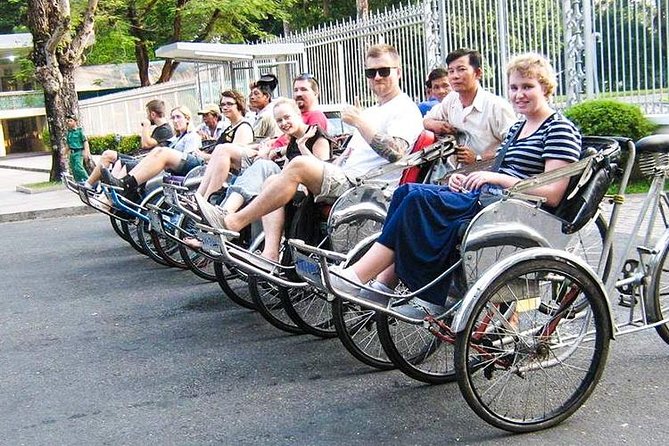
- Cyclo pedicabs for each person: you’re not crammed into one crowded ride for the whole day.
- French-era landmarks in tight stops: Central Post Office and Reunification Palace get you the big picture fast.
- Lacquer craft time: you spend real minutes at a lacquer gallery/workshop rather than a quick peek.
- Market crawl by design: flower, electronics, motorbike parts, fabric, and Cholon’s Binh Tay Market put everyday commerce front and center.
- Built-in lunch (pho): one solid meal time is scheduled, not left to chance.
- Guides named in real tours: Luc and Cici have been singled out for history and helpful, friendly service.
Starting at Saigon Opera House, then finding Saigon at street level
Most people underestimate how much your first hour shapes the whole day in Ho Chi Minh City. This tour starts at Saigon Opera House, right where District 1 feels connected, centered, and easy to navigate. From there, the plan is simple: get you onto a cyclo/ Richshow ride, then move outward to see how the city works in different neighborhoods.
The practical value here is that you’re not doing all the direction-finding yourself. Pickup is offered, and when a guide meets you promptly, it turns an afternoon of sightseeing into something that feels organized without feeling rigid. The tour is also private in the sense that it’s just your group, which usually means fewer compromises on timing and photo stops.
The ride itself matters more than it sounds. Pedicabs keep you closer to the street—watch the way people move, how shops spill onto sidewalks, and how the city’s “layers” show up block by block. You get the sense of Ho Chi Minh City as a living place, not a theme park.
You can also read our reviews of more tours and experiences in Ho Chi Minh City.



Cyclo riding that’s more than transportation
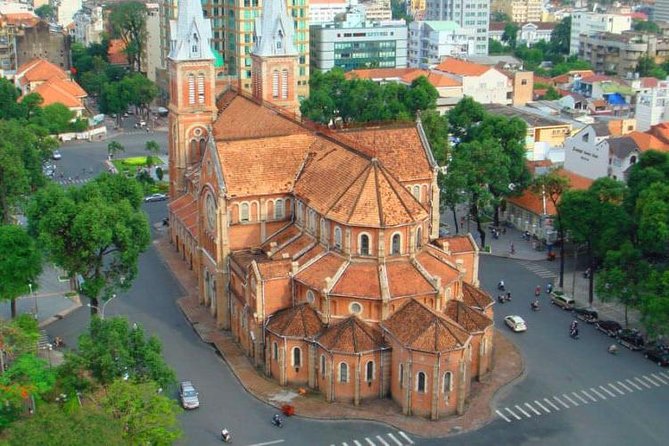
A cyclo isn’t just a ride. It’s your lens. When you travel by foot, you’re slow enough to notice details but you can burn energy fast. When you travel by car, you move fast but you miss micro-moments—small signboards, the flow of scooters, vendors calling out, and the rhythms of neighborhoods.
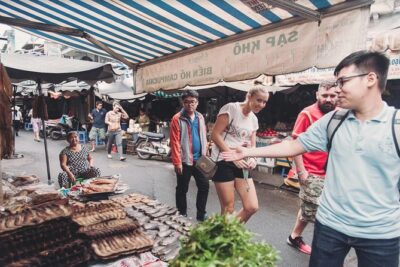
On this route, you’ll pass a list of famous market zones for photo stops such as Flower Market, Dog market, clothes market, chicken market, fish market, fruit market, and more. Even if you only take quick photos, those roadside snapshots help you connect what you see later with what you heard in the street.
Also, the tour includes entrance fees and guided explanations in English, so you’re not just staring at buildings. The point is to make the city make sense—why certain sites matter, and how commerce and culture tie together.
Central Post Office: French Gothic meets daily life
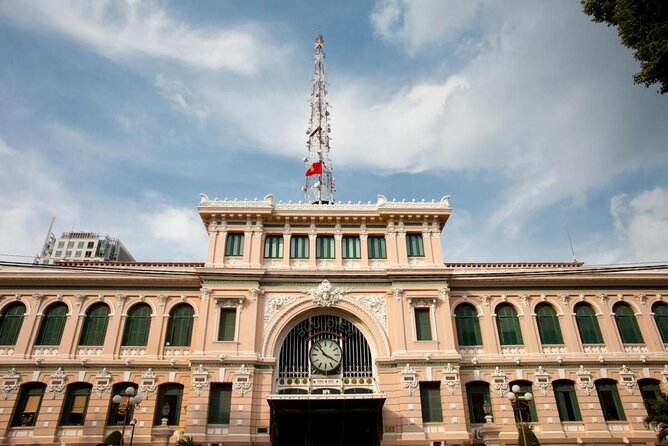
The first big “wow” stop is the Central Post Office. It’s one of those Ho Chi Minh City landmarks where the architecture makes you stop mid-sentence. The building blends French colonial and Gothic influences, so it looks like it belongs in another era—until you’re standing there in the middle of modern street life.
You’ll have a short visit time (about 5 minutes, with admission included). That might sound brief, but it’s enough to do two things well: take photos and absorb the building’s layout and style. If you love architecture, you’ll appreciate how quickly the tour gets you into place and then lets you move on rather than dragging out a stop you already understand from a quick look.
A practical tip: if you want crisp photos, stand still before you start clicking. The post office is busy around entry and exits, so you’ll get sharper results by waiting for a small gap in foot traffic.
Reunification Palace: Vietnam’s 20th-century history in one stop
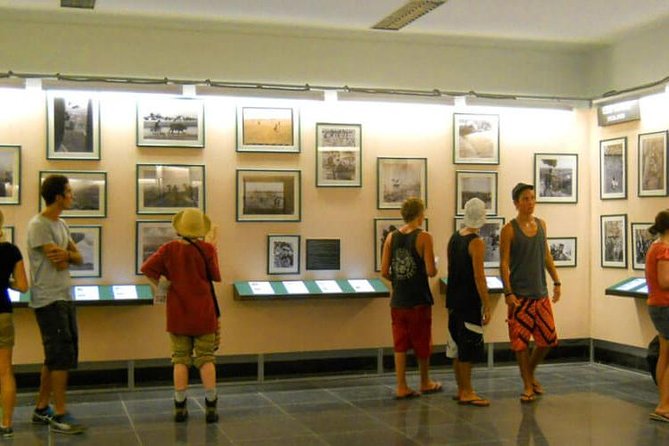
Next up is the Reunification Palace (also called Independence Palace). This is a powerful political-history site, and it’s also a great architecture lesson. The short stop (also about 5 minutes, with admission included) is designed for people who want context without turning the whole day into a museum marathon.
What makes it work on a cyclo tour is that the pace stays high but meaningful. You see a landmark connected to Vietnam’s turbulent history, then you’re back on the road looking at the city again. That contrast—history site, then street markets—helps the day feel cohesive instead of fragmented.
If you’re the type who likes to read a few key things and then look around, you’ll do well here. If you’re a “slow museum browser,” you might want extra time elsewhere—but that’s not what this tour is built for. It’s built for variety and momentum.
Minh Phuong lacquer workshop: craftsmanship you can see up close
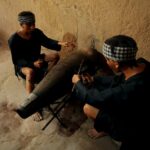
Then the tour slows slightly at Minh Phuong Lacquer (Dai Viet Lacquerware). You get about 30 minutes here, with admission included. This isn’t a generic cultural photo stop. It’s a chance to watch and learn about lacquer artistry, which is one of those Vietnamese traditions that’s hard to fully appreciate from pictures alone.
In a half-day itinerary packed with markets and street scenes, I like that this is the “hands-on eye” break. You’re not only seeing objects; you’re learning how the craft fits into local life. Even if you don’t plan to buy anything, this stop helps you understand why certain items look the way they do and why lacquer is valued.
One small consideration: if you’re determined to avoid shops and sales pitches, keep your expectations flexible. The visit is part workshop/gallery time, so you might encounter sales pressure. You can still enjoy it by treating it like a mini exhibit—look, ask one or two questions, and decide later.



Ho Thi Ky Flower Market: fast color, early energy
The route includes Ho Thi Ky Flower Market (about a 10-minute stop, admission included). This is the kind of market that looks dramatic even when you only spend a little time there—bright colors, stacked blooms, and a fast-moving flow of shoppers and sellers.
This is a good stop for two reasons:
- It’s quick enough not to derail your overall schedule.
- It gives you a sensory baseline for the markets later on.
If you’re photographing, choose one angle first, then shoot. Trying to reposition every second will make you miss the flow of the market, and you’ll end up with a lot of half-focused photos.
Market photo stops: electronics, motorbike parts, fabric, and Cholon
After the flower market, the tour shifts into a very Saigon style of travel: specialized markets. You’ll pass through or stop around areas like:
- Nhat Tao Electronics Market: described as a major hub for electronics and spare parts, with the nickname Silicon Valley of Saigon.
- Tan Motorbike Spare Parts Market: one of the city’s best-known places for motorcycle components and accessories, with decades of history.
- Soai Kinh Lam Fabric Market: a large fabric hub in District 5 with hundreds of stalls.
- Binh Tay Market in Cholon: a historical marketplace established in the 1920s, with strong cultural character and architectural interest.
Here’s why I think this part of the itinerary is smart. Many “sightseeing tours” focus on monuments and ignore the machine that keeps a city running: supply chains, repair culture, and everyday buying. Markets like these show you how people handle work, family needs, and daily maintenance.
Also, the cyclo ride makes these stops easier to stomach than a full walk. You still get close, but you don’t have to cover every meter on foot.
Possible drawback: market areas can be crowded and a bit chaotic. If you don’t like squeezing past stalls or if you get overwhelmed by visual noise, treat this as “look and learn,” not “wander and linger.” The itinerary structure keeps it from turning into a long endurance test.
Pho 24 lunch: a scheduled break that tastes like Vietnam

After all that visual input, the tour gives you something grounding: Pho 24 (about 45 minutes, admission ticket included as part of the tour package). You’ll get pho noodle soup, plus bottled water. This is a good deal because it’s not just food—it’s timing.
In cities like Ho Chi Minh City, lunch timing is where tours usually stumble. You end up either eating too early, too late, or at a place you wouldn’t choose. By scheduling pho as part of the plan, you can relax for long enough to reset.
Pho is also a smart menu choice because it fits the day’s vibe. The markets and historical stops are intense. Pho is comfort food that keeps you from turning cranky before the last temple stop.
Practical tip: if you’re sensitive to spice, tell your guide before you order. The tour includes your meal, so you’re usually guided toward what’s easiest and most standard.
Ba Thien Hau Temple: Chinese heritage and the sea goddess Mazu
The final major cultural stop is Ba Thien Hau Temple in District 5, with about 30 minutes allocated. This temple is dedicated to the sea goddess Mazu, and it was built by Chinese immigrants in the early 19th century.
This is a valuable way to end the tour because it adds another layer to Saigon’s cultural makeup. Ho Chi Minh City is often discussed in terms of Vietnamese history and French colonial influence, but temples like this show how multiple communities shaped the city’s spiritual and social life.
If you like religious architecture, you’ll appreciate the visual differences from the French-influenced buildings earlier in the day. And even if you’re not a temple person, the explanation makes it easier to understand what you’re seeing and why it matters locally.
Also, your time here is long enough for a real look, not just a quick snapshot.
Guides make or break a half-day
The itinerary is packed, but the human factor is where it really earns its reputation. Two guides stand out in the information provided: Luc and Cici.
Luc is mentioned for meeting on time and for being strong at history explanations. He also handled kids questions, which is a big signal for families or anyone who likes interactive explanations instead of a lecture-only style.
Cici is described as thoughtful and helpful, with brilliant knowledge and an easygoing approach. That combination matters on a tour like this because you’re bouncing between very different places—post office, palace, lacquer art, markets, and a temple. A good guide helps you connect the dots instead of letting the day feel like a string of separate stops.
If you care about learning (even a little), this tour rewards that mindset. If you’re more “just show me photos,” the guide still helps, but your enjoyment will depend more on how much you like markets and street culture.
Price and value: $74.11 for a lot of moving parts
At about $74.11 per person for roughly 4 hours, this is not a budget transfer. But it’s also not priced like an all-day private driver with endless stops. The value comes from what’s included:
- Entrance fees covered
- English speaking tour guide
- One cyclo/ Richshow for each
- Bottled water and pho noodle soup
That combination is important. Entrance fees add up quickly when you visit multiple sites, and paid guided explanations make the tour more than a transportation service. The food inclusion is also a real savings because you don’t have to gamble on where to eat between markets.
The only true cost add-ons are tips/gratuities and personal expenses, which is standard for tours like this.
For most people, the best “value move” is to arrive with a plan: wear comfortable shoes, be ready for short walking bits, and keep your phone camera charged. You’ll feel like you got your money’s worth by using the guided time well.
Who this cyclo tour suits best
This is a great match if you:
- want a half-day orientation to Ho Chi Minh City without planning every hop
- like history that’s connected to what’s happening on the street
- enjoy markets but don’t want to manage logistics alone
- want a scheduled meal instead of improvising lunch
It may be less ideal if you:
- need very slow pacing and long museum time
- dislike crowded market conditions
- are uncomfortable with road noise and constant city movement
Should you book Saigon Then & Now?
If your goal is to get a strong picture of Ho Chi Minh City in just a few hours, I’d book it. The mix of French-era landmarks, lacquer craft time, specialized markets, and a temple stop gives you variety without losing structure.
The biggest reason to choose this tour is the pairing of cyclo riding with guided stops and included entry fees. You get movement, context, and food in one package, which makes the day feel efficient rather than rushed.
If you want your sightseeing to be more like street learning than museum hours, this one fits well.
FAQ
FAQ
How long is the Saigon Then & Now cyclo tour?
The tour runs for about 4 hours.
Where does the tour start?
It starts at Saigon Opera House, at 07 Công trường Lam Sơn, Bến Nghé, Quận 1, Hồ Chí Minh 710212, Vietnam.
Is pickup available?
Yes, pickup is offered.
Is the tour private?
Yes, it is private, meaning only your group participates.
What’s included in the price?
Included items are bottled water and pho noodle soup, an English speaking tour guide, one cyclo/ Richshow for each, and entrance fees.
What food do you get?
You get pho noodle soup.
Are entrance fees included for the stops?
Yes, entrance fees are included as part of the tour.
What markets and areas are visited?
You’ll include places such as Ho Thi Ky Flower Market, Nhat tao Electronics Market, Tan Motorbike Spare Parts Market, Soai Kinh Lam Fabric Market, and Binh Tay Market, along with photo stops around market areas.
What’s the main language of the tour?
The tour guide speaks English.
What’s the cancellation policy?
Cancellation is free. You can cancel up to 24 hours in advance for a full refund. If you cancel less than 24 hours before the start time, you don’t get a refund.