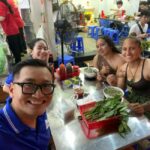
Eating your way through vegetables is the point here. This Healthy Vegetarian course in Ho Chi Minh City pairs Ben Thanh Market shopping with a chef-led, hands-on cooking session built around Asian flavors and basic techniques, not weird meat substitutes. I like that the plan moves in the right order—pick the ingredients first, then learn how to turn them into meals.
The two biggest wins are the market-to-table format and the step-by-step instruction so you can actually repeat what you learn at home. I also see strong praise for guides like Quy, especially for explaining how Vietnamese foods are used in cooking. One drawback to consider: the market visit is only in the morning session, and afternoon/evening bookings won’t include that ingredient-shopping walk.
In This Review
- Key highlights I’d plan around
- Ben Thanh Market Morning: Picking Ingredients for Healthy Vegetarian Cooking
- Meeting Point to Kitchen Lesson: How the Course Stays Practical
- Your Hands-on Cooking Session: Learning Basic Methods That Translate
- Lunch or Dinner Feast: Enjoying What You Made (Without the Restaurant Noise)
- What You’ll Take Home: Recipes, Certificate, and a Food Souvenir
- Price and Value: Why $48.21 Can Make Sense Here
- Who Should Book This Healthy Vegetarian Course (And Who Might Skip It)
- Should You Book This Cooking Class in Ho Chi Minh City?
- FAQ
- FAQ
- Where does the Healthy Vegetarian course start and end?
- How long is the cooking experience?
- Is there a market visit?
- Do afternoon and evening bookings include the market visit?
- What meal is included?
- Is the tour private?
- Do you cook during the class?
- What do I receive at the end?
- Is transportation included?
- How do I get tickets?
- What’s the price per person?
Key highlights I’d plan around
- Ben Thanh Market shopping with a focus on selecting fresh produce and ingredients
- Hands-on cooking where you participate in each step, not just watch
- A lunch or dinner feast with your finished dishes in a convivial setting
- Asian-flavor vegetarian technique that helps you build meals without meat substitutes
- Take-home materials: manual recipes, a certificate, and a souvenir gift
- Private tour format: only your group participates
Ben Thanh Market Morning: Picking Ingredients for Healthy Vegetarian Cooking
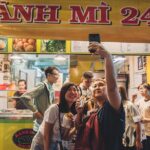
Most cooking classes start when you walk into a kitchen. This one starts while the food is still alive—at Ben Thanh Market. You meet at Ben Thanh Market in District 1, and then you head in with the chef to see how the market works and what ingredients matter.
This part is more than sightseeing. It’s where you learn the kind of practical food sense that’s hard to copy from recipes. In the best moments of the experience, you’ll see how vendors arrange ingredients and where you might find specific produce or Vietnamese staples. Even one review highlighted how the market guidance helped them understand which sections to look at, and what to check for when choosing fruit.
Here’s the payoff for you: if you can shop with the right questions—what’s fresh, what’s in season, what ingredients go together—then your future home-cooking gets easier fast. Vietnamese vegetarian food often depends on balance: herbs, aromatics, acidity, and the way vegetables hold flavor when stir-fried, simmered, or combined in sauces.
One more detail that helps the morning feel complete: you start with a welcome drink and hear the Kitchen God story. That adds context to why certain ingredients and flavors show up in everyday Vietnamese cooking and in seasonal food culture.
You can also read our reviews of more tours and experiences in Ho Chi Minh City.


Meeting Point to Kitchen Lesson: How the Course Stays Practical
After the market portion, you move into the cooking session led by the team at Mai Home – The Saigon Culinary Art Centre. The class is structured around teaching you how to cook vegan and vegetarian meals using Asian flavors and cooking techniques—then walking you through the core methods you can reuse later.
I like that the course doesn’t treat vegetarian cooking as a “substitute everything” puzzle. The whole idea is to incorporate more vegetables naturally, using the same flavor logic you’d use for traditional Vietnamese dishes—broths, aromatics, herbs, and simple sauces that make vegetables taste like food, not just healthy filler.
You also get a clear rhythm to the class. The format is hands-on: you participate in each step so the techniques stick. That matters because most cooking lessons fail at transfer. You come home able to remember the dishes, but not the process. This one is trying to solve that problem by teaching methods, not only plating.
Timing is also set for focus. The session runs about 3 hours, and it ends back at the meeting point, so you’re not stuck thinking about logistics while your food is on the way.
Your Hands-on Cooking Session: Learning Basic Methods That Translate
The cooking portion is where you’ll feel the class earn its value. The course covers basic cooking methods, and you’ll work step-by-step with guidance rather than just receiving a lecture. You’re not only learning what to make—you’re learning how to make it.
Because menus vary day to day, you shouldn’t expect a fixed set of dishes. What you can expect is variety in the type of courses and the overall menu direction, with options for different course types depending on what you choose.
A key benefit here: you’re being trained on technique. In Vietnamese cooking, the difference between “good” and “wow” often comes from a few repeatable actions:
- how you prep vegetables so they cook evenly
- when you add aromatics for fragrance
- how you balance flavors with acidity and herbs
- how you treat sauces so they coat rather than taste flat
The structure helps you build those instincts. And because you’re actually doing the cooking, you’ll remember the steps better when you go home and try to re-create them in your own kitchen.
From the experience notes, you’ll also receive manual recipes at the end. That’s important. A lot of cooking classes hand you a card with a list. Here, the goal is that you can follow a real set of instructions back home—especially helpful if you cook without the exact same Vietnamese ingredients every time.
Lunch or Dinner Feast: Enjoying What You Made (Without the Restaurant Noise)
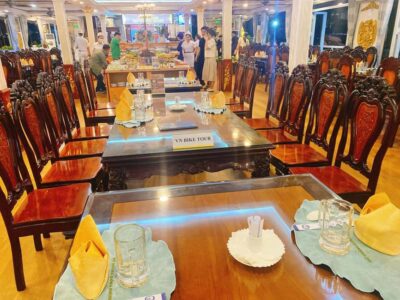
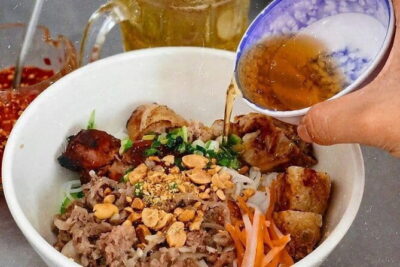
At the end, you sit down for a feast—the kind of shared meal that turns cooking into a memory. Instead of rushing out after class, you get to taste what you made in a convivial setting with the other participants.
That shared table is a big part of why this kind of class works. You’re not eating alone and asking yourself if the food actually turned out right. You’re tasting with context: you watched the steps, you did the work, and now you get to see how it all comes together.
If you book an afternoon or evening time slot, your included meal shifts to lunch or dinner depending on booking time. One practical thing to know: the market visit is only part of the morning session. So in non-morning bookings, you’re mostly relying on what the chef provides for ingredients. Still, the feast portion is part of the core experience.
I also like that this isn’t positioned as a performance. It’s framed as learning, then eating, then taking the knowledge home. You leave with more than photos—you leave with a set of methods and a menu style you can repeat.
What You’ll Take Home: Recipes, Certificate, and a Food Souvenir
The best souvenir from this course is internal: skills you can use. But you also get tangible take-home items that make it feel complete.
Included materials are:
- a manual recipe set
- a certificate
- a souvenir gift
- cooking utensils
The utensils inclusion is a small detail that can matter more than you’d think. If you cook even a little at home, tools and familiar processes reduce friction. And the manual recipes make it much easier to recreate the dishes without guessing.
Even one review story centered on learning Vietnamese foods and how they’re used in cooking. That’s the kind of gift you can use every time you shop for vegetables and herbs. You’ll start thinking like a cook: what flavors work together, how vegetables respond to heat, and how Vietnamese dishes build depth without heavy reliance on meat.



Price and Value: Why $48.21 Can Make Sense Here
At $48.21 per person for about 3 hours, this can be a strong value if you want more than a quick “taste and go.” The price isn’t just for cooking. You’re paying for the full package:
- Ben Thanh Market ingredient shopping (in morning sessions)
- chef-led instruction while you cook
- an included lunch or dinner
- take-home recipes, certificate, and a souvenir
- cooking utensils
- a private tour/activity format for your group
- a mobile ticket
What makes it feel worth it is that you’re buying time plus translation. Market knowledge, technique coaching, and recipe materials are hard to recreate on your own unless you already have a local mentor and shopping plan.
One caution: private transportation isn’t included. So if you’re staying farther from District 1 or don’t plan your transit carefully, factor in getting to the meeting point. The good news is the meeting area is near public transportation, and the experience ends back at the meeting point.
Also note the pacing. Three hours is enough to learn meaningful technique and still eat together, but it’s not a long-term cooking boot camp. If you’re hoping for an all-day deep training session, this may feel short. If you want a focused class with practical payoff, it’s a good length.
Who Should Book This Healthy Vegetarian Course (And Who Might Skip It)
This course is ideal if you:
- want vegetarian or vegan cooking that doesn’t rely on meat substitutes
- like learning by doing, with step-by-step guidance
- plan to cook at home and want recipes you can follow
- enjoy market experiences tied directly to what you’ll eat
It’s also a nice fit for couples, friends, or anyone who likes a smaller, private-group vibe, since it’s listed as a private tour/activity where only your group participates.
You might consider skipping if:
- you’re booking an afternoon or evening slot expecting market shopping too (market visit is morning only)
- you don’t want to shop for or think about ingredients and would rather start directly in the kitchen
- you’re set on a very specific dish list (menus can vary by day and course choices)
Should You Book This Cooking Class in Ho Chi Minh City?
If you want an authentic, practical way to bring Vietnamese vegetarian cooking home, I’d book it. The best reason is simple: you’re not just learning flavors—you’re learning the process, starting with Ben Thanh ingredient picking and finishing with a meal you made yourself.
I’d especially choose the morning session if you can. That’s when you get the market walk, the ingredient guidance, and the added story that frames why certain flavors show up in daily Vietnamese cooking.
If you’re short on time and can only do later in the day, don’t automatically rule it out. You’ll still get hands-on instruction and the feast, just without the fresh-stall market visit.
FAQ
FAQ
Where does the Healthy Vegetarian course start and end?
It starts at Ben Thanh Market (Ben Thanh, District 1, Ho Chi Minh City) and ends back at the meeting point.
How long is the cooking experience?
It lasts about 3 hours.
Is there a market visit?
Yes, the market visit is included only in the morning session.
Do afternoon and evening bookings include the market visit?
No. After Covid-19, fresh food stalls are closed at 12.00pm, so there’s no market visit for afternoon and evening sessions.
What meal is included?
Lunch or dinner is included depending on your booking time.
Is the tour private?
Yes. It’s listed as a private tour/activity, so only your group will participate.
Do you cook during the class?
Yes. You participate in each step so you can master techniques at home.
What do I receive at the end?
You receive manual recipes, a certificate, and a souvenir gift (along with cooking utensils).
Is transportation included?
No private transportation is included.
How do I get tickets?
You’ll use a mobile ticket.
What’s the price per person?
The price is $48.21 per person.