REVIEW · HO CHI MINH CITY
From Ho Chi Minh: Cu Chi Tunnels & Mekong Delta Full Day
Book on GetYourGuide →Operated by Travel & Explore In Vietnam · Bookable on GetYourGuide
One day, two Vietnams. You’ll start with the Cu Chi Tunnels underground “spider web,” then switch to the calmer Mekong countryside by boat and rowboat.
I love the hands-on part, like going inside the narrow tunnel and tasting tapioca cooked in a smoke-hiding stove. I also love the later change of pace on the Mekong, with honey tea, fresh fruit, coconut candy, and folk music. A possible drawback: it’s a long full day, and if you want the shooting range experience, there’s an extra bullet fee.
In This Review
- Key points before you go
- Cu Chi Tunnels: crawling the underground city built to hide
- Narrow tunnels, documentaries, and camouflage lessons
- Optional shooting at the range and tapioca at the Hoang Cam stove
- Mekong Delta by boat: the river locals call their mother
- Coconut candy, fresh fruit, honey tea, and folk music
- Rowing canals and the full plate of hometown dishes
- Price, what’s included, and where extra costs can appear
- Who this Ho Chi Minh full-day Cu Chi and Mekong trip fits best
- Should you book? My practical take
- FAQ
- How long is the tour?
- Where does pickup and drop-off happen?
- What languages are available for the tour guide?
- What’s included in the $49 price?
- Is there an extra cost for the shooting range?
- Is there free cancellation?
Key points before you go
- Cu Chi Tunnel crawling lets you experience the tight, hidden life guerrillas relied on
- Documentary footage gives context on the war with authentic, recorded material
- Hoang Cam stove tapioca is a small food stop with a big story behind it
- Mekong River boat time shows how locals fish, farm, and live alongside the water
- Coconut candy + fruit gardens adds hands-on tasting beyond a quick photo stop
- Optional shooting costs extra if you want the AK-47 / M-60 range experience
Cu Chi Tunnels: crawling the underground city built to hide
Cu Chi is one of those places where history stops being abstract. The tunnels are described like a spider web, a complex network built so people could move, hide, and survive underground. On this day trip, you go beyond looking at models or watching a documentary clip in a room. You actually get access that helps you understand how close and cramped life underground really was.
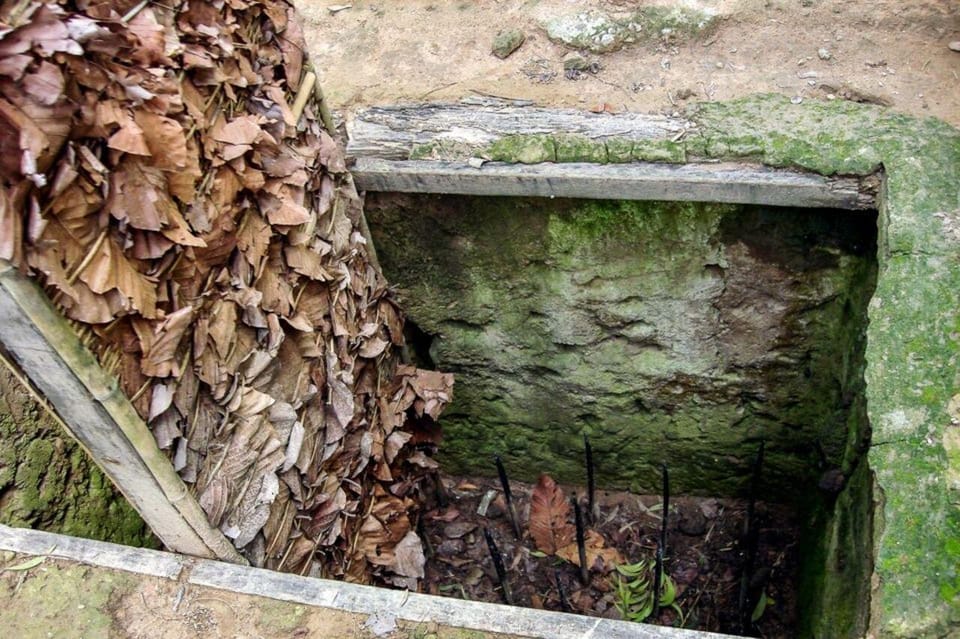
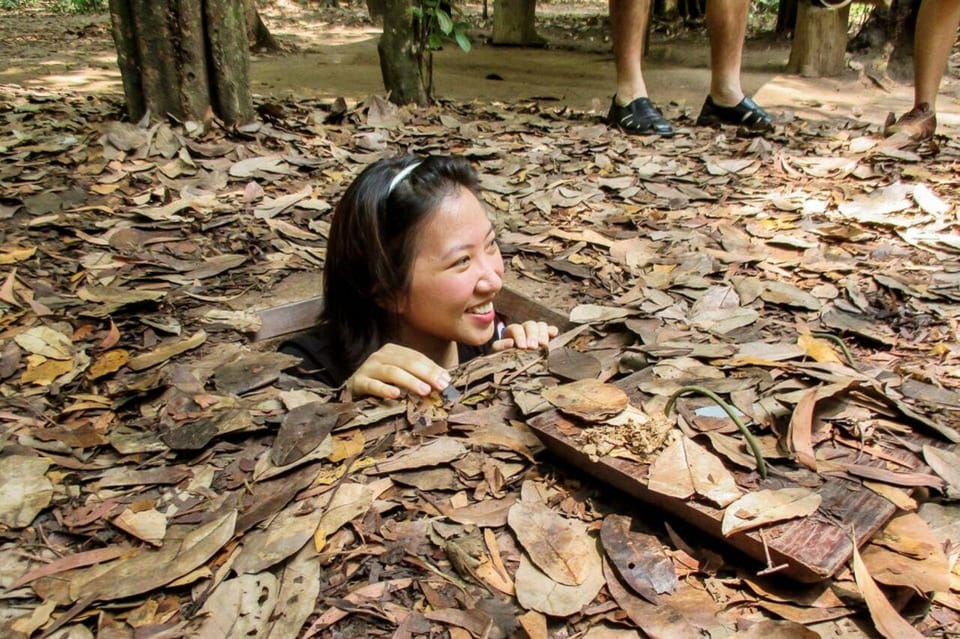
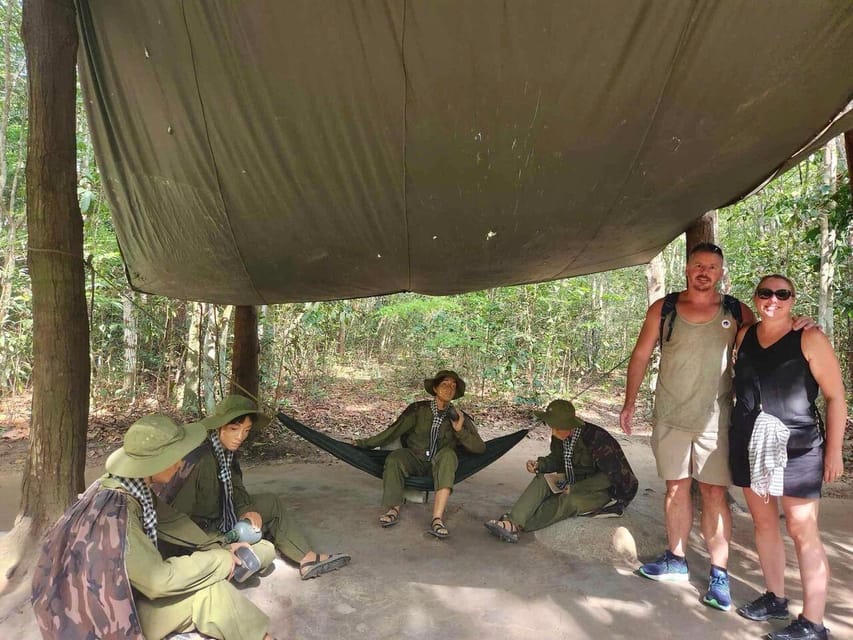
The tour frames the tunnels as more than “cool Vietnam footage.” It’s about daily survival and strategy during wartime. You’ll see how guerrillas used camouflage, including leaves to blend into the environment, and how they created secret refuge spaces. Even if you’ve read the basics before, crawling through the narrow tunnel sections makes the lessons feel immediate.
One practical thing to know: you’re doing both the tunnel experience and the Mekong countryside later. That means the day has two very different moods—somber, then peaceful—so plan to pace yourself.
You can also read our reviews of more tours and experiences in Ho Chi Minh City
Narrow tunnels, documentaries, and camouflage lessons
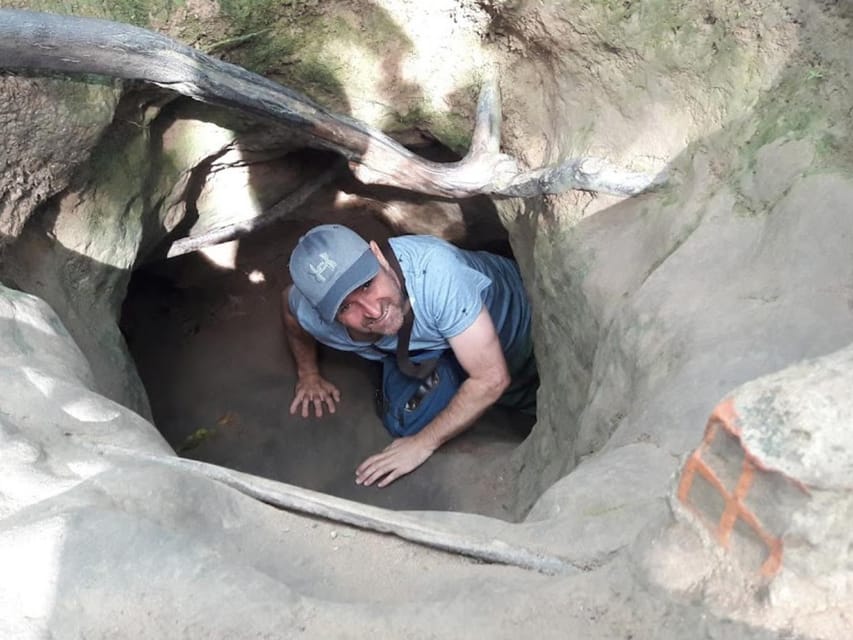
Inside Cu Chi, the goal is clarity: how people lived, resisted, and fought while staying hidden. You’ll be guided through what the tunnels were used for, including how an underground city functioned during intense conflict. The “why” matters here. This isn’t just a tourist maze. It’s a system built to reduce detection and keep operations going.
A highlight in the tunnel area is the combination of physical exploration and short documentary-style viewing. The tour includes authentic footage recorded during the war, shown through short documentaries and real recorded scenes. That mix is valuable because you’re not only experiencing the space—you’re also getting context for what the space meant.
Another detail I appreciated is the focus on camouflage techniques. The tour specifically mentions guerrillas using leaves to disguise themselves. Even if you don’t linger over battlefield tactics, it helps you connect what you’re seeing (hidden routes) to the broader idea (staying unseen).
Optional shooting at the range and tapioca at the Hoang Cam stove
At Cu Chi, you can add a shooting range experience, but it’s not included in the base price. The tour lists an extra bullet fee: roughly 600,000vnd for a pack of 10 bullets. If you want to try it, treat that as a budget line item, not a surprise.
If you decide to shoot, you’ll have the option to handle real famous guns such as AK-47 and M-60 (with the required bullet purchase). This is one of those attractions that isn’t for everyone. Some people see it as a way to understand the era; others prefer to keep the day focused purely on the tunnels and stories. Either way, you’re still getting the full tunnel and history experience.
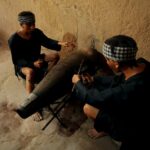
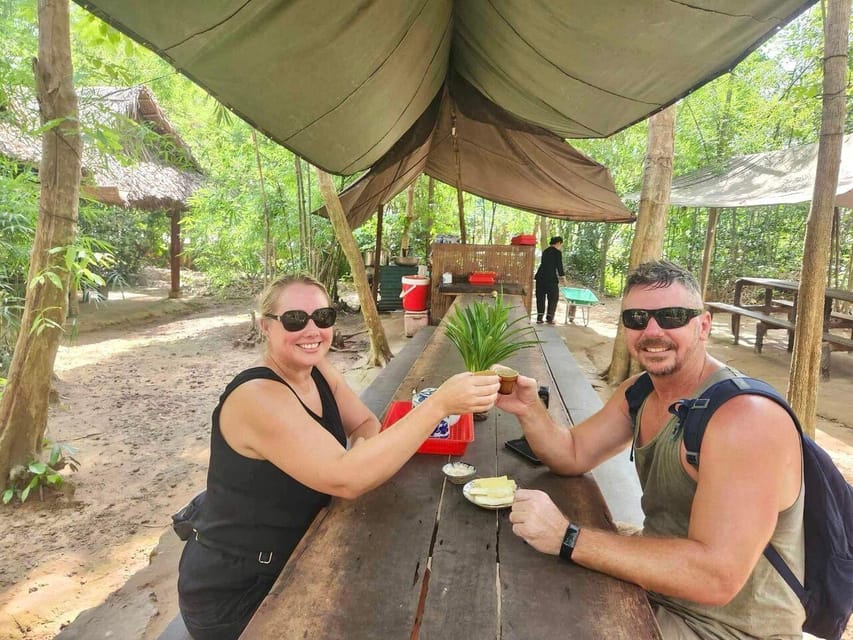
Then comes one of the most memorable “small stops with meaning”: tapioca cooked by a stove called Hoang Cam. The tour notes it has the ability to hide smoke. That matters because it ties food to survival. You’re not just tasting snack-treasure. You’re tasting a detail that connects daily needs to the hidden life underground.
Mekong Delta by boat: the river locals call their mother
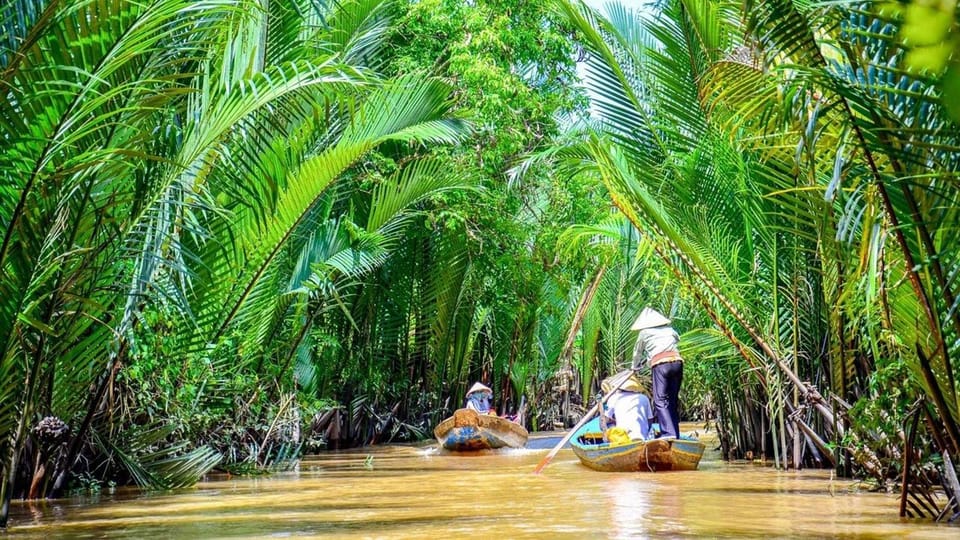
After Cu Chi, the day shifts gears. The Mekong Delta portion is designed as a relaxation-minded countryside experience. The tour describes it as a land of peace, and that tone shows up in the activities: boats, villages, gardens, folk music, and time on the water.
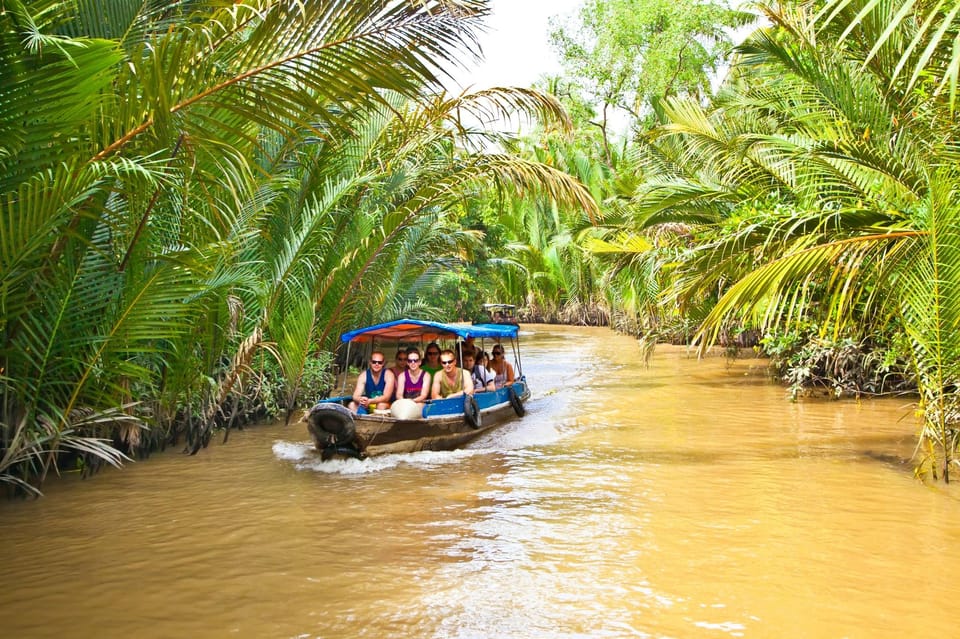
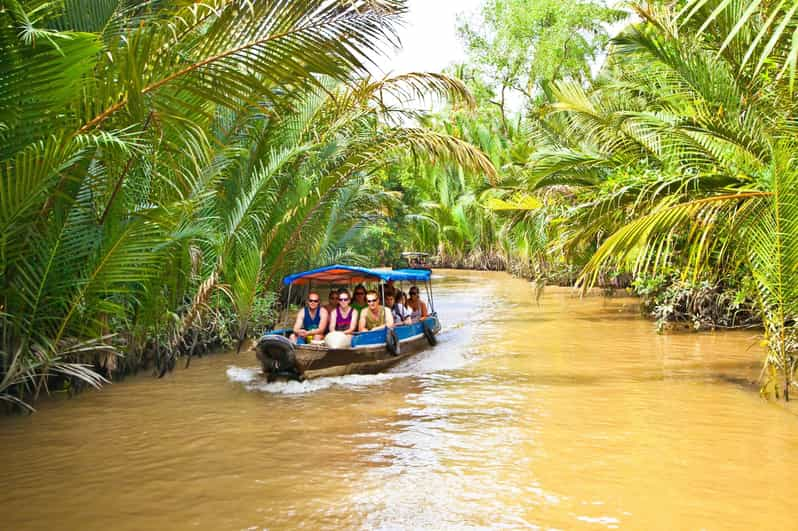
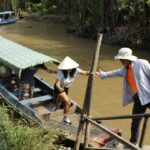
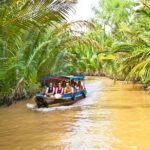
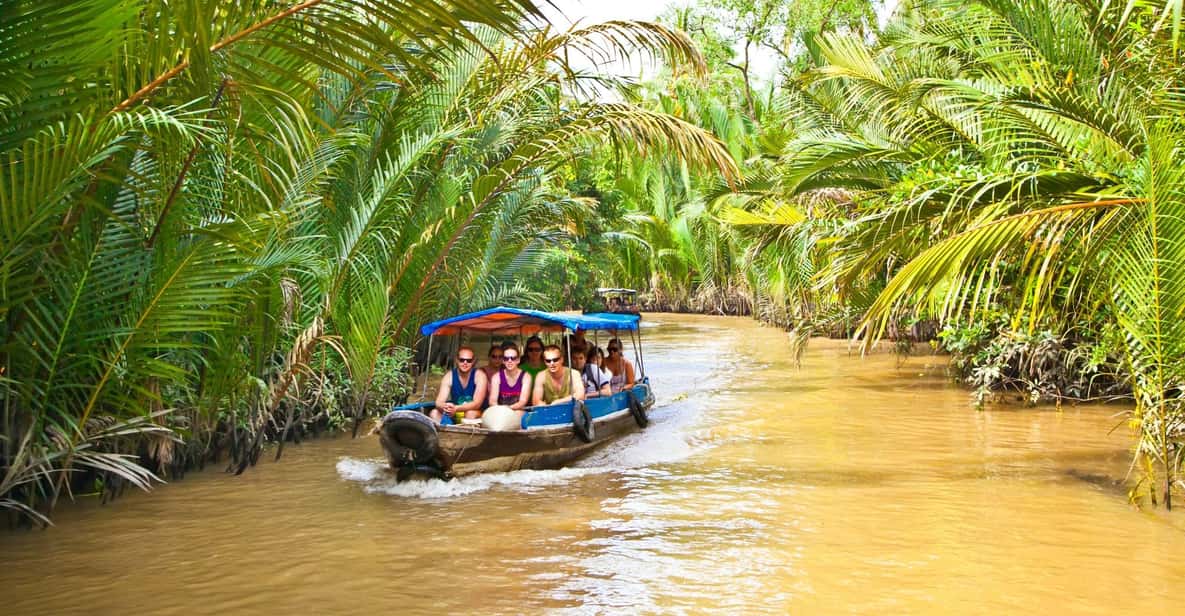
You’ll take a cruise on the Mekong River, then also spend time on a rowing boat through shaded canal areas. That combination is smart. On a larger river cruise, you see the broader rhythm—fisherman’s ports and the way the river moves. On the smaller canals, the trip feels more intimate and slower, like you’re moving with the village pace instead of through it.
The tour also frames the Mekong as the “mother” of southern Vietnam, a name locals use because the river supports fishing, watering, and farming. You’ll see large-scale fishing as a concept as well, including mention of fish weighing nearly 100 kg in this region. Even if you don’t see giant fish hauled in during your ride, hearing how important the river is changes how you look at the water.
And yes, the boat scenes are photo-friendly. The tour highlights the romantic, poetic view you’ll get from the water, including alluvial flow and port activity. If you like travel photos with real life in them, this is where you get them.
Coconut candy, fresh fruit, honey tea, and folk music
This Mekong section is built around taste and sound, not just scenery. You’ll visit a coconut candy production site and watch how Vietnamese make it, then sample the flavors available there. Coconut candy is one of those things that turns out way more interesting once you see the process instead of just buying a bag at the airport.
Next to the candy, you’ll have time for garden-based tasting: seasonal tropical fruits picked right in the garden. That’s the kind of detail that makes the Mekong feel more local and less staged, because you’re not only eating—you’re getting a sense of where the ingredients come from.
The tour also includes honey tea and Vietnamese folk music. In practice, that means you’re not stuck in a quiet boat all day. You get moments where local singing and music sit alongside your food. The tour specifically mentions sweet singing by local people, which is a big part of why this segment works for many visitors—it feels like you’re sharing an evening mood, even if it’s still daytime.
If you prefer hands-on travel (tasting, listening, observing), these stops are a good payoff for a day trip. If you only want museum-style culture, you might find this section lighter—but it’s still culture, just the everyday kind.



Rowing canals and the full plate of hometown dishes
After the larger boat time and the food-and-music portion, you’ll walk through peaceful villages and fruit gardens. The tour describes a rustic atmosphere and a sense of calm that helps you reset after the weighty Cu Chi portion. This walking time isn’t just for views. It’s there to help you understand how daily life connects to the gardens, waterways, and farming that the Mekong supports.
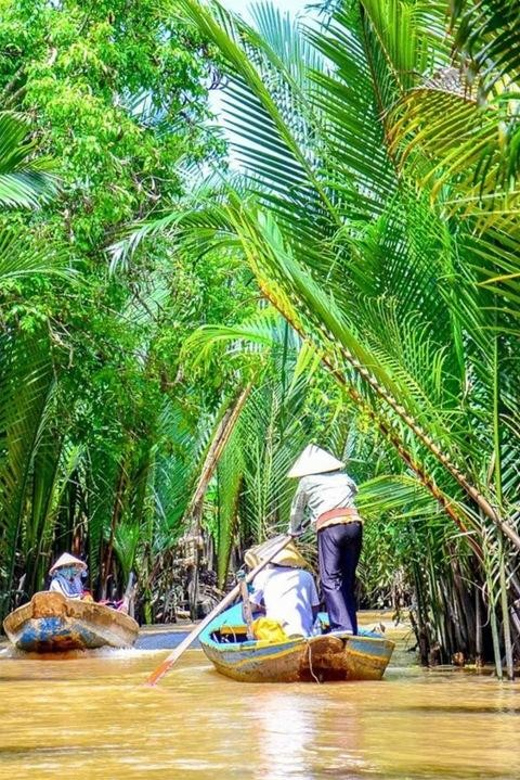
Then comes the relaxed highlight: rowing along small canals through a maze-like system of shaded waterways. The tour describes the rowing experience as peaceful, and the “maze” idea matters because these canals feel like a network, much like the tunnels—but with a completely different energy.
At the end, you’ll enjoy a meal with 8 dishes described as rich in hometown flavors, designed to feel both satisfying and carefully prepared. The exact dish names aren’t listed, but the structure tells you what to expect: a multi-dish lunch/meal experience rather than a single plate. That’s often the difference between a cheap day trip and a day trip that feels complete.
One more practical point: lunch is included, and you’ll also have a light snack at Cu Chi (tapioca and tea). The tour lists other meals as not included, so if you’re the type who snacks often, you’ll want to watch your spending after those included moments.
Price, what’s included, and where extra costs can appear
At $49 per person, this day trip looks like it’s priced for good value if you want a full Ho Chi Minh City experience in one go. You’re getting pickup and drop-off, an English-speaking tour guide, entrance fees, lunch at a restaurant, bottled water, and a light snack at Cu Chi (tapioca and tea). For many visitors, that “set package” helps control cost and reduces planning stress.
The extra costs are straightforward:
- Shooting bullets at the Cu Chi range: about 600,000vnd per 10-bullet pack
- Holiday surcharge: 30% total price on holidays in Vietnam
- Any meals beyond the included lunch and the light snack
So the real question is whether you want the shooting range experience. If yes, budget for it and treat the base fare as the foundation. If no, the trip stays more predictable.
Also, starting times can vary. The tour notes duration as 1 day with check availability for start times. That matters if you’re planning other activities in Ho Chi Minh City the same day, because you’ll want a bit of buffer.
Finally, the tour includes guide support across multiple languages. It lists English speaking as included, with a surcharge for other languages. The available languages include Chinese, Japanese, French, Italian, Spanish, Korean, Russian, and German. Private group availability is also offered, which can be helpful if you want quieter pacing or you’re traveling with family.
Who this Ho Chi Minh full-day Cu Chi and Mekong trip fits best
This is a strong match if you want history and everyday life in one day. Cu Chi hits the Vietnamese wartime story through real tunnel spaces, camouflage explanations, documentary footage, and an era-connected snack. Then the Mekong switches the tone into countryside calm with boats, gardens, and cultural music.
I’d especially recommend it if:
- You like hands-on experiences rather than only viewing exhibits
- You want a day that balances meaning and relaxation
- You enjoy food culture: coconut candy, fresh fruit, honey tea, and multi-dish local meals
- You’re okay with a full day that moves from somber to serene
It may not be ideal if:
- You dislike tight spaces or claustrophobic settings, because the tunnel experience includes going inside a narrow tunnel
- You only want light sightseeing and zero history, because Cu Chi is a central part of the trip
- You’re sensitive to added fees, since optional shooting requires extra bullet purchase
One more plus: this tour is positioned as a service-focused day trip, including hotel-area pickup and guide support. The experience emphasizes friendly, clear guidance—important on a day that involves both learning and active movement.
Should you book? My practical take
I think you should book this tour if your priority is to see two sides of Vietnam in a single full day: Cu Chi for grounded wartime context and the Mekong Delta for countryside calm and food-and-music culture. At $49, the included pickup, entrance fees, lunch, and the Cu Chi snack make it feel like a solid value rather than a scatter of paid add-ons.
But decide based on one key factor: the tunnel and the optional range. If you’re comfortable with narrow spaces and you’re curious about the war-era details, this will likely land well. If you’re not into tight crawling or you definitely don’t want shooting, you can still enjoy most of the day—just skip the bullet range budgeting.
If you want, tell me your travel dates and whether you want the shooting range. I can help you figure out whether the likely total cost (including bullets if applicable) still feels like your kind of value.
FAQ
How long is the tour?
The tour runs for 1 day. Starting times vary, so you’ll need to check availability for the schedule.
Where does pickup and drop-off happen?
The tour includes pickup and drop-off at the center of Saigon, with the guide picking you up in front of your hotel.
What languages are available for the tour guide?
English is listed as included. Other languages are available with a surcharge: Chinese, Japanese, French, Italian, Spanish, Korean, Russian, and German.
What’s included in the $49 price?
Included items are pickup and drop-off, an English-speaking tour guide, lunch, bottled water, entrance fees, and a light snack with tapioca and tea at Cu Chi.
Is there an extra cost for the shooting range?
Yes. Bullet fees at the Cu Chi shooting range are not included, and the price is listed as roughly 600,000vnd per pack of 10 bullets.
Is there free cancellation?
Yes. You can cancel up to 24 hours in advance for a full refund.