REVIEW · HO CHI MINH CITY
The River’s Edge Photo Tour
Book on Viator →Operated by Vietnam in Focus - Day Tours · Bookable on Viator
Morning boats, better photos. This 4-hour photo walk in Ho Chi Minh City turns the river edge into a full shooting plan, from working canals to floating village houseboats and the Saigon skyline. You’ll get composition guidance and story-building tips aimed at making your pictures feel like they belong together.
I like the small group size (max 6), which makes it easier to get hands-on help without feeling rushed. I also like that the guide is a professional photographer, so you get practical feedback fast on people shots, architectural details, and city views.
The one drawback to plan for is the early start and weather dependence: it begins at 5:30am, and the experience requires good weather, so you’ll want to be flexible.
In This Review
- Key highlights you’ll actually use on your camera
- A 5:30am River-Side Photo Lesson in Ho Chi Minh City
- Price and value: what $119 buys you in 4 hours
- District 7 canal life: tugboats, coconuts, and working river details
- The Buddhist temple pause: quiet composition practice with real context
- Floating village houseboats: portrait chances on rickety decks
- Saigon skyline over the river: switching from people to scale
- Traditional market light: people photos with a real rhythm
- Building a photographic story, not just a folder of shots
- Pickup, group size, and the small things that change your experience
- Weather reality: when to be flexible
- Who this photo tour suits best
- Should you book the River’s Edge Photo Tour?
- FAQ
- How long is the River’s Edge Photo Tour?
- What time does the tour start?
- Where in Ho Chi Minh City does the tour take place?
- How much does it cost?
- Is pickup offered?
- What’s included in the tour?
- How many travelers are in a group?
- Are any admission tickets required?
- What happens if weather is poor?
- What is the cancellation window?
Key highlights you’ll actually use on your camera
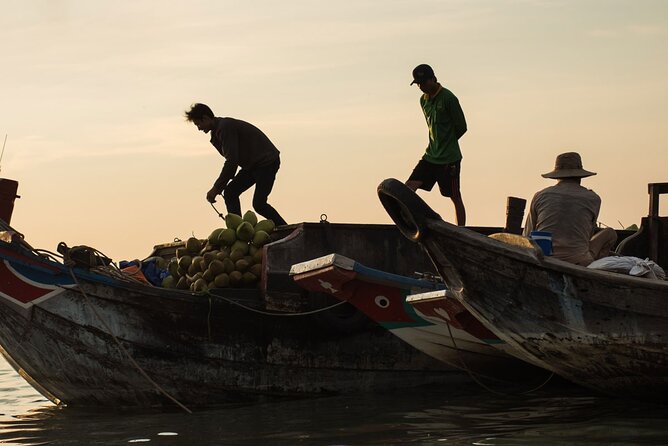
- District 7 canal scenes with tugboats delivering coconuts and goods from the Mekong
- Floating village portraits as owners often come out for a chat
- Saigon skyline views from the river for old-meets-new contrast
- A traditional market for people photography with better morning light
- Pro photo coaching in a max-6 group, so questions don’t get lost
- You build a photographic story, not just random pictures
A 5:30am River-Side Photo Lesson in Ho Chi Minh City

This tour is designed for photographers who want more than a casual walk. You’re out early—5:30am—and that matters because the river area changes fast. The light is softer, people are still settling into the day, and working life along the water often looks more natural than staged.
What makes the plan feel solid is the mix of subjects. You’ll move through canal work scenes, a religious stop, a floating village, and then you finish with modern Saigon views and a traditional market. That variety gives you plenty of chances to practice different ways of framing a subject and telling a picture sequence.
If you want to improve your results, the structure helps. You’re not just chasing “pretty shots.” You’re learning how to turn a route into a coherent photo narrative—what to include, what to skip, and how to pace your images so they read well as a set.
You can also read our reviews of more photography tours in Ho Chi Minh City

Price and value: what $119 buys you in 4 hours
At $119 per person for about 4 hours, the value is mostly in the coaching. This isn’t just a guided stroll; it’s a photo tour with a professional photographer guide who gives you feedback and suggests new angles as you go.
You also get several small features that reduce friction:
- pickup is offered (so you’re not scrambling to find your way early)
- there’s a mobile ticket
- admission tickets are free for the activity
- group size is capped at 6, which usually means more personal attention
In plain terms: if you’ve ever taken a great trip and then wondered why your photos don’t look consistent, this kind of session is meant to fix that. Guides like William and Paul Green are specifically praised for feedback that helps you adjust quickly—so you can leave with better photos, not just memories.
And yes, group discounts are listed too. If you can find a friend or two to match your timing, that’s one more way to stretch the budget.
District 7 canal life: tugboats, coconuts, and working river details
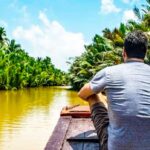
The day starts in District 7 with a canal-side wander focused on working river life. This is where the tour earns its name. Tugboats arrive carrying coconuts and other goods from the Mekong, and you’ll document those classic riverside scenes with people and vessels in motion.
This stop is great for three types of shooting:
1) Story in context: Don’t photograph the boat alone. Include nearby details—water edge activity, cargo, and the working rhythm around it.
2) Action timing: Tugboats and deliveries are quick. You’ll get better results if you watch before you shoot, then fire in short bursts.
3) Texture and patterns: Ropes, containers, and the side-of-river architecture often give you frame-filling structure.
Practical tip to apply here: build your frames around a simple storyline. For example, start wide (context), then go mid (workers and cargo), then go closer (hands, materials, or the closest meaningful detail). That gives your set a natural flow.
One consideration: working areas can be busy, and you’ll be moving along the river edge. Keep your spacing in mind and be ready to shift your position fast if the action moves.
The Buddhist temple pause: quiet composition practice with real context
As you continue the route, you pass a Buddhist temple. This isn’t just a photo stop for architecture. It’s also a chance to practice a different mood and a different pace.
Temple areas often offer cleaner visual geometry than the river itself—walls, repeated details, doorways, and religious elements that create strong framing options. If you usually struggle with composition for “buildings and details,” this is a good moment to practice without the pressure of big crowds or fast action.
Practical approach: try taking one set of “shape” photos (straight lines, repeated elements, framing through openings), then one set that includes people if you can do it respectfully. People photography works best when you focus on small moments—stance, gestures, and facial expressions—rather than forcing a dramatic pose.
The main drawback here is also the most common one: light and access can be variable depending on where you stand. You’ll want to stay flexible and let the guide’s route choices help you find workable angles.
Floating village houseboats: portrait chances on rickety decks
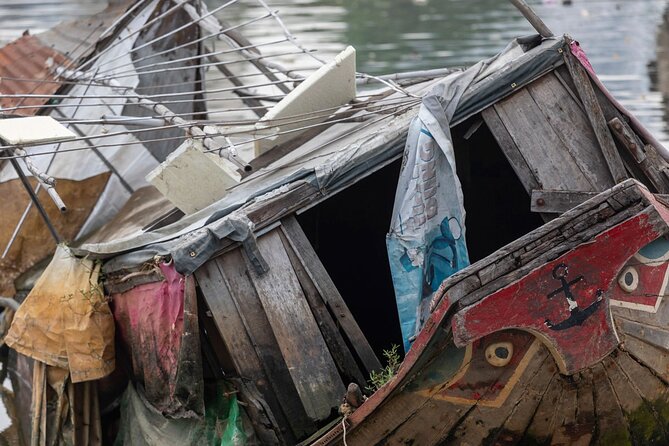
Next comes the floating village, anchored by rickety houseboats along the path. This is the kind of place where “getting a photo” is really about relationship and timing. The owners often come out for a chat, which creates natural portrait opportunities—especially if you’re ready with a calm, respectful approach.
This stop can improve your portrait skills quickly because you’re not hunting. You’re meeting. Conversations reduce stiffness, and that shows in photos.
What to aim for:
- Environmental portraits: include some of the houseboat context so the person looks part of a lived-in scene, not pasted into your frame
- Hands and work details: if someone is doing something small (adjusting an item, sharing a moment), shoot those too
- Series building: take one photo closer for emotion, then one wider that shows where they are
From guide behavior praised in past tours, one standout theme is approach. Paul Green, for example, gets credit for finding a way to connect with people even without speaking Vietnamese. That tells you something important: you don’t need to be fluent to photograph well here. Respect, patience, and simple friendliness usually carry the day.
A consideration: houseboats and decks can feel unstable underfoot. Keep your footing careful, move deliberately, and avoid crowding at the water’s edge.


Saigon skyline over the river: switching from people to scale
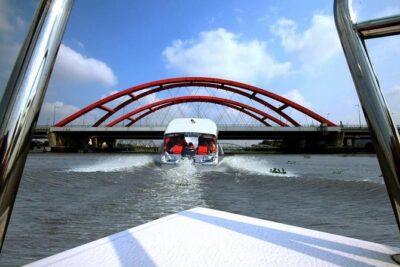
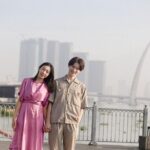
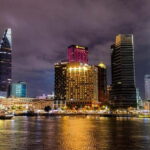
After the floating village, you finish this river section with a dramatic view of Saigon’s 21st century skyline over the river. This contrast is where your photo narrative pays off. You’ve photographed working life, homes on water, and human moments—then you pivot to modern city scale.
This is a great chance to practice transitions between photo types:
- from intimate to wide
- from hands and faces to architecture and distance
- from river activity to the city’s geometry
If your camera settings usually feel random, this is a clean way to test them. Wide city views often reward steadier framing and careful exposure decisions. You’ll also benefit from composing with the river as a leading line or visual separator between foreground and skyline.
Potential drawback: skyline views can suffer if haze or glare is strong at certain times. The tour starts early, which helps, but weather and sky conditions still matter. You’ll do best by staying patient for a few seconds of clearer light.
Traditional market light: people photos with a real rhythm
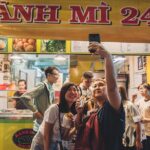
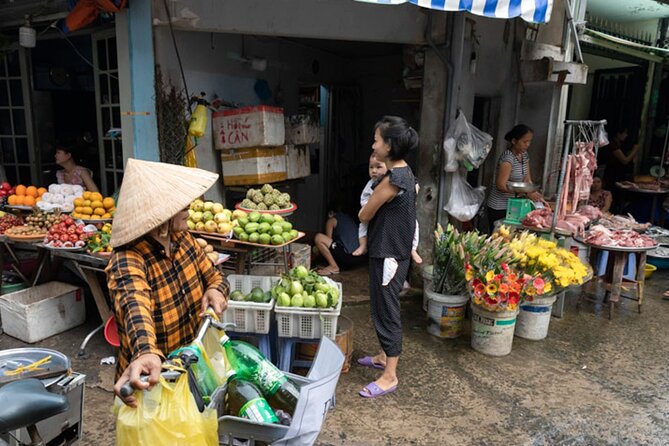
The final stretch includes a walk through a traditional market with light that supports people photography. Markets can be chaotic in a good way—bright items, movement, faces turning toward you, and sudden moments worth capturing.
This is where your portrait practice meets your pacing lessons. After hours of river settings, you may be tempted to shoot everything. The better tactic is to slow down and choose. Look for expression, eye contact, gesture, and the way people relate to their surroundings.
How to build a market sequence:
- one opener shot that establishes the market feel
- one mid shot that shows activity or a person doing a task
- one closer shot for expression or a small detail (hands, items, or the face-first moment)
Also watch for backgrounds. Markets throw a lot at your camera. Choose compositions where the subject stays clear and the background supports rather than competes.
And since the tour is only about four hours total, you’ll want to keep your momentum. Don’t spend too long in one spot. The structure is designed to help you cover enough ground to form a cohesive set.
Building a photographic story, not just a folder of shots
One of the most useful ideas in this tour is that it’s about pacing a narrative with images. That’s a fancy phrase, but the implementation is practical.
You’re learning composition for different types of picture—architecture, people photography, and cityscapes. You’re also learning about using various settings matched to what you’re shooting. Finally, you’re learning how to choose images that feel like chapters instead of disconnected scenes.
Here’s how to think like the tour guide during your shoot:
- Start with a scene-setter (where are we, what’s happening?)
- Add human connection (who matters in this story?)
- Add contrast (why this place feels different from the city?)
- End with context (what does this area look like when day fully starts?)
If you’ve ever ended a trip with hundreds of photos but no strong set, this is the fix. You’ll come away with an organized way to select and sequence your images. That’s often more valuable than learning one camera trick.
In past tours, guides like William and Paul Green are singled out for fast feedback that helps you improve quickly. That means you don’t have to wait until you get home to realize what you were missing.
Pickup, group size, and the small things that change your experience
The experience is designed for small groups—maximum 6 travelers. That matters more than you might expect. It reduces the waiting time between subject changes. It also makes feedback feel personal because the guide can actually see what you’re doing.
Pickup is offered, which is a big deal at 5:30am. It cuts stress and helps you focus on the first shots instead of figuring out meeting points in the dark.
You also get a mobile ticket, which simplifies entry and reduces paperwork. Confirmation is sent at booking, so you’ll know where you stand before the morning.
Finally, admission is free for the activity. That means the cost you pay is mostly about the guide and the coaching, not extra fees stacking up during the route.
Weather reality: when to be flexible
This tour requires good weather. That’s not a minor note. River edges and markets can look very different with fog, heavy rain, or poor visibility, and the activity may be canceled due to poor weather.
If that happens, you’ll be offered a different date or a full refund. I’d treat this as a morning plan worth protecting in your schedule, but not worth insisting on if conditions are rough.
Practical suggestion: keep your flexibility for the day before and after, if you can. Early morning tours work best when you’re not stuck with a rigid travel itinerary.
Who this photo tour suits best
This is a strong fit if you:
- want coaching on people photography plus architecture and city views
- like authentic river-side areas rather than only tourist streets
- enjoy morning shooting sessions (5:30am start)
- want to take home a set of photos with a clear story
You might skip it if:
- you dislike early starts
- you need fully steady ground and minimal walking
- you only want sightseeing without photo guidance
If you’re new to photography, the tour’s structure can help you get organized fast. If you’re more advanced, the narrative pacing and the setting-based coaching can still sharpen results—especially in a place where subject movement and light changes quickly.
Should you book the River’s Edge Photo Tour?
Book it if you want a morning in District 7 that trains your eye, not just your camera. The price makes sense for a small-group, pro-guided session where you can get feedback while you’re still in the moment. If you like portraits, working river life, floating village scenes, and skyline contrast, you’ll likely leave with stronger, more consistent photos than you planned to get.
Skip it if you’re looking for a purely casual walk, or if you can’t handle early mornings and weather dependence.
If you do book, come prepared with a camera you can shoot comfortably on quickly changing subjects, and be ready to move. The best photos here come from paying attention first, then letting the guide help you frame the next shot.
FAQ
How long is the River’s Edge Photo Tour?
It runs for about 4 hours.
What time does the tour start?
The start time is 5:30am.
Where in Ho Chi Minh City does the tour take place?
The route focuses on District 7, along the river edge, including canal areas, a floating village, and a traditional market.
How much does it cost?
The price is $119 per person.
Is pickup offered?
Yes, pickup is offered.
What’s included in the tour?
A professional photographer guide is included.
How many travelers are in a group?
The tour has a maximum of 6 travelers.
Are any admission tickets required?
Admission ticket is free.
What happens if weather is poor?
If the experience is canceled due to poor weather, you’ll be offered a different date or a full refund.
What is the cancellation window?
You can cancel up to 24 hours in advance for a full refund. If you cancel less than 24 hours before the start time, you won’t receive a refund.