REVIEW · HO CHI MINH CITY
Ho Chi Minh City: Street Food and Sightseeing by Motorbike
Book on GetYourGuide →Operated by CONNECT CULTURE CO.,LTD · Bookable on GetYourGuide
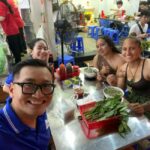
Saigon tastes different from the back of a scooter. This street-food and sightseeing ride threads together old apartment life, District 5 Chinatown markets, and temple stops you won’t stumble upon by accident. I love the motorbike format because it gets you into the small alley roads where the best meals are actually cooked.
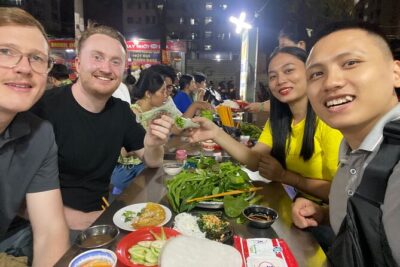
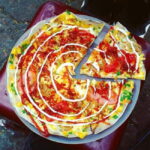
I also love the food-and-culture mix. You’ll taste classics like beef noodle soup and Vietnamese-style pancakes, plus coffee moments like egg coffee, while the guide connects what you’re eating to what you’re seeing around you.
One possible consideration: this is an on-the-move ride, so it’s not for everyone. It isn’t suitable for pregnant women, wheelchair users, or people over 70, and you’ll want comfortable shoes and clothes you don’t mind getting a little dusty.
In This Review
- Key highlights worth building your day around
- Why This Motorbike Street-Food Route Fits First-Time Saigon
- District 3 Old Apartments: Small rooms, big life
- Flower Market and District 5 Chinatown Shopping Corridors
- Chinese Temple Stop: Religion You Can See and Ask About
- Floating Market in Old Saigon and What Night Changes
- What You’ll Eat: Beef Noodle Soup, Vietnamese Pancakes, Egg Coffee
- Safety, Clothing, and the Reality of Riding in Traffic
- Price, Time, and What You Get for $16
- Car Options and When the Motorbike Isn’t the Right Call
- Should You Book This Tour in HCMC?
- FAQ
- How long does the tour last?
- Is hotel pickup included?
- Where do I meet if my hotel isn’t in District 1, 3, or 4?
- Do you provide the motorbike and safety gear?
- Are the food and drinks included in the price?
- What stops will I see besides street food?
- How is the night food tour different from daytime options?
- Can I upgrade to a car or private option?
- Who is this tour not suitable for?
- What’s the cancellation policy?
Key highlights worth building your day around
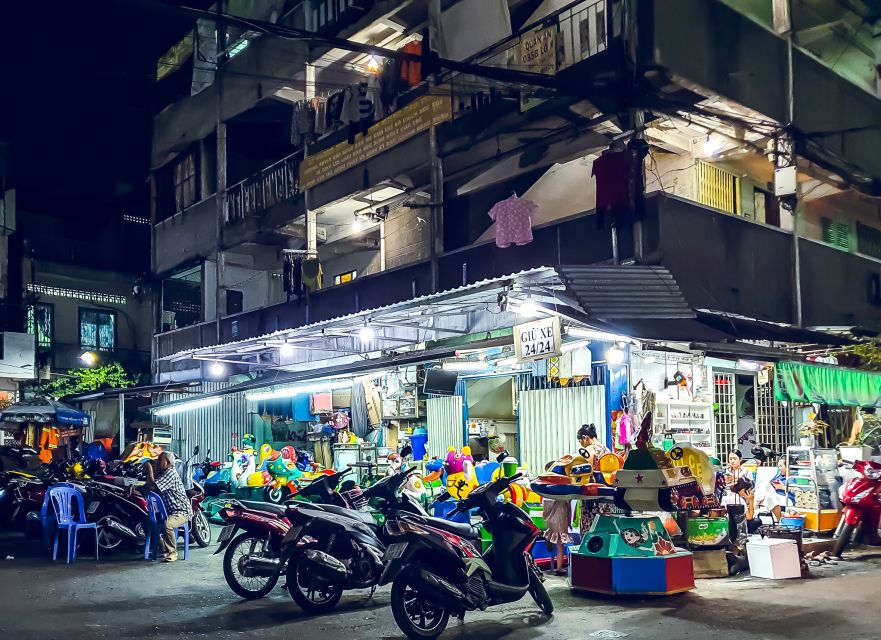
- District 3 old-apartment look at local life in the city’s older neighborhoods
- Motorbike exploring through small city-center alleys instead of only big streets
- Chinatown in District 5 with stops at the motorbike market, lantern market, and Chinese medicine market
- Chinese temple stop to learn how different Chinese religions show up in daily life
- Floating market in old Saigon, plus a night-food version that shifts toward more local restaurants
- All food and drinks included, not just a couple of bites
Why This Motorbike Street-Food Route Fits First-Time Saigon
If you only see Saigon from a sidewalk, you miss half the city. This tour trades the slow walk for a short, controlled ride that gets you from neighborhood to neighborhood without turning your day into a transport puzzle.
You’re not just eating; you’re learning what each area feels like. District 3 gives you a look at how people live in the older parts of the city. Then the route moves into District 5’s Chinese commercial zones, where the markets feel like they have their own rhythm, smell, and set of daily needs.
The best part for practical travelers: the tour includes the gear and the planning. You get motorbikes, helmets, and ponchos, plus English-speaking guides who keep the stops moving along at a good pace.
You can also read our reviews of more food & drink experiences in Ho Chi Minh City
District 3 Old Apartments: Small rooms, big life
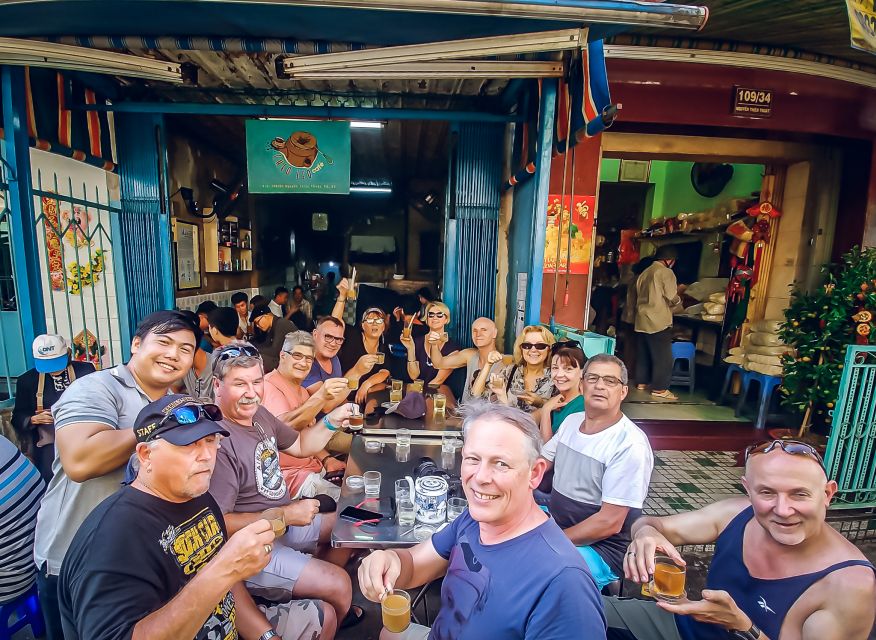
The experience starts with a pickup from Districts 1, 3, and 4 (or a set meeting point if you’re elsewhere). From there, you head to District 3, where you’ll visit an old apartment in what’s described as the city’s oldest district area.
This stop matters more than people expect. In a city like HCMC, it’s easy to treat “neighborhood life” as scenery. But when you’re in a real apartment setting—small rooms, everyday routines, and the practical layout—you understand why street markets and nearby eateries exist in the first place. You also get context for what you’ll see later when you’re driving through older Saigon areas.
A good tip: keep your camera handy, but also keep a moment aside for simply watching. This is one of those stops that’s not about snapping the perfect photo; it’s about getting your mental map of local life.
Flower Market and District 5 Chinatown Shopping Corridors
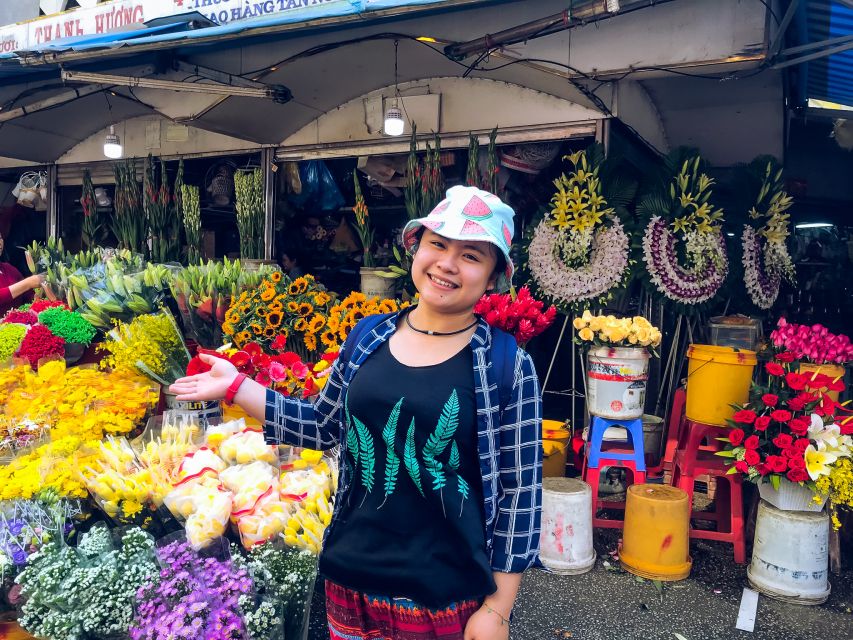
After District 3, the tour continues toward a large flower market, where you see plenty of flower varieties and the kind of everyday commerce that runs on early hours. Flowers in Vietnam aren’t only decoration. They’re tied to ceremonies, visits, and small daily moments—so this stop gives you a lens for how locals celebrate and gather.
Then comes District 5, described as one of the biggest Chinese town areas. Here, you’ll explore several market lanes tied to everyday supply chains and special interests:
- a motorbike market
- a Chinese lantern market
- a Chinese medicine market
That mix is the point. Chinatown here isn’t only about food. It’s also about goods people rely on—transport, celebrations, and traditional remedies. Seeing these side-by-side helps you understand why the area feels busy even when it’s not a tourist day.
The trade-off is that market areas can be visually intense. If crowds and strong smells are hard for you, take short breaks between stalls and focus on the guide’s directions so you don’t get stuck in the thick of it.
Chinese Temple Stop: Religion You Can See and Ask About
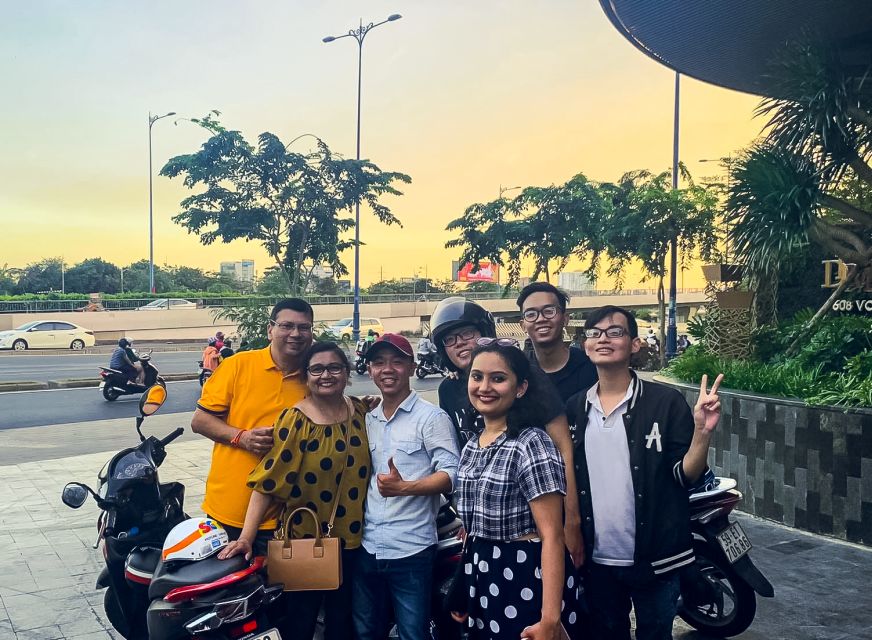
One of the more thoughtful stops is a temple visit focused on the religious cultures of the Chinese community. You’ll learn about how different Chinese religions show up in the spaces people use and maintain.
This is useful even if you don’t consider yourself “religious.” Temples are a kind of local signage. They tell you where the community’s values live, what’s important, and how belief turns into daily practice. And because you’re on a motorbike tour—rather than sitting only in museums—you’re seeing religion in a working neighborhood context.
This stop also supports the food portion of your day. When a guide explains what certain foods, festival patterns, or offerings relate to, your meal stops being random street snacks and starts feeling like part of the city’s logic.
If you like asking questions, this is a great moment. Your guide can connect what you’re seeing to the people living nearby and the markets you’ll pass next.
Floating Market in Old Saigon and What Night Changes
The daytime flow includes a floating market in the heart of old Saigon. The key benefit of including a floating market is variety of perspective. You see how commerce and food culture can exist outside the “street grid” idea many first-timers have in mind.
Then there’s the nighttime version, and it’s smarter than it sounds. On the night food tour, you don’t just repeat the same route after dark. The tour notes that when you go to Chinatown at night, locals may have finished their day, so instead of pushing the same market lanes, your guide takes you to enjoy more Vietnamese food in busy local restaurants.
That’s a big value point for your planning. If you’re doing this tour at night, you’re more likely to end up eating what’s active and cooking now—not only what existed as a daytime option.
One practical thing to remember: night riding means you’ll want your camera ready, but also your mind relaxed. It’s easy to focus only on photos and forget to look at what’s happening around each stop. Give yourself permission to enjoy the food first.
You can also read our reviews of more tours and experiences in Ho Chi Minh City
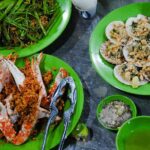
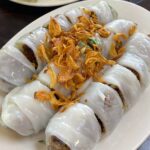
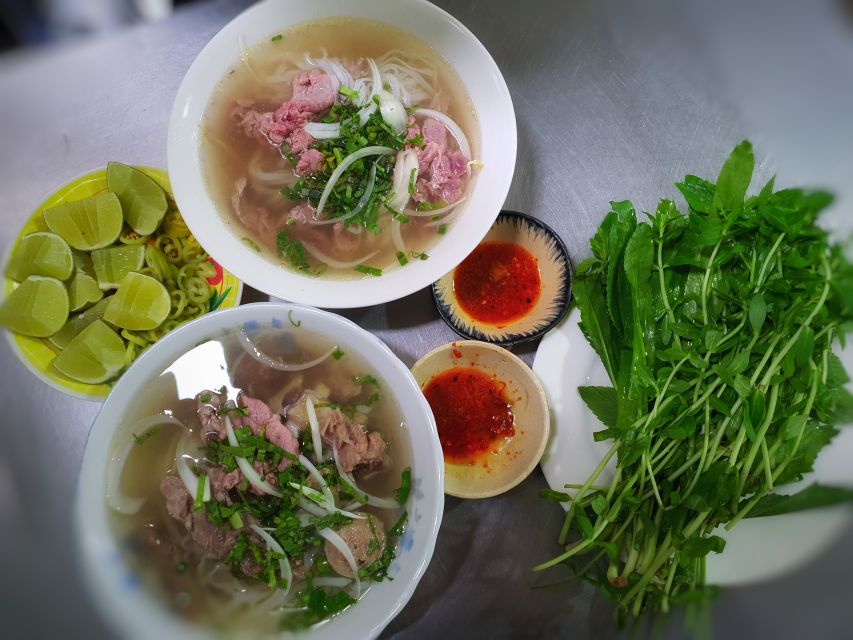
What You’ll Eat: Beef Noodle Soup, Vietnamese Pancakes, Egg Coffee
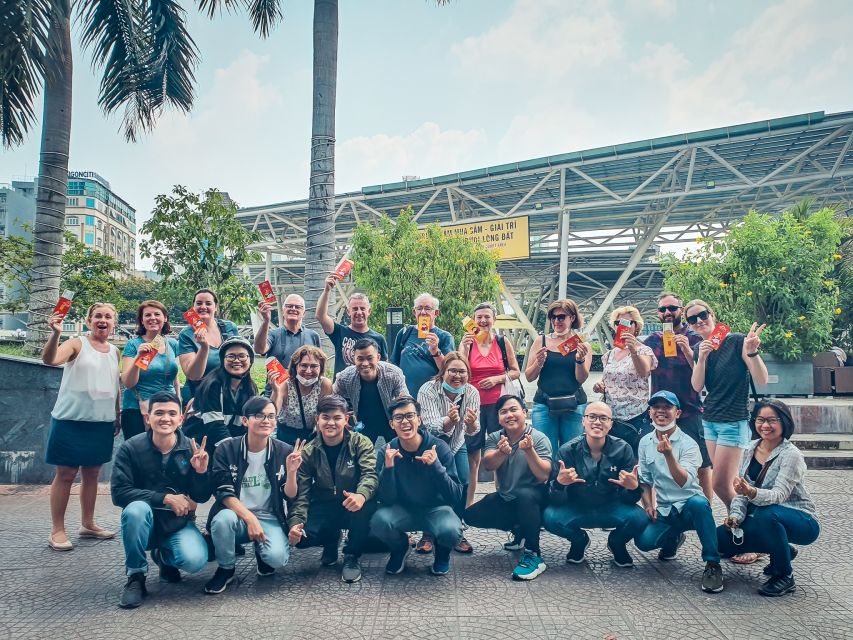
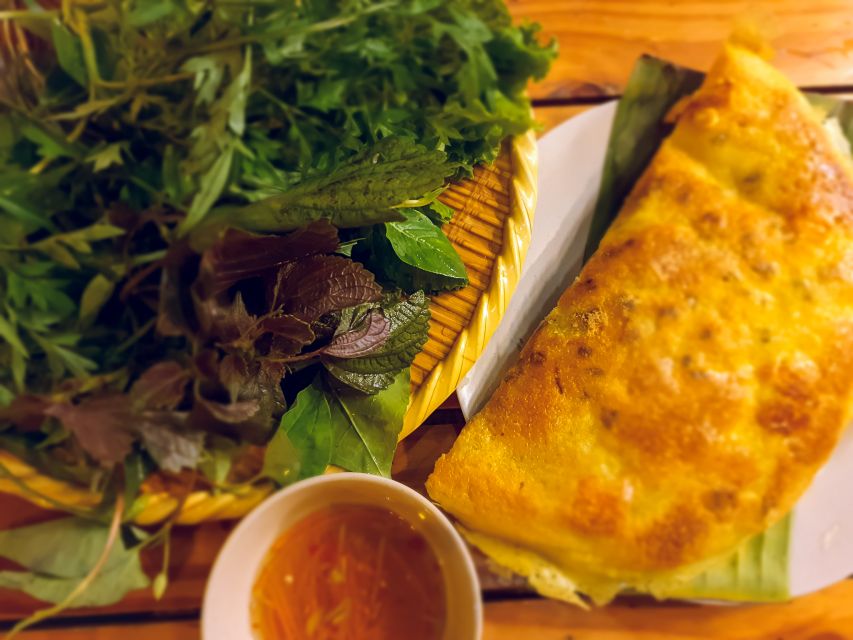
Food is obviously the headline, but what makes this tour work is the mix. You’re not limited to one category of dish. The stops are spread out so the meal progression feels natural, with new textures and flavors as you move.
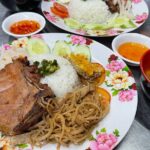
From the described classics and what people have experienced on this route, you can expect items like:
- beef noodle soup
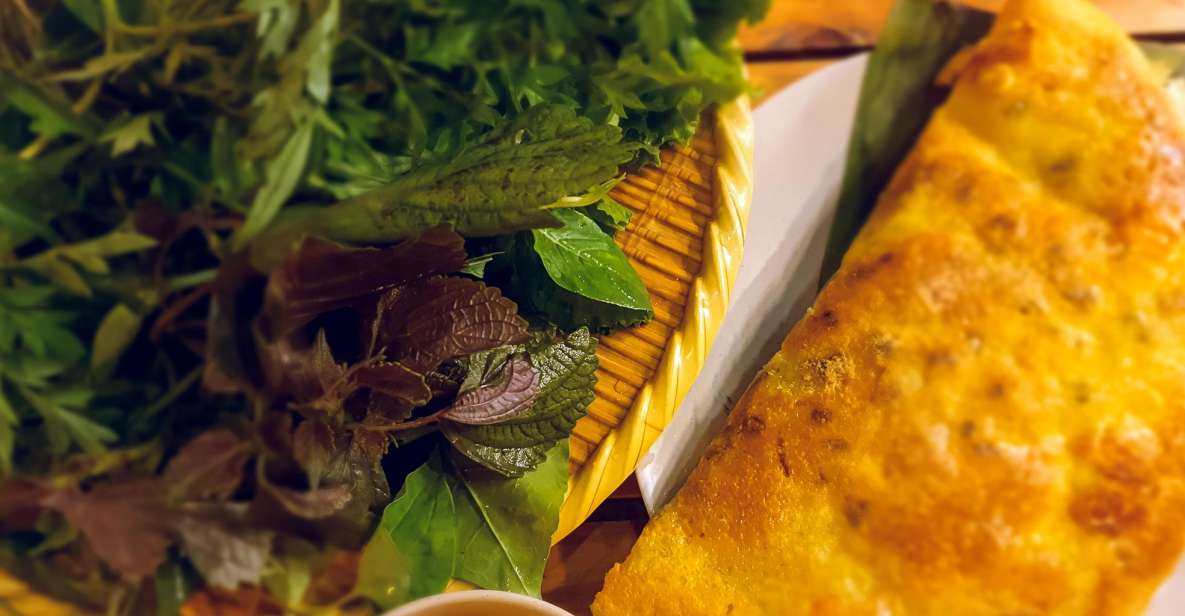
- Vietnamese pancakes
- typical local bites served at small eateries
- coffee moments, including egg coffee
Some meals also go beyond the standard “tourist list.” The range shows up in examples like pork sausage and clams, and in the way guides help you order or identify what you’re eating if you’re unsure.
The best part for your money: the tour includes all food and drinks. That means you’re not constantly checking prices at each stop, and you’re more willing to try the dish your guide recommends rather than the one that’s cheapest.
Practical advice: bring a little cash just in case you want to purchase something extra. The tour includes everything it says it will include, but you might still want a small add-on like coffee to take home, and cash keeps that smooth.
Safety, Clothing, and the Reality of Riding in Traffic
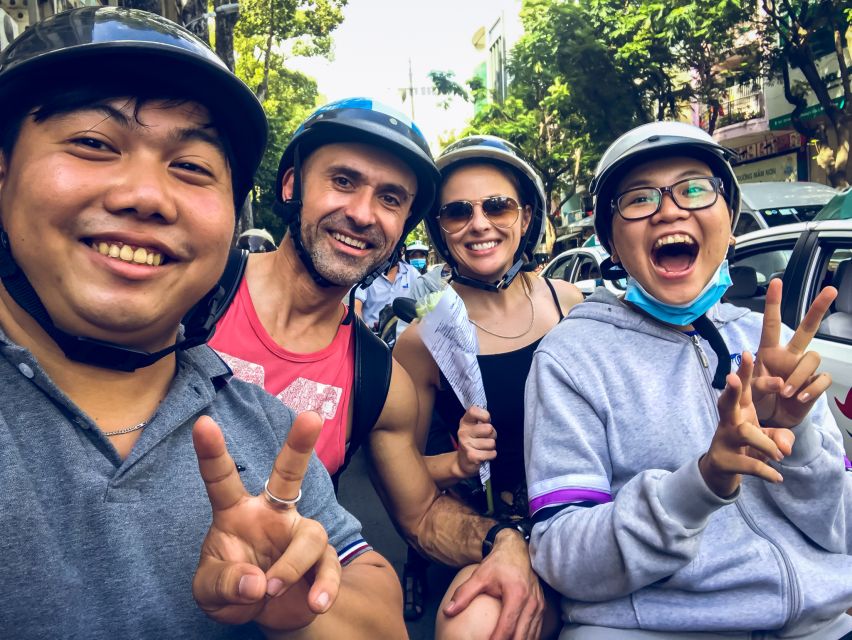
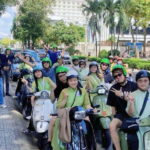
Motorbike touring can sound intimidating until you see how it’s run here. The tour provides helmets and ponchos, and guides operate in a way that keeps the experience fun and controlled.
From what’s been described, the route includes side streets and passages, plus weaving through traffic. That’s part of why you see more than big-road sightseeing. But you still need to choose your own comfort level honestly.
Here’s what will make the ride easier:
- comfortable shoes with grip
- clothes you can move in (you’ll need a stable stance while sitting)
- a camera you can hold without twisting your posture
- cash for personal extras
Also note the basic rule: alcohol and drugs aren’t allowed. That’s a clear safety decision, and it helps keep the ride calm.
If rain shows up, ponchos help. Even without drama, weather in HCMC can change fast, and being prepared keeps the day from getting cut short.
Price, Time, and What You Get for $16
At about $16 per person with a duration listed as 2 hours up to 210 minutes, this sits in the “serious value” category for HCMC food tours. You’re paying for three expensive things that add up quickly when you do them solo: transport, guided routing, and multiple restaurant stops.
Pickup and drop-off are included for hotels in Districts 1, 3, and 4, and you’re given motorbikes, helmets, and ponchos. Plus, you get all food and drinks plus photos. When all of that is bundled, $16 starts to look less like a low-price gamble and more like a budget-friendly way to eat your way through several neighborhoods.
Two small pricing notes to keep in mind:
- If you choose the private tour option, there’s a $5 per person surcharge.
- Car options exist, but they have surcharges (more below).
Also, on public holidays in Vietnam, there can be additional onsite surcharges. If you’re traveling around Lunar New Year or the listed holiday dates, it’s worth budgeting a little extra.
Car Options and When the Motorbike Isn’t the Right Call
This tour is built around motorbikes, but you do have backup choices if you’d rather not ride.
Car support is available, with surcharges listed as:
- 7-seat car: $50
- 16-seat van: $70
And those car/van options should be booked at least 24 hours before.
There’s also an upgrade mentioned for a Female Ao Dai Rider option for an extra $10 per person on normal tours.
Now the more important part: who should skip the motorbike. The tour explicitly lists it as not suitable for pregnant women, wheelchair users, and people over 70. If any of those apply to you, consider a car option if it’s available for your situation, or choose a different style of walking tour.
If you’re healthy and steady on your feet, this can be one of the best ways to see Saigon fast without feeling like you’re rushing through it.
Should You Book This Tour in HCMC?
Book it if you want a high-value mix of street food + real neighborhoods without spending your day guessing where to go. The District 3 apartment stop, the District 5 Chinatown market lanes, and the temple and floating market additions make this more than a food-only loop.
Skip or reconsider if you know motorbikes feel stressful for you, or if you’re in one of the groups the tour says it isn’t suitable for. Also, if you’re the type who needs a slow, quiet pace, the moving format may not be your favorite.
If you’re comfortable with a short ride and you want to eat multiple local dishes with fewer planning headaches, this is a strong first pick for HCMC.
FAQ
How long does the tour last?
The duration is listed as 2 hours up to 210 minutes, depending on the option and timing.
Is hotel pickup included?
Yes, pickup and drop-off are included for hotels in Districts 1, 3, and 4. If you’re outside those areas, you’ll meet at the stated meeting point in Quận 1.
Where do I meet if my hotel isn’t in District 1, 3, or 4?
The tour lists a meeting point at 212 Lê Lai, Phường Phạm Ngũ Lão, Quận 1, Hồ Chí Minh.
Do you provide the motorbike and safety gear?
Yes. Motorbikes, helmets, and ponchos are included.
Are the food and drinks included in the price?
Yes. All food and drinks on the tour are included.
What stops will I see besides street food?
You’ll see an old apartment in District 3, a large flower market, Chinatown markets in District 5 (including a motorbike market, lantern market, and Chinese medicine market), a Chinese temple, and a floating market in old Saigon.
How is the night food tour different from daytime options?
The night tour swaps the Chinatown timing so your guide can take you to more Vietnamese food in busy local restaurants, rather than focusing on Chinatown after locals have finished their business.
Can I upgrade to a car or private option?
A private tour option has a $5 per person surcharge. Car support is available with listed surcharges for a 7-seat car ($50) or 16-seat van ($70), booked at least 24 hours before.
Who is this tour not suitable for?
It isn’t suitable for pregnant women, wheelchair users, or people over 70.
What’s the cancellation policy?
Free cancellation is available up to 24 hours in advance for a full refund.