REVIEW · HO CHI MINH CITY
Saigon Afternoon City Historical Scooter Tour |Opt: Ao Dai Riders
Book on Viator →Operated by Saigon On Motorbike · Bookable on Viator
Saigon moves fast, and this tour keeps up. I love the hotel pickup that makes the whole thing easy, and I especially like how you hit the War Remnants Museum early so the rest of the afternoon clicks into place. One consideration: you’re riding a scooter in real city traffic for several hours, so you’ll want to feel comfortable with the pace.
This is built for people who want more than a quick highlight loop. You’ll get a professional guide on a private tour, wear an open-faced helmet, and visit major landmarks plus a short walking stretch on Nguyen Hue Street. Guides I’ve seen mentioned, like Minh, Ai, Billy, Jus, and Navin, are known for mixing practical context with stories you can actually use while you’re looking at the buildings.
Cost is $25 per person and it includes a lot more than you might expect for that time. You’ll also get accident insurance and a rain poncho if needed, which matters in afternoon downpours. If you’re hoping to ride in a female Ao Dai outfit, plan ahead, because they need extra lead time and sometimes the gender of the Ao Dai rider can be random on busy days.
In This Review
- Key things to know before you book
- Scooter time in Ho Chi Minh City: fast, fun, and practical
- A quick packing tip that actually helps
- Your 4-hour route: how the stops fit together
- War Remnants Museum: start here so the city makes sense
- What can feel like a drawback
- Notre-Dame Cathedral and the French Quarter core
- Central Post Office: the Eiffel design connection
- Saigon Opera House: 1897 and French architectural roots
- Nguyen Hue Street on foot: where the afternoon breathes
- The practical benefit
- Jade Emperor Pagoda: a 100-year-old Cantonese landmark
- 287/70 Nguyễn Đình Chiểu: the secret basement story
- Consideration
- Price and value: $25 for a full afternoon that actually adds up
- Who gets the most value
- Ao Dai riders: the fun option that needs planning
- Safety and comfort: what to expect on the scooter
- When you should book (and when you should skip)
- FAQ
- How long is the Saigon afternoon scooter tour?
- Do you offer pickup from my hotel?
- What is included in the tour price?
- Are entrance tickets included?
- Is this a private tour?
- Can I request an Ao Dai rider option?
- Do I get a mobile ticket?
- What is the cancellation policy?
Key things to know before you book

- Hotel pickup and no meeting-point guessing: your driver meets you at your hotel.
- Scooter travel that saves time: you avoid the slow, stuck feeling of buses and traffic grids.
- Admissions are mostly included: museum and several big landmarks come with included tickets.
- Helmet, fuel, and rain gear included: you start moving without having to sort out basics.
- Short walking time on Nguyen Hue: you get a break from the scooter and see the pedestrian street vibe.
- Ao Dai option has timing rules: female Ao Dai riders require 6 hours’ advance notice.
Scooter time in Ho Chi Minh City: fast, fun, and practical

This tour is all about moving like a local, which sounds like a cliché until you’re actually trying to cover central Ho Chi Minh City in a limited afternoon. The big win is simple: you see more because you’re not trapped in a bus cabin or waiting at the same stoplights as everyone else.
You’ll ride with a guide and get a high-quality open-faced helmet, plus motorbike fuel is included. There’s also an accident insurance piece in the package, and that’s a comfort factor when you’re riding through the city’s constantly changing flow.
One thing to take seriously: open-faced helmets and scooters mean you’ll likely feel more air and sound than you would on a car. If you’re sensitive to noise or dust, wear a light mask if that’s your style, and keep your phone and camera secure.
You can also read our reviews of more city tours in Ho Chi Minh City



A quick packing tip that actually helps
Even though the tour includes a rain poncho if needed, I’d still bring a small waterproof bag or zip pouch for your passport and phone. Afternoon rain can be quick, and the scooter ride makes it easier to get splashed than when you’re walking under awnings.
Your 4-hour route: how the stops fit together
The tour runs about 4 hours, and it’s structured like a good city walk, just with wheels. You’ll have multiple short visits—most are around 20 minutes—plus one longer stop at the secret basement site. That pacing is important: it keeps the afternoon from turning into a checklist you hate.
Here’s how the rhythm works:
- You start with a museum that sets the tone.
- Then you roll into the French-colonial center with major photo-and-sight stops.
- You mix in a pedestrian street moment on Nguyen Hue.
- You finish with a religious site and a war-era story hidden in plain view.
If you like seeing places rather than spending most of the afternoon in transit, this schedule is built for you.
War Remnants Museum: start here so the city makes sense

Your first stop is the War Remnants Museum, operated by the Vietnamese government and established in 1975. Expect exhibits tied to the Vietnam War and also the first Indochina War. This matters because many of the landmarks you’ll see next were shaped by the colonial and wartime eras that followed.
The best way to enjoy a museum like this is to move with intention. Give yourself time to read a few key panels carefully, then step back and look at how the objects and photos are arranged. With only a short slot, you don’t need to absorb every detail, but you do want to leave with a mental frame: how the conflict affected people and how the city carries that memory.
What can feel like a drawback
This museum is heavy. If you’re traveling with someone who gets overwhelmed easily, it can help to know that the tour includes this as an early anchor. You can still do it, just be ready for a more serious tone before the cathedral and post office.
You can also read our reviews of more historical tours in Ho Chi Minh City






Notre-Dame Cathedral and the French Quarter core
Next up is the Notre-Dame Cathedral Basilica of Saigon, established by French colonists with the original name Cathédrale Notre-Dame de Saïgon. It’s downtown, so it also works as a visual reset: you’re moving from museum gravity to architecture you’ll recognize even if you’ve never visited before.
After the cathedral, you’ll hit the Central Post Office, then the Saigon Opera House. The tour keeps these stops short, which is good if your goal is efficient orientation rather than deep study.
Central Post Office: the Eiffel design connection
The Saigon Central Post Office was built in the 1880s based on the design of Gustave Eiffel. Even if you only spend 20 minutes, you’ll get a sense of how old Saigon was built with European engineering influence, then repurposed into a working public space.
If you’ve got time, look at the building as a whole first, then focus on the details second. These French-era structures can look similar from a distance, but close up they show a lot about how the city blended foreign design with local use.
Saigon Opera House: 1897 and French architectural roots
The Saigon Opera House (Ho Chi Minh Municipal Theater) was custom built in 1897 by French architect Eugene Ferret. It’s described as one of the top venues in Vietnam to listen to opera and classical music.
Even if you’re not going to a performance, the exterior and setting help you understand why this area became such a cultural center. It’s also a reminder that colonial influence wasn’t only about government buildings; it showed up in arts and public life.
Nguyen Hue Street on foot: where the afternoon breathes

After the big architecture stops, you’ll walk through Nguyen Hue Street, described as Saigon’s first walking street. This is your palate cleanser. Instead of museum and landmark walls, you get the street-level feel of the city center.
The walking time is about 20 minutes, so it’s not a long wander. The goal is to experience the pedestrian vibe, see people moving between shopping and street activity, and pick up a sense of where you are on the map.
The practical benefit
This walking stretch breaks up scooter time. It’s also one of the few moments where you can slow down, look around, and take photos without dealing with constant helmet-on scooter motion.
Jade Emperor Pagoda: a 100-year-old Cantonese landmark
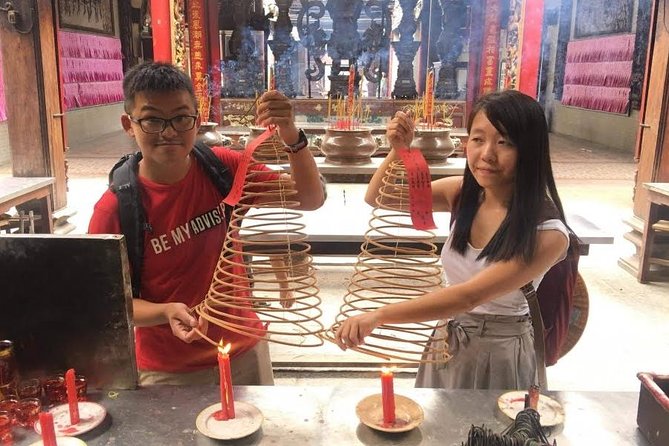
Then you head to the Emperor Jade Pagoda. This pagoda is about 100 years old and was built by Vietnam’s local Chinese Cantonese community. It’s also been visited by former President Obama in 2016, and it’s listed among the top Ho Chi Minh City attractions.
Religious sites like this are usually best when you let your eyes adjust. Don’t rush through it like it’s just a photo stop. Look at how people behave inside, how worship spaces are arranged, and what parts of the building feel busiest.
Since your stop time is short, I’d focus on observing first and reading second. Even a quick visit can give you an important cultural contrast to the colonial architecture you saw earlier.
287/70 Nguyễn Đình Chiểu: the secret basement story

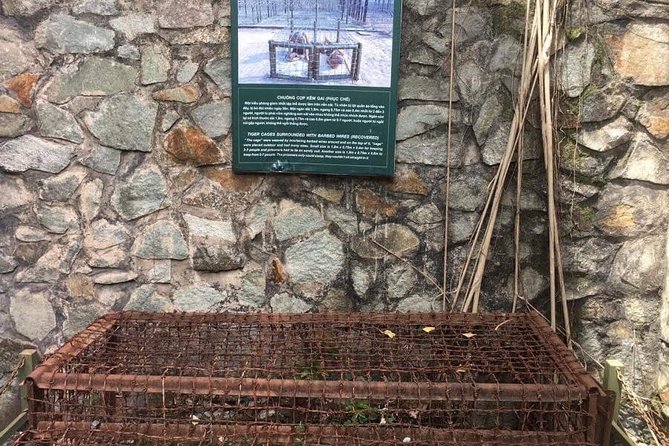
The last major stop is at 287/70 Nguyễn Đình Ch[… ] Đình Chiểu (District 3). This is where the tour gets interesting in a very specific way: beneath the house there’s a secret basement used to hide more than 2 tons of weapons of the Saigon Rangers during the war.
This stop is longer at about 40 minutes, which makes sense. The story isn’t just visual; it’s about understanding why spaces were hidden and how people survived under threat. If you like war-era history that’s tied to real locations, this is the moment that tends to stick.
Consideration
Because it’s a story about secrecy and weapons, you might want to use the time to read and ask questions, rather than just glance and move on. This tour format works well for that because your guide can connect the dots.
Price and value: $25 for a full afternoon that actually adds up

At $25 per person, this is one of those deals that only makes sense when you see what’s included.
You’re paying for:
- Scooter time with a professional guide
- Pickup from your hotel
- High-quality open-faced helmet
- Motorbike fuel
- Rain poncho if needed
- Accident insurance
- Vegetarian option availability
- Admission tickets for several big stops (War Remnants Museum, Notre-Dame Cathedral, Central Post Office, Saigon Opera House, and Jade Emperor Pagoda)
- Plus a free stop at the secret basement site
So you’re not just buying transportation. You’re also buying time efficiency and guided context, which can be the difference between rushing through sights and actually enjoying them.
Who gets the most value
If you’re short on time and want a strong mix of history, major landmarks, and local rhythm, this tour makes sense. If you’re the type who wants deep museum reading sessions or long worship stays, you might feel the stops are brief—but that’s a style match issue, not a “bad tour” problem.
Ao Dai riders: the fun option that needs planning
This tour has an Ao Dai option (listed as Opt: Ao Dai Riders). Here’s the rule you need to know: Female Ao Dai riders require 6 hours in advance. If you request it later, or if it’s a crowded day, the rider gender can be random.
So if you care about wearing the Ao Dai and you want a specific setup, do yourself a favor and make that request early. If the Ao Dai detail is more of a bonus than a must-have, then the tour still works well even without it.
Safety and comfort: what to expect on the scooter
I can’t promise this will feel like a leisurely ride, because it isn’t. But the structure helps: you have friendly, professional guides, you wear a helmet, and the tour includes insurance. The guidance is what keeps the experience smooth—your guide sets pace, chooses routes, and handles turns.
Comfort tips that won’t hurt:
- Wear closed-toe shoes you can stand in for short stops.
- Bring a small layer for wind.
- Keep your phone in a secure pocket or small bag.
- If it’s raining, expect puddles and splashes, even with a poncho.
When you should book (and when you should skip)
Book this tour if:
- You want to cover central sights in one afternoon without getting stuck in slow transit.
- You like guided history that helps you understand what you’re seeing.
- You’re comfortable riding a scooter in active traffic.
Skip it if:
- You strongly dislike scooter riding or don’t feel comfortable with city traffic conditions.
- You want long time at museums or religious sites and prefer slow, detailed pacing.
If you’re on a tight schedule after landing or before heading out, I think this tour is a smart first or second-day choice for getting oriented fast.
FAQ
How long is the Saigon afternoon scooter tour?
It runs for about 4 hours.
Do you offer pickup from my hotel?
Yes. Hotel pickup/transfer is offered so you don’t have to find a hard-to-reach meeting point.
What is included in the tour price?
The tour includes a high-quality open-faced helmet, motorbike fuel, rain poncho if needed, professional guides, accident insurance, and admissions for multiple stops. A vegetarian option is also available.
Are entrance tickets included?
Yes. Admission tickets are included for the War Remnants Museum, Notre-Dame Cathedral, Central Post Office, Saigon Opera House, and Emperor Jade Pagoda. The 287/70 Nguyễn Đình Chiểu stop is listed as free.
Is this a private tour?
Yes. It’s a private tour/activity, and only your group participates.
Can I request an Ao Dai rider option?
Female Ao Dai riders require you to request it at least 6 hours in advance. If you request later or on crowded days, the Ao Dai rider gender may be random.
Do I get a mobile ticket?
Yes. A mobile ticket is provided.
What is the cancellation policy?
You can cancel for a full refund up to 24 hours in advance of the experience start time, with the cutoff based on local time. Cancel less than 24 hours before and the amount isn’t refunded.
If you tell me your travel dates and whether you care about the Ao Dai option, I can help you decide the best afternoon timing and what to prioritize during the route.