REVIEW · HO CHI MINH CITY
Best of Private Ho Chi Minh City Shore Excursion from Cruise Port
Book on Viator →Operated by Maximus Travel Vietnam · Bookable on Viator
Ho Chi Minh in one long, well-managed day is a treat. This private cruise-day tour lines up the big sights with a name-sign pickup and a driver who fights the traffic so you can focus on the history, temples, and markets. I especially like the private guide flexibility (you can shape the order and add small requests), and I like that lunch is built in so you are not hunting for food while the clock ticks. One thing to consider: Saigon traffic can be a real time-eater, so your guide will keep the pace moving to get you back to your ship.
If you are making first time decisions in Ho Chi Minh City, it helps to have a local explain what you are seeing in plain language. You’ll go from French colonial icons to war-era sites, then into Cholon Chinatown for temples and shopping time. Expect a full day, typically 8 to 12 hours, with a lot packed into central District 1 and nearby areas.
In This Review
- Key Things I’d Bet Your Money On
- How the Cruise-Day Plan Works (Pickup, Traffic, and Time)
- French Colonial Saigon: Notre Dame, Central Post Office, and the Opera House Area
- Independence Palace: Where the War Became a Global Headline
- War Remnants Museum: Powerful, Graphic, and Important
- Colonial Architecture in Motion: People’s Committee Building and City Squares
- Cholon Chinatown (District 5) and the Temple Time That Breaks Up the Day
- Ben Thanh Market: Souvenirs, Snacks, and a Guide to Keep You From Wandering
- Emperor Jade Pagoda: Taoist, Buddhist, and Confucian in One Place
- Secret Weapons Cellar: Underground History with a Ticket Included
- Lunch That Keeps the Day Moving (And What to Watch For)
- What Makes the Guides the Real Advantage
- Who This Tour Is Best For (And Who Might Prefer Different Plans)
- Should You Book This Ho Chi Minh City Shore Excursion?
- FAQ
- How long is the Ho Chi Minh City shore excursion?
- Is pickup and drop-off included from the cruise port?
- What’s included in the price?
- Are tickets included for museums and major attractions?
- How much time do you get at Ben Thanh Market?
- What is the cancellation policy?
Key Things I’d Bet Your Money On
- Cruise-port pickup with a name sign to avoid that ship-gate confusion
- Private guide plus private car in a comfortable, air-conditioned ride
- War Remnants Museum and Independence Palace with included tickets
- Cholon Chinatown temple time (not just a quick drive-by)
- Ben Thanh Market stop designed for browsing and quick souvenir shopping
- Vietnamese lunch included, plus bottled water on board
How the Cruise-Day Plan Works (Pickup, Traffic, and Time)
This tour is designed for one big constraint: you are on a cruise schedule. That means pickup and drop-off matter as much as the sights. You’ll be met at the port with someone holding a sign using your name, so you can connect fast and avoid the awkward hunt around the gangway area.
The route typically starts with a drive from the cruise area into the city. In the feedback I read, that ride often comes out to about 1.5 hours each way, which makes the timing feel tight on paper and very real on the ground. Saigon traffic is intense, and that is the main reason the tour is private with a dedicated driver instead of a bus crawl.
What you get in return is control. Because you are not stuck to other people’s pace, your guide can adjust how long you linger at a place like Ben Thanh Market, or swap the order if you want more temple time versus more photo time. That flexibility is especially useful for cruise travelers who want to see a lot but still stay sane.
Practical tip: if you care about a specific museum or market, tell your guide immediately after pickup. You will get a better day if priorities are clear at the start, not after everyone’s already walked through half a district.
You can also read our reviews of more boat tours in Ho Chi Minh City

French Colonial Saigon: Notre Dame, Central Post Office, and the Opera House Area
The day begins with the classic colonial core in District 1. You’ll start at Saigon Notre Dame Cathedral. The building dates to the late 1880s, built by French colonists, and it is one of the remaining strongholds of Catholicism in a country where Buddhism is widely practiced. Admission is free, and you are usually given a short stretch to walk the area and take photos.
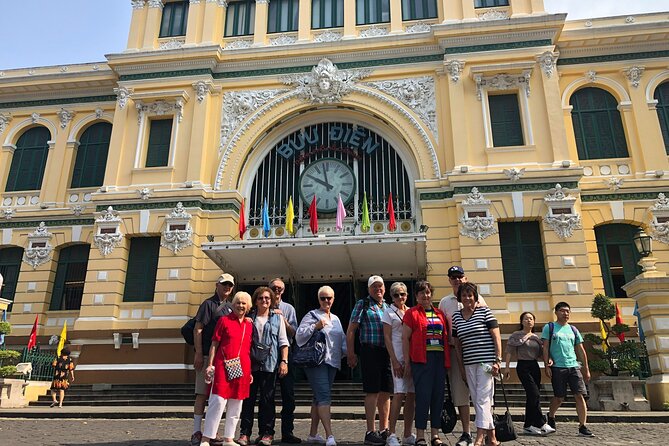
A block away is Saigon Central Post Office, another French-era survivor and often described as one of Southeast Asia’s grandest post offices. The reason this stop works on a cruise day is simple: it looks dramatic, but it does not require a long commitment. You can get the wow factor quickly, and you can still spend more time later in places where you need deeper attention.
From the outside, you’ll also see the Saigon Opera House in the same central area near Le Loi and Dong Khoi Street. This is usually a brief stop that’s more about architecture and street context than a full show. If you love old buildings, these short exterior moments add up fast.
What to watch for at these sites:
- Dress respectfully for religious buildings, even if you are only taking photos.
- Give yourself a little buffer for photo lines and crowds, because central sights can get busy.
This trio is a great way to get your bearings fast. You see the city’s colonial “bones” before you get to the modern political and war-era layers.
Independence Palace: Where the War Became a Global Headline
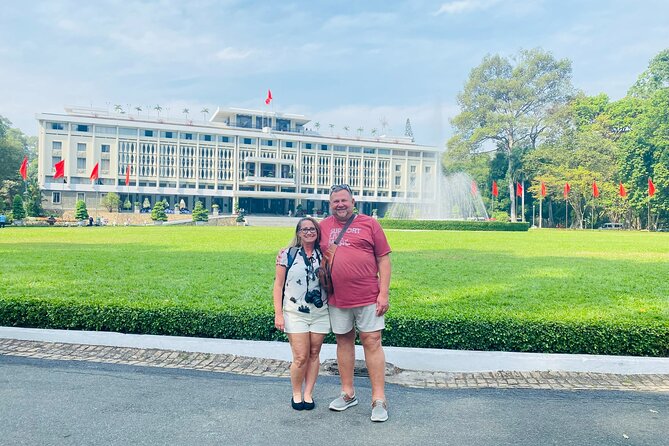
Next up is the Independence Palace, also known as a major symbol of Vietnam’s dramatic 20th-century turning points. It’s a ticketed stop, and you’ll typically have enough time for more than just quick snapshots.
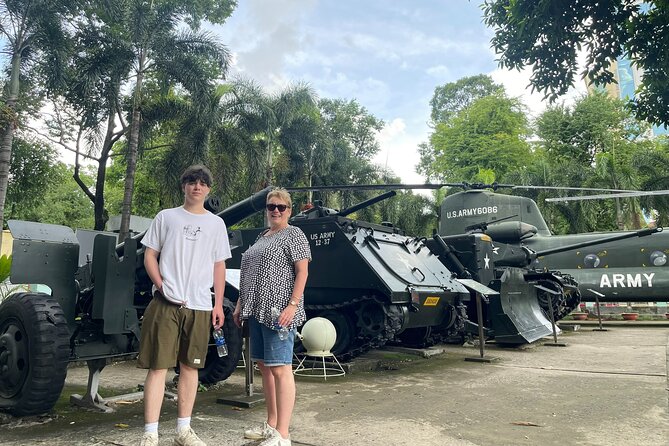
The palace served as the base of Vietnamese General Ngo Dinh Diem until his death in 1963. Later, in 1975, it became known worldwide as a key moment when tanks and North Vietnamese forces pushed through to capture the seat of power. One striking detail is that a tank associated with the North Vietnamese Army crashed through the palace gate.
Why this visit matters on a shore day: it connects the dots. Ho Chi Minh City can feel like a city of stories layered on top of each other. This palace gives you a central “anchor” for understanding why later war-era sites hit so hard. You walk through rooms tied to that political drama, and your guide can connect the architecture and artifacts to the timeline.
The main drawback is also simple: you’ll want to focus. This is not a quick “pretty building” stop. If you rush, you miss the context.
War Remnants Museum: Powerful, Graphic, and Important
This is the emotional center of the tour. The War Remnants Museum first opened in 1975 and was once called the Museum of American War Crimes. The exhibits are a shocking reminder of the brutality of the Vietnam War, including graphic photos and documentation.
If you are sensitive to intense imagery, plan for that before you go in. Bring your own mental brakes. I think it helps to go in expecting hard content, not trying to block it out. A good guide can also help you understand what you are seeing without turning it into a lecture.
On a cruise itinerary, the museum stop usually gets enough time (often around 1.5 hours) to read key displays instead of skimming everything. That time helps you leave the museum with a clearer sense of how the war is remembered in Vietnam today.
Practical advice:
- If you take photos, be respectful in how you frame images. Some visitors find it more meaningful to write down what hit them instead of photographing everything.
- Wear comfortable shoes. The time you spend standing and reading adds up.
This museum is heavy. But for many first-time visitors, it is also the place where the rest of the city stops feeling random.
Colonial Architecture in Motion: People’s Committee Building and City Squares
You’ll see the People’s Committee Building area next. In central Ho Chi Minh City, it features French colonial architecture set in a garden landscape. The structure was originally built as a hotel in 1898 by French architects. Today, it’s part of the governmental story, but visually it still feels like part of the colonial street scene you saw earlier.
This stop is typically short, around 15 minutes, which is exactly right for a cruise day. You get the architectural context without sacrificing time for the heavier sites like the museum and palace.
Right nearby is the kind of street-and-square environment that makes Ho Chi Minh City feel layered: old stone, busy roads, and people moving with purpose. Even if you only catch the buildings from the edges, the contrast helps.
You can also read our reviews of more city tours in Ho Chi Minh City



Cholon Chinatown (District 5) and the Temple Time That Breaks Up the Day
After the central monuments and museums, the tour shifts gears into Cholon, Ho Chi Minh City’s Chinatown in District 5. This is a culturally important area with roots dating back to 1778. Chinese communities have long been part of the city’s story, including periods when they hid from the Tay Son.
The guided time here is about more than scenery. You get a walk through a neighborhood where life looks different from District 1. It’s also where the day starts to feel less like “museum mode” and more like “seeing the city as it actually lives.”
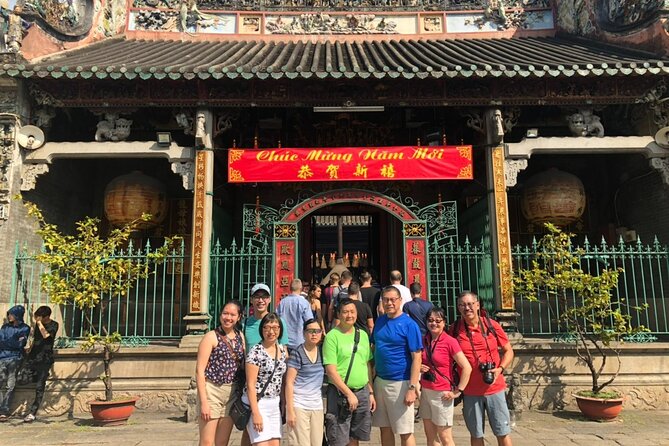
You’ll also visit Ba Thien Hau Temple, which is dedicated to the Chinese sea goddess, Mazu. This temple is tied to the belief that Mazu protects and rescues ships and people at sea, sometimes described as flying around on a mat or cloud. The spiritual focus makes this stop feel like a real pause in the schedule.
Expect free admission, and expect the atmosphere to be more local than tour-bus standard. If you like temples, you’ll appreciate that this is not rushed just for photos.
Ben Thanh Market: Souvenirs, Snacks, and a Guide to Keep You From Wandering
Ben Thanh Market is one of the most famous shopping stops in central Ho Chi Minh City. You’ll get time here, typically around 45 minutes, for handicrafts, art, and souvenirs.
One reason I like this kind of market stop in a private shore excursion: your guide can help you shop smarter. Ben Thanh also has branded goods, and you’ll find eating stalls inside the market where you can grab small bites if you still have room after lunch.
What to expect:
- You’ll likely want to set a quick goal: one souvenir, one browse circle, and one snack if time allows.
- You’ll be tempted by a lot more than you planned, so decide your budget ahead of time.
This is not a “shop until you drop” stop. The value is in seeing the market rhythm and picking a few good items without losing the rest of your day.
Emperor Jade Pagoda: Taoist, Buddhist, and Confucian in One Place
Another free admission temple stop is the Emperor Jade Pagoda, also known as Phuoc Hai Tu, at 73 Mai Thi Luu Street in District 1. The tour frames it as Taoist, Buddhist, and Confucian, with Chinese influence in its founding story.
The pagoda visit works well as a mid-to-late day reset. After museums and colonial buildings, it gives you a different type of attention: the details of prayer spaces, the quiet rhythm of believers, and the way the city expresses faith through architecture.
Practical tip: keep your voice low and move carefully. These are active religious spaces, even when tourists are nearby.
Secret Weapons Cellar: Underground History with a Ticket Included
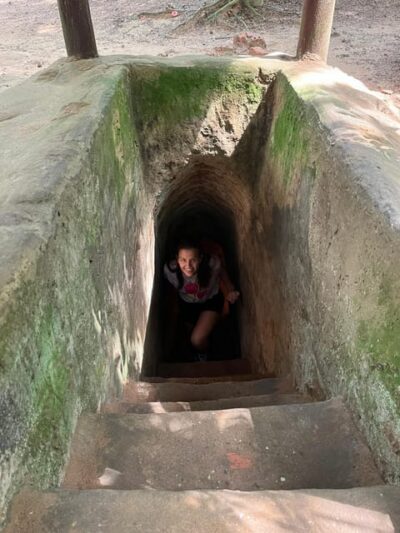
This is the final history-focused stop on the tour route. The Secret Weapons Cellar is located at 287/70 Nguyen Dinh Chieu Street in District 3. It preserves a bunker connected to the Biet Dong Sai Go, often described as part of a secret weapons story.
Admission is included for this stop, and you’ll have time to see it on the schedule without scrambling for tickets.
Why it’s a good cruise-day addition: it shifts the historical tone. War Remnants Museum is about evidence and documentation. The cellar is physical, underground, and immediate. You get a different texture of how conflict shaped spaces in everyday life.
What to consider: underground sites can feel cool and dim, and you may walk around while reading. Wear shoes you can stand in comfortably.
Lunch That Keeps the Day Moving (And What to Watch For)
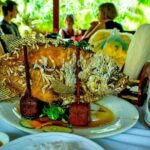
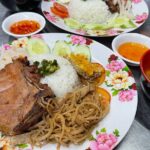
Lunch is included as a Vietnamese traditional meal, and bottled water is provided. This matters more than it sounds. When you travel on a cruise timetable, the best restaurant is the one you don’t have to chase down.
A key detail: the lunch stop is designed to be efficient. In the feedback I saw, lunch often lands in a local restaurant where you can enjoy something like pho or other Vietnamese staples, and some guides also build in coffee stops such as egg coffee or other local favorites.
Because lunch choices depend on time and restaurant menus, you might want to keep your order simple if you are short on patience or on a tight schedule. If you order extras, you may be the one covering personal expenses outside the package.
What Makes the Guides the Real Advantage
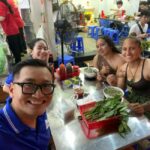
The sights are great on a map, but the guides are what make this tour work in real life. A strong pattern in the feedback: guides are easy to contact ahead of time, they show up early, and they communicate clearly where to meet.
Names that stood out in the feedback include Sarah, Vincent, Aimond, Shane, Kain, Liam, Qui, Nagn (also listed with a different name spelling), Huy, and Dorothy. Across those examples, people highlighted traits like:
- great English and clear explanations of what you’re seeing
- the ability to tailor the route to your interests
- careful time management so you get back to the ship
Drivers also get credit, especially for navigating shortcuts through traffic so the group doesn’t miss the departure window. That teamwork is a big part of why a private shore excursion can feel calmer than a DIY plan.
Who This Tour Is Best For (And Who Might Prefer Different Plans)
You’ll likely love this tour if you:
- want a first-timer hit list without spending days planning
- care about the war and political history behind modern Vietnam
- prefer a guide who can explain context, not just point and say photo here
- want market and temple time in the same day, not as separate trips
This may be less ideal if you:
- hate tight schedules or long days
- want lots of free wandering time with zero structure
- are extremely sensitive to graphic war imagery (the museum is intense)
Even with those caveats, the tour’s structure is built for cruise travelers, which is the core reason it earns such consistent high marks.
Should You Book This Ho Chi Minh City Shore Excursion?
If your goal is to see major Ho Chi Minh City highlights in one organized cruise day, I think this is a strong choice. The private setup is the value driver here: you get a guide who can tailor and a driver who can handle the worst of Saigon traffic so you do not spend your day worrying about logistics.
Book it if you want history plus real-life districts like Cholon and Ben Thanh, with lunch included so you keep moving. I’d especially recommend it if you are traveling with limited time onshore and you want a plan that returns you to your ship with margin.
If you want, tell me your cruise port (Phu My or Saigon/another dock), your ship departure time, and what you most care about: war history, markets, temples, or colonial architecture. I can suggest a smart way to prioritize your day within this route.
FAQ
How long is the Ho Chi Minh City shore excursion?
It runs about 8 to 12 hours.
Is pickup and drop-off included from the cruise port?
Yes. Port pickup and drop-off are included, and the guide meets you with a name sign.
What’s included in the price?
You get a private professional guide, private transportation, all fees and taxes, bottled water, and a Vietnamese traditional lunch. Some attraction tickets are included as well.
Are tickets included for museums and major attractions?
Tickets are included for Independence Palace, the War Remnants Museum, and the Secret Weapons Cellar. Other stops listed are marked as free admission.
How much time do you get at Ben Thanh Market?
You get about 45 minutes at Ben Thanh Market.
What is the cancellation policy?
You can cancel for a full refund if you cancel at least 24 hours before the experience starts.