REVIEW · HO CHI MINH CITY
Morning Saigon Unseen Adventure Scooter with Ao Dai Riders Option
Book on Viator →Operated by Saigon On Motorbike · Bookable on Viator
Saigon looks different at scooter speed. This morning ride trades the usual tour routes for Temple alleys, flower stalls, and street food from the back of a motorbike. You’re also picked up and dropped at your hotel in Districts 1, 3, 4, 5, and 10, so you spend less time figuring out logistics and more time looking around.
I especially like two things: the door-to-door convenience and the way the food stops feel like part of daily life (fresh coconut and noodle soup-style comfort food). You’ll also get solid comfort gear like a high-quality open-faced helmet and rain poncho if the weather turns.
One consideration: the ride is tightly paced. If you’re the type who needs every stop to match your exact mental checklist, ask your guide how the timing feels that day, since a few past bookings weren’t fully happy with what happened on the ground.
In This Review
- Key things I’d mark on your map
- A scooter morning that feels like local Saigon
- Price and value: what $25 buys you
- Safety and comfort: helmets, rain gear, and calm driving
- What I’d wear (so you feel comfortable)
- Stop-by-stop: from Thich Quang Duc to District 4 street food
- Stop 1: The Venerable Thich Quang Duc Monument
- Stop 2: Coffee break + a bunker connected to 1968
- Stop 3: Ho Thi Ky Flower Market + oldest apartment complex
- Stop 4: Thien Hau Temple in Chinatown (District 5)
- Stop 5: The oldest church in Ho Chi Minh City (1865)
- Stop 6: Floating market with coconut juice
- Stop 7: District 4’s street-food moment (spring roll vermicelli)
- The included food: fresh coconut and noodle comfort
- Ao Dai rider option: female rider timing rules
- Who this tour fits best (and who might want something else)
- How guides can make or break the experience
- Should you book the Morning Saigon scooter adventure?
- FAQ
- Is hotel pickup included, and where does it operate?
- What’s included in the tour price?
- Are tickets or admissions covered for the stops?
- Can I request vegetarian food?
- Is there an option for a female Ao Dai rider?
- Can I cancel for free?
Key things I’d mark on your map
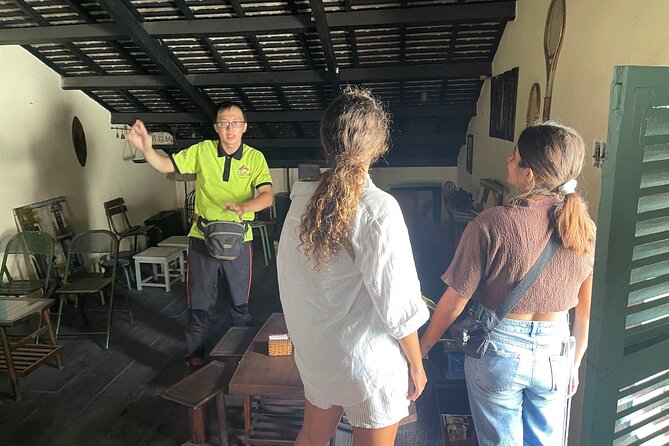
- Hotel pickup in multiple central districts means fewer taxis and less waiting around
- Two-wheel sightseeing gives you a real sense of Saigon’s streets, not just its monuments
- Thien Hau Temple + Chinatown brings you into the Chinese heritage of the area
- Ho Thi Ky Flower Market and nearby alleys show everyday city texture
- Floating market coconut juice adds a refreshing break mid-ride
- Female Ao Dai rider option exists, with a specific 6-hour advance rule
A scooter morning that feels like local Saigon
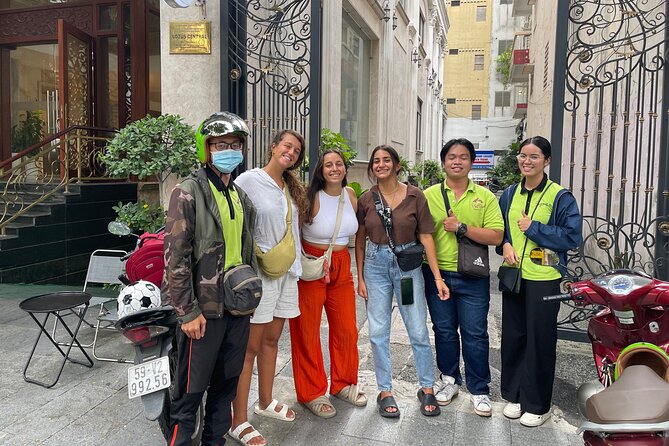
If you’ve only seen Saigon from inside air-conditioned buildings, this type of tour will reset your expectations fast. Being on a scooter puts you at street level—shops, street-side kitchens, and neighborhood courtyards appear right beside you. You don’t just photograph the city; you experience it.
I also like that it’s built around a mix of religious and market stops. You start with the story of a Buddhist monk protest, then you shift to coffee and underground history, then you end up in places where people buy food and flowers because that’s what today requires.
This is also a smart format for a morning window. You get a long, varied route in about 4 hours, without spending your day bouncing between far-flung neighborhoods.
You can also read our reviews of more tours and experiences in Ho Chi Minh City


Price and value: what $25 buys you
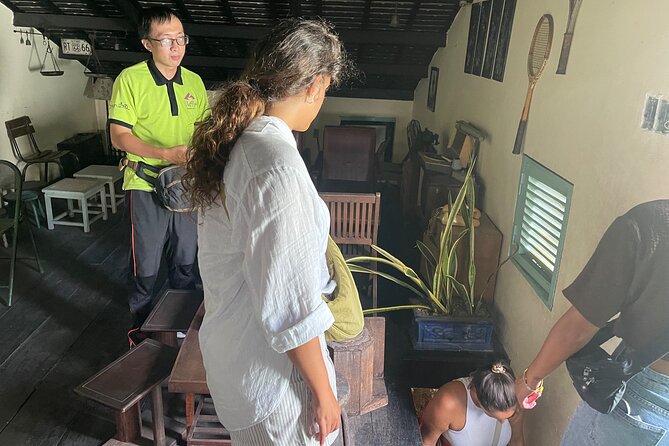
At $25 per person for roughly 4 hours, the value comes from what’s bundled in. You’re not just paying for a ride; you’re paying for transportation, gear, and meals/drinks all in one package.
Here’s what the price covers:
- Scooter and fuel
- High-quality open-faced helmet
- All food and drinks
- Rain poncho if needed
- Accident insurance
- Vegetarian option available
- Private option available (so it can be just your group)
In plain terms: you’re trying fewer things to coordinate yourself. Even if you’d rather use Grab or rent a scooter on your own, the convenience factor here is real—especially with pickup and drop-off arranged to Districts 1, 3, 4, 5, and 10.
Safety and comfort: helmets, rain gear, and calm driving
Scooter tours are only as good as the driving. The good news: people tend to praise guides for staying calm and driving safely, with names like Dom coming up more than once for being steady and confident on the road.
You’ll also have the practical safety basics:
- A high-quality open-faced helmet
- Accident insurance
- A rain poncho if the weather turns
The route is designed for morning sightseeing, so expect regular stops and short walking stretches—just enough to smell the food and see the sights without turning it into a full hiking day.
What I’d wear (so you feel comfortable)
You don’t need special gear, but scooter days are easier if you:
- wear closed-toe shoes (even simple sneakers)
- bring a small bag you can keep secure
- have a light layer ready for morning cool-down
Stop-by-stop: from Thich Quang Duc to District 4 street food
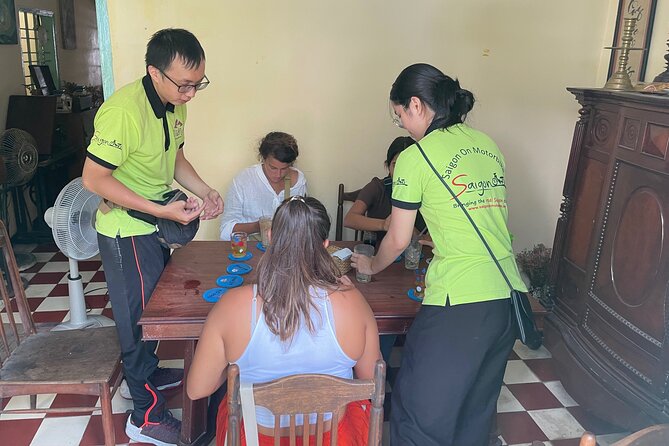
This tour is paced like a string of “small worlds” stitched together by scooter time. Each stop has its own mood: memorial, coffee + bunker history, flower market alleyways, Chinatown temple, colonial-era church, and then the more everyday markets and snack streets.
You can also read our reviews of more tours and experiences in Ho Chi Minh City





Stop 1: The Venerable Thich Quang Duc Monument
You begin at the Thich Quang Duc monument, where the story centers on Buddhist monk Thich Quang Duc. In 1963, he self-immolated as an act of protest—an event that shaped how people remember religious expression and political pressure.
This is a serious start, and it helps put the rest of the morning into context. After this, the city shifts from remembrance to daily movement—still with history in the background, but less heavy and more hands-on.
Stop 2: Coffee break + a bunker connected to 1968
Next comes a coffee break at a local coffee shop. You’ll also visit a bunker connected to the 1968 attack on the Independence Palace. The key idea is that it once housed weapons, giving you a concrete sense of how the city’s warfare played out beyond official headlines.
This stop works even if you don’t consider yourself a history person. The bunker is physical. You can see how space was used under pressure, which makes the story feel real.
If you like smooth logistics, you’ll probably appreciate how guides handle check-in and communication. Names like Adam have been mentioned for easy, prompt contact via WhatsApp, which can make this first meeting point feel less stressful.
Stop 3: Ho Thi Ky Flower Market + oldest apartment complex
Then you drive into the alleys toward the oldest apartment complex in Ho Chi Minh City, before arriving at the biggest flower market in the city—Ho Thi Ky Flower Market.
This is one of those stops that rewards curiosity. You’re not just seeing flowers; you’re watching how the city buys beauty and freshness for ceremonies, homes, and everyday display. The surrounding alleys also help you understand how locals live—close quarters, constant movement, and practical use of space.
It’s a good moment to slow down and look around. The flower stalls and the people working them create a visual rhythm you don’t get in major tourist streets.
Stop 4: Thien Hau Temple in Chinatown (District 5)
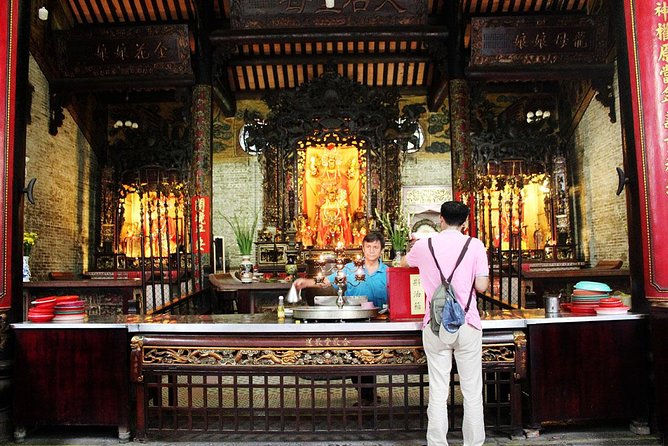
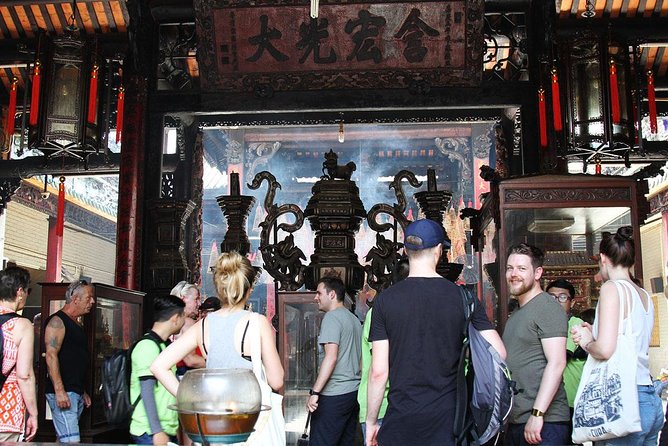
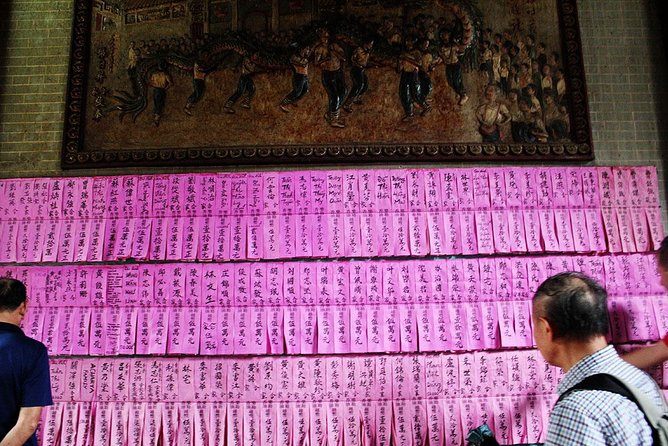
From there you head to District 5 for the Thien Hau Temple, described as the oldest temple in Chinatown. Thien Hau temples are tied to Chinese cultural and spiritual traditions, and the visit gives you a cleaner sense of how immigrant communities shaped neighborhood identity.
This stop is also where the tour shifts from “what’s pretty?” to “what does it mean?” You’ll see how worship spaces function in everyday community life.
Stop 5: The oldest church in Ho Chi Minh City (1865)
Next is the oldest church in Ho Chi Minh City, built in 1865 by Father Phillippe, connected to the Paris Missionaries Association of the Diocese of Canton. It’s an architectural time capsule, and the story behind the builder helps anchor why a Catholic church appears in this specific part of the city.
Even if you don’t go inside for long, it’s worth taking a few minutes to notice the design choices and how the surrounding neighborhood interacts with the building.
Stop 6: Floating market with coconut juice
Then you reach the floating market for a short stop where you can enjoy refreshing coconut juice and soak up the atmosphere.
Floating markets in Saigon can feel like a performance, but even at a brief visit, the main win is the sensory break. Coconut tastes cold and sweet, and the scene resets your brain after temples and churches.
This is also where included food and drink really matters. You’re already hungry from scooter time; you shouldn’t have to figure out where to get a drink or what’s safe to eat.
Stop 7: District 4’s street-food moment (spring roll vermicelli)
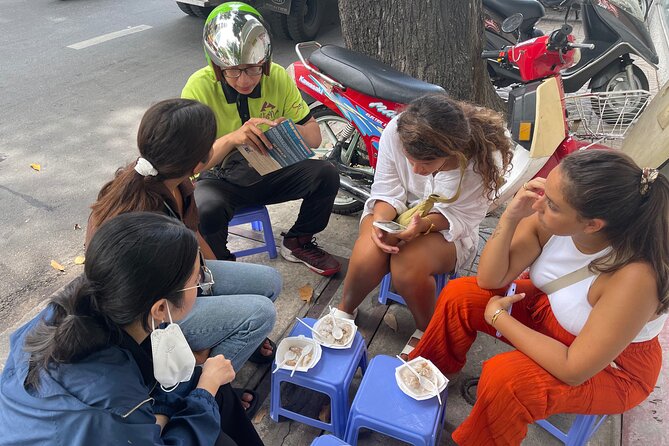
Your final stop lands in District 4, the smallest district in Saigon, historically associated with mafia activity. The tour keeps the mood human and current with a food stop: a serving of spring roll vermicelli, a local favorite.
This is where the day becomes about comfort. You’re not chasing an official “top attraction.” You’re eating a real snack/meal that fits the street rhythm of the neighborhood.
If you’re doing this with kids (or anyone who wants to see real daily life), this ending style tends to work well. People have described bringing teens and enjoying how the stops matched Vietnamese routine rather than only famous landmarks.
The included food: fresh coconut and noodle comfort
Food is part of the itinerary, not a quick add-on. The tour includes:
- fresh coconut
- noodle soup-style comfort food (including spring roll vermicelli)
- additional local foods and drinks along the way
The best part? You get these meals at logical moments when you’re likely to be ready for them. Scooter sightseeing builds appetite, and the route uses that.
If you’re vegetarian, there’s a vegetarian option available. If you have dietary restrictions beyond vegetarian, you should confirm specifics with the operator before you go, since the data only guarantees a vegetarian option—not other specialized diets.
Ao Dai rider option: female rider timing rules
If you’re hoping to ride with a female Ao Dai rider, the option exists—but it’s not instant. The rule is:
- female Ao Dai riders require 6 hours in advance
- later requests or very crowded days can result in the rider gender being random
So if Ao Dai is important to you, plan ahead and book early. If it’s more of a nice bonus, you can still enjoy the tour even if the rider selection doesn’t match your exact preference.
Who this tour fits best (and who might want something else)
This is a strong pick if you want:
- a door-to-door morning plan
- scooter-based street-level sightseeing
- history stops plus market stops
- included snacks instead of searching mid-day
It may not be ideal if:
- you need strict, minute-by-minute adherence to a specific checklist of stops
- you strongly dislike the idea of route timing changes due to traffic and conditions
And one small reality check: there’s been at least one complaint about the itinerary not matching what was expected in the moment. That doesn’t mean it’s common, but it is worth treating this as a guide-led route rather than a rigid script.
How guides can make or break the experience
This kind of tour lives or dies with the person on the scooter behind you. Names mentioned include:
- Dom, praised for safety and calm driving
- Huan, praised for kindness and strong local knowledge
- Elly and Tiffany, mentioned as friendly guides
When the guide is confident, you relax. When the guide is communicative, you’re not guessing what comes next. That’s why quick communication via WhatsApp (as described with Adam) is more than a nice-to-have—it shapes how smoothly your morning feels.
Should you book the Morning Saigon scooter adventure?
I’d book this if you want a cost-effective way to see Saigon from the street up, with food included, a safe guide-led ride, and pickup that actually saves time. The stops hit the basics that most people miss: the flower market, Chinatown’s Thien Hau Temple, and a floating market moment paired with something cold to drink.
Skip it—or switch strategies—if you’re the type who only feels satisfied with the exact itinerary you pictured on paper. In that case, ask questions before you go: confirm the route timing, confirm any special requests (vegetarian needs, rider preference), and set your expectations that street traffic can affect pacing.
If you’re flexible and you want mornings that feel like the city you came for, this is a fun, practical way to do it.
FAQ
Is hotel pickup included, and where does it operate?
Pickup and drop-off are offered directly to hotels in Districts 1, 3, 4, 5, and 10.
What’s included in the tour price?
The tour includes motorbike/scooter, fuel, high-quality open-faced helmet, rain poncho (if needed), all food and drinks, and accident insurance. A vegetarian option is available.
Are tickets or admissions covered for the stops?
The plan lists admissions for stops like the Thich Quang Duc monument and other sights as free.
Can I request vegetarian food?
Yes. There is a vegetarian option available.
Is there an option for a female Ao Dai rider?
Yes, but female Ao Dai riders require 6 hours in advance. If you request later or it’s a crowded day, rider gender may be random.
Can I cancel for free?
Yes. You can cancel up to 24 hours in advance for a full refund.