REVIEW · HO CHI MINH CITY
Afternoon Saigon Unseen Adventure by Scooter |Opt: Ao Dai Riders
Book on Viator →Operated by Saigon On Motorbike · Bookable on Viator
Saigon rewards the curious. This 4-hour motorbike tour strings together meaningful history, real street food, and places most people skip because they are hard to reach. You move like a local, guided by someone who helps you make sense of the city’s contradictions, from religious landmarks to wartime hiding places.
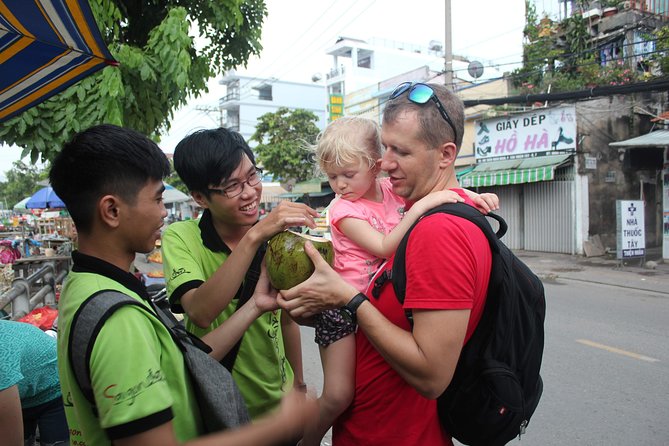
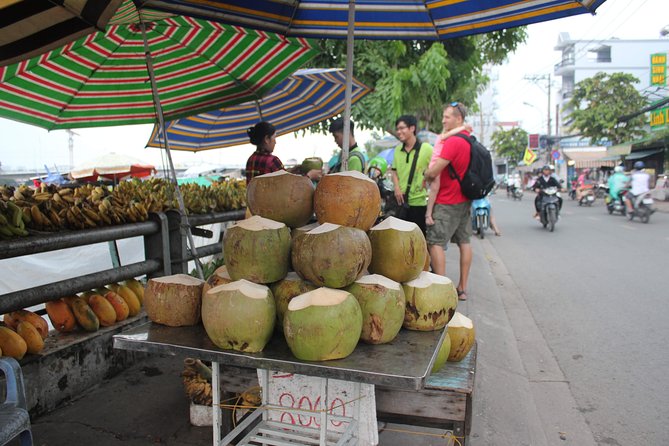
I like two things a lot. First, the hotel pickup and drop-off make it low-stress, especially in a city where getting across town can be a hassle. Second, the food-and-culture mix is smart: you’re not just snapping photos—you’re tasting classics like bun bo hue, plus treats such as grilled oysters, fresh coconut, and Vietnamese coffee along the ride.
One thing to consider: you’re on a scooter the whole time, so if you hate traffic noise, close calls, or long periods in motion, this may feel like too much. The tour includes a helmet and insurance, but your comfort with riding matters.
In This Review
- Key Highlights You Should Know
- Scooters, Smart Stops, and a City That Talks Back
- Thich Quang Duc Monument: A Protest With a Long Shadow
- Ho Thi Ky Flower Market: Color, Smell, and Grilled Oysters
- Thien Hau Pagoda in District 3: Chinese Roots in Vietnamese Life
- Floating Market in District 4: Trade, Boats, and Real Routine
- 287/70 Nguyen Dinh Chieu: The Secret Basement Story
- Price and What You’re Actually Paying For (It’s Not Just the Ride)
- Safety, Gear, and the Ao Dai Rider Option
- Who Should Book This Motorbike Adventure
- Should You Book Afternoon Saigon Unseen Adventure by Scooter?
- FAQ
- How long is the Afternoon Saigon Unseen Adventure by Scooter?
- What does the tour cost?
- Is hotel pickup and drop-off included?
- Is the tour private?
- What food and drinks are included?
- What stops are included in the route?
- Is admission included?
- Is there an Ao Dai rider option, and how do I request it?
- Can I cancel for free?
Key Highlights You Should Know
- Scooter travel with real local pace: you’ll weave through the city the way locals do, not like a bus route
- Thich Quang Duc memorial stop: a heavy, important moment tied to Buddhism and the August Revolution era
- Ho Thi Ky Flower Market: colorful scents and a chance to eat grilled oysters here
- Thien Hau Pagoda: a Chinese-built landmark from 1760 with strong cultural roots
- District 4 floating market area: you see trade and daily life connected to the water
- Secret basement at 287/70 Nguyen Dinh Chieu: wartime shelter tied to the Saigon Rangers
Scooters, Smart Stops, and a City That Talks Back
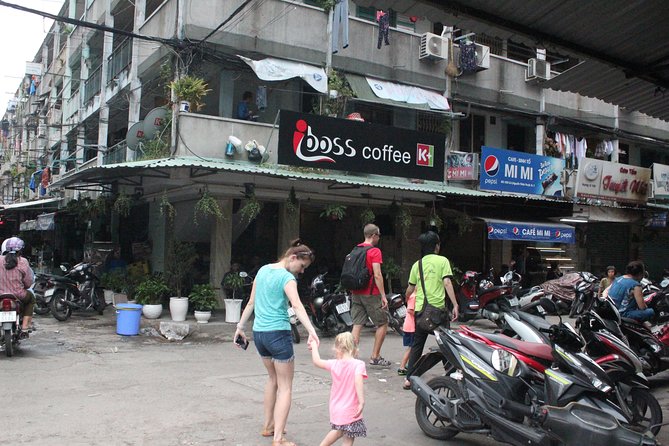
Ho Chi Minh City can feel like a lot at once. You’ve got centuries of Chinese and Vietnamese influence, French colonial leftovers, and a war-story layer that still shows up in unexpected places. This tour helps you read that mess in order, because the stops aren’t random.
You start with a memorial and work through religious sites, markets, and neighborhoods tied to war history. The guide keeps connecting the dots—why a pagoda matters, what a market reflects, and why certain streets hold stories people don’t walk past casually. Even if you only catch part of the explanation, the structure helps you get the city faster.
The practical side is also good. You get pickup offered from many Saigon hotels, and you get a high-quality open-faced helmet, motorbike, fuel, and rain poncho if needed. That means you’re not scrambling for gear or paying extra for basics, which is where value often gets lost on motorbike tours.
You can also read our reviews of more tours and experiences in Ho Chi Minh City


Thich Quang Duc Monument: A Protest With a Long Shadow
Your first stop is the Thich Quang Duc Memorial Monument in District 3. This is the site connected to monk Thích Quảng Đức, who self-immolated in 1963 as a protest against the persecution of Buddhism in the South.
This stop matters because it’s not just a photo stop. You’ll spend about 40 minutes there with admission included, and you’ll get the context from your English-speaking guide. If you care about understanding Vietnam beyond headlines, this is one of the most important anchors on the route.
A drawback? It’s emotionally heavy. If you’re hoping for all-light entertainment, expect a serious tone. I’d treat it like visiting a memorial anywhere: slow down, take it in, and don’t rush past the meaning.
Ho Thi Ky Flower Market: Color, Smell, and Grilled Oysters
Next comes Ho Thi Ky Flower Market, about 45 minutes. This is the kind of place where your senses do most of the work—flowers from across Vietnam, bright color, sweet fragrance, and vendors moving with purpose.
Why I like this stop: it’s local life, not a staged attraction. You see how flowers become part of everyday culture here, and you get a reason to pause without thinking you’re just killing time.
You’ll also eat here—this is where you’ll enjoy grilled oysters, as part of the food included on the tour. If you’ve never had oysters grilled street-style, it’s worth paying attention to the flavors and the texture. It’s simple food, done well, and it fits the market setting perfectly.
Thien Hau Pagoda in District 3: Chinese Roots in Vietnamese Life
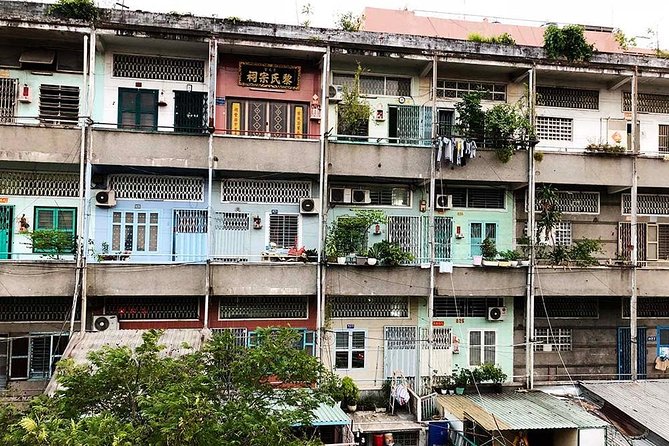
After the market, you head to Thien Hau Pagoda, also called the Mother of Sea. You’ll spend about 40 minutes here, and admission is free.
This is a culturally layered stop. The pagoda was built by Chinese communities in 1760, and it reflects how Vietnamese coastal and trading culture has long interacted with Chinese traditions. The building materials and worship space give you an easy way to spot influence without needing a history textbook.
If you’re the type who likes details, this stop pays off. You’ll likely notice how the temple’s purpose shapes the atmosphere—less like a museum, more like a place people treat as part of life.
One caution: temples can be warm and crowded depending on the day and time. Wear breathable clothing and keep your shoulders covered if you tend to travel with exposed tank tops.
Floating Market in District 4: Trade, Boats, and Real Routine
Then you head to District 4 for a floating market experience, again about 40 minutes with admission free. This area is famous for a reason: people live and work on their boats, and the market connects to that daily routine.
What makes this stop valuable is the perspective shift. You’re not just seeing water and boats. You’re seeing how goods get moved, how people interact while trading, and how the city’s geography shapes the way people build their day.
Is it always the same vibe? It depends on timing and conditions. Some floating market areas feel more active than others at different hours. Still, even when it feels calmer, it remains a strong contrast to the land-based city you see elsewhere.
Practical tip: bring a little situational awareness. Near water, the air can change fast. If you’re prone to motion sickness, take it slow, keep your eyes on the horizon when you can, and let the guide know if you feel unwell so you can adjust your pace.



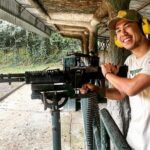
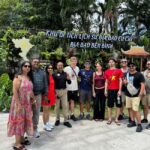
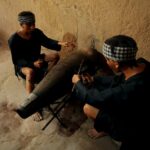
287/70 Nguyen Dinh Chieu: The Secret Basement Story
The final named stop is at 287/70 Nguyễn Đình Chiểu in District 3. Beneath a house at that address is a secret basement that once hid more than 2 tons of weapons of the Saigon Rangers during the war against America.
You’ll spend about 40 minutes here, with admission free. This isn’t just a dramatic story—it’s a reminder that war left physical layers in the middle of normal neighborhoods. The fact that this happened under an ordinary house makes it hit harder. You’re not looking at a distant battlefield; you’re looking at survival hiding inside the everyday.
If you want your Ho Chi Minh City visit to feel layered instead of surface-level, this is a strong closing note. It ties the trip together: the city isn’t only monuments and markets. It’s also what people had to do to live.
Price and What You’re Actually Paying For (It’s Not Just the Ride)
The tour costs $25.00 per person and runs about 4 hours. On paper, that’s cheap for a motorbike tour with multiple stops and food. In real terms, what you’re paying for is the mix of:
- Transportation plus fuel
- A guide who explains culture and history in English
- Food and drinks (not a token snack)
- Helmet and rain poncho
- Accident insurance
- Private tour format, meaning it’s just your group
Value matters here because motorbike tours can get expensive when they nickel-and-dime you for everything from snacks to entrance fees. This one is structured so you don’t feel constantly prompted to add extras.
The one place to watch your expectations is the “private” part: private tours are only your group, but the price you pay is still per person. If you’re traveling solo, you’ll still get the service, just at the listed rate.
Safety, Gear, and the Ao Dai Rider Option
This tour includes accident insurance and provides a high-quality open-faced helmet. You’ll also get a rain poncho if needed. I consider that a practical baseline, and it’s especially helpful when weather shifts fast in Saigon.
Then there’s the Ao Dai Riders option. If you want a female rider in Ao Dai, you must request it at least 6 hours in advance. If your request comes later, or if days are crowded, rider gender is random. So if dressing the part is important to you, plan ahead and don’t wait until the last minute.
A small note on comfort: open-faced helmets are standard here, but they still mean you’ll feel wind and dust more than with a full-face helmet. Wear sunglasses or something to protect your eyes if you’re sensitive.
Who Should Book This Motorbike Adventure
This is a great fit if you want three things:
- Efficient seeing in a limited time window
- Food that’s tied to the stops, not random detours
- A guide who helps you understand why places matter
I’d also say it fits well if you like a tour that balances serious stops with everyday life. The route moves from a memorial to markets to a pagoda and ends with a wartime hiding place. That variety keeps the experience from feeling like one long lecture.
It’s less ideal if you’re strongly averse to being on a scooter for hours. Even with a helmet and insurance, you still spend a lot of time moving through traffic.
Should You Book Afternoon Saigon Unseen Adventure by Scooter?
If you want a low-stress, high-coverage Ho Chi Minh City experience that includes food and meaningful context, this one is an easy yes. The price-to-value ratio is strong, you get hotel pickup, and you hit stops that explain the city instead of just scanning it.
Book it if you:
- want to eat your way through key neighborhoods
- like a guide-led route with history that connects to present-day life
- can handle a motorbike ride with brief stops at each site
Skip it if:
- you hate scooter travel
- you prefer only light, casual sightseeing with minimal emotion
FAQ
How long is the Afternoon Saigon Unseen Adventure by Scooter?
It runs about 4 hours.
What does the tour cost?
The price is $25.00 per person.
Is hotel pickup and drop-off included?
Yes. The tour offers hassle-free transfers to and from many Saigon hotels.
Is the tour private?
Yes. It is a private tour/activity, and only your group will participate.
What food and drinks are included?
Food and drinks are included, and the route includes local specialties such as bun bo hue and grilled oysters, plus fresh coconut. Vegetarian options are available.
What stops are included in the route?
You visit the Thich Quang Duc Memorial Monument in District 3, Ho Thi Ky Flower Market, Thien Hau Pagoda, a District 4 floating market area, and the secret basement at 287/70 Nguyễn Đình Chiểu in District 3.
Is admission included?
Admission ticket inclusion varies by stop. The Thich Quang Duc Memorial Monument includes an admission ticket, while other listed stops are free.
Is there an Ao Dai rider option, and how do I request it?
If you want female Ao Dai riders, you must request it at least 6 hours in advance. If the request is later or if days are crowded, the rider gender is random.
Can I cancel for free?
Yes. You can cancel up to 24 hours in advance for a full refund.
If you want, tell me your travel dates and whether you care more about food, history, or photo stops, and I’ll suggest the best way to plan your timing around this 4-hour ride.