REVIEW · HO CHI MINH CITY
Ho Chi Minh: City Highlights Guided Walking Tour
Book on GetYourGuide →Operated by LV Tours · Bookable on GetYourGuide
Saigon hits hardest when you follow the evidence, not the brochure. This 3-hour walking tour threads Vietnam’s wartime past through key landmarks, then lands you on calmer streets for French colonial architecture and youth culture at City Book Street. I like that the pacing makes room for real seeing (including an hour inside the War Remnants Museum) and that you also get a short Vietnamese phrases moment for day-to-day travel. One drawback to weigh: the museum portion is largely self-guided once you’re inside, so if you want your guide narrating every minute inside the galleries, you might wish you had more guided time there.
You get an English-speaking guide, water, and raincoats if needed, plus a coffee stop to close out the walk. For $39, it’s a tight route for first-timers who want context fast and don’t want to spend a half-day piecing sites together on your own.
In This Review
- Key highlights to look for
- Starting at the War Remnants Museum: where the tour gets real
- Independence Palace: reading a building like a timeline
- Notre-Dame Cathedral and the Central Post Office: French-era icons with a local lens
- City Book Street: the calm contrast after the heavy stops
- Vietnamese phrases and guide-led storytelling you can use
- Pace, weather, and what to pack for a real 3-hour walk
- Price and value: why $39 can work for first-timers
- Who this tour fits best (and who may want a different plan)
- Should you book this Ho Chi Minh City highlights walking tour?
- FAQ
- Where does the tour start?
- How long is the walking tour?
- What’s included in the price?
- Do I need to buy tickets for the War Remnants Museum?
- What are the main stops on the route?
- Is the tour guided in English?
- Is food or coffee included?
- What should I bring?
Key highlights to look for
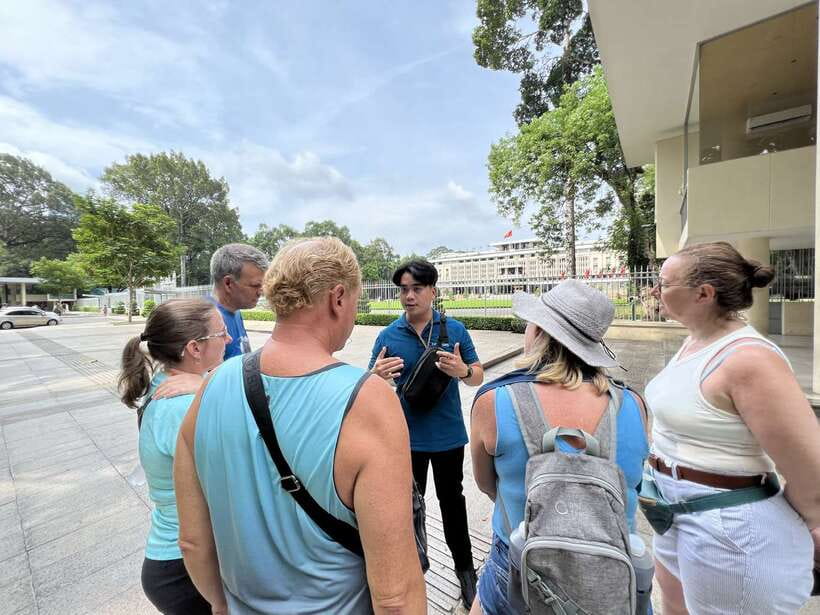
- War Remnants Museum first: tickets included, then you explore the exhibits on your own for an hour.
- Reunification Palace: a guided look at the Vietnam White House concept and what it represents.
- French occupation landmarks: Notre-Dame Cathedral and the Central Post Office from the 19th century.
- City Book Street culture: a relaxed walk tied to why local youth actually like it.
- Coffee included: you’ll taste Vietnamese coffee as part of the finale.
- Guides with strong English: named guides like Kevin, Peter, Duc, Castle, and Kai show up often for a reason.
Starting at the War Remnants Museum: where the tour gets real
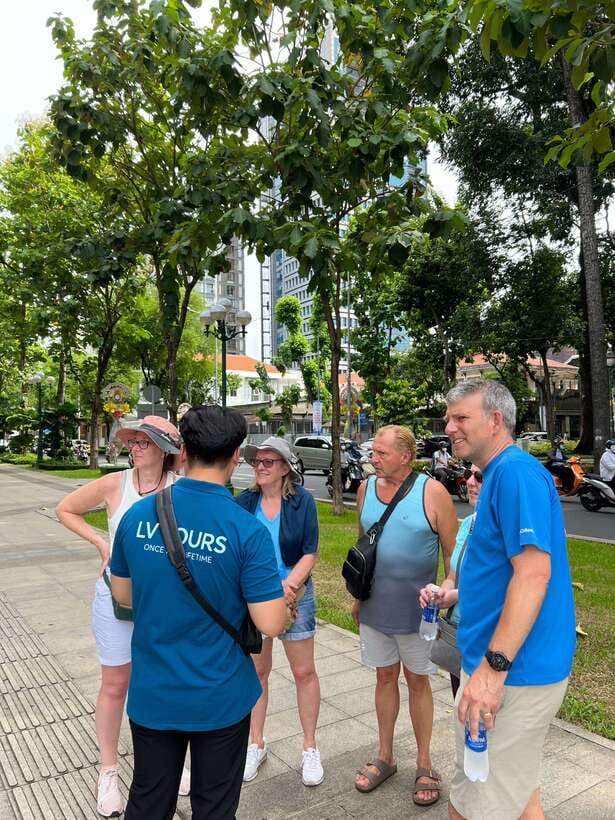
Most “highlights” tours start with photos. This one starts with context, at the War Remnants Museum—meeting at the main entrance. The value here is how the tour handles the emotional weight of the place: you begin with a guide framing what you’re about to see, then you go in alone for about an hour.
That self-paced hour matters. You don’t have to race through displays just to keep up with a group. You can linger at what grabs you—maps, artifacts, and the kind of evidence that’s hard to summarize without standing in front of it. When you come back out, the guide’s storytelling is usually more useful because you’ve already seen the materials in person.
Also, the tour includes entry tickets and “skip the ticket line,” which saves time you’d otherwise waste waiting in a spot that can feel busy and hot. Practical tip: bring sunscreen and wear shoes you trust. You’ll walk more than you think for a “3-hour” plan, and Ho Chi Minh City heat can make even short distances feel longer.
You can also read our reviews of more walking tours in Ho Chi Minh City



Independence Palace: reading a building like a timeline

Next up is Reunification Palace, often called the Vietnam White House. You’ll get a guided tour and a short walk through the site (about 30 minutes). The point isn’t just architecture. It’s how the building helps you understand the shift from wartime power to a new political reality.
When you’re inside, try to notice how rooms and corridors feel designed for movement and decision-making. These spaces were meant for officials, strategy, and control. A good guide connects that physical layout to what was happening historically, and why this palace became a symbol after the war.
If you’re the kind of traveler who likes “where history happened” moments, this stop does a lot of work for you in a short time. You’ll likely leave with clearer mental geography—how this city’s later identity connects to what came before.
Notre-Dame Cathedral and the Central Post Office: French-era icons with a local lens
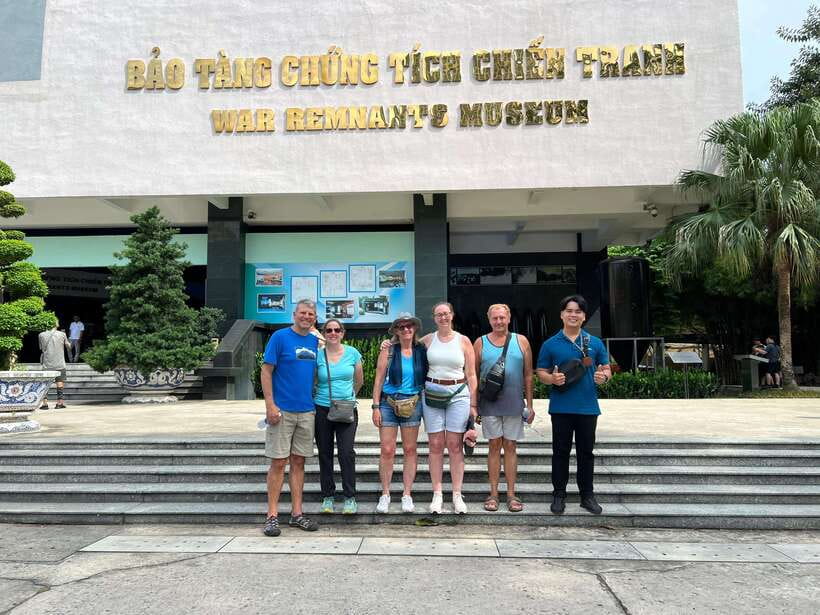
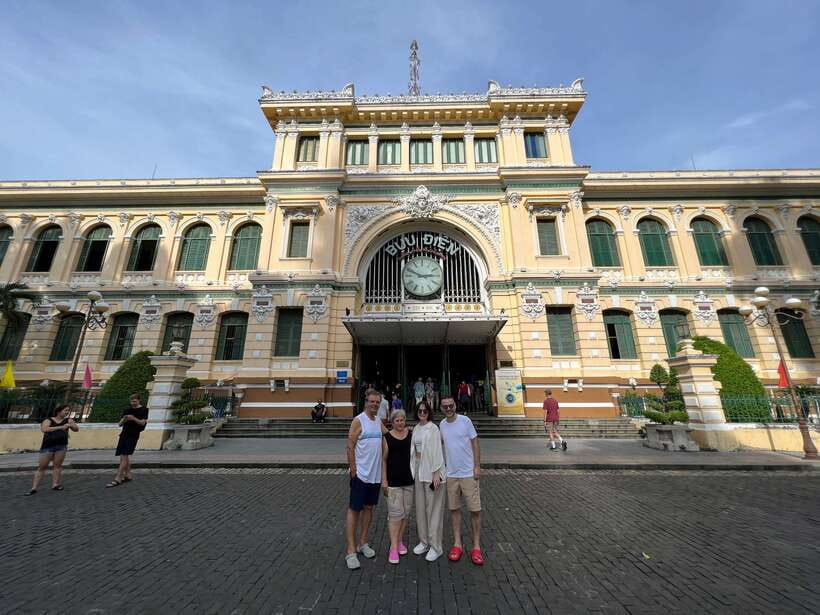
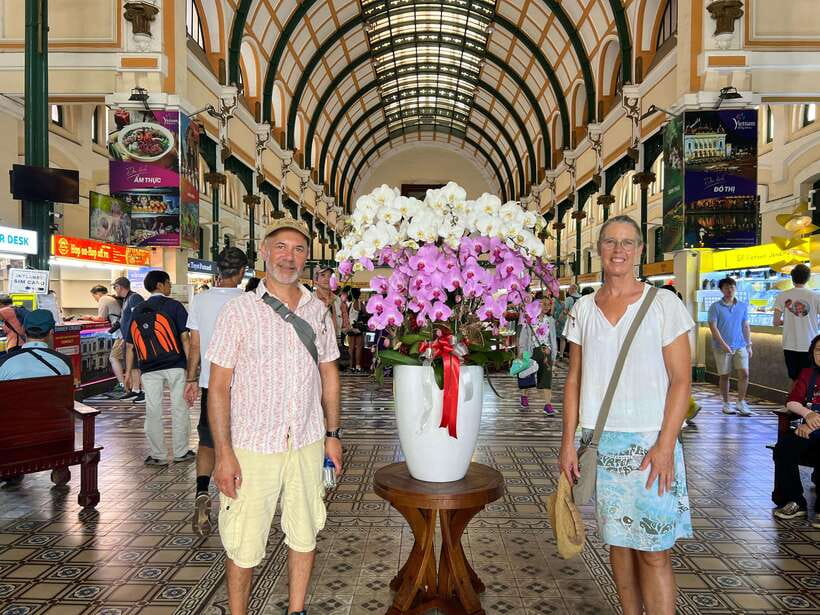
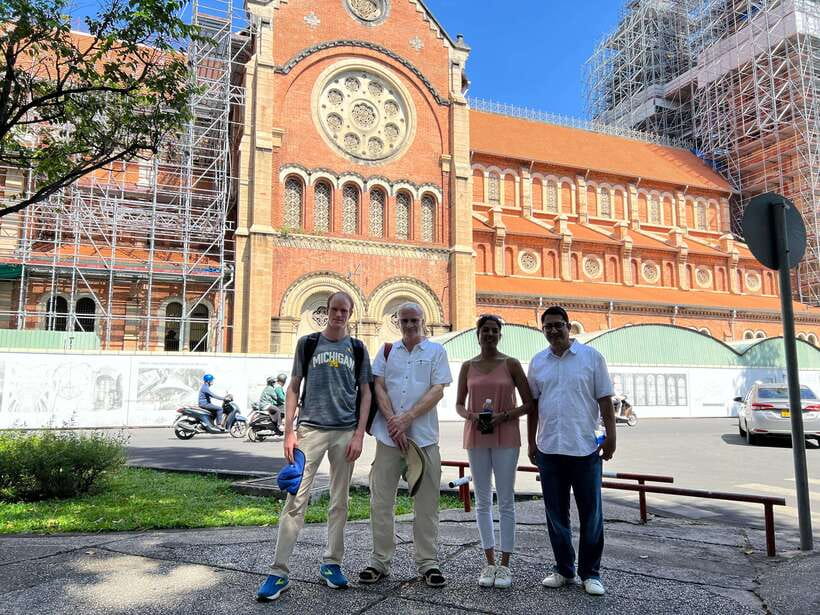
After the palace, the tour focuses on two of the most recognizable European-style landmarks from the 19th century: Saigon Notre-Dame Cathedral and the Saigon Central Post Office. Both are guided stops with time to look and orient yourself (about 30 minutes each).
I like this pair because they show the city’s layered identity. Vietnam isn’t a single story; it’s multiple chapters stacked close together. These buildings carry the imprint of French colonial influence, and your guide should help you see past “pretty facade” to understand what those structures meant in their era.
One practical note: you might find areas under renovation at the cathedral. In that case, you’ll still benefit from the guide’s explanations, but the experience could be more about exterior views and context than full interior access. Either way, the Central Post Office is worth slowing down for—its architecture is instantly photogenic, but it also helps you picture how Saigon worked when the city had different priorities and different routes for communication.
City Book Street: the calm contrast after the heavy stops
The walk then ends at Ho Chi Minh City Book Street, a strip locals and young people favor. The tour describes it as peaceful, and that’s exactly what makes it a strong finishing move. After war history and colonial structures, you get a different Saigon: one where people show up to browse, read, meet friends, and hang out without rushing.
You’ll also have a chance to taste Vietnamese coffee on this leg of the tour. The description calls it sweet and popular, and it fits the setting perfectly—warm, slow, and easy to savor after standing around in strong light and heat.
This final hour isn’t just a “snack stop.” It’s the kind of reset that keeps the whole tour from feeling like three hours of heavy facts glued to a sightseeing checklist. You leave with something sensory to remember, not just dates.
Vietnamese phrases and guide-led storytelling you can use
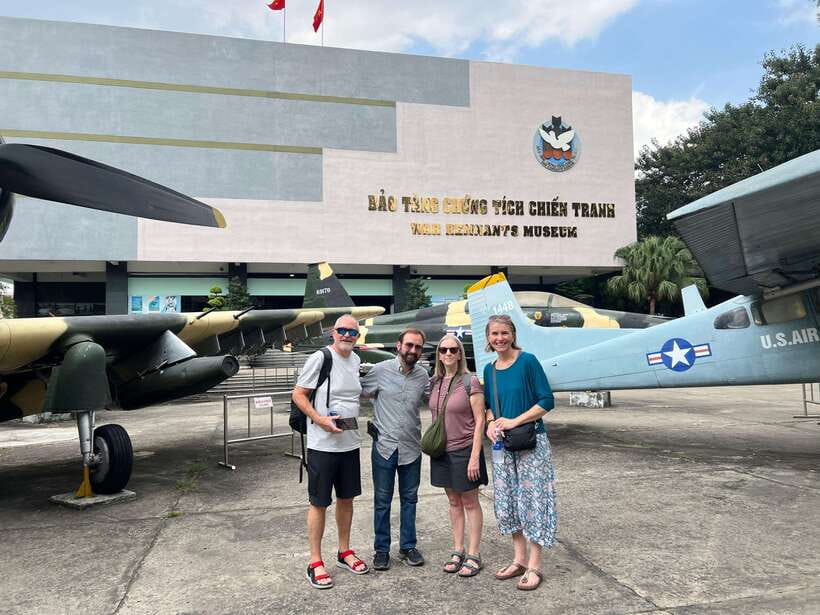
A standout promise here is learning basic Vietnamese phrases. You’ll practice simple expressions as you walk, not in a classroom bubble. That makes it more practical. Even a few phrases help you feel less like a passenger and more like someone who can ask for directions, order a drink, or handle small moments without English-only friction.
The other big reason this tour gets strong marks is how guides tell the story. You’ll see familiar names pop up in past tours—Kevin and Peter for clear English and friendly delivery, Duc for a local perspective, Castle for strong history links to the sites, and Kai for a patient, accommodating vibe. That mix matters because Vietnam’s history can feel complicated fast. A good guide keeps it understandable without sanding off the hard parts.
If you’re worried that history tours become lectures, don’t. The format is walk-and-talk, with frequent chances to stop, look, and ask questions. That’s also where your phrase practice can actually happen: you can test what you just learned while you’re still in the flow of the day.
You can also read our reviews of more guided tours in Ho Chi Minh City





Pace, weather, and what to pack for a real 3-hour walk
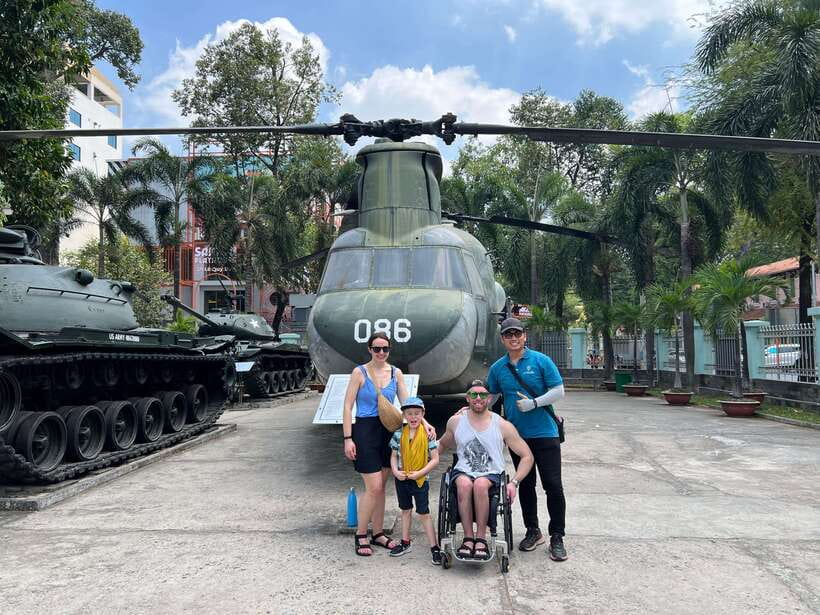
This is a 3-hour guided walk through central Ho Chi Minh City, anchored by major sights. The walking isn’t described as extreme, but it’s continuous enough that you’ll feel it by stop three or four.
Pack smart:
- Comfortable shoes (non-negotiable in a city built on sidewalks that vary in quality)
- Sunscreen
- Comfortable clothes
Good news: the tour provides bottles of water and raincoats if raining. That’s not flashy, but it’s the difference between enjoying the route and cutting it short because you’re uncomfortable.
Also keep in mind that part of the museum experience is self-directed. That means you’ll want to pace yourself inside the War Remnants Museum so you don’t blow through your hour in a single corner. A quick “scan plan” helps: start wide, then return to the sections you can’t stop thinking about.
Price and value: why $39 can work for first-timers

Let’s talk value. At $39 per person, you’re paying for more than a walking guide. Based on what’s included, you get:
- Tour guide (English)
- War Remnants Museum entry tickets
- Coffee or non-alcoholic drinks
- Water bottles
- Raincoats if it’s wet
- “Skip the ticket line”
For a first visit, the biggest value isn’t just saving money. It’s saving decisions. You don’t have to figure out which ticket matters most, which order makes sense, and which stops connect historically. When time is tight, having a route that links wartime history to French-era architecture and then to present-day youth culture is the sort of structure that makes your independent exploring later easier.
If you’re the type who thrives on context—why a building looks the way it does, what a site symbolizes, and how the city changed—this price is very reasonable for a focused 3-hour overview.
Who this tour fits best (and who may want a different plan)
This tour is a strong match if:
- You have limited time and want a high-impact start in Ho Chi Minh City.
- You like your sightseeing with explanations, not just photos.
- You want a blend of war history, colonial architecture, and modern street life.
- You’d appreciate a guide who can connect the past to daily life, including small language lessons.
You might consider a different approach if you want:
- Deep museum study with constant guided narration inside every gallery.
- A longer architecture day where you spend more than a short guided look at each landmark.
- A purely relaxed food or shopping focus with minimal history.
Still, even with those preferences, the tour’s short length is often a benefit. It gives you a guided foundation, and then you can choose what deserves extra time afterward.
Should you book this Ho Chi Minh City highlights walking tour?
If you want an efficient introduction that doesn’t skip the hard stuff, I’d book it. The War Remnants Museum start grounds everything that follows, and the combination of Reunification Palace, French-era icons, and City Book Street gives you a balanced snapshot of Saigon across time.
Choose it especially if you like strong storytelling and you’re okay with a format that gives you an hour to explore the museum on your own, then returns to the guide for context. For $39, with tickets, water, rain protection, and coffee included, it’s the kind of tour that helps you understand the city fast—then enjoy the rest of your trip more because you know what you’re looking at.
FAQ
Where does the tour start?
You meet your guide at the main entrance of the War Remnants Museum.
How long is the walking tour?
It lasts about 3 hours.
What’s included in the price?
Entry tickets to the War Remnants Museum, a live English-speaking guide, coffee or non-alcoholic drinks, bottles of water, and raincoats if it’s raining.
Do I need to buy tickets for the War Remnants Museum?
No. Entry tickets are included, and the tour offers skip-the-ticket-line access.
What are the main stops on the route?
The tour includes the War Remnants Museum, Reunification Palace (Independence Palace), Notre-Dame Cathedral, the Central Post Office, and finishes at Ho Chi Minh City Book Street with a coffee stop.
Is the tour guided in English?
Yes, the live tour guide speaks English.
Is food or coffee included?
Yes. You’ll have coffee tasting with coffee or non-alcoholic drinks included.
What should I bring?
Bring comfortable shoes, sunscreen, and comfortable clothes.