REVIEW · HO CHI MINH CITY
Half-Day Cu Chi Tunnels Guided Exclusive Experience with Pick Up
Book on Viator →Operated by PAPA HOLIDAY VIETNAM · Bookable on Viator
You can pack history into a half-day. This small-group Cu Chi Tunnels tour takes you west of Ho Chi Minh City with hotel pickup, a local guide, and time to see how people lived underground during the Vietnam War.
I especially like two things: you get a guide with a personal connection to the land, and the stop is built for learning with more than just walking through dark corridors. You also get a snack on the way back—pandan tea and tapioca—so the day feels complete, not rushed. The main drawback to consider is the drive: the round trip can eat up a big chunk of your time, so you’ll want realistic expectations for how much you can see.
Small-group limit of 12 keeps the tour manageable and easier to hear your guide.
Tunnels + surface viewpoints help if you worry about crawling underground.
War-era living areas cover kitchens, bedrooms, storage, field hospitals, and command centers.
Documentary before the walk gives you context so the tunnels make more sense.
Shooting range is optional and costs extra per bullet (if you want it).
In This Review
- Why Cu Chi in 5–6 Hours Feels Just Right
- Price and Value: What You Really Get for $25
- Picking a Morning or Afternoon Slot (and Why Timing Matters)
- Hotel Pickup: Helpful When It Works, Annoying When It Doesn’t
- The Drive West: What to Expect on the Way to Cu Chi
- Documentary First: Getting Context Before the Tunnels
- Living Areas Underground: Kitchens, Bedrooms, Hospitals, Command Centers
- If You’re Claustrophobic: What You Can Still See
- Shooting Range Option: Worth It Only If You Want the Extra Cost
- The Small-Group Feeling: Why a 12-Person Cap Helps
- The Snack on the Way Back: Pandan Tea and Tapioca
- How Long You’ll Actually Spend on Site
- Who This Tour Fits Best
- Tips to Make Your Day Smoother
- Should You Book Half-Day Cu Chi Tunnels With Pickup?
- FAQ
- How long is the Cu Chi Tunnels half-day tour from Ho Chi Minh City?
- Is hotel pickup included?
- How many people are in the group?
- What’s included in the price?
- Is the shooting range included?
- Do I need to crawl inside the tunnels if I’m claustrophobic?
Why Cu Chi in 5–6 Hours Feels Just Right
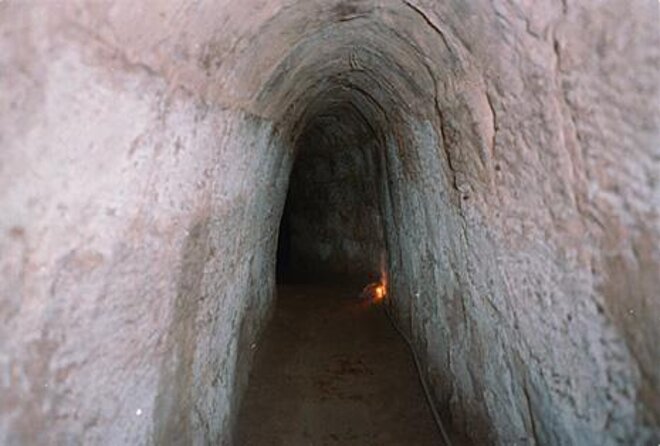
Cu Chi Tunnels are one of those Vietnam stops that can go either way: it can become a quick tourist checklist, or it can become a real story about survival. This half-day format lands in the middle. You leave Ho Chi Minh City, get the background, walk through key tunnel areas, then head back without burning a full day.
What helps is the structure. You watch a documentary about the Vietnam War, then your guide connects what you’re seeing to how people used kitchens, bedrooms, storage, weapons production, field hospitals, and command centers underground. When you understand the purpose of each area, the tunnels shift from a spooky photo stop into something far more meaningful.
Price and Value: What You Really Get for $25
At $25 per person, this tour is priced like a value option for something that normally takes hours of logistics (and a lot of sitting in traffic). Here’s what makes the price feel reasonable: you get professional local guidance, admission included, and hotel pickup—all for a half-day time commitment.
The extra costs are clear. If you want to shoot at the range, plan on a $3 USD/bullet fee for guns like the AK47, M16, M30, and M60. Otherwise, the core experience is covered. Also, the group size is capped at 12, which tends to improve the experience without inflating the cost.
If you’re short on time in Ho Chi Minh City, this is a practical buy. If you’re a history-first traveler with lots of energy and you want to stay longer on-site, you might later wish you’d booked a longer format—but for many people, this is the sweet spot.
You can also read our reviews of more guided tours in Ho Chi Minh City


Picking a Morning or Afternoon Slot (and Why Timing Matters)
The tour runs as either a morning or afternoon option. That’s not a small detail in Saigon, where traffic and heat can change your mood fast. The half-day plan helps you keep the rest of your day flexible—great if you’ve got other plans like museums, food tours, or a Mekong-side excursion.
Also, it’s weather-dependent. If conditions are poor, your tour can be rescheduled or refunded. That’s the kind of travel reality you want to know up front for an outdoor-and-transport day.
Hotel Pickup: Helpful When It Works, Annoying When It Doesn’t
Pickup is included, which is one of the biggest reasons this tour is easy to book and easy to survive. A lot of people underestimate how tiring it is to get yourself across the city and out to Cu Chi on your own, especially if you’re dealing with grab traffic, route complexity, or language barriers.
That said, pickup timing can make or break your day. In feedback tied to this tour style, there has been at least one case of confusion about pickup location and message timing. My advice is simple: confirm the pickup details as soon as you get them, and double-check the exact meeting point and time in plain language.
The Drive West: What to Expect on the Way to Cu Chi
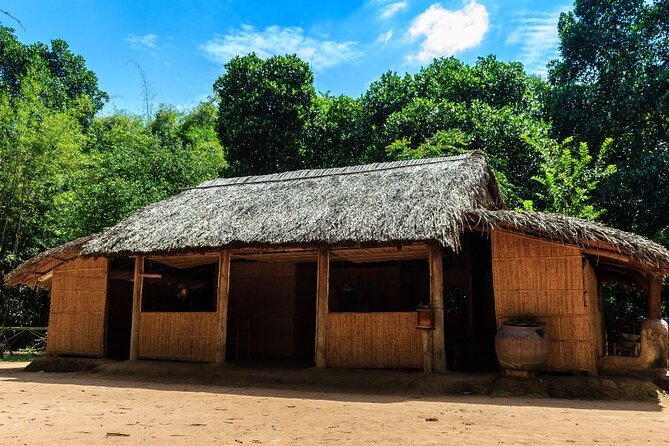
You travel about 60 km to Cu Chi, typically around 1.5 hours one way depending on traffic. This is the part of the day you can’t skip, so you might as well plan for it.
Bring something small to make the ride easier: water, a hat, and a light layer if you get cold on buses with strong AC. Mentally, treat the drive as the setup act. By the time you arrive, the documentary and guide’s story will make the tunnels feel less random.
Documentary First: Getting Context Before the Tunnels
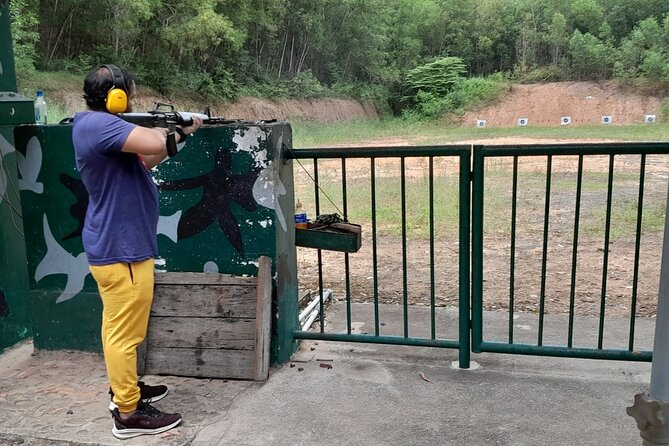
Once you arrive, you watch a documentary about the Vietnam War. This step matters more than it sounds. Cu Chi is not just a bunch of holes in the ground—it’s a system built around hiding, moving, surviving, and fighting with limited resources.
With that background, the underground areas you’ll see later stop being isolated exhibits. Instead, they connect into a larger picture: how people lived, worked, treated injuries, coordinated operations, and protected themselves from constant threat.
You can also read our reviews of more tours and experiences in Ho Chi Minh City






Living Areas Underground: Kitchens, Bedrooms, Hospitals, Command Centers

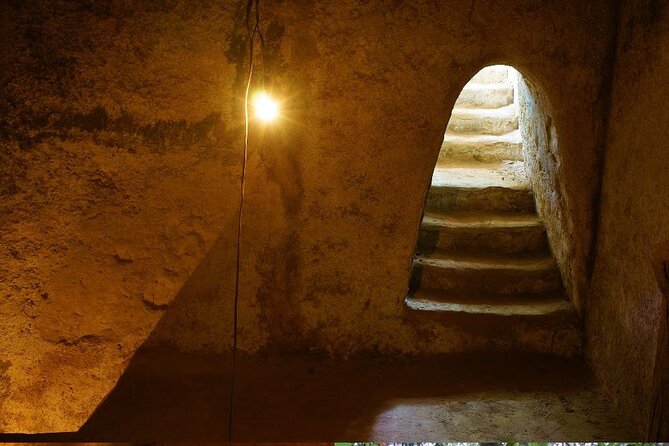
The heart of the tour is what you see inside and around the tunnel areas. You’ll be taken through specially built living spaces, including kitchens, bedrooms, storage, and locations tied to weapons factories, field hospitals, and command centers.
This is where a strong guide earns their money. You’ll want someone who can explain how these parts fit together. Even without crawling far into every section, you can still understand the logic of the maze: the tunnels weren’t built for sightseeing; they were built for staying alive and staying hidden.
You’ll also learn about handmade weapons and traps used during the war, including how people used trap doors inside the maze-like tunnel system. That’s a key detail. It’s not only about narrow passages; it’s about deception, defense, and knowing where not to step.
If You’re Claustrophobic: What You Can Still See

The tour doesn’t pretend everyone loves tight spaces. The good news is that even if you don’t want to crawl far underground, you still can see much from above-ground viewpoints. That matters, because you can get the main story without forcing yourself into your worst-case scenario.
If you’re claustrophobic, don’t white-knuckle it. Tell your guide early, and ask what you can safely do. The point of the half-day tour is learning and understanding, not proving bravery in cramped darkness.
Shooting Range Option: Worth It Only If You Want the Extra Cost
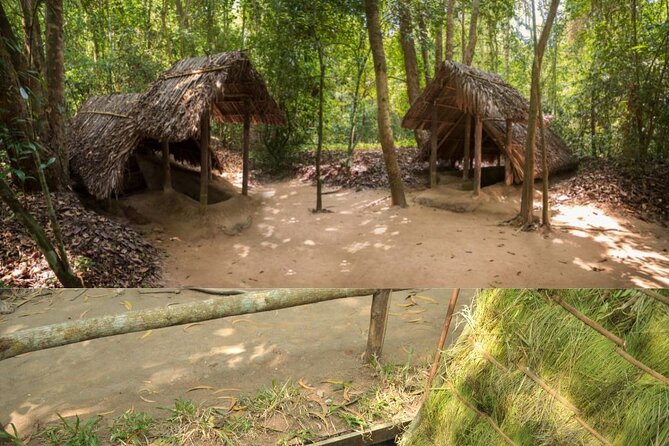
At some point during the day, there’s an optional shooting range experience. It’s not included in the price. If you choose it, the fee is $3 USD per bullet, and the guns listed include the AK47, M16, M30, and M60.
I treat this as a personal call. If you want hands-on military history in a very direct way, it’s available. If you prefer to keep your focus on the tunnels and the human story behind them, you can skip it and keep the day on track.
The Small-Group Feeling: Why a 12-Person Cap Helps
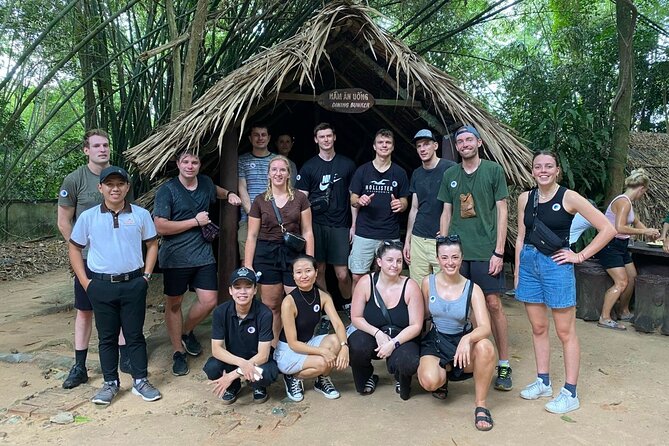
This tour runs with a maximum of 12 travelers. That size is big enough to feel social, small enough to avoid the loud chaos that can drown out your guide.
You’ll likely get more back-and-forth in questions, and it’s easier to move through the spaces without constant bottlenecks. In places like Cu Chi, where timing and safety matter, smoother group movement means you spend less time waiting and more time learning.
The Snack on the Way Back: Pandan Tea and Tapioca
On the return trip, you get pandan tea and tapioca, described as guerilla war food. It’s not a random add-on. It’s a reminder that survival wasn’t only tactics and tunnels—it was also daily necessities: food, comfort, and routine when everything else was unstable.
Pandan tea is fragrant and easy to sip, and tapioca gives you something chewy and filling without making you feel heavy. This snack helps the tour land well. After sitting in the car again, you’ll feel less drained.
How Long You’ll Actually Spend on Site
The full experience is around 5 to 6 hours, with admission included. The drive takes time, and the on-site portion has a planned rhythm: documentary, guided tunnel areas, then return.
So yes, there’s a tradeoff. You’ll see a lot, but it won’t feel like you lived in the tunnels for the day. If you’re the type who loves taking slow photos and lingering at every spot, you may want a longer tour format in the future. If you want a clear, guided highlights version, this works.
Who This Tour Fits Best
This is a great match if you:
- want a history-focused Cu Chi visit without committing a full day
- like small-group travel where you can hear the guide
- need pickup because navigating to Cu Chi on your own takes effort
It’s also a good choice if you’re time-crunched and want to keep your Ho Chi Minh City evenings free. For families or older travelers, the chance to see many parts from above-ground viewpoints can be a deciding factor.
Tips to Make Your Day Smoother
Cu Chi is a war-story site, but the day still runs on normal travel comfort rules:
- Bring water and wear breathable clothes. You’ll feel the heat before you get used to the shade.
- If you’re worried about tight spaces, tell your guide early so your plan is clear.
- Keep an eye on the pickup instructions so you don’t lose time before the drive.
One small practical note: the tour uses a mobile ticket, so have it ready on your phone and screen brightness up if you’re waiting outside.
Should You Book Half-Day Cu Chi Tunnels With Pickup?
Yes, if you want the Cu Chi experience in a way that’s guided, structured, and realistic for a half-day schedule. For $25, the combination of local guide, admission, pickup, and the pandan tea plus tapioca snack makes this feel like good value rather than a barebones bus trip.
Skip it only if you know you want hours of unscripted wandering, or if you’re very sensitive to time spent in transit. Otherwise, this half-day format is a strong way to understand what the tunnels were built to do—and why they still matter.
FAQ
How long is the Cu Chi Tunnels half-day tour from Ho Chi Minh City?
The experience runs about 5 to 6 hours total, including travel time and the guided visit.
Is hotel pickup included?
Yes. Hotel pickup is offered, and the tour includes a mobile ticket.
How many people are in the group?
The tour has a maximum of 12 travelers.
What’s included in the price?
You get a professional local guide, the pandan tea and tapioca, and all fees and taxes. Admission to the tunnels is included.
Is the shooting range included?
No. The shooting range is not included. If you want to shoot, there’s a $3 USD per bullet fee.
Do I need to crawl inside the tunnels if I’m claustrophobic?
You don’t have to. If you have claustrophobia, you can still see from above the ground, and the tour notes that claustrophobic guests can participate.