REVIEW · HO CHI MINH CITY
Ben Duoc ‘Less-Crowded’ Cu Chi Tunnels Half-Day Tour
Book on Viator →Operated by Joy Journeys · Bookable on Viator
Crawling into wartime tunnels changes your day. This Ben Duoc Cu Chi Tunnels tour is built around a less-crowded visit, with hands-on moments like crawling through sections of the tunnels, seeing booby traps, and even touching an ex-US Army tank. You also get food stops that bring the story closer to daily life, not just museum labels.
I like the small group size (max 10), because it keeps the pace human and the guide’s attention easy to catch. I also like the tour’s hands-on format: you don’t just watch from the side—you crawl, feel how narrow it is, and taste Viet Cong food like locally grown tapioca.
One thing to plan for: the tunnels are tiny. If you’re tall or even a bit claustrophobic, you’ll spend time hunched over with your head close to the ceiling.
In This Review
- Key highlights before you go
- A less-crowded Cu Chi that actually feels personal
- Pickup and ride time: plan your day around the drive
- Step-by-step: what happens at Ben Duoc tunnels
- Crawling into the tunnels (yes, you’ll do it)
- Booby traps and the ex-US Army tank moment
- Exploring multiple tunnel sections
- Food and underground life: tapioca and the Hoang Cam kitchen
- Tan Phu Trung Ward propaganda stop: why it’s included
- Comfort tips for tiny tunnels (and your knees)
- Price and value: what $34 buys you in real time
- Who this tour fits best (and who should skip)
- Should you book the Ben Duoc Less-Crowded Cu Chi Tunnels Half-Day Tour?
- FAQ
- How long is the Ben Duoc Cu Chi Tunnels half-day tour?
- Is pickup from my hotel included?
- Where does the tour start?
- Is admission to the tunnels included?
- What do I get during the tunnels portion?
- Is there any food included in the tour?
- What’s included in the tour price?
- What is the cancellation policy if the weather is bad?
Key highlights before you go
- Small group, max 10 people: better Q&A and less time waiting in a crowd
- Ben Duoc focus: a quieter Cu Chi experience compared to the busiest tunnel sites
- Real hands-on moments: crawling inside, plus seeing booby traps and touching an ex-US tank
- War story meets daily life: tapioca tasting and an underground Hoang Cam kitchen stop
- Some guides bring both facts and humor: names that come up include Leo, Ken, Safa, and Tommy
A less-crowded Cu Chi that actually feels personal
Cu Chi Tunnels can feel like a nonstop flow of tour groups. This itinerary is designed to shift the day toward Ben Duoc, which is known for being calmer and easier to move through. The difference matters because you feel less rushed and more able to focus on what you’re seeing.
You’ll also spend most of your time at Ben Duoc, not bounced around too quickly. That longer, steadier focus turns the visit into a story you can follow, instead of a checklist.
The guides play a big role here. Several guide names get praised for clear English and a good sense of humor—Leo, Ken, Safa, and Tommy come up. That combination helps when the topic is heavy, because you get context without the lesson turning into a lecture.
You can also read our reviews of more tours and experiences in Ho Chi Minh City



Pickup and ride time: plan your day around the drive
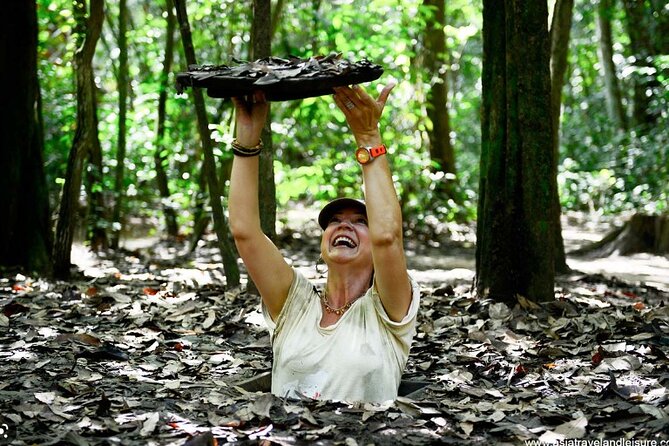
Your day starts with pickup in Ho Chi Minh City. The tour offers pickup from District 1, District 3, and District 4, and that first leg usually takes around 30 minutes. After that, you head out toward Cu Chi.
Expect the ride to take a while—roughly two hours out of the city is a reasonable expectation. The good news: you’re in an air-conditioned vehicle, and the tour includes bottled water (two per guest). That’s not just comfort; it helps a lot when you’re doing a physical, crouched activity later.
A practical tip: keep your phone battery charged before you leave town. Once you’re near the tunnels, you’ll likely want photos, but you’ll also spend time listening and moving through cramped spaces where it’s easy to lose time.
Step-by-step: what happens at Ben Duoc tunnels
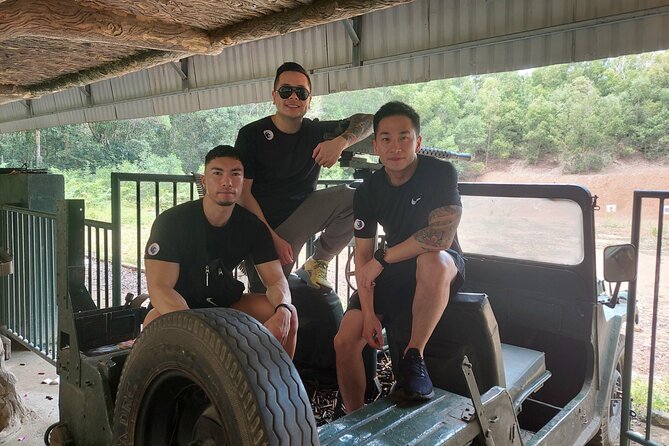
Ben Duoc is where the tour earns its keep. This is the part built around underground warfare history, with a mix of explanation and hands-on moments.
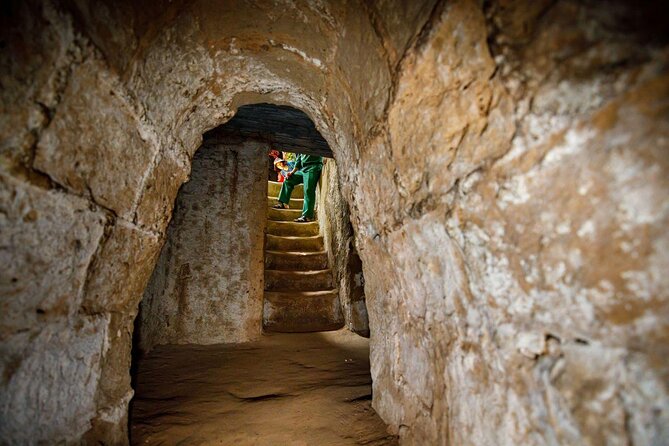
You’ll learn how the tunnel network functioned during the Vietnam War—how people lived and moved underground, and how the system was designed to slow and disrupt enemies. The guide’s job is to translate that into human-scale detail: what you’d do, what you’d fear, and why the layout mattered.
Then you get the moments that stick.
Crawling into the tunnels (yes, you’ll do it)
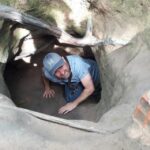
The highlight is when you can crawl into the tunnels. This isn’t optional “walkthrough from above.” You’ll go low, move slowly, and experience firsthand how physically demanding it is to travel in a space built for survival, not comfort.
This is also where guides shine. When someone like Safa or Tommy keeps the pace steady and explains what you’re about to feel, the crawling part lands as meaningful—not just a stunt.
Plan on being hunched. The tunnels are narrow and low, and even people who think they’ll be fine often end up doubling over. If you’re short, you’ll still feel it—because the ceiling is close no matter what.
Booby traps and the ex-US Army tank moment
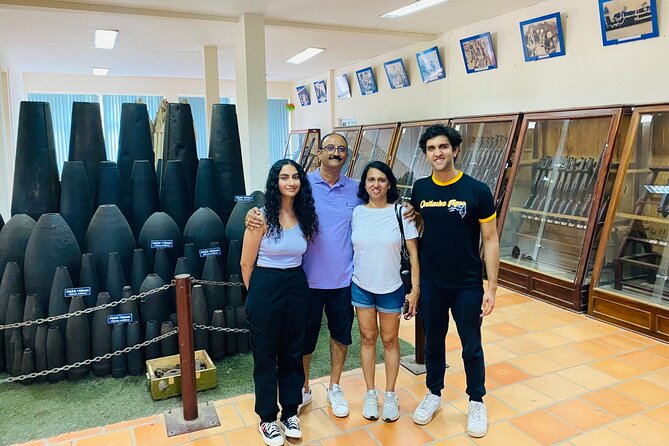
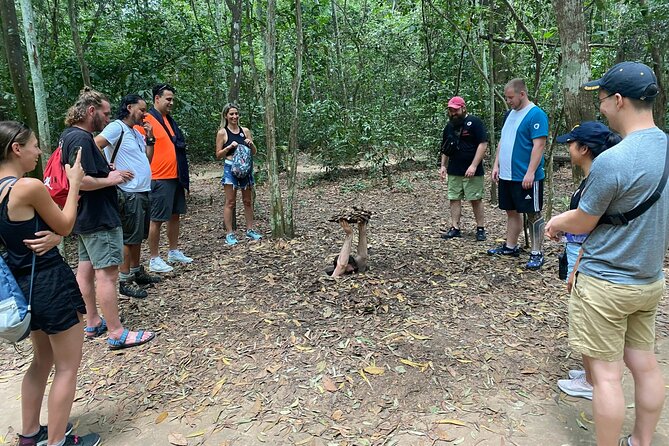
You’ll also see booby traps used during the war. These displays work best when you don’t treat them like spooky props. Listen closely to what the guide explains about why they were built the way they were, and what risks they created for people moving through the area.
Another hands-on feature is the chance to explore an ex-US Army tank by touching it. That tactile moment helps you shift from “war as history” to “war as real hardware and real damage.” It’s one of those small time breaks that makes the rest feel sharper.






Exploring multiple tunnel sections
You won’t just get a single tunnel segment. The tour is set up so you can go into “loads of tunnels,” with time allocated for exploring different parts of the Ben Duoc complex.
That variety helps because tunnel sections can feel similar until you compare them side by side. Different segments give you a better sense of how the network worked as a whole—routes, hiding spaces, and how people adapted to the cramped environment.
Food and underground life: tapioca and the Hoang Cam kitchen
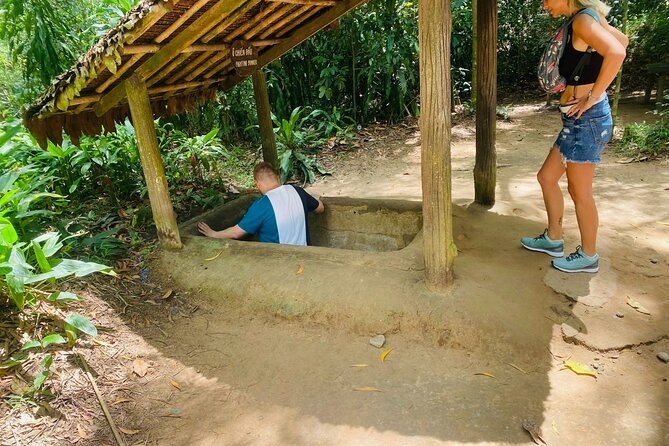
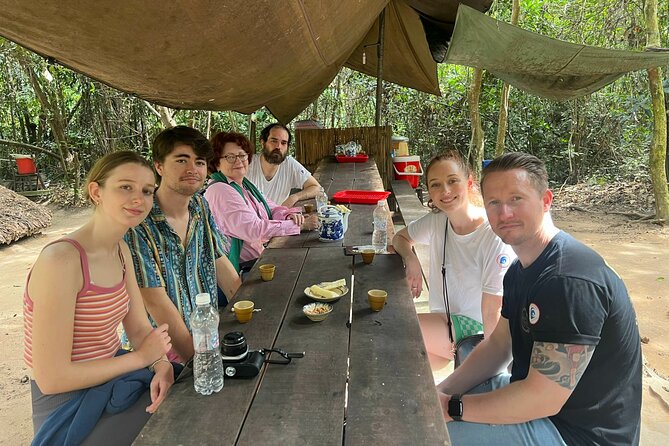
One reason this tour feels more complete than the typical tunnel-only trip is the food and daily-life angle. You’ll taste tapioca, described as locally grown Viet Cong food, right near the tunnels.
That might sound like a small stop, but it changes the tone. It reminds you this wasn’t just strategy and weapons. It was also people trying to eat, work, and survive while living underground.
You’ll also experience parts of the underground Hoang Cam kitchen. Even if you only spend a short time there, the message is clear: underground life required constant problem-solving, and meals weren’t something you could pause for.
It’s a nice balance against the more intense tunnel and trap sections. If you want the war story to include how people managed normal needs under extreme conditions, this is a big plus.
Tan Phu Trung Ward propaganda stop: why it’s included
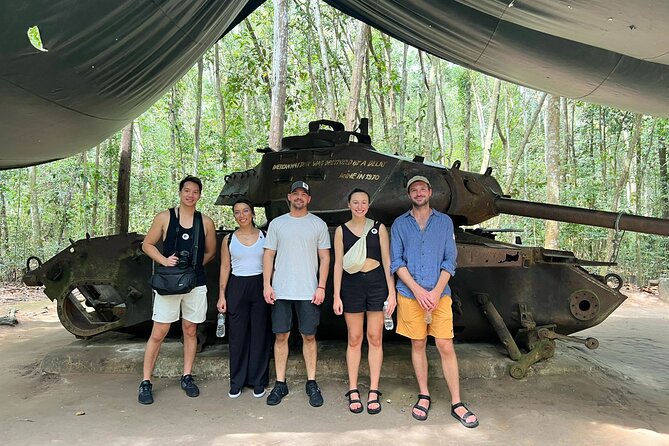
You’ll witness propaganda of Viet Cong soldiers in Tan Phu Trung Ward as part of the tour. The value here is understanding that the tunnels weren’t the whole story. The war was fought through information, morale, and messaging as well as terrain.
Even if you don’t agree with the propaganda, you can still learn from how it was designed to move people. It’s the kind of stop that’s easier to process when your guide talks you through the context in plain language.
This is also where humor from the guide can help. Getting the facts without becoming overwhelmed makes it easier to keep paying attention.
Comfort tips for tiny tunnels (and your knees)
This is not an all-day stroll. Crawling inside tunnels means you should think about comfort and safety more than sightseeing photos.
A few things to keep in mind:
- The tunnels are small and low, so expect hunched posture.
- You’ll likely move at slow speed, so wear shoes that are secure.
- Bring your best attitude for cramped spaces. The tour’s “real experience” angle depends on you staying calm and steady.
If you’re dealing with mobility limits or claustrophobia, you should think carefully before booking. The tour does say most travelers can participate, and service animals are allowed, but the activity itself is physically demanding in a very specific way.
Price and value: what $34 buys you in real time
At $34 per person, this tour competes well for a half-day format—especially because several costs are handled for you. The price includes admission where it matters (Ben Duoc ticket included), plus all fees and taxes.
You also get practical inclusions:
- An air-conditioned vehicle
- Bottled water (two per guest)
- All fees and taxes covered
That matters because Cu Chi days add up fast once you start paying for transport, entry, and extras. Here, you can budget cleanly and focus on the experience.
What’s not included is tips/gratuities. That’s normal, and you can decide what feels fair based on how the guide handles the day.
Who this tour fits best (and who should skip)
This tour is a great match if you want:
- A Cu Chi experience that’s less crowded and easier to move through
- Hands-on moments like crawling rather than just looking
- A guide who explains Vietnam War history in an engaging way (with humor)
- Time for more than one kind of stop, including tapioca and the underground kitchen
It’s also a good choice for families and mixed groups, since the tour caps at 10 people and keeps a controlled pace.
Skip it if you’re set on a relaxed, comfortable sightseeing day. The tunnels require crouching and crawling, and that’s the point of the visit.
Should you book the Ben Duoc Less-Crowded Cu Chi Tunnels Half-Day Tour?
If you want Cu Chi but hate the chaos, I’d book this one. The best reason is simple: you spend the day focused on Ben Duoc, and the smaller group size makes the experience feel more like guided history with room to ask questions. Add the hands-on crawling, the booby trap and tank moments, and the tapioca/Hoang Cam kitchen stops, and you get more than a ticket to a crowded attraction.
Book it if you can handle tight spaces and don’t mind a long ride from the city. If you want to learn the war in a grounded way, while still getting a well-paced day, this tour is a strong pick.
FAQ
How long is the Ben Duoc Cu Chi Tunnels half-day tour?
It runs about 6 to 7 hours total, with time split between pickup/history, the Ben Duoc tunnel complex, and the return to your hotel area.
Is pickup from my hotel included?
Pickup is offered from accommodations in District 1, District 3, and District 4, and it usually takes around 30 minutes to get started.
Where does the tour start?
The listed start point is Notre Dame Cathedral of Saigon in District 1. The tour also notes pickup from certain districts before the start.
Is admission to the tunnels included?
Yes. The Ben Duoc tunnel complex admission is included, and the other listed segments are marked free.
What do I get during the tunnels portion?
You can crawl inside the tunnels, see booby traps, and touch an ex-US Army tank.
Is there any food included in the tour?
Yes. You’ll taste tapioca, described as locally grown Viet Cong food, near the tunnels.
What’s included in the tour price?
The tour includes an air-conditioned vehicle, two bottles of bottled water per guest, and all fees and taxes.
What is the cancellation policy if the weather is bad?
Cancellation is free up to 24 hours in advance for a full refund. If the tour is canceled due to poor weather, you’ll be offered a different date or a full refund.