REVIEW · HO CHI MINH CITY
Cu Chi Tunnels Half-Day Tour: Vietnam War Underground Network
Book on Viator →Operated by TNK Travel · Bookable on Viator
Going underground in Cu Chi changes your sense of scale. On this Ho Chi Minh City tour, you head out to the Ben Duoc tunnel complex, watch a short documentary before you go in, and learn how an underground web was built to protect Vietnamese civilians during wartime air raids.
I really like the small-group format capped at 12, because you get a guide who can slow down and answer real questions. I also like that the tour includes hotel pickup and drop-off in District 1, plus an English-speaking guide, bottled water, and the tunnel admission fee.
One consideration: it’s a long day on the road. Expect a major chunk of time sitting on the A/C van before and after the tunnels, so it helps to plan snacks and a comfy seat.
In This Review
- Key things to know before you go
- Cu Chi Tunnels at Ben Duoc: what you’re really walking into
- Price and value: what you get for about $23.75
- Getting picked up in District 1 (and why that matters)
- The long van ride from Ho Chi Minh City: plan for it
- The Ben Duoc stop: documentary, jungle arrival, and the 200 km story
- Entering the tunnels: what makes this portion memorable
- Traps and survival design: why you should pay attention
- Optional shooting: a personal choice, with a clear extra cost
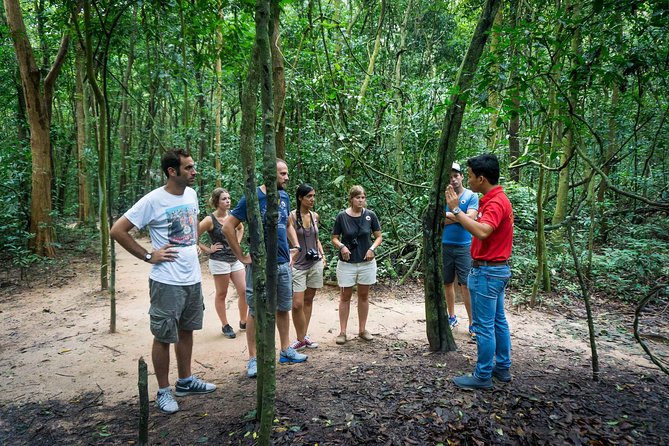
- Small-group size: why 12 people feels different
- Who this tour is best for
- Quick decision guide: should you book this Cu Chi Tunnels tour?
- FAQ
- How long is the Cu Chi Tunnels half-day tour?
- Is hotel pickup and drop-off included?
- Is the tunnel admission ticket included?
- What is the group size limit?
- What’s included in the price besides the tour guide?
- Is the shooting range included?
Key things to know before you go
- A tight group of up to 12 people keeps the pacing human and the questions coming
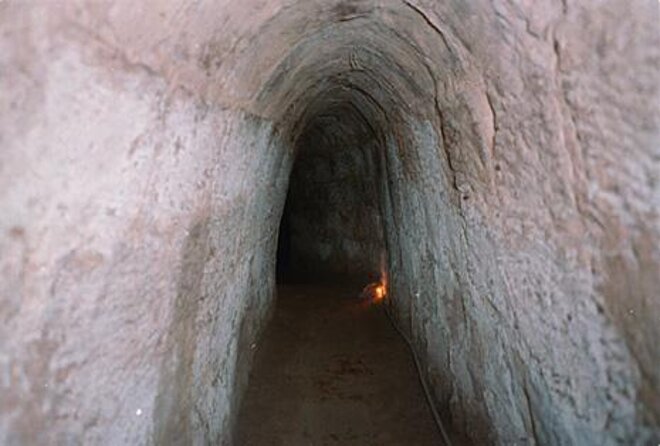
- Ben Duoc + a short war-era documentary sets the scene before you head into the tunnels
- 200 km scale, built with simple tools is part of what makes the underground system so striking
- Trap demonstrations and tunnel sections help you understand the day-to-day logic of survival underground
- Optional shooting range adds a fee (600,000 VND for 10 bullets), and it’s not for everyone
- Long drives from Ho Chi Minh City are baked in, so treat the van ride as part of the tour
Cu Chi Tunnels at Ben Duoc: what you’re really walking into
Cu Chi Tunnels is not a theme park. It’s a surviving wartime survival system that shows how people adapted when the surface became dangerous. On this tour, you start by leaving the city bustle behind and heading out to the countryside, where the Ben Duoc complex brings the story to ground level.
At the site, you begin with a short documentary. That matters, because the tunnels are easier to understand when you’ve already got a timeline and basic layout in your head. After that, you go into the tunnel area and learn how the network functioned, including the use of traps.
The standout promise here is scale. The tour explains that the tunnels formed a vast underground web—reported as 200 km—built with simple tools. That combination of human ingenuity and plain materials is one of the most sobering parts of the experience.
You can also read our reviews of more tours and experiences in Ho Chi Minh City



Price and value: what you get for about $23.75
Let’s talk value, because this kind of half-day tour from Ho Chi Minh City can feel like either a bargain or a trap, depending on what’s included. Here, the base price is $23.75 per person, and it’s not just a van ride.
You get:
- An A/C van
- English-speaking guide
- District 1 hotel pickup and drop-off
- Mineral water (1 bottle per person per day)
- Admission ticket included for the main tunnel stop (Ben Duoc)
On top of that, the tour runs with a cap of 12 travelers, which changes what you experience compared with the big-bus style tours. For the money, you’re buying time with a guide and an organized trip that removes the headache of getting out there on your own.
Where value drops slightly is in the extra-cost options. There’s an optional shooting experience listed as 600,000 VND for 10 bullet. If you don’t want it, skip it. If you do, expect it to be a separate decision, not something baked into the ticket price.
Getting picked up in District 1 (and why that matters)
This tour is designed for convenience in Ho Chi Minh City. Pickup is available from centrally located hotels in District 1, and the van also brings you back after the tunnels.
That matters because traffic and timing can get messy when you try to DIY Cu Chi. A guided transport schedule helps you show up at the right time and reduces the stress of navigating to a remote site.
There’s also a practical note: if your pickup is outside District 1, the tour may involve an extra surcharge. And some streets are restricted due to traffic rules, so the supplier may ask you to meet elsewhere. The good move is to confirm pickup feasibility early—especially if you’re staying near the edges of District 1.
You’ll also have a mobile ticket, which tends to make check-in easier.
The long van ride from Ho Chi Minh City: plan for it
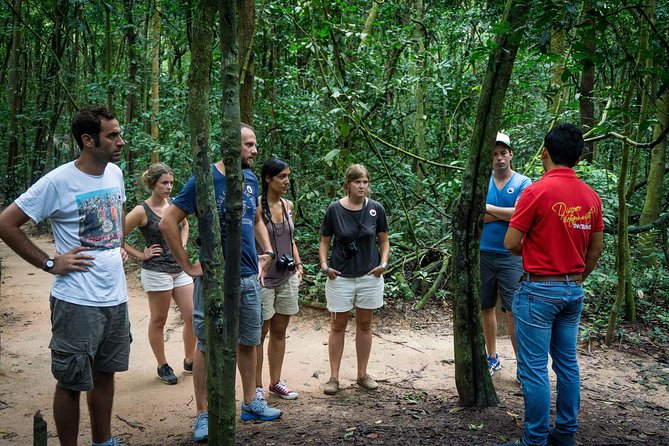
Even with a “half-day” label, this trip feels like a full day because the tunnels are out of town. You leave Ho Chi Minh City and head toward the Ben Duoc area, and you’ll spend plenty of time returning afterward.
The itinerary outlines time on the road in blocks, and the experience description sets expectations: you’re going to spend hours in transit. Reviews often flag this as a real consideration, and I think that’s fair.
How to make the drive work:
- Bring something for your hands (phone battery, power bank, a light snack).
- Dress for a van with changing airflow. A/C can swing from chilly to fine.
- Treat the ride as part of the context. A good guide uses that time to explain what you’ll see, and it keeps the day from feeling wasted.
If you hate long coach rides, this is the one part you can’t skip. The tunnels are worth seeing, but you should go in knowing the rhythm.
The Ben Duoc stop: documentary, jungle arrival, and the 200 km story
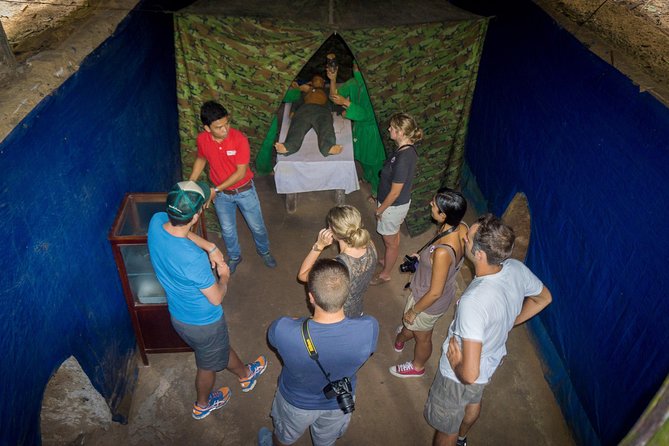
When you reach Ben Duoc, you start with that short documentary. It functions like a warm-up course. You’re not just staring at earthworks—you’re learning the logic behind the system.
Then you head into the jungle area tied to the tunnel complex. This is where the tour focuses on the underground network itself:
- how a 200 km system was built
- how simple tools were used to create it
- how traps were designed into the environment
This is not abstract history. The tour includes time at the tunnel complex where you learn from the guide and see elements tied to the defensive strategy. That “see it, then understand it” approach helps the whole thing land emotionally, not just academically.
And it’s also where the guide’s style matters. Several guide names come up in feedback for this tour—Kevin, Anthony, Dan, Bao, and Tom—often praised for making the long travel time feel faster and for bringing personal perspective. If a guide on your date has a family connection to the war era, you’ll likely feel that in the way they explain the stakes.






Entering the tunnels: what makes this portion memorable

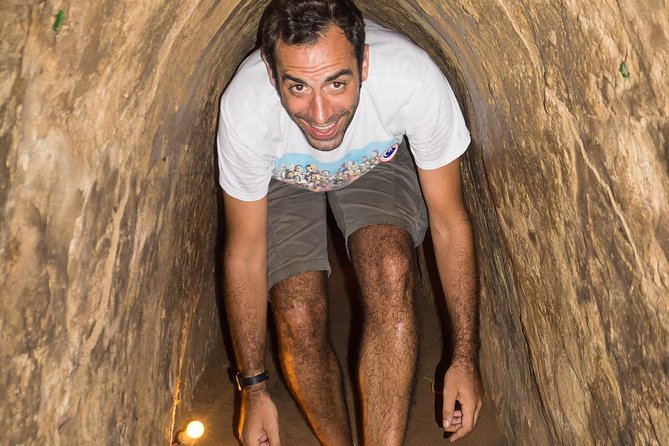
The strongest moments here are the hands-on parts—specifically, time inside the tunnel area. That’s where your brain recalibrates. You understand why underground life required planning, discipline, and constant adaptation.
The tour description highlights traps and the way the network protected residents during wartime conditions. Reviews reinforce that the tunnel portion is a major draw and that it helps people connect the dots between survival and the physical design.
One helpful mindset: go in expecting a mix of education and heavy emotion. This is a war site. Even when the guide is funny or conversational, the subject matter is still about fear, danger, and endurance.
If you’re sensitive to themes of violence or hardship, you may want to mentally pace yourself. You can still enjoy the tour, but treat it like a learning experience with respectful distance when needed.
Traps and survival design: why you should pay attention
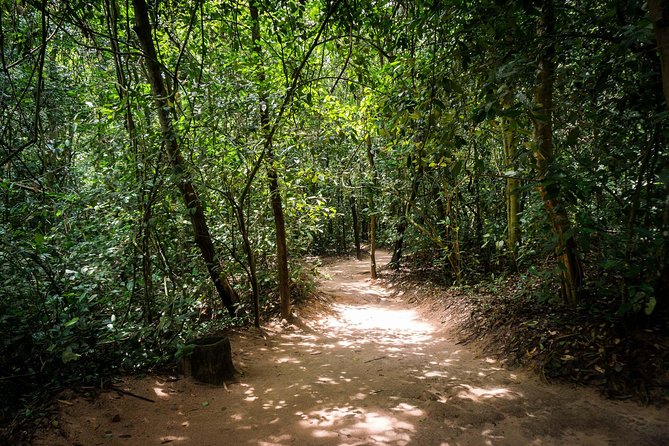
The word trap can sound sensational. Here, it’s really about how people tried to control movement in an environment where being spotted could be fatal.
The tour’s explanation includes traps as part of how the underground network functioned. That means you’ll spend time learning not just what the tunnels were, but how the wider system influenced what happened above and around them.
For me, this is the practical takeaway: defense wasn’t only about hiding. It also involved creating uncertainty, slowing threats, and protecting key routes. Once you see it framed that way, the tunnels become more than a collection of narrow passages. They become a designed environment for survival.
Optional shooting: a personal choice, with a clear extra cost

At Cu Chi, the optional shooting activity is part of the on-site culture. The tour lists it plainly as not included, with a fee of 600,000 VND for 10 bullets.
If that interests you, budget the additional cost and decide in advance. If it doesn’t, you can still enjoy the tunnel experience without touching it. Just remember: the availability and atmosphere at a war-related shooting option can feel intense, so it’s better to think it through than to be swept along.
Small-group size: why 12 people feels different
A maximum group size of 12 changes how the tour plays out. Instead of shouting over a crowd, you get closer to the guide’s explanations. That can mean:
- quicker question-and-answer moments
- less time waiting
- a pacing that fits the history you’re learning
It also helps on the travel segments. When the van ride is long, you’ll appreciate conversation that stays informative rather than chaotic.
If you like tours where the guide can tailor the pace, this format is a strong fit.
Who this tour is best for
This one works especially well if you:
- are visiting Ho Chi Minh City for the first time and want a guided way out to Cu Chi
- prefer a small-group experience over a giant bus
- want more than surface-level facts and appreciate explanations of how the tunnel network operated
- like guides who can combine history with storytelling and personal context
It might be less ideal if:
- you dislike long drives and would rather spend that time in the city
- you want lots of free time during the site visit (this tour is structured)
- you prefer a lighter, purely recreational tour day
Quick decision guide: should you book this Cu Chi Tunnels tour?
Book it if you want an organized, English-guided trip that includes the key tunnel admission and keeps the group small. The $23.75 price, with pickup/drop-off in District 1 and water included, is a solid value for a war-site day trip that would be annoying to coordinate alone.
Pass or rethink if the long van ride will stress you out. The tunnels are the point, but the road time is real, and you should plan to tolerate it.
One last practical thought: you’re going to be dealing with weather. If the day is canceled due to poor weather, the tour offers an alternative date or a refund, so keep your schedule flexible when you can.
FAQ
How long is the Cu Chi Tunnels half-day tour?
The tour is listed at about 7 hours in total.
Is hotel pickup and drop-off included?
Yes, pickup and drop-off are included for centrally located hotels in District 1. Pickup outside District 1 may involve an extra surcharge.
Is the tunnel admission ticket included?
Yes. Admission is included for the Ben Duoc tunnel complex stop.
What is the group size limit?
The tour has a maximum of 12 travelers.
What’s included in the price besides the tour guide?
The price includes an A/C van, English-speaking guide, District 1 hotel pickup/drop-off, mineral water (1 bottle per person per day), and the Ben Duoc admission ticket.
Is the shooting range included?
No. The optional shooting activity is listed as not included, with a fee of 600,000 VND for 10 bullets.