REVIEW · HO CHI MINH CITY
Vung Tau/Ho Chi Minh: Nui Dat, Long Tan, Long Phuoc tunnel
Book on GetYourGuide →Operated by Duy Amma · Bookable on GetYourGuide
War history in Vung Tau feels close, not distant. This half-day route links field sites with memorial places, so you’re not just looking at ruins. I love the Long Tan Cross stop and the way your guide frames what happened in 1966 without turning it into a lecture. One possible drawback: this is emotional ground, so if you dislike serious war history, plan your mindset before you go.
I also like the Nui Dat Kindergarten, built by Australian veterans for local children in 2002. It’s a strong reminder that history doesn’t end when the fighting stops. You’ll be on a local English-speaking tour with transfer and drinking water, usually in an air-conditioned car, so logistics are pretty straightforward.
In This Review
- Key things to know before you go
- The half-day plan from Vung Tau and Ba Ria that actually makes sense
- Nui Dat and Hoa Long village: where the war footprint became a base
- The Nui Dat Kindergarten stop: history with a heartbeat
- Long Tan village and the Long Tan Cross: a memorial you’ll feel
- Horseshoe Hill and the Horse Shoe Fire Support Base: seeing the support role
- Long Phuoc Tunnel: what underground space changes
- Guides, drivers, and the tone of the day (Tony, Joe, Binh, and more)
- What to bring, and how to plan your morning
- Price and value: is $75 per person fair for this route?
- Who should book this tour, and who might want to skip it
- Should you book the Nui Dat, Long Tan, and Long Phuoc Tunnel tour?
- FAQ
- How long is the tour?
- What stops are included?
- Is the tour in English?
- What should I bring?
- Does the price include transportation?
- What’s included in the tour price?
- What isn’t included?
- Can I book with flexible payment and cancel if needed?
Key things to know before you go
- Long Tan Cross memorial honoring 18 Australian soldiers from the 1966 battle
- Nui Dat Kindergarten built by Australian veterans for village children in 2002
- Long Phuoc Tunnel network tour, with a focus on how people moved underground
- Horse Shoe Fire Support Base and Horseshoe Hill, showing the support role in war
- Nui Dat base sites including old bunkers and specific marked areas like SAS hill
The half-day plan from Vung Tau and Ba Ria that actually makes sense
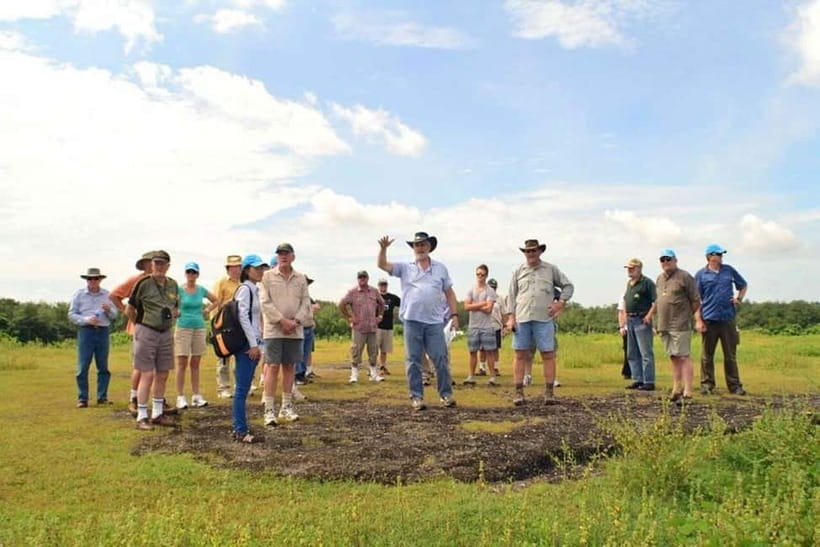
This is a focused morning-style outing built around a few key locations tied to Australian involvement in the Vietnam War. You’ll start from the Vung Tau/Ba Ria area (some pickups can be around Ho Tram), then move out to the Nui Dat and Long Tan area sites, before returning. The pacing works because the stops are close enough to fit together, but spaced enough to let each place land.
If you’re short on time in southern Vietnam and you want more than a quick photo stop, this route is a good match. You get battlefield-adjacent sites, memorial space, and an underground tunnel visit, all with a local English-speaking guide who can explain what you’re seeing and why it mattered.
The practical upside: you’re not planning drives yourself. The tour includes transfer and drinking water, and you’re encouraged to wear comfortable shoes because some ground can be uneven.
You can also read our reviews of more tours and experiences in Ho Chi Minh City.



Nui Dat and Hoa Long village: where the war footprint became a base
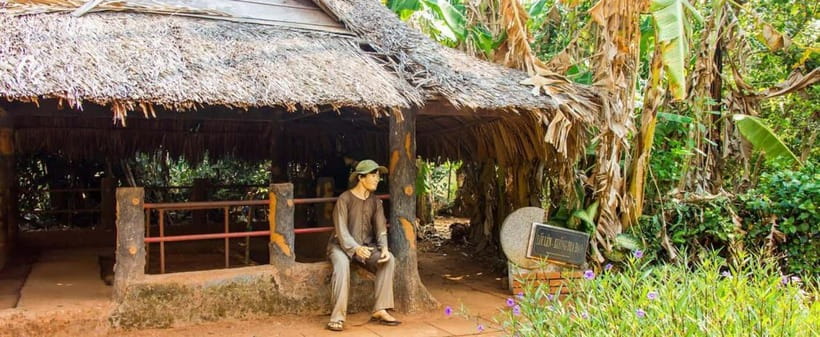
The day’s first bigger stop centers on Nui Dat in Hoa Long village, also known as VC Home. This is the core setting for how Australian forces established and used a base in 1966. You’ll explore areas that still help you picture day-to-day operations, not just dramatic moments from battles.
What makes Nui Dat interesting is that it isn’t one single attraction. You’ll see a collection of marked points, such as old bunkers and several named features, including the Kangaroo pad, SAS hill, Luscombe airfield, and the battalion’s flagpole. Even if you don’t know much going in, your guide’s job is to connect these dots so they feel like a working system.
A couple of considerations:
- Expect more walking than you might think from a half-day schedule.
- Some areas are about what was there, not what you can touch today—so listen for the context that explains the layout.
If you care about the human scale of military history, Nui Dat is where the tour starts doing that work. It turns the war from a headline into something physical: positions, airfield function, base routines, and the idea of control in a contested area.
The Nui Dat Kindergarten stop: history with a heartbeat
After the base-area sites, you’ll visit Nui Dat Kindergarten, which was built by Australian veterans for local children in 2002. This part of the tour can catch you off guard—in a good way. It’s not a museum moment. It’s a reminder that the same region that held conflict later became a place for schools and everyday life.
What I like about this stop is that it adds balance. You’re not only seeing the war’s footprint; you’re also seeing one concrete way relationships and communities can change over time. It’s a simple lesson, but it lands better than abstract speeches.
If you’re traveling with kids or you’re the type who needs a calmer breath in the middle of heavy topics, this is a smart pause. You still stay in the story, but the tone shifts from military infrastructure to something future-facing.
Long Tan village and the Long Tan Cross: a memorial you’ll feel
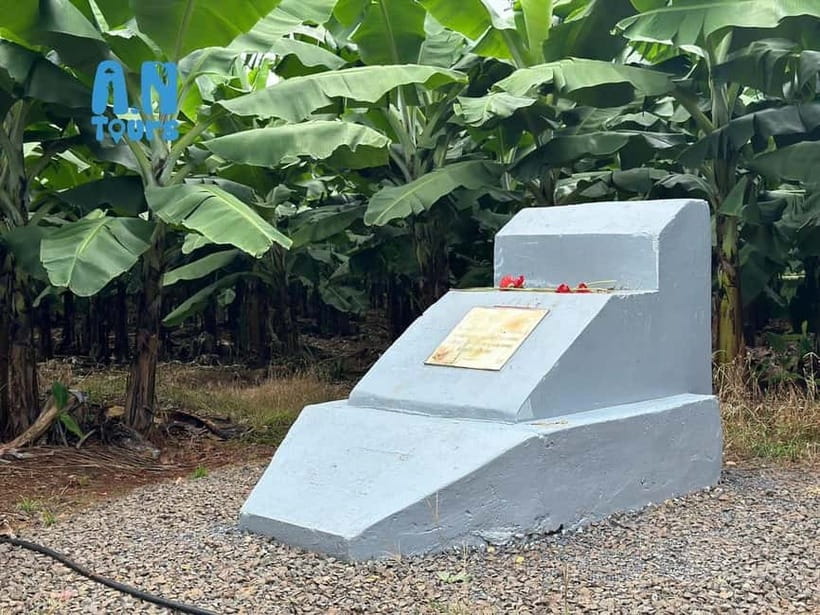
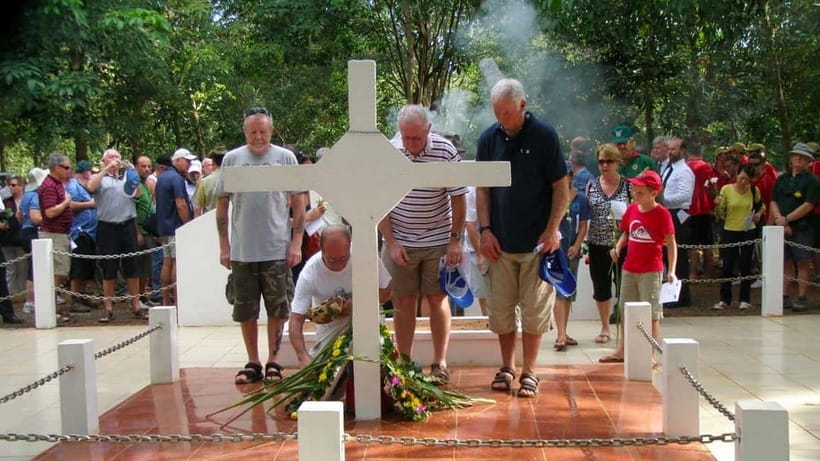
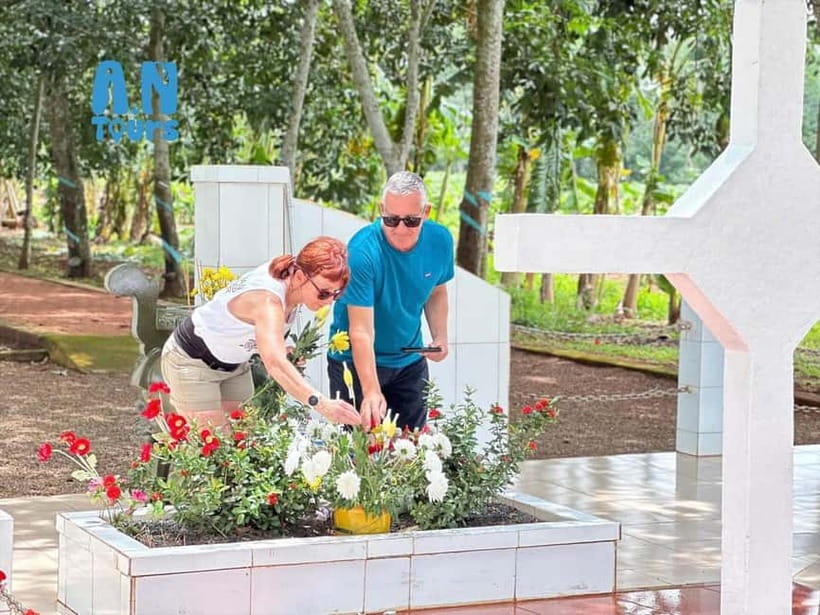
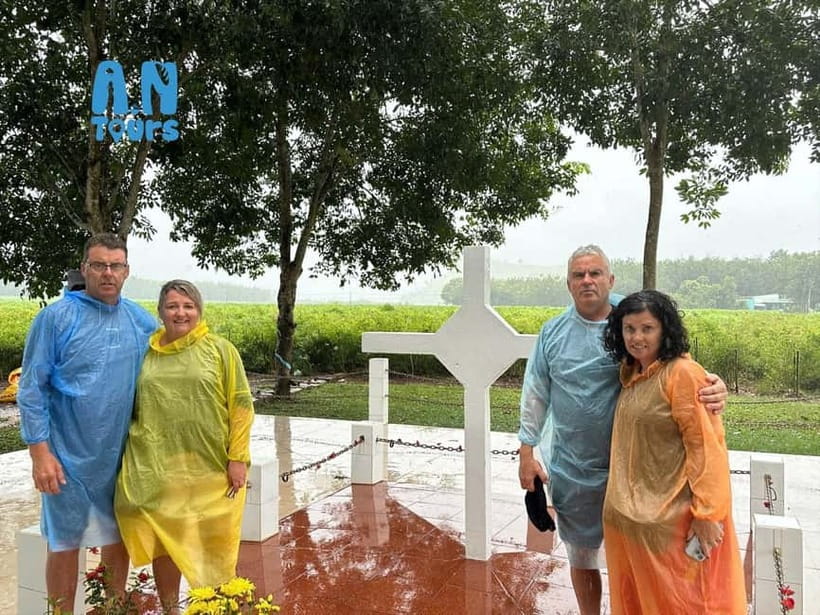
Then you move on to Long Tan village for the Long Tan Cross, a memorial for 18 Australian soldiers who died in the 1966 battle of Long Tan. The cross was rebuilt by Australian veterans, which adds a layer of continued remembrance beyond the original event.
This is one of the most meaningful parts of the tour for many people, and it’s also the part where respect matters most. The itinerary includes a flower for the memorial site, so you’re not arriving to a place of grief as a tourist with only curiosity. You have a small, focused way to participate in the moment.
What makes the Long Tan Cross stop valuable is that it changes how you read the earlier sites. When you’ve walked through base areas and you understand where the fighting framework sat, the memorial isn’t just a name list. It becomes a way to connect the geography to real lives.
Practical tip: give yourself a minute before you take photos. Look first. Then move.
Horseshoe Hill and the Horse Shoe Fire Support Base: seeing the support role
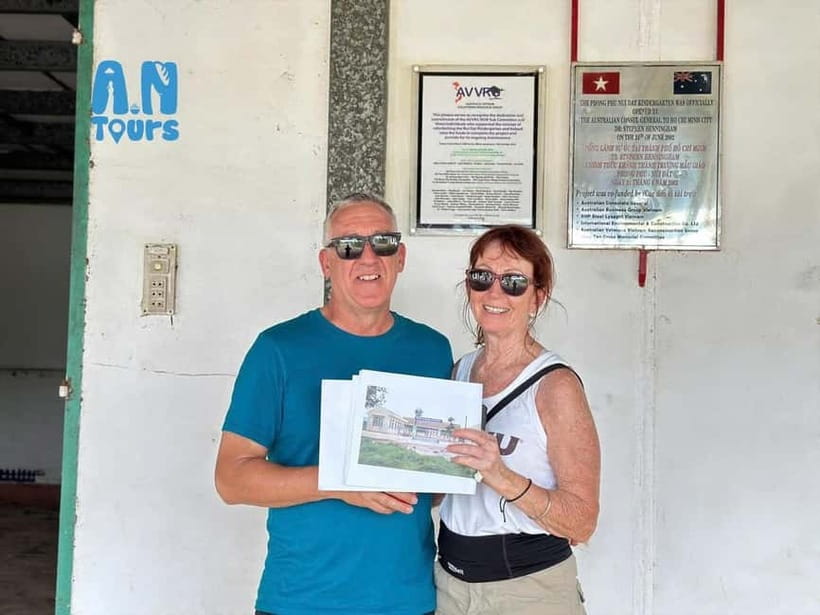
Next comes Horse Shoe Fire Support Base and Horseshoe Hill. This portion helps you understand war mechanics beyond the dramatic label of a battle. A fire support base is about enabling action—how units get coverage, how the battlefield gets shaped, and how positions support movement and defense.
Why this matters: if you only focus on combat stories, you miss how soldiers worked through planning and support. A good guide will explain how this base fit into the wider pattern of operations in the area. Even if you can’t visualize everything, the visit gives you real “this is what they were setting up” context.
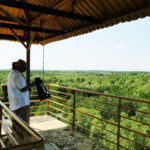
The site also offers a different kind of viewing experience. You’re not just reading markers; you’re standing where artillery-related support strategies were built around terrain and distance. If you’re the kind of traveler who likes cause-and-effect, this stop scratches that itch.


Long Phuoc Tunnel: what underground space changes
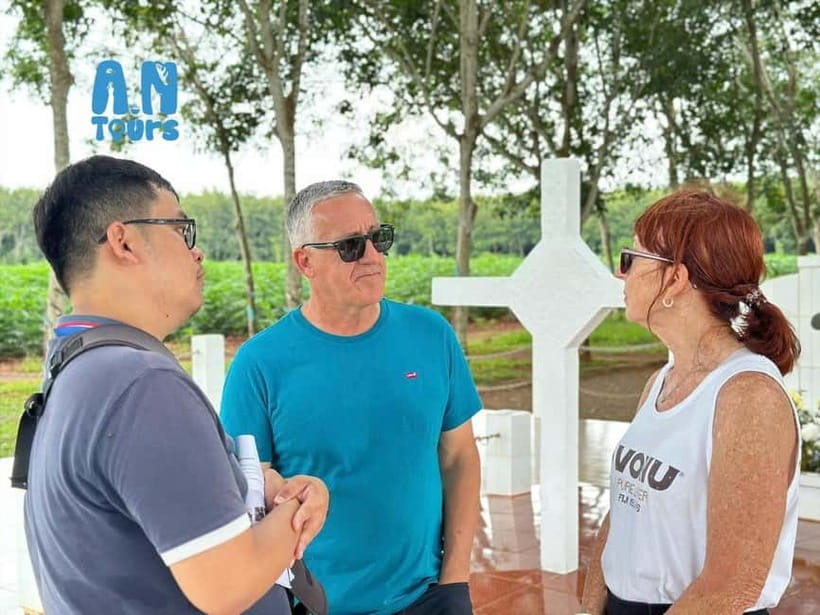
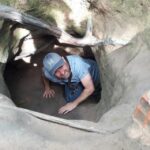
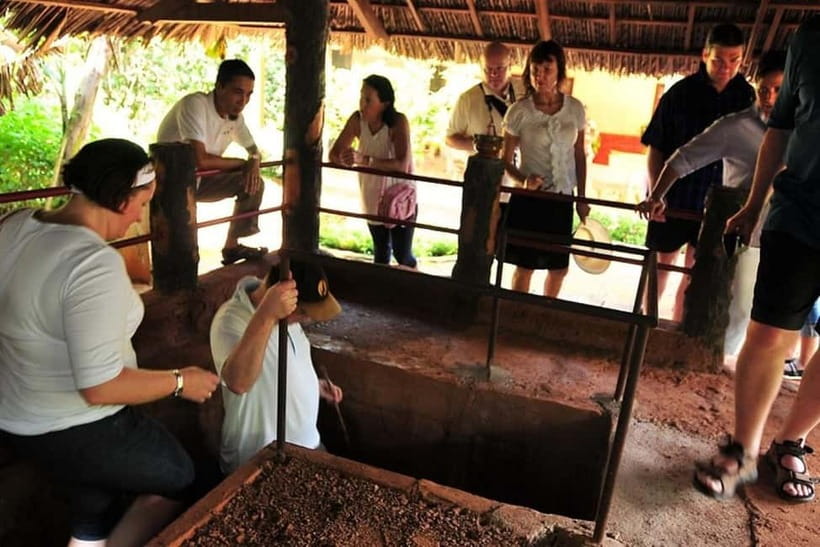
The tour also includes Long Phuoc Tunnel, described as a complex network of underground tunnels. Even without a deep technical explanation, tunnels are easy to understand emotionally and practically. Underground routes change everything: protection, movement, surprise, and the constant pressure of staying hidden.
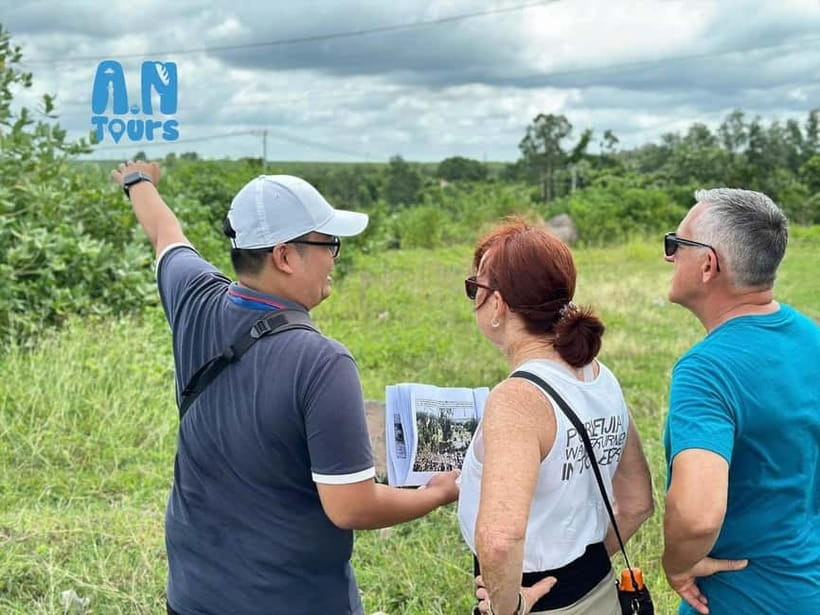
This stop is often the one that makes people ask better questions. Above ground, you see open space. Underground, you start thinking about how people managed time and risk. Your guide’s job is to help you connect tunnel structure to what it allowed—how someone could move, hide, or operate under cover.
A key thing to remember: tunnels can be tight and less predictable than open sites. You’ll want to keep your pace steady and follow your guide’s direction. If you’re at all claustrophobic, it’s worth considering how you normally handle enclosed spaces—because you’re coming to a real-world tunnel network, not a staged exhibit.
Guides, drivers, and the tone of the day (Tony, Joe, Binh, and more)
A big part of the value here isn’t just the sites. It’s the human delivery. Names that come up often include Tony, Joe, and Binh as English-speaking guides, with emphasis on clear communication and a respectful approach to the subject. You’ll also hear praise for drivers like Thong/Thiem, and the overall sense is that you’ll feel safe and looked after during the drive between locations.
What you should look for in the guide style:
- They explain what you’re seeing in plain language.
- They keep the tone respectful, especially at memorial stops.
- They’re comfortable answering questions so you can steer your curiosity.
A couple of reviews also mention humor and a gentle, caring manner, which matters on a war tour. Lightness here isn’t disrespect. It’s emotional pacing—so you don’t get overwhelmed too early in the day.
What to bring, and how to plan your morning
This tour is half-day, so you want to travel ready without overpacking. The big instruction is simple: wear comfortable shoes. You’ll be walking across uneven ground near historical points, plus you may spend time moving between areas quickly to fit the schedule.
Beyond that, I’d keep it minimal:
- Bring water if you don’t trust yourself to drink what’s offered.
- Wear something you don’t mind if it gets warm outside.
- Keep your phone charged enough for photos, but give your eyes time at the memorials.
If you’re prone to getting emotional at war sites, that’s not a flaw—it’s a sign you’re paying attention. Plan to take breaks mentally, especially at Long Tan.
Price and value: is $75 per person fair for this route?
At $75 per person, the price feels reasonable when you look at what you’re actually getting. You’re paying for a local English-speaking guide, transfer, permits and entrance fees, and a few thoughtful inclusions like drinking water and a flower for the Long Tan Cross memorial site.
What that means for you:
- You’re not paying extra to enter multiple locations on your own.
- You don’t have to coordinate transport between scattered historical areas.
- You get context at each stop, which is the difference between visiting sites and understanding them.
The “not included” list is also clear: your other personal expenses and any holiday surcharge for Vietnam are on you. So if you’re planning snacks or want souvenirs, budget a bit beyond the base price.
Overall, I’d call it good value if you want a guided, respectful route with real context—especially if your time in the region is limited.
Who should book this tour, and who might want to skip it
This tour is a strong fit if you:
- Want an Australian Vietnam War-focused experience from Vung Tau/Ba Ria
- Like historical context paired with memorial respect
- Are okay with a serious topic handled thoughtfully
- Prefer a guided route where someone else handles permits and transport
You might want to rethink it if you:
- Avoid enclosed spaces and think you might struggle in tunnel conditions
- Want a lighter day trip with mostly scenic stops and minimal history
- Are sensitive to heavy war content and need a gentler pace
The good news is that the day’s structure helps: you start with base-area context, then move through a child-focused site, and later hit memorial and tunnel spaces. That balance is part of why the tour works.
Should you book the Nui Dat, Long Tan, and Long Phuoc Tunnel tour?
If you’re considering a Vietnam War history day from Vung Tau, I’d say book it if you want meaning, not just movement. The combination of Nui Dat base area points, the Nui Dat Kindergarten built in 2002, the Long Tan Cross memorial moment, and the Long Phuoc Tunnel visit gives you a full set of angles: military operations, aftermath, remembrance, and underground survival.
Go for it if you trust a guide to keep the tone respectful and you’re willing to feel what these places represent. Skip it only if you know you can’t handle emotional war sites or enclosed tunnel spaces.
FAQ
How long is the tour?
It’s a half-day tour from the Vung Tau / Ba Ria area.
What stops are included?
The tour includes Nui Dat Kindergarten, the Long Tan Cross, and the Long Phuoc Tunnel. It also includes the Horse Shoe Fire Support Base, plus Nui Dat base-area points such as old bunkers and specific marked features.
Is the tour in English?
Yes. The tour uses a local English-speaking guide.
What should I bring?
Bring comfortable shoes.
Does the price include transportation?
Yes. Transfer is included.
What’s included in the tour price?
Local English-speaking guide, travel permits + entrance fees, a flower for the Long Tan Cross memorial site, drinking water, and transfer.
What isn’t included?
Guests’ other expenses and any surcharge for a holiday in Vietnam.
Can I book with flexible payment and cancel if needed?
You can use Reserve & Pay Later (book your spot and pay nothing today), and you can cancel up to 24 hours in advance for a full refund.