REVIEW · HO CHI MINH CITY
10-day Small-Group Vietnam Highlight Tour
Book on Viator →Operated by Ginkgo Voyage · Bookable on Viator
A first-time trip to Vietnam works best when someone handles the busywork. This small-group tour strings together the big hits from Ho Chi Minh City to Hanoi, with domestic flights, hotels, and key entrance fees handled for you. That means you spend more energy on Vietnam and less on spreadsheets, transfers, and figuring out what’s next.
I especially like the logistics: private, air-conditioned transport for the sightseeing days, plus a schedule that keeps moving across regions. I also like the way the tour mixes heavy-duty history and culture with real, hands-on river and street time, like the Mekong Delta boat ride and the Hanoi Old Quarter circuit.
One consideration: it’s a packed 10 days. You’ll be in motion a lot (flights, early starts, long days), so if you want slow, freeform wandering, this may feel like constant momentum rather than a relaxed cruise.
In This Review
- Key things to know before you go
- First Steps in Ho Chi Minh City: meeting Tan Son Nhat and settling in
- Cu Chi Tunnels: war history you can feel in your legs
- Saigon’s core memorial stops: Reunification Palace, War Remnants Museum, and the Central Post Office
- Ben Tre by boat and bicycle: the Mekong Delta in one packed day
- Danang to Hoi An: a change of scene that keeps your trip efficient
- Hue Imperial City and Tu Duc: royal Vietnam with breathing room
- Perfume River to Thien Mu Pagoda and Minh Mang: Hue’s spiritual rhythm
- Hanoi highlights in one whirlwind day: Long Bien, Ho Chi Minh Mausoleum, Ethnology, and Old Quarter
- Halong Bay cruise with sampan to Luon Cave: the slow moment you’ll crave
- Price and logistics: is $1,374.36 actually good value?
- Should you book this Vietnam highlights tour?
- FAQ
- How many travelers are in the group?
- What’s included in the tour price?
- Are both the Mekong Delta and Halong Bay included?
- Where does the tour start and end?
- Are domestic flights included?
- Do I need a visa, and are visa fees included?
- Is this tour refundable?
Key things to know before you go
- Max 15 travelers keeps it small enough for questions and smoother pacing.
- Flights included (Ho Chi Minh City → Danang, and Hue → Hanoi) cut down on backtracking.
- Mekong Delta boat day includes stops tied to local work: brick making, coconut processing, and mat weaving.
- Halong Bay includes boat time and a sampan ride to Luon Cave.
- Many admissions are included, so you don’t have to budget at each site.
- Hotel rooms are twin share with daily breakfast, plus bottled mineral water each day.
First Steps in Ho Chi Minh City: meeting Tan Son Nhat and settling in
Your tour starts in Ho Chi Minh City. You meet at Tan Son Nhat International Airport, then transfer to your hotel for the first overnight. The big win here is simplicity: if your arrival times vary, the day still has a clear plan, and you don’t have to negotiate taxis or hunt for a check-in spot right after landing.
Ho Chi Minh City can feel like Vietnam on fast-forward. So I like that this tour gives you a controlled landing: hotel first, then sightseeing the next day. You’ll also have a concrete base to recharge before diving into the war history and museum stops that follow.
If you’re sensitive to schedule pressure, keep in mind the tour is designed around tight route connections. You’ll likely want to pack snacks and water for “in-between” moments, since travel days can be long and not every gap is spelled out with a restaurant option.
You can also read our reviews of more tours and experiences in Ho Chi Minh City.



Cu Chi Tunnels: war history you can feel in your legs
Day 2 begins with Cu Chi Tunnels, where you visit one of the Vietnam War-era sites and see how people survived underground. You’ll watch a documentary video first, which helps set context before you walk into the forest area. Then comes the hands-on part: you’ll see secret hideouts, fighting bunkers, dangerous booby traps, and tanks, and you’ll learn how the tunnels functioned beyond just hiding.
A big reason this stop sticks is the physical reality. You’ll walk and then crawl through narrow passageways to experience the cramped tunnel spaces for yourself. It’s not comfortable in the way a city attraction can be comfortable, but that’s the point. History here isn’t only in text; it’s in scale, tightness, and the effort required to move.
There’s also a taste of local fare: boiled tapioca and tea. It’s a small moment, but it helps balance the heaviness with something grounding and ordinary.
Tip for your comfort: wear shoes you can trust for uneven ground. Tunnel days can involve dirt and tight movement, and you’ll be glad you didn’t pick slippery sandals.
Saigon’s core memorial stops: Reunification Palace, War Remnants Museum, and the Central Post Office
In the afternoon, the tour pivots to central landmarks tied to the story of the city and the war’s end. First up is Reunification Palace, historically the residence of the President of the Republic of Vietnam. The tour includes the famous 1975 turning point: tank number 843 crashing through the gates on April 30, 1975. Even if you don’t memorize every date, you’ll leave with a clear visual understanding of what changed and why the building matters.
Next is the War Remnants Museum. This museum focuses on the war’s impact, and it includes collections of war machinery, weapons, artifacts, and documentation, plus photograph displays connected to foreign and Vietnamese journalists who were lost during the conflict. You can expect a lot of detail and emotion, so plan to take your time. For some people, this museum is one of the most intense days in Vietnam.
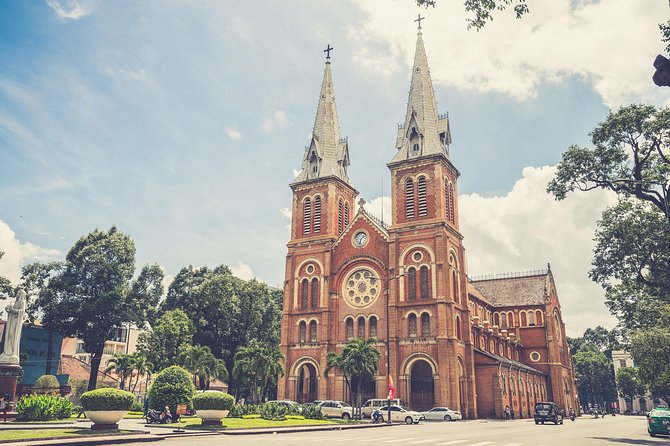
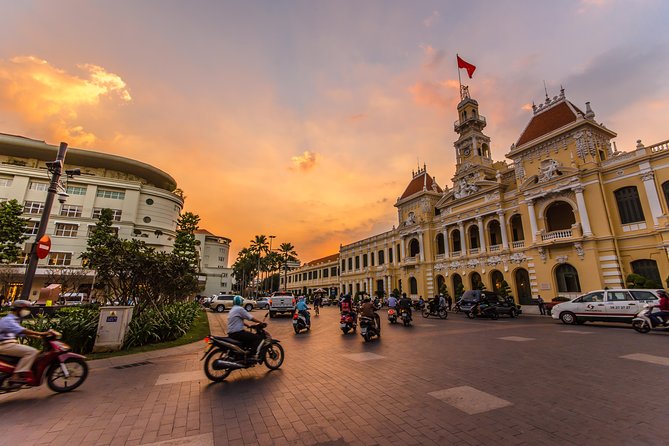
Then you stop at the Central Post Office area and see Notre Dame Cathedral and the Old Central Post Office as examples of classic Saigon architecture. This is a smart contrast after museums: you’re shifting from learning about war and loss to appreciating how the city was shaped by earlier architectural influences.
If you want photos, this area gives you plenty of angles. Try to pace yourself, though. By the end of a museum-and-landmarks run, your feet will feel it.
Ben Tre by boat and bicycle: the Mekong Delta in one packed day
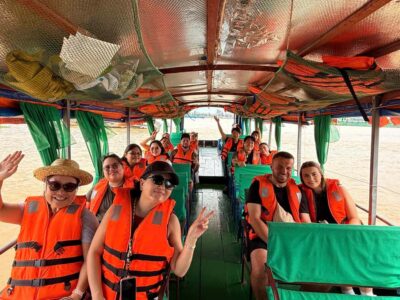
Day 3 is all about the Mekong Delta. You head to Ben Tre and then board a small boat for a look at local work and production. The schedule includes visits to places tied to daily livelihoods such as a small brick factory, a coconut processing workshop, and a local mat-weaving house.
The tour also includes movement on the land: there’s a cycling tour through surrounding fields. It’s a practical break from sitting on a boat, and it helps you understand how the river system and the farms connect. After that, you hop into a sampan for a quieter ride along the canals.
What I like about this setup is that it’s not only scenery. You get practical, “how people live” moments: how materials are made, how products are processed, and how families support themselves along the waterways. If you’ve heard people say the Mekong is about boats and markets, this day confirms that—but it also adds the work behind the goods.
Considerations: it’s a full 8 hours. Even if the boat parts feel slow, the day stacks activities back-to-back. Bring a light layer, since river breezes can make mornings feel cooler than expected.
Danang to Hoi An: a change of scene that keeps your trip efficient
Day 4 is primarily a transition day. You transfer to Tan Son Nhat Airport for a flight to Danang, then move on to Hoi An. No deep-dive activities are listed for this day in the details you have, which is good news if you want a breather after earlier history-heavy time.
This route choice matters because it avoids extra overland time. Flights are included on this trip, and that helps you keep the 10-day structure without burning days in transit.
Hoi An is described as a major Asian trading port in the 17th and 18th centuries, with architecture and a relaxed lifestyle that have changed little over the years. So even if this day is mostly about arrival and settling in, you’re landing in a place meant for walking and lingering.
If you arrive with energy, take a short stroll when you check in. If you arrive tired, prioritize sleep. Your next big blocks are Hue and then Hanoi.



Hue Imperial City and Tu Duc: royal Vietnam with breathing room
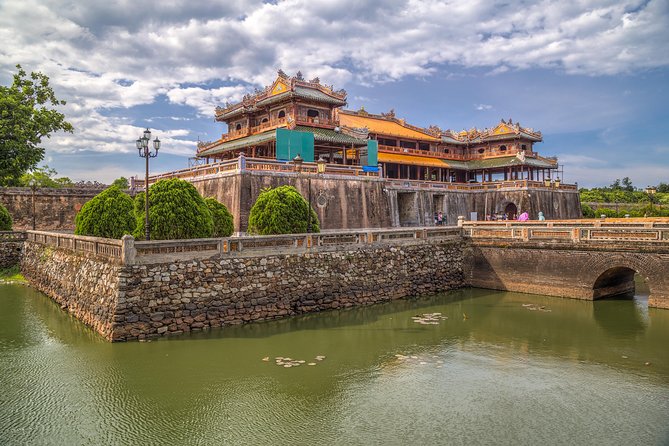
Day 5 moves to Hue, starting with Hue Imperial City, also called the Citadel. This is where the Nguyen Dynasty ruled from 1802 to 1945, so you’ll get a layered sense of Vietnam’s imperial era through gates, walls, and palace structures. The stop is scheduled at about 2 hours, which is long enough to see highlights without turning it into a speed-run.
After that, you head to the Tomb of Tu Duc. This mausoleum is known for traditional architectural styles and a peaceful setting. The tour includes about 1 hour, which helps because these tomb sites work best when you can slow down and look at details in the surrounding grounds.
What I appreciate here is variety of mood: Imperial City is political and monumental; Tu Duc is quieter and more reflective. If you’re building a trip from a first-time overview, this balance helps the story feel complete instead of one-note.
Footwear tip: tombs and citadel areas often involve outdoor walking on uneven surfaces. Comfortable shoes are more valuable than a perfect outfit here.
Perfume River to Thien Mu Pagoda and Minh Mang: Hue’s spiritual rhythm
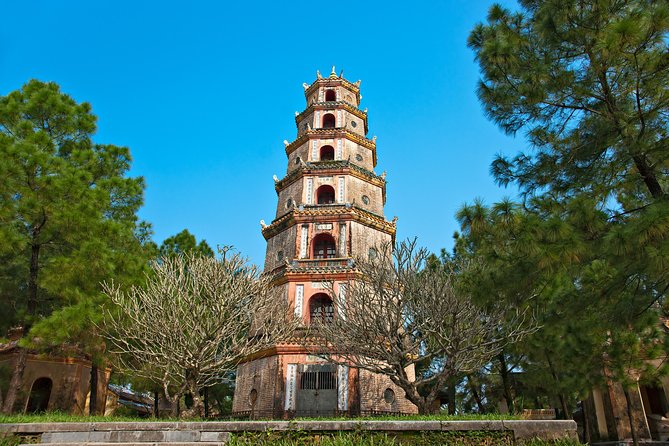
Day 6 starts with a boat trip on the Perfume River to Thien Mu Pagoda, described as Hue’s best-known religious site and the oldest pagoda in Hue. You’ll learn about Buddhism as part of the visit, and the timing gives you a gentle start compared to straight-up monument walking.
Then the tour continues to the Mausoleum of Emperor Minh Mang. You’ll transfer to the site and spend about 1 hour admiring its architecture and setting.
This day is a good example of why logistics matter on a highlights tour. Hue’s key sights are spread out, and combining river travel with tomb visits keeps the travel time from swallowing your sightseeing time.
A practical note: river mornings can be cooler and a bit breezy. If you run cold, pack a light layer even in warm months.
Hanoi highlights in one whirlwind day: Long Bien, Ho Chi Minh Mausoleum, Ethnology, and Old Quarter
Day 7 is the biggest “city culture” day on the route. You start with Long Bien Bridge and a local market stop. The tour describes picking you up early and then observing daily life, which can be a fast way to get your bearings in Hanoi.
After the market, you visit Long Bien Bridge, formerly known as the Paul Doumer Bridge. It’s framed as a French colonial engineering accomplishment, and during the Vietnam War it became a symbol of Hanoi’s resistance to relentless U.S. bombing.
Then comes a series of major landmarks, many with admission tickets included:
- Ho Chi Minh Mausoleum, plus the stilt house garden
- Temple of Literature & National University, Vietnam’s early university tied to Confucius
- Vietnam Museum of Ethnology, with a large collection of artifacts gathered from across Vietnam
- Hoa Lo Prison, also known by the nickname Hanoi Hilton in U.S. accounts, covering French-era torture of political prisoners and later detention of American pilots
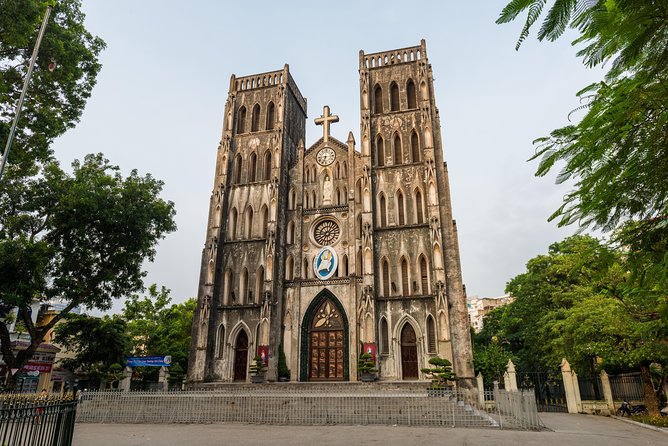
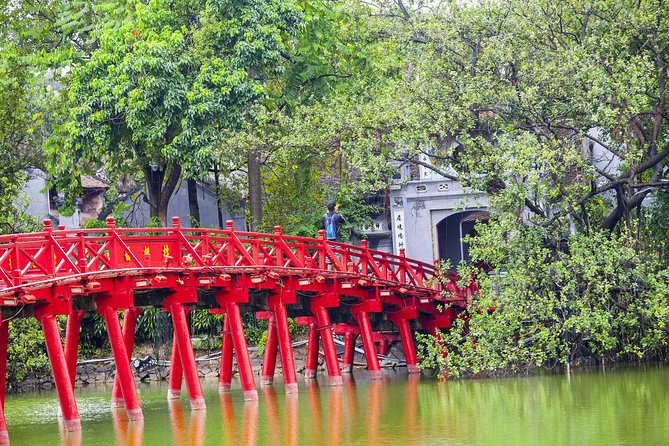
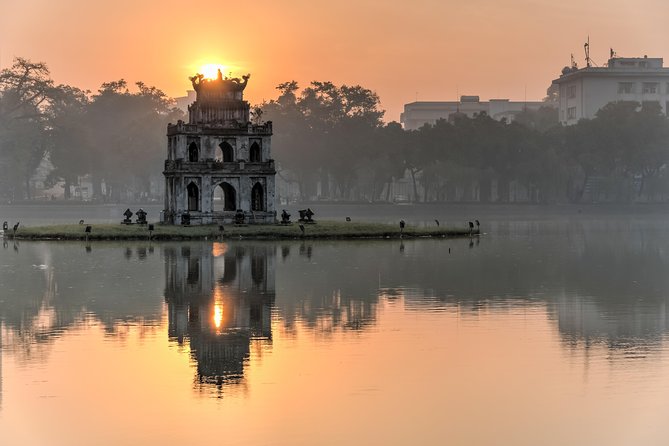
- Old Quarter, where you explore key streets and pass landmarks around Hoan Kiem Lake, Dong Xuan Market, St. Joseph’s Cathedral, and the Hanoi Opera House, plus a cyclo ride through the area
This is an information-packed day. What makes it work is that each stop adds a different layer: colonial engineering, national identity, education and philosophy, cultural diversity, and war memory—all in one flow.
Consideration: this is long. You’ll want to pace yourself mentally. If you feel museum fatigue, treat the last stops (Old Quarter and cyclo) as your reset—street life is a different kind of learning.
Halong Bay cruise with sampan to Luon Cave: the slow moment you’ll crave
Days 8 and 9 are built around Halong Bay. You depart early, through scenic countryside, and then set out by boat for an exploration time of about 8 hours.
Day 9 continues with breakfast served onboard, cruising further around the bay. Then you take a sampan ride to visit Luon Cave, and return to Hanoi for an overnight there.
I like that this isn’t only a one-day “view and go” setup. The route gives you a night back in Hanoi, but you still get two days of bay time, including onboard breakfast and a cave visit. That makes the experience feel more like a trip, not a quick photo stop.
What to plan for: you’ll likely want a light jacket. Boats and caves can mean cooler air than you expect.
Price and logistics: is $1,374.36 actually good value?
At $1,374.36 per person, this tour competes in the midrange for a 10-day highlights route, but it’s easier to judge value when you see what’s included.
Your price covers:
- Hotel accommodation in twin-share rooms plus daily breakfast
- Domestic flights (Ho Chi Minh City → Danang, Hue → Hanoi)
- Private, air-conditioned transportation for the sightseeing listed
- A boat ride in the Mekong Delta
- Halong Bay boat time and the sampan to Luon Cave
- Many entrance fees as indicated
- An English-speaking guide
- Bottled water, plus a 500ml mineral water bottle per person per day
What’s not included is also clearly listed: visa fees if required, international flights to and from Vietnam, meals and drinks outside the program, personal expenses, and tips.
So here’s the value logic: you’re paying for time-saving and stress-saving. Two flights and multiple guided, admission-included days can add up fast if you’re planning yourself. The tour also caps group size at 15 travelers, which often means you spend less time waiting and more time moving with the plan.
One more practical perk hinted by the operator’s reputation: this itinerary relies on tight timing across cities. When delays happen, having a company that can reorganize to protect your schedule is worth real money. You still should build in flexibility in your own travel buffer, but the structure helps.
Should you book this Vietnam highlights tour?
Book it if you want:
- A first-time Vietnam overview without map work and ticket headaches
- A tour that includes major sights plus hands-on moments (tunnels, river work, cyclo in Old Quarter, Luon Cave)
- A small group with an English-speaking guide and lots of admissions covered
Skip it or consider a lighter option if:
- You hate early mornings or long days
- You want lots of free time to choose your own pace day-by-day
- You’re traveling only to relax and not to see a lot of landmarks
One honest decision point: this is a non-refundable tour and cannot be changed for any reason. If your international plans are shaky, wait until you’re confident. And if you book, treat it as a sprint with stops—pack smart, wear comfortable shoes, and plan to enjoy the ride even when it’s moving fast.
FAQ
How many travelers are in the group?
The group has a maximum of 15 travelers.
What’s included in the tour price?
The price includes hotel accommodation in twin-bed sharing rooms with daily breakfast, meals as specified in the itinerary, domestic flights (Ho Chi Minh City to Danang and Hue to Hanoi), all transfers and sightseeing listed by private air-conditioned transportation, boat rides in the Mekong Delta and Halong Bay, entrance fees as indicated, an English-speaking guide, and water (including 1 bottle of 500ml mineral water per person per day).
Are both the Mekong Delta and Halong Bay included?
Yes. You get a boat ride in the Mekong Delta on the Ben Tre day, and a Halong Bay boat cruise with a sampan trip to Luon Cave.
Where does the tour start and end?
It starts in Ho Chi Minh City, with meeting at Tan Son Nhat International Airport, and it ends with a transfer to Noi Bai Airport in Hanoi.
Are domestic flights included?
Yes. The tour includes Ho Chi Minh City → Danang and Hue → Hanoi domestic flights.
Do I need a visa, and are visa fees included?
Visa fees are not included if required.
Is this tour refundable?
No. This experience is non-refundable and cannot be changed for any reason, and the amount paid will not be refunded if you cancel or request an amendment.