REVIEW · HO CHI MINH CITY
Ben Duoc – Authentic Cu Chi Tunnels Private Tour
Book on Viator →Operated by MAIKA TOURS · Bookable on Viator
A day underground in Vietnam sounds dramatic, but this one is practical and guided. You start with a short political-history briefing in the car, then visit the Liberated Area (1961–1972) before heading to Ben Duoc Cu Chi Tunnels for a hands-on look at how the Viet Cong used the forest and tunnels to survive. It’s a sobering topic, yet the way it’s presented is clear, walkable, and easy to follow.
What I love most is the private format: an English-speaking guide stays with you and keeps the story connected to what you’re seeing. I also like that the experience is built around tangible details, from camouflaged entrances to bamboo booby traps and the tunnel ventilation system you can actually point to and understand.
One thing to consider: this is a long, warm day with walking outdoors in the forest area, and lunch isn’t included. If you’re not a fan of war-themed visits or you need a tight schedule with food stops, plan your day accordingly.
In This Review
- Key Things You’ll See on the Ben Duoc Cu Chi Tunnels Tour
- Starting in Ho Chi Minh City: The 8:00 AM Pickup and Pre-Tunnel Briefing
- Liberated Area (1961–1972): Why This Calm Spot Matters
- Ben Duoc Tunnels: Camouflaged Entrances, Bamboo Traps, and Ventilation
- The Private Guide Advantage: Getting Answers Without Rushing
- Price and What You’re Really Paying For
- Getting the Most Out of the Day: Timing, Heat, and What to Bring
- Who This Tour Suits Best
- Should You Book Ben Duoc – Authentic Cu Chi Tunnels Private Tour?
- FAQ
- What time does the Ben Duoc Cu Chi Tunnels private tour start?
- How long is the tour?
- What is the price per person?
- Is pickup from my hotel included?
- Is this tour private?
- What’s included in the price?
- Is lunch included?
- What should I bring?
- What should I wear?
- What is the cancellation policy?
Key Things You’ll See on the Ben Duoc Cu Chi Tunnels Tour
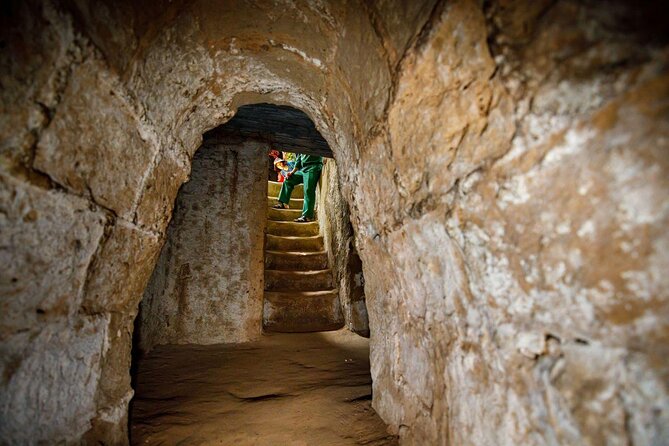
- Liberated Area (1961–1972): a surprisingly peaceful setting that helps you picture life during the fiercest war years
- Ben Duoc tunnel entrances camouflaged by the forest: a realistic look at how people hid movement and supplies
- Bamboo trap explanations: you’ll see the logic behind the danger, not just the shock value
- Ventilation inside the tunnel system: small design choices that mattered for survival
- English-speaking private guiding: you can ask questions and keep your pace
- AC pickup and drop-off: comfort on the road, especially on a 6-hour outing
Starting in Ho Chi Minh City: The 8:00 AM Pickup and Pre-Tunnel Briefing

The day starts early, with pickup offered from your accommodation and a 6-hour total timeframe. You board a fully air-conditioned vehicle and head out through Ho Chi Minh City’s street life, which helps you get oriented fast before you’re hit with heavier themes.
A key part of the morning is the guide’s prep talk. Before you ever reach the tunnels, you’ll get an explanation of Vietnam’s political history aimed at making the tunnel story make sense. I like this approach because it keeps the visit from turning into a checklist of sights; you understand why people built underground spaces and how those choices fit the war years you’re about to see.
If you like days that flow without gaps, this style works well. You’re not waiting around for the “main event.” The story starts moving from minute one.
You can also read our reviews of more private tours in Ho Chi Minh City



Liberated Area (1961–1972): Why This Calm Spot Matters
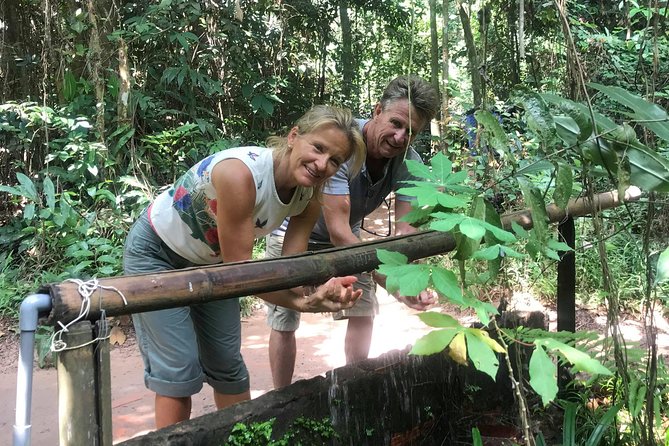
After about an hour and a half drive, you arrive at the Liberated Area, where you can get a feel for life of Viet Cong guerrilla fighters during the intense period from 1961 to 1972. The most striking thing is how peaceful the area feels now. That contrast is the point.
As you wander around, you’re looking at a place that invites imagination. You can’t see a war in progress, but you can understand what “living and working under pressure” meant when the environment and daily routines had to be shaped by conflict.
This stop is also useful because it gives your brain a base layer before you go under the ground. Instead of jumping straight from war headlines to tunnels, you get context for how people used geography, cover, and coordination. It makes the later visit feel less like a museum exhibit and more like a working system.
Practical note: this is an outdoor stretch, so you’ll want your sun protection ready even though part of the day moves into shaded forest areas later.
Ben Duoc Tunnels: Camouflaged Entrances, Bamboo Traps, and Ventilation
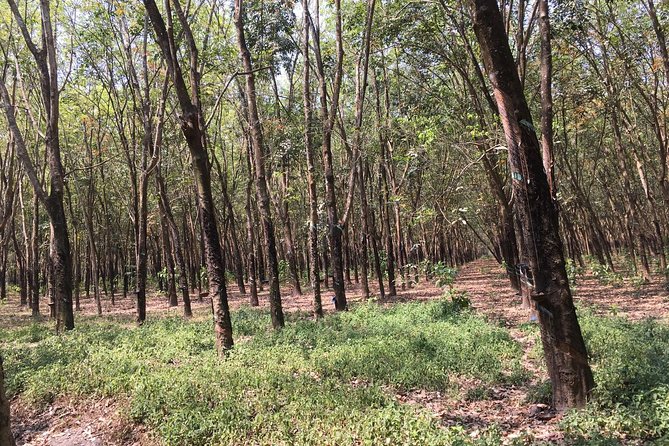
Ben Duoc is where the experience gets real in a very visual way. Once you arrive, you move into a shaded, forested environment with trees and bamboo around you. Your guide shows you the location as you learn how the tunnels functioned as part of a wider underground base.
The first standout detail is the camouflaged entrances. Instead of being obvious and showy, the entrances are the kind of thing you’d miss if you weren’t paying attention. That’s important for understanding the purpose: concealment wasn’t a bonus; it was survival.
Then come the traps and the engineering. Expect to learn about bamboo booby traps and how they fit into the logic of controlling movement and protecting key points. These aren’t just described as scary ideas. You get explanations that connect the environment to the choices people made.
Another detail I appreciated is the attention to the ventilation system. It’s easy to think of tunnels as simple holes in the ground. Seeing and understanding ventilation reminds you that an underground life had to solve everyday problems like airflow, not just hide people from sight.
And yes, you also get a chance to experience the tunnels up close, not only stand around watching. That hands-on element is what turns the story into something you can understand with your senses, not just your brain.
One balancing thought: war history can feel heavy. The tour doesn’t ignore that, but the pace stays organized and focused on what you’re seeing and how it worked.
The Private Guide Advantage: Getting Answers Without Rushing
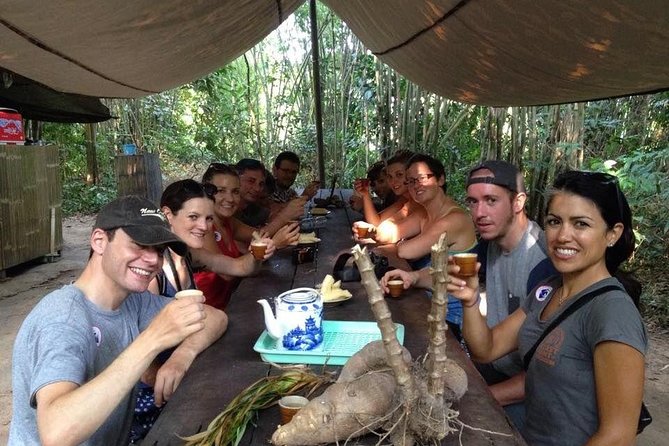
This is a private tour, meaning it’s only your group, guided throughout by an English-speaking person. That matters more than it might sound.
In a small-group or larger setup, you often spend time waiting for others or trying to catch up when a guide explains something specific. Here, you can move at a sensible pace, ask questions, and stick with the details that actually interest you. It’s also easier to track what your guide is pointing out, especially in a forest where directions matter.
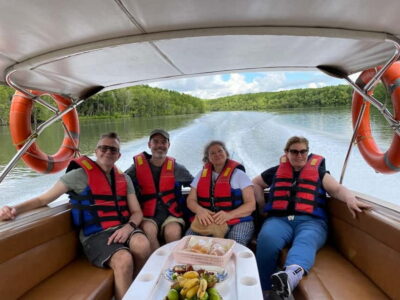
One name that came up in my notes from guide experience is Tan. The standout idea is that he’s professional and keeps the visit feeling personal, like the tunnels are the focus rather than a rush-through photo stop. That also includes small, practical kindnesses like helping coordinate a stop to buy roadside fruit and snacks along the ride to and from the tunnels.
Even if your guide isn’t Tan, the private format usually gives you the same benefit: a guide who can shape the day around your group instead of herding everyone through.
Price and What You’re Really Paying For
At $95 per person, this tour isn’t the cheapest way to visit the Cu Chi Tunnels area. But it also isn’t a stripped-down budget outing.
Here’s where the value comes from, based on what’s included:
- admission tickets tied to the tunnel stop
- an English-speaking guide who explains the site while you’re there
- a fully air-conditioned vehicle for the pickup and ride out
- two bottles of water
- all taxes included
When you add those together, the price starts to look like a “whole package” day rather than a pay-as-you-go plan. The admission piece matters because it reduces the friction of planning and lets you focus on the experience.
The main “watch this” part is that lunch isn’t included. The tour does mention dietary requirements can be catered for if you get in touch beforehand, so if food is a concern, handle that request early. If you don’t, you’ll want a backup plan so the afternoon doesn’t feel like an energy crash.
If you want a war-history day with clear interpretation and comfort during transit, this price can make sense. If you’re only chasing the lowest cost, you might compare alternatives before booking.



Getting the Most Out of the Day: Timing, Heat, and What to Bring
This trip is built for a full half-day: pickup in the morning, about an hour and a half to reach the first stop, then time at Ben Duoc for the tunnel experience. With roughly 6 hours on the clock, you’ll want to treat it like a real outing, not a quick errand.
What I’d pack is pretty straightforward:
- Sunscreen
- a hat
- insect repellent
- a light jacket
That jacket note matters more than you’d think. You may feel fine on the road in the sun, then switch to AC in the vehicle, then spend time outdoors again. Light layers help you stay comfortable without overheating.
What to wear is also clearly stated: dress respectfully, with knees and shoulders covered. In practice, that’s a simple rule that also helps with sun and insect protection in a forest environment.
Also, consider water habits. Two bottles are included, but with outdoor walking, you may appreciate pacing yourself and sipping rather than chugging.
Who This Tour Suits Best
This Ben Duoc private tour is a strong match if you want:
- a guided Cu Chi Tunnels visit with explanations in English
- the chance to go under and experience the tunnels up close, not just read a sign
- a schedule that includes both Liberated Area context and the Ben Duoc tunnel details
It’s also a good pick for couples, friends, and solo travelers who like control. Private tours tend to work well when you want questions answered without feeling rushed or awkward.
If you’re traveling with limited tolerance for uncomfortable topics, consider your own comfort level. War-related sites can be emotional. That said, the structure of this tour keeps it grounded in how the system worked and what it meant for daily life.
Should You Book Ben Duoc – Authentic Cu Chi Tunnels Private Tour?
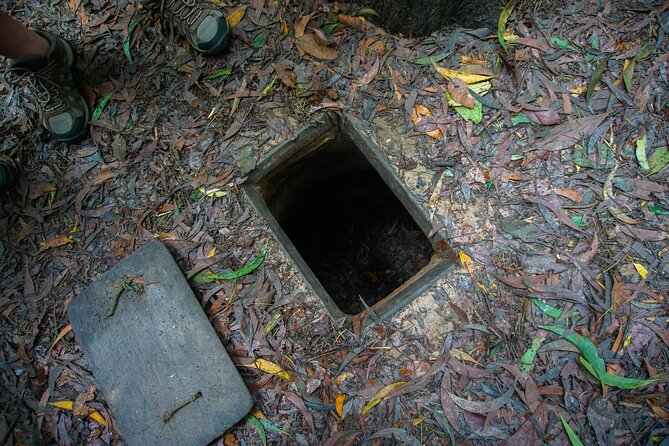
I think you should book this tour if you care about understanding what you’re seeing. The best part isn’t just the tunnels themselves; it’s the combination of context, then specific details like camouflaged entrances, bamboo traps, and ventilation, explained by an English-speaking guide in a private setup.
Skip it or think twice if:
- you’re hoping for a short, easy stop with no walking or heavy subject matter
- lunch timing is critical for you and you won’t sort out a plan in advance
- you’re trying to get the lowest possible price and don’t value admission and guided interpretation
For most people who want a meaningful Cu Chi day trip from Ho Chi Minh City without the stress of planning, this one is a solid bet.
FAQ
What time does the Ben Duoc Cu Chi Tunnels private tour start?
The start time is 8:00 am.
How long is the tour?
It runs about 6 hours (approx.).
What is the price per person?
The price is $95.00 per person.
Is pickup from my hotel included?
Yes, pickup is offered.
Is this tour private?
Yes. Only your group will participate.
What’s included in the price?
All taxes, a fully air-conditioned vehicle, two bottles of water, an English-speaking guide, and admission ticket(s) for the tunnel stop are included.
Is lunch included?
Lunch is not included. The tour can cater for dietary requirements if you contact beforehand.
What should I bring?
You should bring sunscreen, a hat, insect repellent, and a light jacket.
What should I wear?
Wear clothes respectfully, with knees and shoulders covered.
What is the cancellation policy?
You can cancel for a full refund up to 24 hours in advance of the experience start time.