REVIEW · HO CHI MINH CITY
Can Gio Mangrove Eco And Wildlife Discovery Tour
Book on Viator →Operated by Hoi An Express Travel · Bookable on Viator
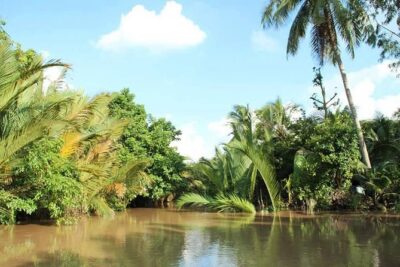
Canoes through a recovering war zone sound odd. In Can Gio Biosphere Reserve, you trade city noise for Vam Sat wetlands, where nesting birds, crocodiles, and bat lagoons show you how nature bounces back.
What I like most is the way the day mixes real wildlife moments with guided context, so you’re not just snapping photos—you’re understanding what you’re seeing.
My second favorite part is the mix of views and meaning: the Tang Bong Tower panorama is a great photo payoff, and later you’ll walk through the story of Rung Sac Guerrilla Base. One possible drawback: this isn’t a pure wildlife safari. If you want nonstop animals only, you may find the Vietnam War history weighs more than expected.
In This Review
- Key tour highlights that make this one work
- Why Can Gio feels different from typical HCMC day trips
- Pick-up at 8:00 am and the ride out of the city
- Dan Xay Bridge: the canoe start that sets the tone
- Nesting birds, a crocodile swamp, and a bat lagoon
- Practical note for animal lovers
- Tang Bong Tower: the 26-meter viewpoint that sharpens your sense of place
- Lunch in the middle of the day (and why it helps)
- Monkey Island: Can Gio Museum and mangrove conservation in one stop
- Thousands of monkeys and the kind of tracking you do from a canoe
- Rung Sac Guerrilla Base: the war story tied to today’s mangroves
- Price and value: is $169 worth it?
- Who should book this tour (and who might skip it)
- Quick FAQ for planning your day in Can Gio
- FAQ
- How long is the Can Gio Mangrove tour?
- What time does the tour start?
- Is hotel pickup and drop-off included?
- What’s included in the price?
- What wildlife might I see during the tour?
- How big is the group?
- Is a traditional Vietnamese lunch provided?
- Can I cancel and get a full refund?
- Is it okay for most travelers physically?
- Should you book this Can Gio mangrove tour?
Key tour highlights that make this one work
- Small group (max 15): easier to hear the guide and move at a human pace
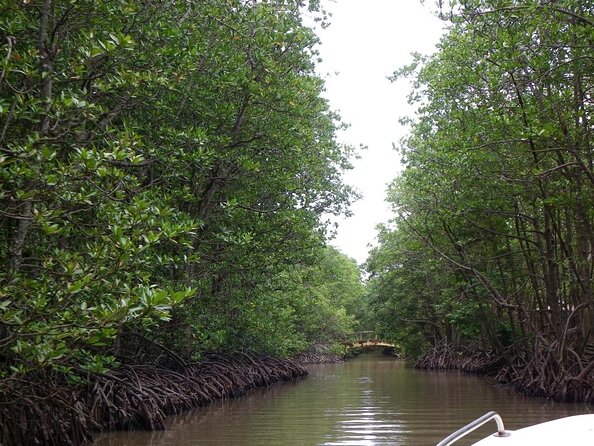
- Canoe time on mangroves: a closer, slower way to see the reserve
- Wildlife variety in one day: nesting birds, crocodiles, bats, and thousands of monkeys
- Tang Bong Tower (26 m / 85 ft): big-sky views that help you orient fast
- Rung Sac Guerrilla Base history: you’ll connect today’s mangroves to wartime damage
Why Can Gio feels different from typical HCMC day trips
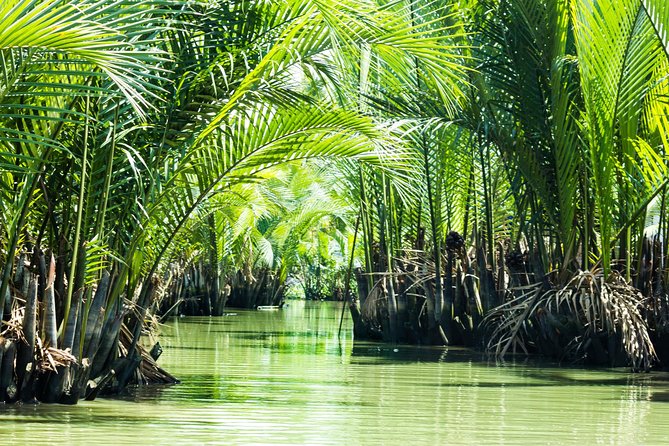
If you’ve done the usual Ho Chi Minh City shortcuts, Can Gio feels like a reset button. You head into a UNESCO-listed biosphere reserve where mangroves regrew after heavy damage from wartime chemical warfare. That change in setting—and the reason for it—is the backbone of the day.
This tour also does a smart job of pacing. You get water-based wildlife viewing early, then you rise up for views, then you shift gears to conservation and history. You end the day back in Ho Chi Minh City without needing extra planning.
You can also read our reviews of more tours and experiences in Ho Chi Minh City
Pick-up at 8:00 am and the ride out of the city
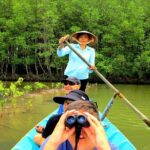
The day starts at 8:00 am with hotel pickup in central Ho Chi Minh City. You travel in an air-conditioned minivan, which matters here because it’s an eight-hour outing and the reserve can feel hot and humid depending on the day.
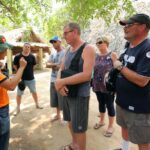
The group stays small, and the tour includes bottled drinking water plus an English-speaking guide. If you prefer another language, the guide may be arranged for a surcharge, but English support is the standard.
Dan Xay Bridge: the canoe start that sets the tone
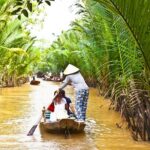
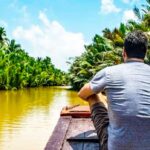
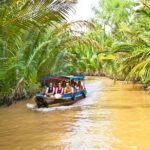
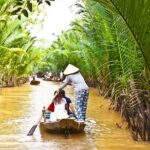
Your first big step is reaching Dan Xay Bridge, where the tour moves from road travel to water travel. From there, you’ll go by motorized canoe/boat in the Vam Sat area. This is one of the most “real” parts of the day because you’re not rushing from stop to stop on dry land.
You’ll also have a clear wildlife target right away: bird nesting in the natural bird reserve within the Vam Sat Eco-Tourist Zone. The guide’s job is to help you read the area, not just point at it—so you’ll know what to watch for and why it matters.
Nesting birds, a crocodile swamp, and a bat lagoon
This is where the tour earns its eco and wildlife label. In the bird reserve area, the focus is on nesting birds—especially during the May to October peak season. That timing matters because nesting activity is the point, not random sightings.
Next comes one of the most dramatic sections of the day: the crocodile swamp. You’ll get fearsome facts about crocodiles in their habitat, and you may even be able to spot a newborn crocodile. Even if you don’t see one up close, the guide’s explanation helps you understand the incubation process and how these animals persist in a mangrove-and-wetland environment.
Then you shift to the bat lagoon. The lagoon stop adds variety without turning the day into a checklist of random attractions. It’s a reminder that the reserve is layered—birds, bats, reptiles, and the mangrove ecosystem supporting them all.
Practical note for animal lovers
You’re in a wetland reserve, so sightings depend on conditions and timing. I’d treat the day as “guided wildlife viewing,” not a guarantee of perfect animal encounters.
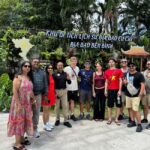
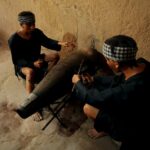
Tang Bong Tower: the 26-meter viewpoint that sharpens your sense of place
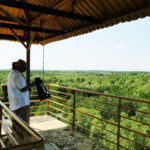
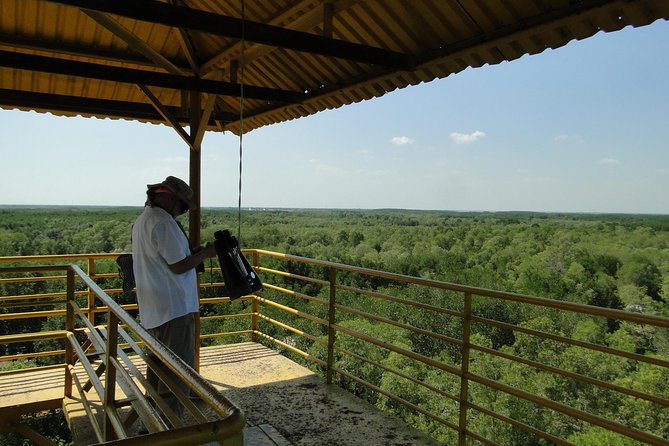
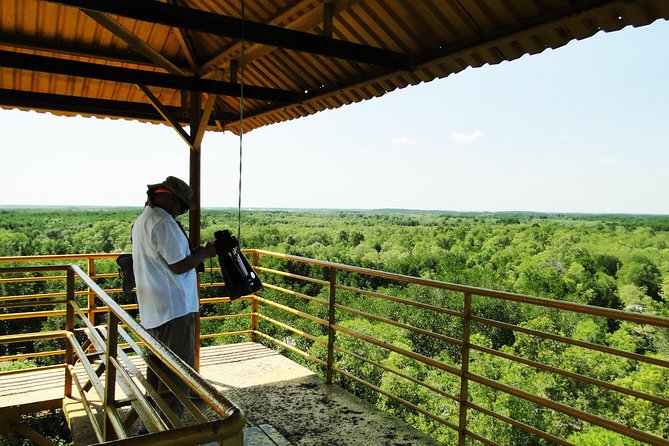
After the water time, the day moves upward. You climb to the summit of Tang Bong Tower, which stands at 85 feet (26 meters). It’s not a long climb, but it’s a meaningful one because height gives you context you can’t get from inside the trees and canals.
From the top, you’ll get panoramic views of the surrounding reserve and—according to the tour flow—a glimpse of the Rung Sac Guerrilla Base area. For me, this is the moment where the day starts to connect: the natural world you saw in the water now has a broader setting, and later stops make more sense.
Lunch in the middle of the day (and why it helps)
After the tower, you return to land and take a traditional Vietnamese lunch at a local restaurant. Lunch is included, along with bottled drinking water.
This break matters because the rest of the day involves walking, canoe rides, and museum time. A solid meal helps you enjoy the second half instead of running on travel momentum.
Monkey Island: Can Gio Museum and mangrove conservation in one stop
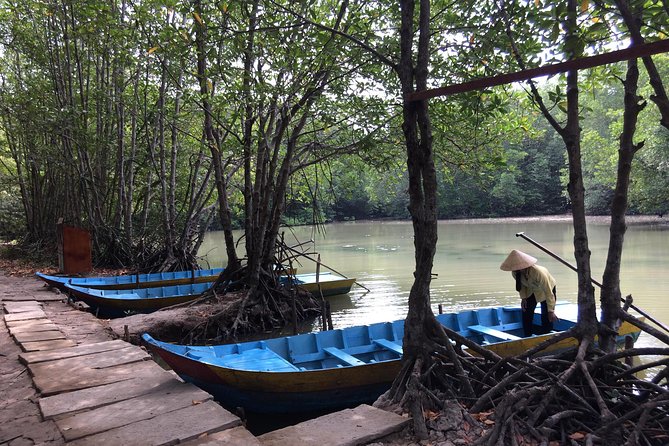
The afternoon takes you to Forest Park, commonly associated with Monkey Island. Here the day turns from “spot animals” to “understand the system.”
You’ll visit the Can Gio Museum, where you can learn about biodiversity and the mangrove forest—why the ecosystem supports so many species. After that, you’ll move into Mangrove Forest Park Fauna Conservation, where the focus shifts back to living animals and the conservation angle behind protecting them.
This section works well for two kinds of travelers:
- People who like nature but want the “why”
- People who like wildlife but don’t want it separated from its environment
Thousands of monkeys and the kind of tracking you do from a canoe
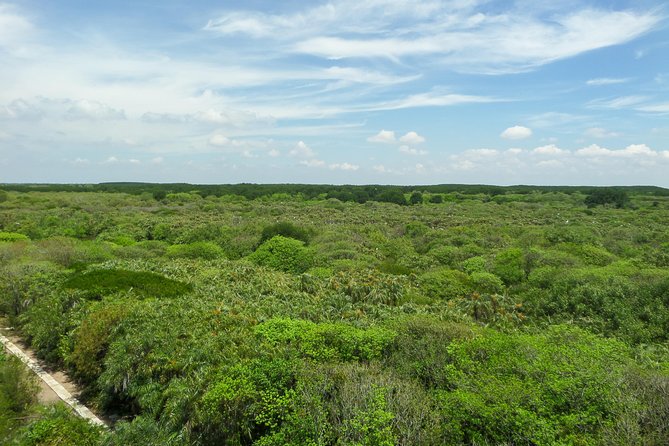
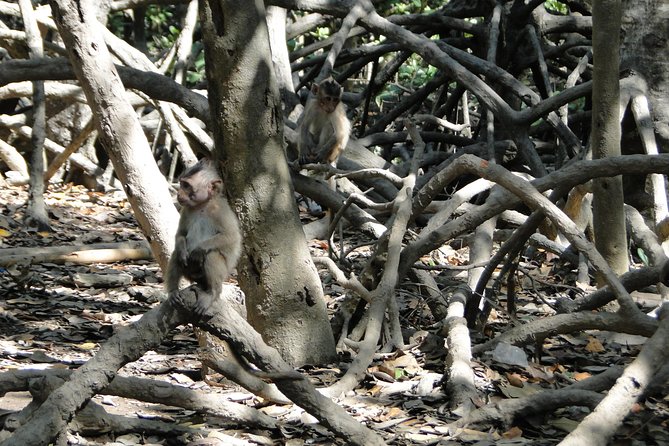
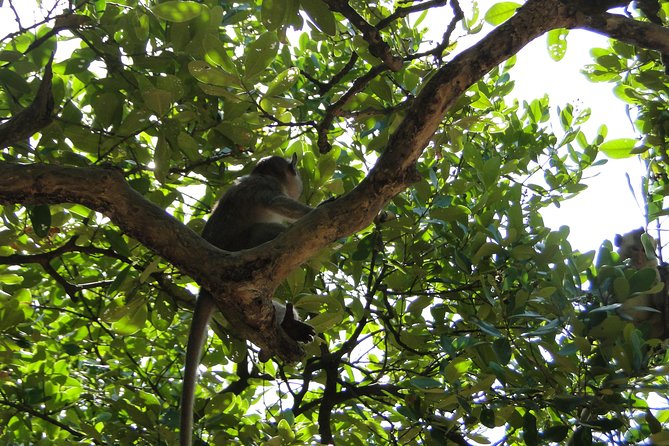
In Mangrove Forest Park Fauna Conservation, the tour emphasizes animal presence—especially thousands of monkeys. You’ll cruise around the area, and the guide can help you spot animals in the thickets rather than just hoping they appear.
The tour description also points to other potential wildlife you might notice while moving through the reserve, including wild cats, pythons, and deer. You shouldn’t assume you’ll see all of them, but the point is that you’re scanning a real habitat rather than a fenced attraction.
One more detail that makes this section feel practical: you’re traveling by canoe through a naturally diverse area. You’re not only looking at animals; you’re moving in the same channels they use and the habitat they depend on.
Rung Sac Guerrilla Base: the war story tied to today’s mangroves
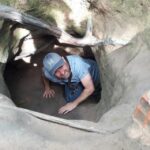
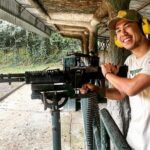
After the monkey-and-mangrove portion, you glide through the mangrove forest by canoe again to reach Rung Sac Guerilla Base. This is the emotional center of the day.
The guide explains the Vietnam War era guerillas who hid in the forest, and you’ll hear how the reserve was devastated by chemical warfare in 1998. Standing in a place where nature now thrives changes the story. It turns the history from distant and abstract into something you can see in the surroundings.
If you’re a history buff, you’ll likely feel this stop click. If you booked mainly for wildlife, it can still work—but go in knowing the narrative matters.
Price and value: is $169 worth it?
At $169 per person, this tour is not the cheapest way to do Can Gio from Ho Chi Minh City. The value comes from what’s included and how much you do in a single day.
Here’s what you get without paying extras for the big pieces:
- Hotel pickup and drop-off in central Ho Chi Minh City
- Air-conditioned transportation
- English-speaking guide
- Canoe/boat time
- Lunch
- Bottled drinking water
- Admission tickets included
- Travel insurance
You’re also getting a maximum group size of 15, which generally keeps the experience calmer and more guide-friendly. The day is packed, but it’s not random. It follows a logical rhythm: wildlife on the water, views from Tang Bong Tower, then museum + conservation + history.
My take: it’s worth it if you want a guided, all-in-one day that connects wildlife to recovery and conservation. If you’d rather DIY a single part of Can Gio, you might find cheaper options elsewhere, but you’ll trade away the structure and included transport.
Who should book this tour (and who might skip it)
This tour fits best if you:
- Want wildlife plus conservation context, not just one highlight
- Like a small group format (max 15)
- Are curious about how wartime impacts shaped the reserve
- Enjoy being on the water (canoes and boat rides are core here)
You might want to skip it if:
- You’re expecting an all-out wildlife safari where animals are the only focus
- You dislike historical context that interrupts the day’s pace
Also, a practical family note: the tour allows at most one child accompanied by one adult; if there’s a second child, the second child pays the adult price.
Quick FAQ for planning your day in Can Gio
FAQ
How long is the Can Gio Mangrove tour?
It runs about 8 hours.
What time does the tour start?
It starts at 8:00 am.
Is hotel pickup and drop-off included?
Yes, pickup and drop-off are included for hotels in Ho Chi Minh City center.
What’s included in the price?
The tour includes lunch, bottled drinking water, English-speaking guides (with other languages available for a surcharge), travel insurance, canoe/boat, air-conditioned transportation, and admission tickets.
What wildlife might I see during the tour?
You’ll focus on nesting birds, crocodiles in a swamp area, a bat lagoon, and monkeys. The route also mentions other animals you might spot such as wild cats, pythons, and deer.
How big is the group?
The tour has a maximum of 15 travelers.
Is a traditional Vietnamese lunch provided?
Yes, lunch is included and described as traditional Vietnamese.
Can I cancel and get a full refund?
Yes. You can cancel for a full refund if you cancel at least 24 hours before the experience’s start time.
Is it okay for most travelers physically?
The tour states that most travelers can participate.
Should you book this Can Gio mangrove tour?
Book it if you want a smart, structured day where mangroves are more than scenery. You’ll get real water time, a strong chance at wildlife viewing, and a powerful connection between what the reserve was and what it became after damage.
Skip it if your perfect day is nonstop animals and nothing else. This trip includes war-era history in a way that shapes the entire experience.
If you’re the kind of traveler who likes seeing the full story—from wetlands to museum to history—this is a solid pick from Ho Chi Minh City.