REVIEW · HO CHI MINH CITY
CuChi Tunnel Tour: The Legendary Underground Network
Book on Viator →Operated by ACE TRAVELS · Bookable on Viator
The idea of being underground in Vietnam’s war zone is unnerving. This tour focuses on the Cu Chi Tunnels: the long VC underground network used for hiding and attacking from the dark.
I like two things a lot. First, you get pickup from District 1 and use an air-conditioned vehicle for the ride out and back. Second, the tour is guided, and the style matters—names like Harry and Bob show up in feedback as guides who are both funny and solid on explanations.
One consideration: you’ll want moderate physical fitness. The experience is underground and active, so plan for tight spaces and some physical effort.
In This Review
- Key things to know before you go
- Cu Chi Tunnels: What You’re Seeing and Why It Matters
- Morning 7:30am vs Afternoon 12:00pm: Picking the Right Time
- Price and Value at $22.75: What That Gets You
- Getting Picked Up in District 1: The Ride Out Usually Sets the Tone
- Entering the Cu Chi Tunnel Area: The First Feel of the Place
- Inside the Tunnels: Traps, Workshop Areas, and Living Underground
- How the Guide Turns History Into Something You Can Picture
- The Non-Tunnel Parts: Timing, Pacing, and Possible Extra Stops
- Who This Cu Chi Tour Fits Best (and Who Should Skip It)
- Practical Tips That Make the Day Easier
- Should You Book This Cu Chi Tunnels Tour?
- FAQ
- How long is the Cu Chi Tunnels tour?
- What time does the tour start?
- Is hotel pickup included?
- Is the admission ticket included in the $22.75 price?
- What group size should I expect?
- What if I need to cancel?
Key things to know before you go
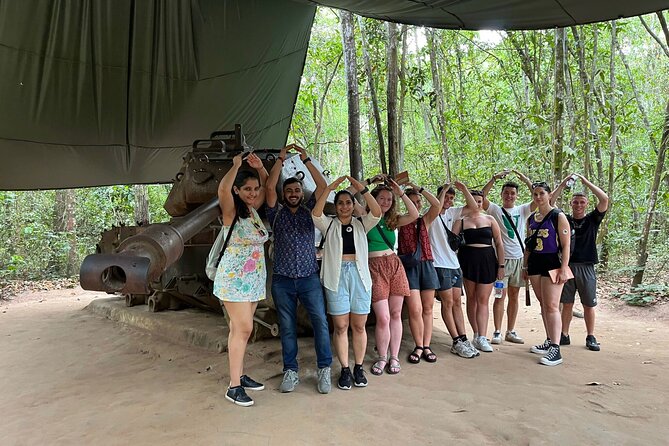
- Big underground scale: the tunnel system is around 200 km (about 124 miles), in the Cu Chi district area
- Real wartime purpose: you learn how VC tunnels supported hiding, living, attacking, and ambushing
- Wartime features to spot: traps and VC workshop areas are part of what you’ll see
- Two daily departure options: morning at 7:30am or afternoon at 12:00pm (5–6 hours)
- Small-group feel: maximum group size is up to 20 travelers
Cu Chi Tunnels: What You’re Seeing and Why It Matters

Cu Chi is famous for a reason. The tunnels weren’t just hiding holes. They were a working underground system built to move, live, and survive under constant threat. Expect explanations tied to the French and Vietnam war eras, and a focus on how the Viet Cong used the tunnels strategically—often from darkness, when visibility was limited and surprise mattered.
What makes this tour more than a sightseeing checkbox is the way it frames cause and effect. You’re shown how people could stay alive and function underground, then you get the context for the risks. Seeing wartime remnants while hearing the logic behind them can make the history feel less abstract.
Also, the tour’s emphasis is practical. You’ll be guided through features that explain day-to-day realities: the goal wasn’t comfort, it was survival. That’s the tone to expect.
You can also read our reviews of more tours and experiences in Ho Chi Minh City.



Morning 7:30am vs Afternoon 12:00pm: Picking the Right Time
This is one of those tours where timing affects the whole day. You have two departures: 7:30am for the morning run, and 12:00pm for the afternoon run. Both are listed as about 5–6 hours total.
If you like your tours to start strong, the morning option is usually easier to fit with other Ho Chi Minh City plans later. You’ll also avoid an afternoon start when the city heat and traffic can be more annoying.
If your schedule is more flexible later in the day, the afternoon departure works well too. It can also be a smart choice if you’re already tired after a morning of museum hopping or neighborhood wandering.
Either way, plan to be ready for a full half-day. This is not a quick in-and-out stop.
Price and Value at $22.75: What That Gets You
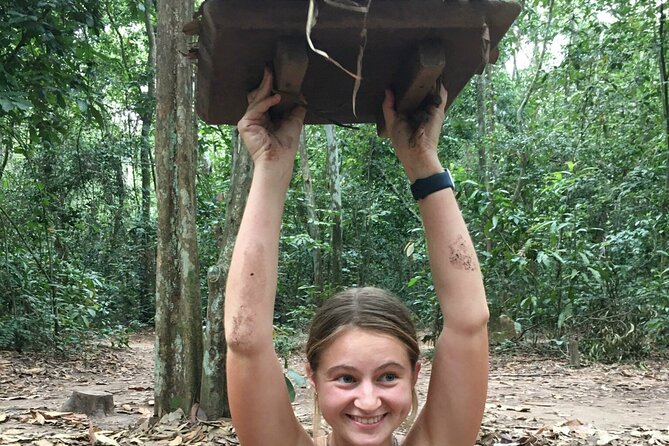
The advertised price is $22.75 per person, and it’s aimed at budget travel. That price is also tied to a few helpful inclusions: air-conditioned vehicle transport is included.
Importantly, not everything is included in the headline price. The info you get says admission ticket is not included, and also mentions that all fees and taxes aren’t included. That means your real total may be a bit higher once you handle those add-ons on the day.
Still, the value can be strong because you’re not driving yourself. You’re getting round-trip transport and a guided tour experience, which usually saves time and stress—especially when you’re leaving from District 1.
If you’re comparing options, treat this as a value-forward group tour: good for getting a structured overview without paying a premium for private transport.
Getting Picked Up in District 1: The Ride Out Usually Sets the Tone
Your meeting point is listed at 47 Phan Chu Trinh, in Phường Bến Thành, Quận 1. The tour ends back at the meeting point, so you’re not scrambling for your next connection.
Pickup matters on tours like this because Ho Chi Minh City traffic can be a wild card. Having a set departure time (7:30am or 12:00pm) and a vehicle waiting for you usually keeps the day calmer.
Inside the ride, you can expect AC comfort. It’s a small thing, but it helps when you’ll be spending time in a different kind of environment later. Also, group sizes can vary by departure (listed as up to 10/12/20 depending on the format), so you may have a more social experience with a bigger group or a more conversational one with fewer people.
Entering the Cu Chi Tunnel Area: The First Feel of the Place
Once you arrive at the Cu Chi area, the tour’s pacing becomes the key. Underground history can be slow if there isn’t good guiding, because you’re trying to connect a story to physical evidence. That’s where a guide makes a difference.
This kind of tour is built around interpretation: you’ll learn how the VC created and used the tunnels for survival and tactics. The explanations are meant to help you understand what you’re seeing—like why certain spaces existed or what purpose traps served.
And yes, it’s heavy subject matter. The VC network was designed for conflict. So even if the group is upbeat, you should keep the mindset respectful and focused.
If you’re expecting a theme-park version of war history, adjust that expectation fast. The value here comes from understanding real wartime constraints: hiding was hard, living underground was hard, and movement came with risk.



Inside the Tunnels: Traps, Workshop Areas, and Living Underground
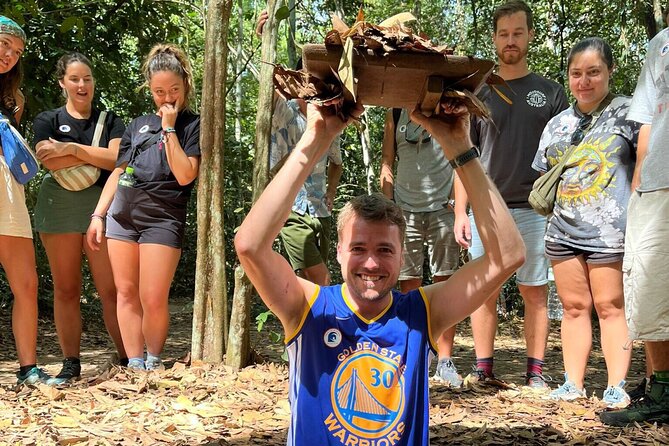
The highlight of the experience is the guided look at the tunnel network—listed as about 250 km in the Cu Chi district system description, with other figures describing more than 124 miles (200 kilometers) overall. Either way, the scale is the point. You’re not looking at a single tunnel. You’re learning about a network.
A few specific wartime elements are called out:
- Traps were built by VC
- VC’s workshop areas are included as part of what you’ll see
These aren’t just “cool features.” They help explain the tunnel philosophy. Traps show you that access control mattered—if the enemy entered, the VC needed ways to resist and survive. Workshop space points to a survival system, not just a hiding spot.
You’ll likely also hear how tunnels supported multiple roles at once: hiding, living, and attacking or ambushing from darkness. That’s why this tour feels more complete than a basic overview. The goal is to show how the VC used the tunnels like infrastructure.
One practical note for your comfort: you should come ready for conditions that can feel tight and physically demanding. If you have any concerns about claustrophobia or mobility, don’t “hope it’ll be fine.” Choose your comfort level honestly before you go in.
How the Guide Turns History Into Something You Can Picture
A good guide can make the difference between a list of facts and a story you can actually visualize. The feedback includes guides like Harry and Bob, and the common thread in that kind of comment is that the guide is both informative and easy to follow.
So what should you look for during the tour? You want a guide who links the physical evidence to the tactical purpose. For example:
- why certain areas were useful for staying hidden
- how movement and access would work in a network
- how workshop spaces supported survival
When guiding is strong, you stop seeing the tunnels as spooky walls and start seeing them as a functioning system with trade-offs. That’s when the tour becomes memorable rather than just “I saw tunnels.”
Also, group size affects interaction. With a smaller group, you may get more direct answers. With a bigger group, the guide may move faster. Either way, don’t be afraid to ask basic questions early—then you’ll enjoy the rest of the tour more because you’re carrying the right context.
The Non-Tunnel Parts: Timing, Pacing, and Possible Extra Stops
The core tour centers on the Cu Chi Tunnels. The structured departure and 5–6 hour time window usually means you’ll have a set amount of time at the main site.
One thing to keep in mind: some tour days may include additional stops after the tunnels. In the information you were given, there’s a mention of time after the tunnel visit that could involve a workshop-style stop. Since this isn’t clearly defined as a main feature, your best move is to confirm the day’s full plan when you book.
Even if there’s an extra stop, the total duration stays in the same band. That means you should treat this as a half-day commitment that ends back in District 1.
Who This Cu Chi Tour Fits Best (and Who Should Skip It)
This tour is best for you if:
- you want a guided, structured overview of the Cu Chi Tunnel network
- you prefer small-group travel and value pickup from District 1
- you’re okay with underground conditions and moderate physical effort
It may be a poor fit if:
- you strongly dislike confined spaces
- you can’t handle moderate physical activity
It’s also worth considering your interests. If your travel focus is broad history with real-world context, this hits the mark. If you want only quick visual photo stops, the tour may feel more intense and slower than you expect.
Practical Tips That Make the Day Easier
This isn’t a “dress up” day. I’d plan for comfort and practical movement.
- Wear closed-toe shoes you trust for uneven or confined areas.
- Bring a light layer; conditions can feel different once you’re underground.
- Keep expectations grounded: this is about a wartime system, not a casual adventure.
If you’re the type who likes to ask questions, set yourself up for success. A good guide can explain the why behind what you’re seeing, but you need to speak up early so you’re not stuck waiting.
Finally, budget for what’s not included. The admission ticket isn’t included in the listed price, and additional fees and taxes may apply. Thinking about this ahead of time keeps the day from turning into a last-minute surprise.
Should You Book This Cu Chi Tunnels Tour?
I think this is a smart booking for most first-timers heading out from Ho Chi Minh City—especially if you want value and a guided experience with pickup. The price of $22.75, the air-conditioned transport, and the emphasis on how the tunnels worked (hiding, living, traps, workshop areas) make it a solid use of a half-day.
Book it if you’re comfortable with underground conditions and you want context, not just photos. Skip or choose carefully if you’re worried about moderate physical demands or tight spaces.
If you confirm the details that affect your total cost (admission and any fees/taxes) and ask whether any extra stop is planned that day, you’ll be set for a tour that’s intense, educational, and worth your time.
FAQ
How long is the Cu Chi Tunnels tour?
It runs about 5–6 hours, depending on the specific departure and routing.
What time does the tour start?
There are two departure options: 7:30am (morning) or 12:00pm (afternoon).
Is hotel pickup included?
Yes. Pickup is offered, and the tour also includes round-trip transport via an air-conditioned vehicle.
Is the admission ticket included in the $22.75 price?
No. The admission ticket is listed as not included, and all fees and taxes are also not included.
What group size should I expect?
The tour lists a maximum group size of 20 travelers, with group formats that can be up to 10/12/20 depending on the option.
What if I need to cancel?
You can cancel for a full refund up to 24 hours in advance of the experience’s start time. If you cancel less than 24 hours before, the amount paid is not refunded.