REVIEW · HO CHI MINH CITY
From Ho Chi Minh: Cu Chi Tunnels – A Complex Tunnels Network
Book on GetYourGuide →Operated by Trip in Vietnam · Bookable on GetYourGuide
The Cu Chi Tunnels hit fast. In just 6 hours from central Saigon, you get a clear look at how Vietnamese guerrillas survived underground, with realistic wartime scenes you can see and even experience firsthand. I especially like the way the visit mixes practical tunnel life (rooms, hospitals, and weapon production spaces) with short documentary footage that puts the setting in context.
The strongest part is the hands-on tunnel segment, including very narrow crawling sections that make the war feel less abstract. Just know there can be discomfort: it’s damp, tight, and not designed for people who dislike confined spaces. In groups guided by people like James and Steven, the explanations and on-the-ground handling seem to be a big part of the experience—one account even notes a guide moving quickly in torrential rain to help everyone stay covered.
In This Review
- Key highlights to pay attention to
- From Saigon Pickup to Cu Chi: how the timing really works
- First look at the Cu Chi Tunnels underground city
- Going inside the tunnels: what you’re signing up for
- Traps, scenarios, and the logic behind underground survival
- Documentary footage: why watching war video here works
- Tapioca snack and the Hoang Cam stove: food as a survival clue
- Optional real-gun shooting: fun for some, extra cost for all
- Price and value: does $30 make sense for Cu Chi?
- Who should book this Cu Chi Tunnels tour?
- Should you book this Cu Chi Tunnels tour?
- FAQ
- How long is the Cu Chi Tunnels tour from Saigon?
- What is the price per person?
- Where do you get picked up and dropped off?
- What’s included in the tour price?
- Are the tunnel and narrow tunnel crawling included?
- Is the documentary part included?
- Can I shoot real guns like AK-47 or M-60?
- Do you offer guides in languages other than English?
- What is the cancellation policy?
- Is there a pay-later option?
Key highlights to pay attention to
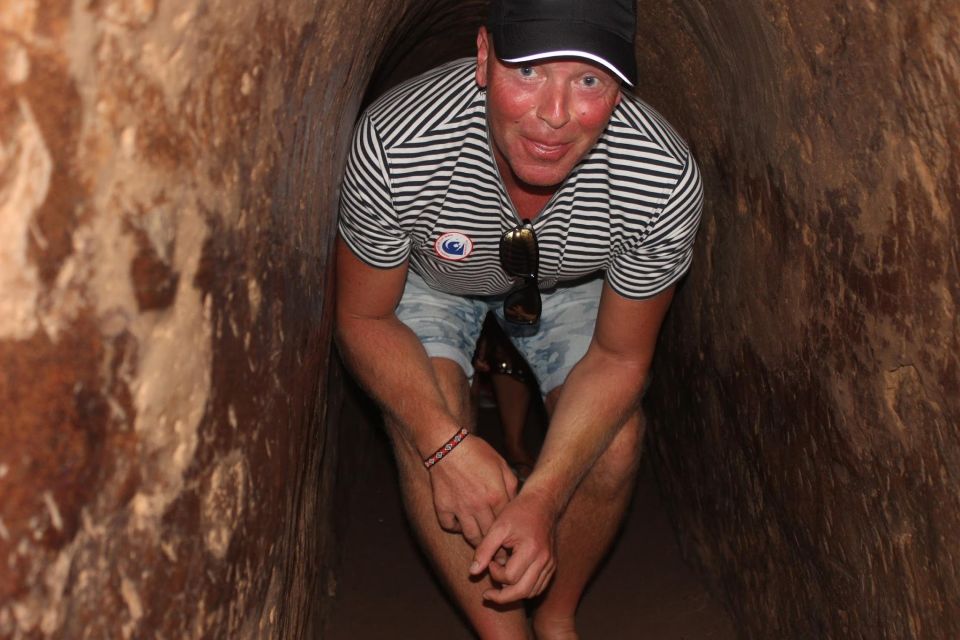
- Narrow tunnel crawl that turns history into a physical feeling (bring stamina, not bravado)
- Underground city layout: rooms, hospitals, and a weapons factory setting
- Wartime documentary footage with authentic camera-era visuals
- Camouflage and survival stories, including how leaves were used to hide in plain sight
- Tapioca snack on a Hoang Cam stove, designed to limit smoke
- Optional real-gun shooting (you pay the bullet fee separately)
From Saigon Pickup to Cu Chi: how the timing really works
This trip is built for an easy day out. You’ll get picked up and dropped off at the center of Saigon, which matters more than it sounds. Saigon traffic can turn a half-day plan into a stress test, so starting from a central meeting point helps you keep the day on track.
The total time is about 6 hours, which is a sweet spot for Cu Chi. It’s long enough to include the tunnel exploration, wartime documentary viewing, and the war-era food tasting, but short enough that you’re not stuck on a bus all afternoon. If you want a single focused Vietnam history stop without chaining it to other big-day tours, this format fits well.
One practical note: you’ll likely move at a steady pace. The tour is not just a museum walk. Between the outdoor segments and the cramped tunnel time, plan to keep your schedule flexible around movement and comfort.
You can also read our reviews of more tours and experiences in Ho Chi Minh City.



First look at the Cu Chi Tunnels underground city
Cu Chi is often described as a spider-web tunnel network, but what makes this tour compelling is how it’s presented as a working system. You’re not just shown dark holes in the ground. You’re guided through the idea of an underground city where guerrillas could live, hide, and keep operating.
As you arrive, you’ll get the big-picture explanation that makes the site click: how Vietnamese resistance groups used underground spaces as refuge and how the tunnels connected functional areas. The tour highlights include seeing areas linked to rooms, hospital spaces, and a weapons factory. Even if you don’t spend time in every single room on your visit, the structure is meant to show that this wasn’t random digging—it was organized survival.
This is also where the tone matters. If you care about understanding people, not just facts, you’ll appreciate the focus on how guerrillas resisted, fought, and lived. The goal isn’t to turn tragedy into entertainment. The goal is to help you picture how someone could keep going under constant threat.
Going inside the tunnels: what you’re signing up for
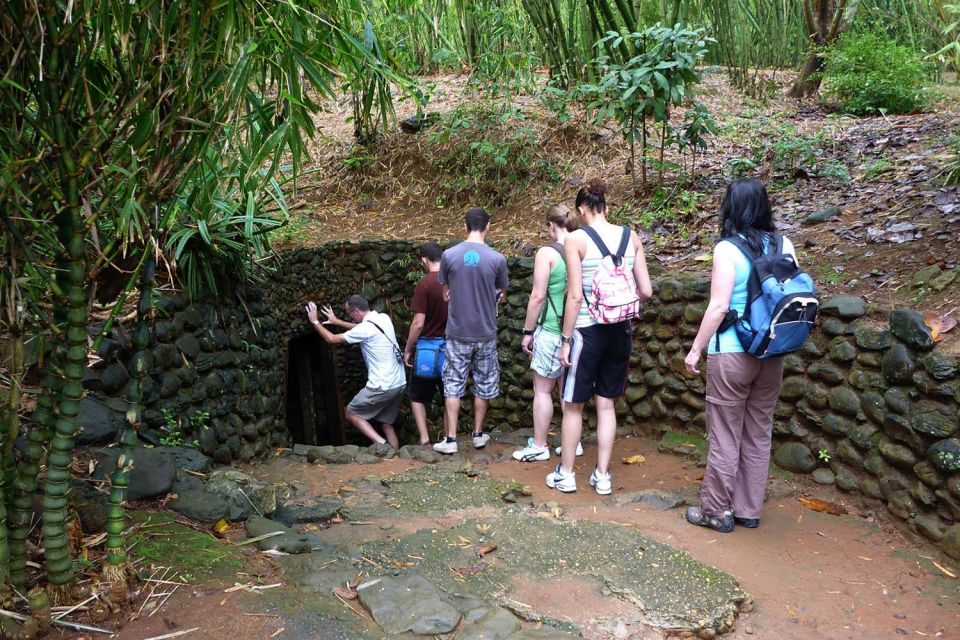
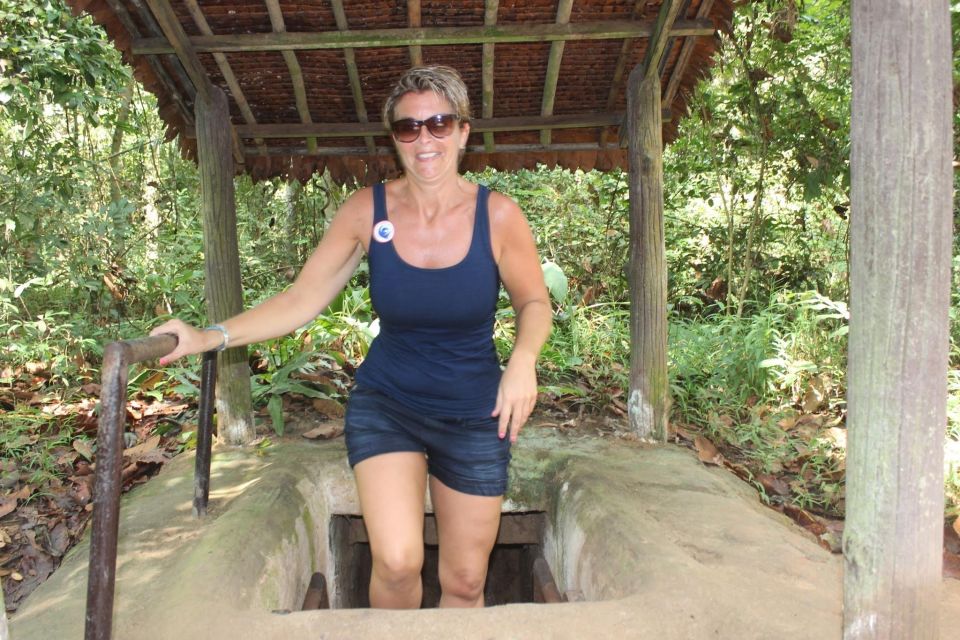
This is the main reason most people book. You can go inside the narrow tunnels and crawl through sections that feel extremely tight—tight enough that you understand why escape routes and concealment mattered.
Here’s the key value: the tunnel experience changes your sense of scale. On the surface, war history can feel like large movements and major battles. Underground, everything becomes small decisions: how to squeeze past bends, how to keep moving when visibility disappears, and how routes can be planned for hiding as much as movement.
Now the drawback, stated plainly: this is not a comfortable activity. If you have claustrophobia, mobility limitations, or you dislike getting muddy or close-quarters, think twice. Even without extreme hardship, the tunnel segment is going to be physically challenging. Also, note the tour mentions a surcharge if you want to go down to the tunnels. That tells me there may be different levels of tunnel access depending on what you choose to do on the day. If tunnel time is the priority, clarify with your guide on arrival what’s included versus what has an extra fee.
Traps, scenarios, and the logic behind underground survival
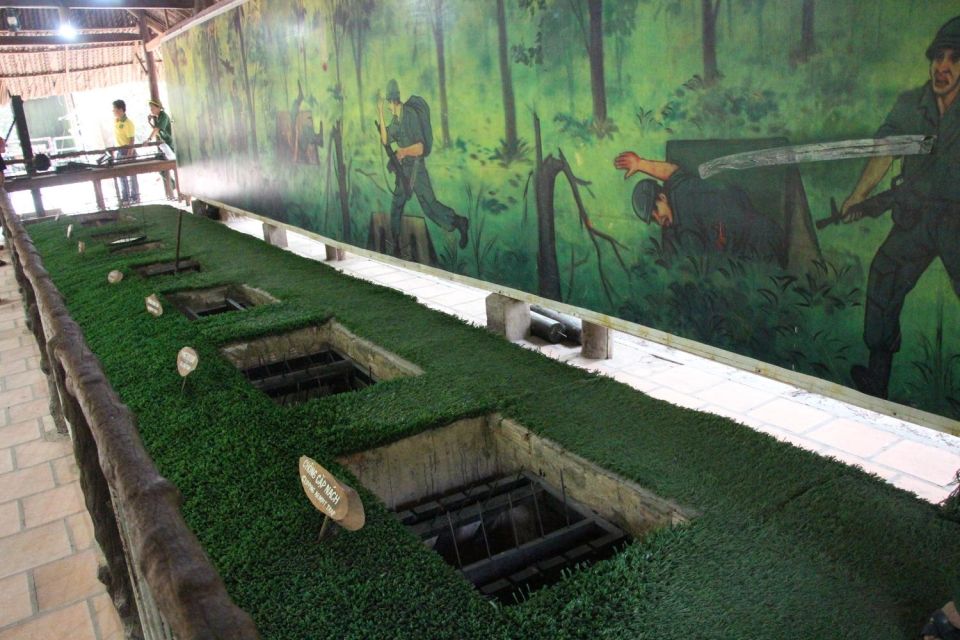
What makes the tour feel more than basic sightseeing is how the guide connects tunnel architecture to war scenarios. You’ll hear about the traps built into the environment and why certain layouts made movement dangerous for enemy forces. That framing matters because it turns the tunnels into a strategy lesson.
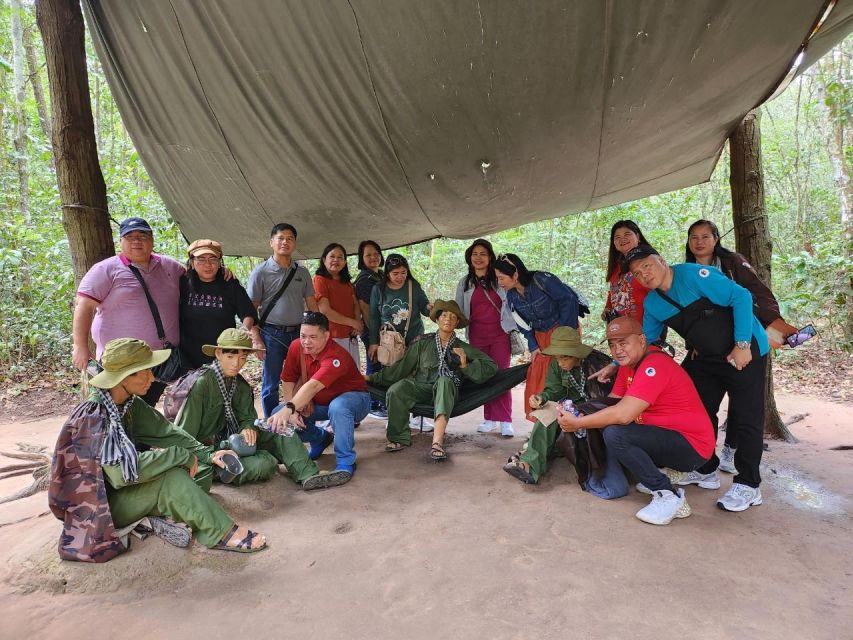
I like that the explanations aren’t only about hardship. They also highlight problem-solving: camouflage, concealment, and safe movement routes. For example, the tour is set up to describe how guerrillas used leaves to camouflage themselves. It’s a detail that feels small until you realize the entire survival plan depended on blending into what looked normal.
You’ll also see how secret refuge spaces were created. Even without technical drawings, the tour aims to show you that the underground network had purpose-built areas. In other words, you’re not just crawling through old tunnels—you’re walking through a wartime system built to survive long enough to keep fighting.
Documentary footage: why watching war video here works
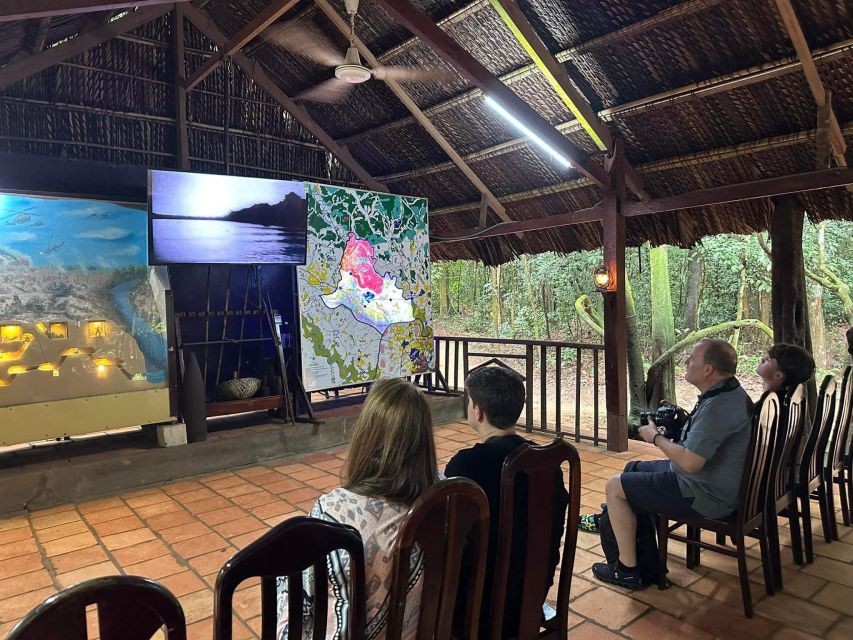
After the initial tunnel context, the tour includes short documentaries and authentic footage of the war. The wording here matters: you’re not only watching reenactments. You’re shown war-era material recorded by cameramen.
This part can be surprisingly effective because it ties what you just experienced to real visuals and real reporting conditions. Standing in a tunnel and then seeing war footage of that same era gives your brain a reference point. It stops history from staying “somewhere else” in time.
If you’re the kind of person who learns best by connecting scenes, you’ll probably appreciate this segment. If you prefer action-only sightseeing, the documentary might feel less urgent than crawling through the tunnels—but it provides the context that makes everything else easier to understand.




Tapioca snack and the Hoang Cam stove: food as a survival clue
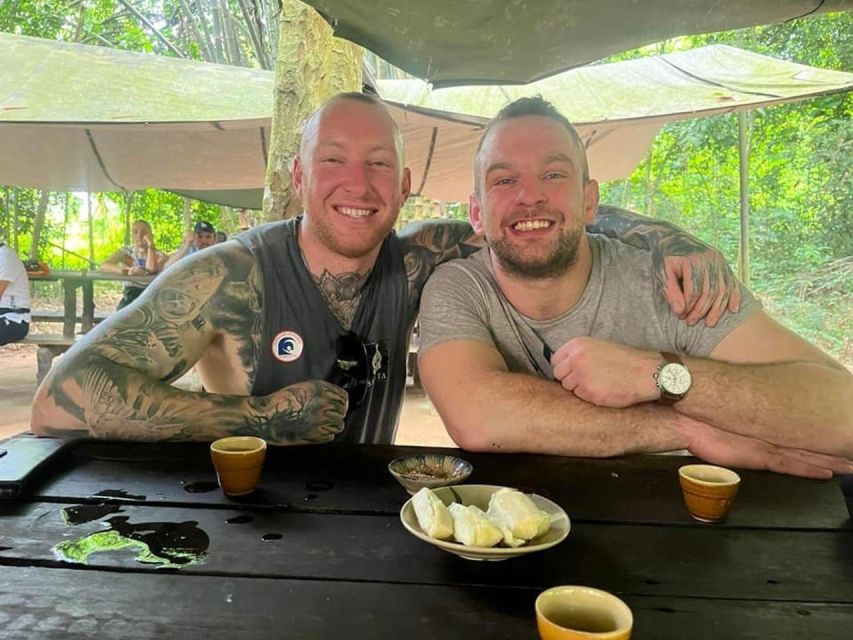
A lot of war-related tours miss the day-to-day side of life. This one doesn’t. You get a light snack with tapioca and tea at the Cu Chi area.
What’s special is the mention of a Hoang Cam stove—a stove designed with the ability to hide smoke. That’s a clever, practical detail. It tells you how even cooking had to follow security rules. Food wasn’t just comfort; it was a risk-management problem.
I like the timing of this stop too. You’ve been in a tense setting, then you get a warm tea and simple food. It’s not a full meal, but it helps you reset and keeps you from running on empty through the rest of the experience.
If you’re sensitive to unfamiliar textures or you get motion-sick easily, keep it light. The snack is described as light, and you’ll be more comfortable if you treat it like a quick fuel stop.
Optional real-gun shooting: fun for some, extra cost for all
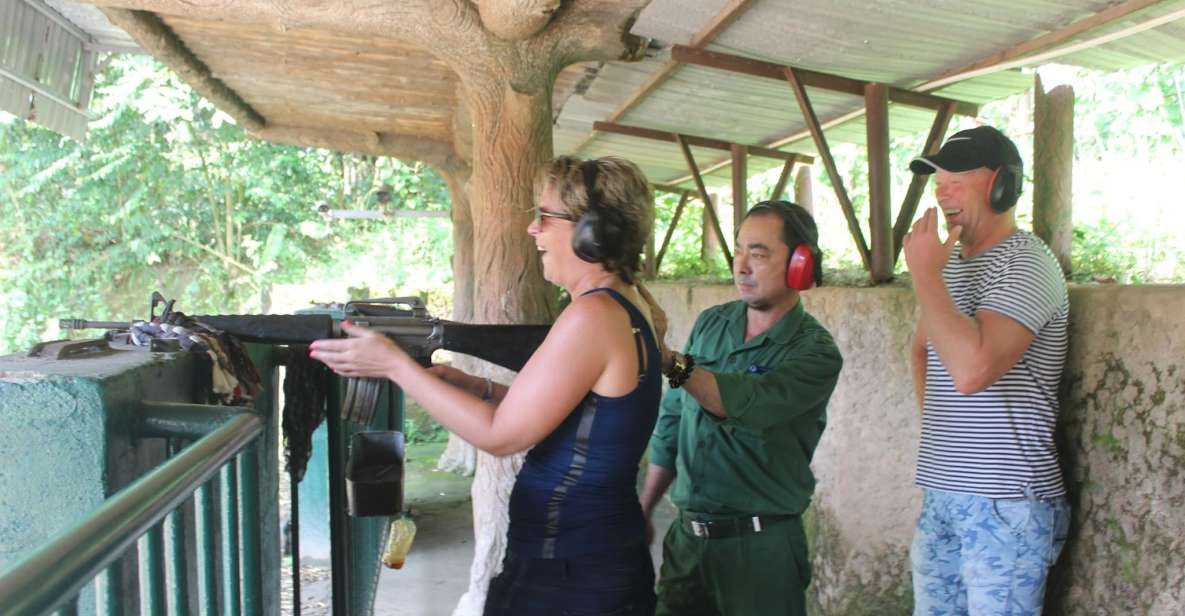
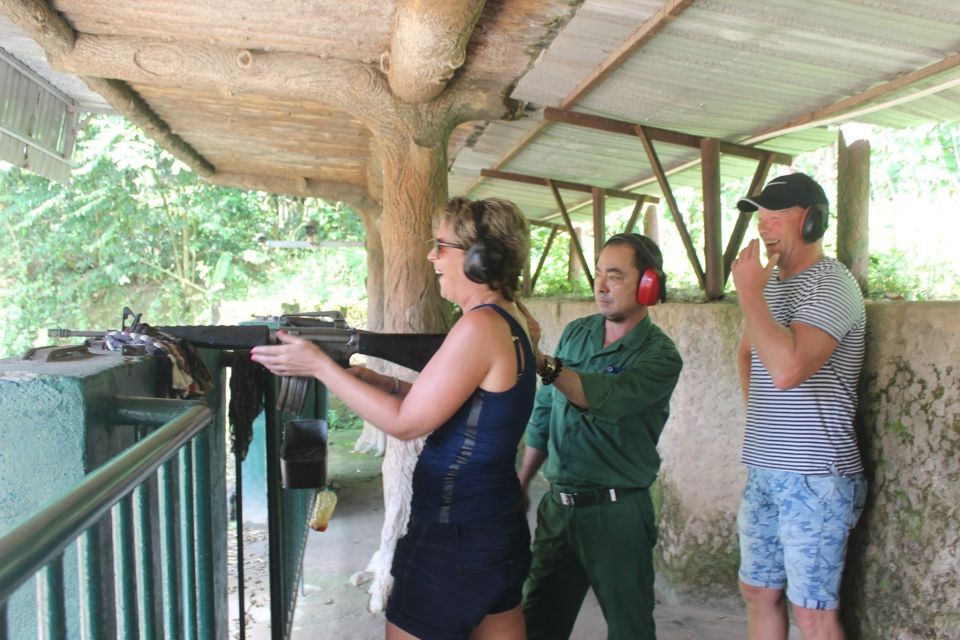
There’s a shooting-range component described as optional. You can shoot with real bullets using real famous guns such as the AK-47 and M-60. This is where you need to be careful with budgeting and expectations.
The bullet fee is not included and is listed as roughly 600,000 VND for a pack of 10 bullets. That’s the kind of detail that can change the cost equation fast. The headline tour price may look simple, but if you want shooting time, add this extra line item.
Also, treat shooting as an optional add-on, not the centerpiece. The real “why” of the Cu Chi day is the tunnels and the wartime survival explanation. Shooting is a dramatic add, but the site’s main power comes from the underground story.
Price and value: does $30 make sense for Cu Chi?
At $30 per person, this tour can be good value—especially because key basics are included. You get pickup and drop-off at central Saigon, an English-speaking tour guide (and multiple other languages are available for a surcharge), bottled water, and the tapioca-and-tea snack.
Where value gets tricky is in the add-ons and potential extra fees:
- Bullet fee for the shooting range (about 600,000 VND per pack of 10)
- A possible surcharge if you want to go down to the tunnels (suggesting deeper access or an extra level of tunnel entry)
- Holiday surcharges (if your date falls during a high-demand time)
- Language surcharges if you’re not using English (the tour lists many languages, but it flags that other languages cost extra)
So here’s my practical take: if your priority is the tunnels + documentary + tapioca and you’re okay with optional add-ons being extra money, the base price looks reasonable. If you’re set on maximum tunnel access plus shooting, budget for the extras up front so there are no surprises.
Who should book this Cu Chi Tunnels tour?
This tour is a great match for you if:
- You want a single-day, structured look at Cu Chi without complicated planning
- You like understanding how people lived under pressure, not just reading battle facts
- You’re comfortable with tight spaces or at least willing to try the crawling segment
- You enjoy learning through a mix of tunnel experience + documentary footage
It might be less of a match if:
- You strongly dislike confined spaces or you’re not comfortable getting dirty
- You prefer fully hands-off museum-style history
- You’re worried about costs growing due to optional fees (tunnel-down access and shooting bullets)
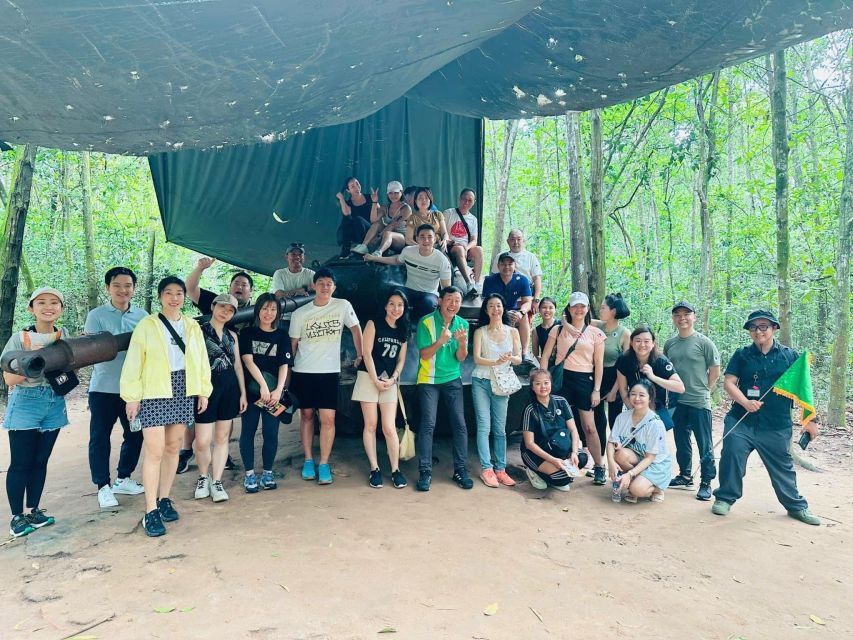
If your group is mixed, the size can help. The activity lists private group available, and smaller groups often feel easier to manage during a hands-on site like this.
Should you book this Cu Chi Tunnels tour?
Book it if you want a focused, well-rounded Cu Chi visit that goes beyond a quick surface look. The combination of underground tunnel exploration, war documentary footage, and a food moment built around the Hoang Cam stove makes it more than a basic attraction stop.
Skip or rethink it if you know you’ll struggle with the physical reality of the tunnels. This is not a gentle experience, and the tour is clearly designed around the narrow crawl being part of the point.
If you do book, decide ahead of time what you want most: tunnels only, tunnels plus documentary plus snack, or tunnels plus optional shooting. That one decision keeps the day fun and keeps your budget under control.
FAQ
How long is the Cu Chi Tunnels tour from Saigon?
It lasts about 6 hours.
What is the price per person?
The price is $30 per person.
Where do you get picked up and dropped off?
You get picked up and dropped off at the center of Saigon.
What’s included in the tour price?
Included items are pick up/drop off (center of Saigon), an English-speaking tour guide, bottled water, and a light snack with tapioca and tea at Cu Chi Tunnels.
Are the tunnel and narrow tunnel crawling included?
The tour experience includes exploring the tunnel system and going inside narrow tunnels, but there is also a note about a surcharge if you want to go down to the tunnels, so extra access may cost more depending on what you choose.
Is the documentary part included?
Yes. The tour includes short documentaries and authentic war footage.
Can I shoot real guns like AK-47 or M-60?
You can shoot with real guns using real bullets, but the bullet fee is not included (roughly 600,000 VND for 10 bullets).
Do you offer guides in languages other than English?
Yes. The tour lists Chinese, Finnish, English, Japanese, Italian, Spanish, Korean, Russian, and German. A surcharge for other languages is mentioned.
What is the cancellation policy?
You can cancel up to 24 hours in advance for a full refund.
Is there a pay-later option?
Yes. It offers reserve now & pay later, letting you book your spot and pay nothing today.