REVIEW · HO CHI MINH CITY
From Ho Chi Minh: Cu Chi Tunnels And Mekong Delta Full Day
Book on GetYourGuide →Operated by Trip in Vietnam · Bookable on GetYourGuide
Cu Chi Tunnels and the Mekong in one day? That’s the fun trick. I like how this tour pairs Cu Chi Tunnels (the underground “spider web” network) with the calmer, greener Mekong Delta boat life, so your day tells two sides of Vietnam at once. I also like the hands-on details: you get to see guerrilla hideouts, learn how camouflage worked, and then switch gears to fruit gardens, folk music, and a slow rowing ride through side canals.
The only thing to watch is cost creep. The core tour is budget-friendly, but optional extras like the shooting range bullets (not included) can add up fast, and there can be language-related surcharges depending on what you choose.
In This Review
- Key highlights to focus on
- Cu Chi Tunnels: the underground war that feels close
- Going inside the tunnels (and what it actually means)
- Shooting range options: exciting, but budget it
- The Hoang Cam stove snack: the small detail that feels real
- Mekong Delta cruise: the river as daily life
- Coconut candy, fruit gardens, honey tea, and folk music
- Rowing through the canals: the most relaxing switchback
- The lunch and the full day pacing
- Price and value: what $49 really buys
- Who this tour is best for
- A note on guides (and why it matters)
- Should you book this Cu Chi + Mekong day?
- FAQ
- How long is the Cu Chi Tunnels and Mekong Delta full-day tour?
- Where do they pick me up and drop me off?
- Is lunch included?
- What is included at the Cu Chi Tunnels?
- Do I need to pay extra for shooting at Cu Chi?
- Are guides available in English?
- What do you do in the Mekong Delta?
- Is the tour private?
- What are the cancellation and booking options?
Key highlights to focus on
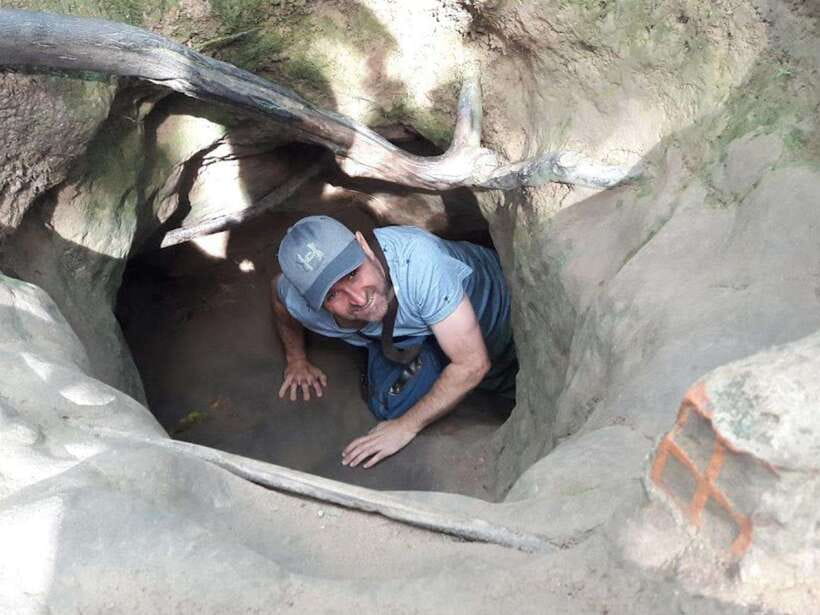
- Tunnel time that goes beyond photos: narrow passages and the sense of being underground.
- Camouflage and daily survival details: how guerrillas used leaves and hiding tricks to stay alive.
- Hoang Cam stove snack: tapioca tea-time with a stove designed to hide smoke.
- Real Mekong rhythm: folk songs on the boat plus views of ports and farm-and-fish river life.
- Do more than sit: walk village fruit gardens and row a smaller canal boat.
- Home-style eating: lunch is included, with the day’s meals framed as local hometown dishes.
Cu Chi Tunnels: the underground war that feels close
This day starts with pick-up in central Saigon, then a drive out toward the Cu Chi area. The structure matters here. You’re not just going for a viewpoint. The tour is built around turning the tunnels into a story you can picture: where people hid, how they moved, and why their setup looked so carefully planned.
In the Cu Chi Tunnels, you’ll learn the network was complex enough to work like an underground city. You’ll see how Vietnamese guerrillas lived, resisted, and fought while staying hidden from above. One of the most interesting details is the camouflage: you’ll hear about leaves used to blend in, and how that helped conceal refuge points. It’s the kind of practical survival information that sticks, because it connects a “what” (the tunnels exist) to a “why” (they had to stay unseen).
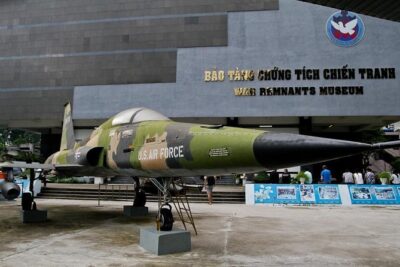
You’ll also get short documentaries and authentic footage shot during the war. That element is valuable because it gives you context beyond the tunnel walls. When you pair underground walking with real wartime filming, the place stops feeling like a museum set and starts feeling like history with edges.
You can also read our reviews of more tours and experiences in Ho Chi Minh City
Going inside the tunnels (and what it actually means)
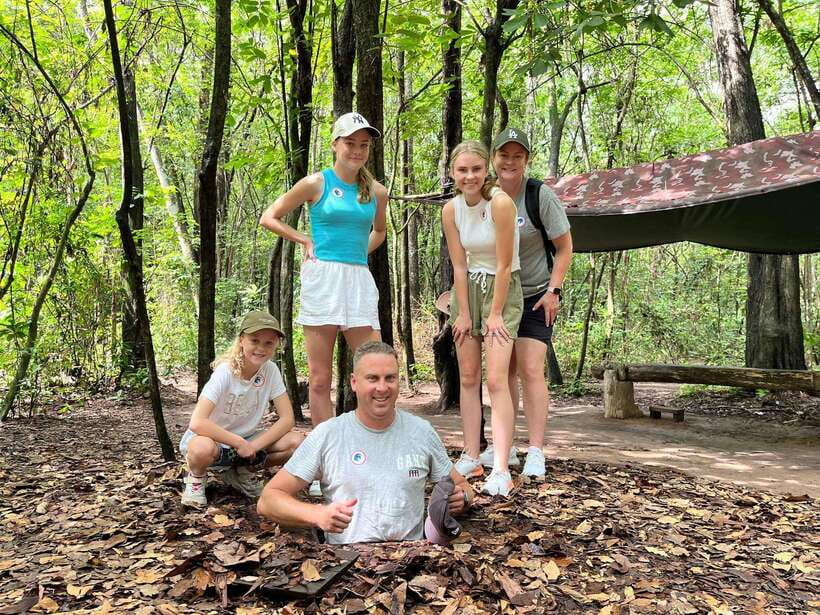
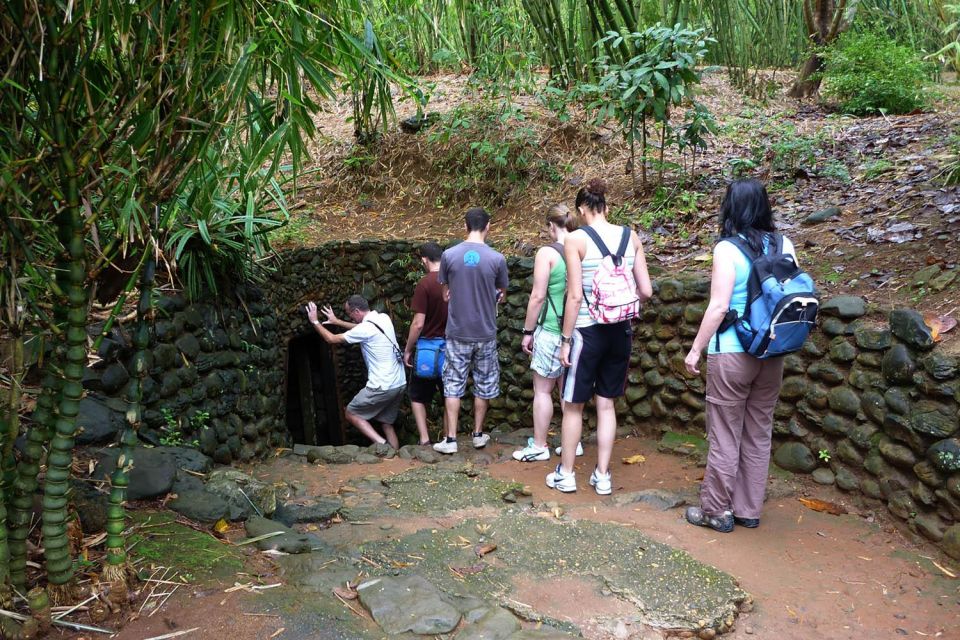
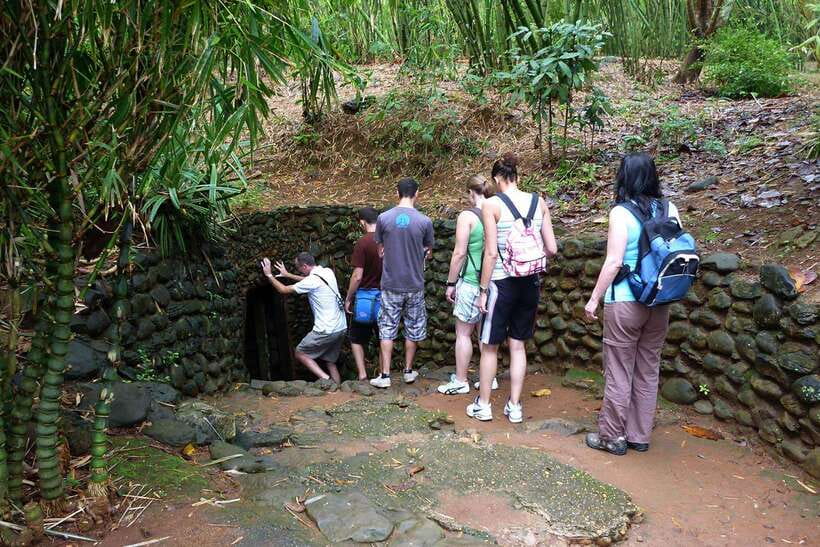
A big part of why this tour works is the chance to go into narrow tunnels. That’s not a throwaway “touch experience.” It changes your perspective. Even for a short stretch, you feel how cramped space affects breathing, movement, and orientation. It’s easy to understand why the guerrillas needed careful design and why they relied on small, concealed access points instead of open routes.
A practical note: narrow tunnel time is physical. Wear comfortable clothes and keep expectations realistic. If you’re claustrophobic, think carefully. The tour description frames this as a way to truly feel guerrilla life during a bloody battlefield, and that “truly” comes with tight, dark conditions.
Shooting range options: exciting, but budget it
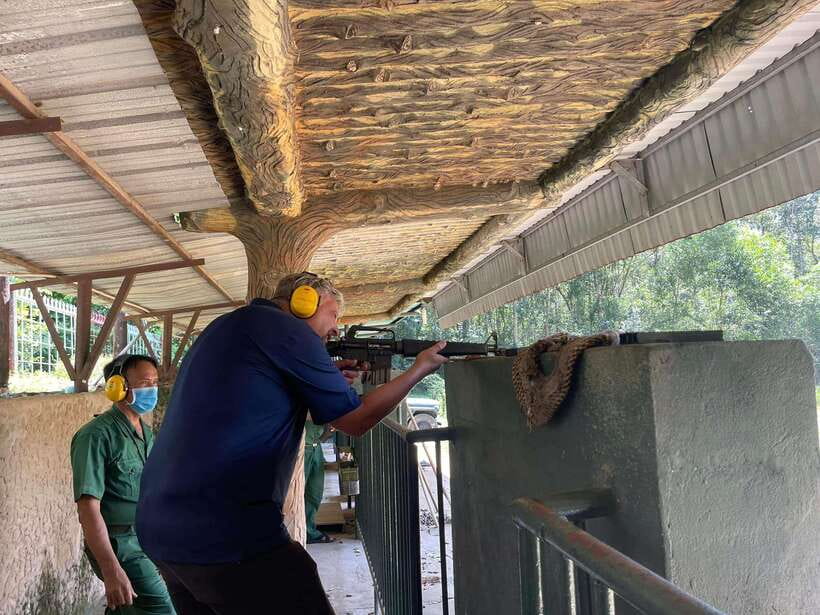
At Cu Chi, you’ll also have the option to shoot with real guns like AK-47 and M-60. This is where many people get surprised later—because it’s not included. The bullet fee is listed separately, roughly 600,000 VND for a pack of 10 bullets.
If you’re curious, plan it early in your head. If you’re not sure, treat the shooting as optional entertainment, not a core part of history. Either way, the main value of the morning is the tunnel walk, the survival story, and the feeling of the underground network.
The Hoang Cam stove snack: the small detail that feels real
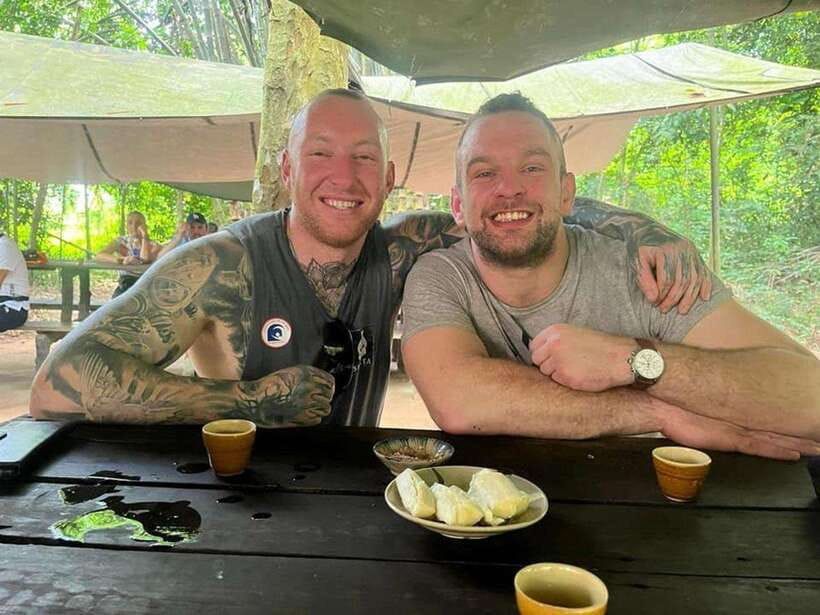
One of my favorite parts of this tour concept is the snack tied to tunnel-era cooking. You’ll taste tapioca cooked using a special stove called the Hoang Cam, which is described as having the ability to hide smoke.
Why I think this matters: it’s not just a generic snack break. It ties food to adaptation—how people kept routine tasks going while staying concealed. Small details like that make the day feel more grounded. Instead of “Vietnam war stuff,” you get “Vietnamese ingenuity under pressure,” and you can actually visualize how that worked.
You’ll also have tea along with the light snack, which helps you reset before the longer Mekong portion.
Mekong Delta cruise: the river as daily life
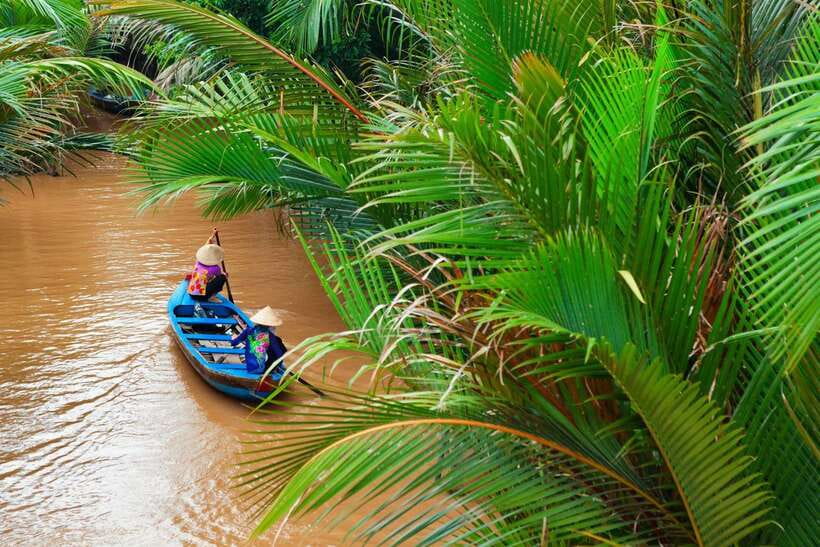
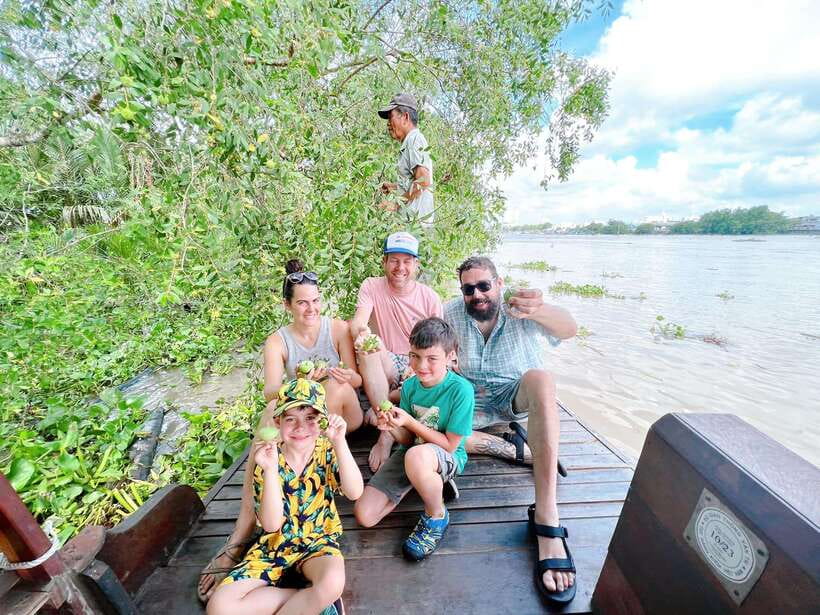
After Cu Chi, the day shifts tone. You’ll head to the Mekong Delta, described as peaceful countryside. The difference is immediate in how the itinerary is framed: fewer hard edges, more daily rhythms.
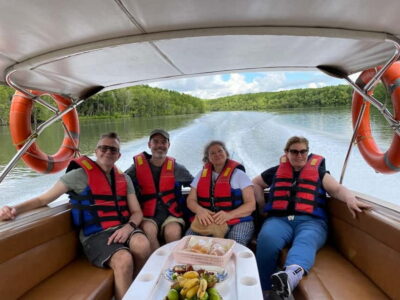
On the boat on the Mekong River, you’ll listen to folk songs with themes of love for the homeland. You’ll also hear the sound of waves and see fishing-related ports and the river’s flow carrying alluvial water. The tour positions the Mekong as the mother of the South, because locals use it for fishing, watering, and farming.
This part is valuable even if you’ve seen other river scenes in Asia. The Mekong segment here is built around river work and rural culture, not just scenic cruising. It’s also where you get lots of photo-friendly moments—especially as the boat moves past ports and farmland edges.





Coconut candy, fruit gardens, honey tea, and folk music
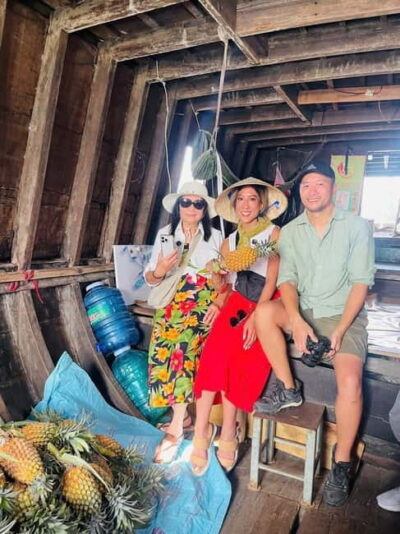
This tour doesn’t treat food as an afterthought. At the Mekong Delta stop, you’ll watch how Vietnamese make coconut candy right at the production site, then taste different types. That’s a simple, hands-on local craft, and it gives you something to remember that’s not tied to war history.
You’ll also get seasonal tropical fruits picked fresh in the garden, plus honey tea. On top of that, you’ll hear folk music, including sweet singing from local people. Even if you don’t understand every word, the role of music here is clear: it’s part of how rural life relaxes and connects.
And then there’s the walking portion. You’ll go through a village and fruit gardens, which helps you move beyond the boat window view. You get a slower pace, and you can actually feel the countryside atmosphere.
Rowing through the canals: the most relaxing switchback
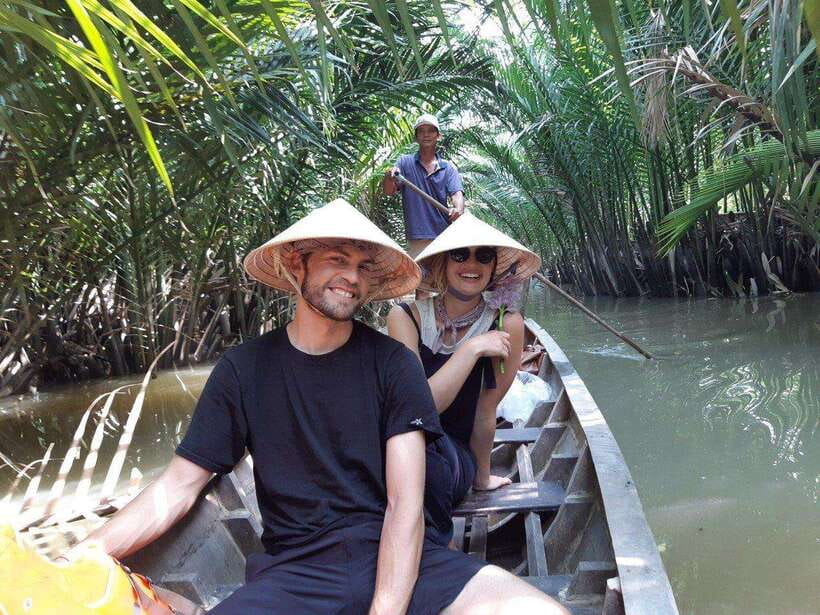
The day ends Mekong-style with relaxation. You’ll enjoy a rowing boat through a maze of shady smaller canals. If the cruise is about the wider river, the rowing part is about intimacy—narrower waterways, calmer movement, and a more “you’re in it” feeling.
This portion is also where the tour tends to feel most rewarding if you’ve been feeling museum-and-history tired. You get to slow down and watch river life pass at a human pace.
The lunch and the full day pacing
Lunch is included, and it’s described as having rich hometown flavors with eight dishes. That’s a key value point: you’re not paying separately for meals in the middle of a long day.
Pacing-wise, you should expect a packed itinerary. It’s a single day combo, meaning you’ll move from underground war storytelling to river-country living without much downtime. Bring water (bottled water is included), keep snacks in mind if you’re the type who gets hungry early, and wear clothing you can comfortably move in during tunnel time and village walking.
Price and value: what $49 really buys
At about $49 per person for a one-day outing, this is a budget-minded way to cover two major Vietnam experiences that are usually done separately. The value comes from how many “included” elements you get: pick-up and drop-off in central Saigon, an English-speaking guide, entrance fees, lunch, bottled water, and light tunnel-area snacks.
The tradeoff is that some of the most “wow” moments can become add-ons. The shooting range bullets are extra, and the language you choose can affect costs because the tour lists an English-speaking guide with potential surcharges for other languages. If you stick to the included parts, the price feels straightforward. If you add everything, your day stops being a bargain.
Also, since start times depend on availability, you’ll want to check your day and make sure the pickup works with your hotel location and your energy level.
Who this tour is best for
This is a strong fit if you want variety in one day and you like context. The Cu Chi side gives you wartime Vietnamese history and the practical side of resistance. The Mekong side gives you countryside culture—boats, folk music, craft making, and village life.
You’ll probably enjoy it most if:
- You like history but don’t want only indoor museum time
- You also want a relaxing cultural counterbalance
- You’re okay with a full day schedule and some physical movement in tunnels
- You enjoy food and local music as part of the trip
If you hate cramped spaces, or if you’re sensitive to enclosed environments, the tunnel section is the only real red flag.
A note on guides (and why it matters)
A guide can make the day feel clear instead of chaotic. In past experiences, the name Thi comes up in feedback, and that’s meaningful because a good guide helps you connect what you’re seeing—tunnel design, camouflage logic, and river-life culture—into one understandable story. If you get an attentive English guide, you’ll likely find the day runs smoother and the details land better.
Should you book this Cu Chi + Mekong day?
I’d book it if you want a fast, well-rounded day that covers both Vietnam wartime history and Mekong countryside culture without spending extra days traveling between regions. It’s especially good value when you keep optional upgrades limited and focus on the included tunnel exploration, boat cruise, village time, and the rowing ride.
I’d think twice if your budget is tight and you’re tempted by the shooting range, since the bullet pack fee is not small. I’d also reconsider if you know you struggle with claustrophobic spaces, because the tunnel experience is a real part of the day—not just a quick stop.
If your goal is to get a lot of Vietnam in one day, in a way that mixes learning with relaxation, this is a practical, memorable choice.
FAQ
How long is the Cu Chi Tunnels and Mekong Delta full-day tour?
It’s listed as a full day with a duration of 1 day. Starting times vary, so you’ll need to check availability.
Where do they pick me up and drop me off?
Pick-up and drop-off are included for hotels in central Saigon.
Is lunch included?
Yes. Lunch at a restaurant is included, along with bottled water.
What is included at the Cu Chi Tunnels?
You’ll have entrance fees included, plus a light snack with tapioca and tea at the Cu Chi tunnel area.
Do I need to pay extra for shooting at Cu Chi?
Yes. The bullet fee at the Cu Chi shooting range is not included, and it’s listed as roughly 600,000 VND for a pack of 10 bullets.
Are guides available in English?
An English-speaking tour guide is included. Other languages are available, but a surcharge may apply.
What do you do in the Mekong Delta?
You’ll take a boat on the Mekong River, enjoy folk songs, visit a coconut candy production site, have honey tea and seasonal fruits, walk through villages and fruit gardens, and row through small canals.
Is the tour private?
Private group options are available.
What are the cancellation and booking options?
You can cancel up to 24 hours in advance for a full refund. There’s also a reserve now & pay later option.