REVIEW · HO CHI MINH CITY
From Ho Chi Minh: Cu Chi Tunnels Morning or Afternoon
Book on GetYourGuide →Operated by Enni tour · Bookable on GetYourGuide
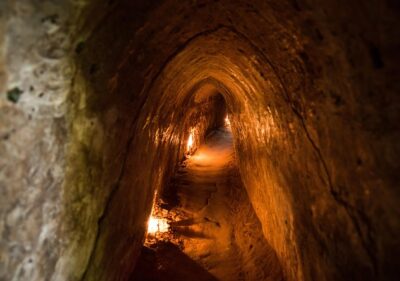
Crawl where the war stayed underground. I love the chance to crawl through the hand-dug Cu Chi Tunnels and feel how tight and dark they really are. I also like the guide-led context paired with a snack of tapioca and pandanus tea that soldiers relied on. One thing to consider: between the drive time and how languages are handled with mixed groups, the day can feel a bit stretched.
The day starts with hotel pickup in central Ho Chi Minh City and a comfortable ride in an AC car out to Cu Chi. Once you arrive, you get the big picture from your guide and then watch a short documentary film about tunnel life during the war. In past groups, guides like Mr Khun kept things lively with jokes, while Duy focused on clear explanations.
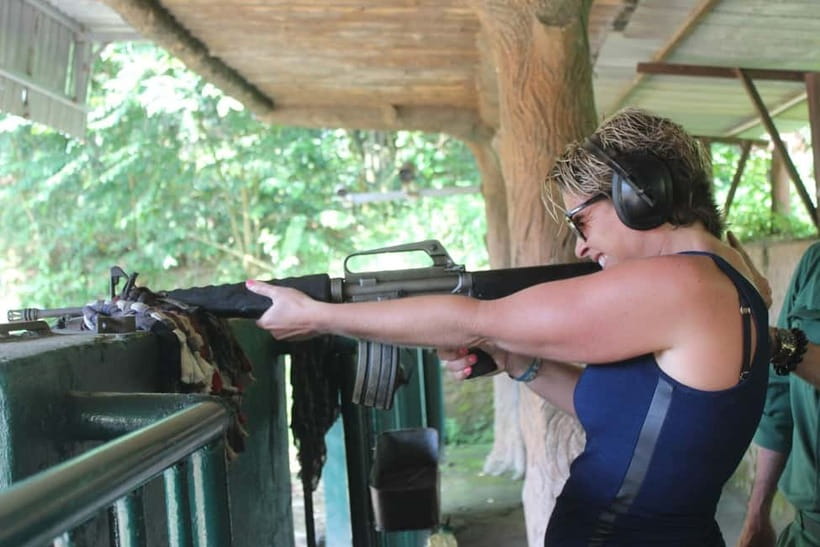
The main event is the crawl. Some sections are preserved closer to original size, while others have been widened slightly for visitor comfort. If you want an extra charge of adrenaline, there’s also an optional shooting range (AK47 or MK16) under supervision, then you’ll head back through the countryside for a rubber plantation stop and a wet market.
In This Review
- Key things to know before you go
- Getting from Ho Chi Minh City to Cu Chi Tunnels (and keeping your energy)
- Your guide and the documentary: why the story makes sense underground
- Inside Cu Chi: what the hand-dug tunnels actually feel like
- Wartime food tasting: tapioca and pandanus tea you can actually taste
- The optional shooting range (AK47 and MK16): controlled, supervised, and not for everyone
- Rubber tree plantation and a countryside wet market stop
- Price and value: how $22 stacks up for a 6-hour day
- Who this tour suits best (and who should think twice)
- Should you book Cu Chi Tunnels from Ho Chi Minh?
- FAQ
- How long is the Cu Chi Tunnels tour from Ho Chi Minh City?
- Is there a morning or afternoon option?
- Do you get hotel pickup in Ho Chi Minh City?
- What languages are available for the live tour guide?
- What’s included in the $22 price?
- Is the lunch included for everyone?
- What food do you taste during the tour?
- Can I do the shooting range during the tour?
- What should I bring with me?
- Is free cancellation available?
Key things to know before you go
- Hand-dug tunnel network used for hiding, supply routes, and living quarters during the war (over 250 km)
- Short documentary film that helps you connect the tunnel walls to real wartime life
- Crawl experience through narrow, dark passageways, with some areas widened for visitors
- Wartime food tasting: boiled tapioca with hot pandanus tea
- Optional supervised shooting range with AK47 or MK16
- Countryside add-ons: rubber tree plantation explanation and a wet market with fruit sampling
Getting from Ho Chi Minh City to Cu Chi Tunnels (and keeping your energy)
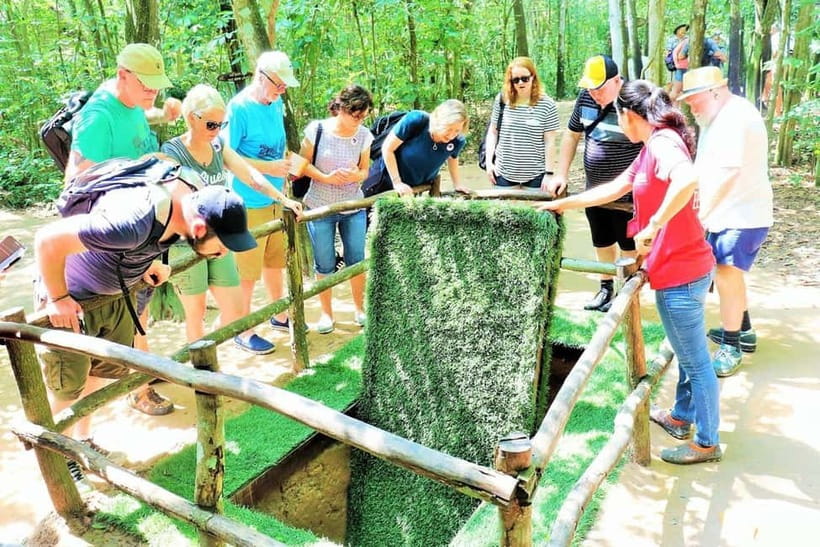
This tour is built as a full 6-hour block, usually split between the city-to-Cu Chi drive and the time you spend underground. You’ll start with hotel pickup in Ho Chi Minh City center, then head out in a good-quality AC car. It’s a simple setup, but the timing matters because you’ll spend real time in transport before you’re even thinking about tunnels.
The upside: once you arrive, the experience is tightly focused. You’re not doing a long museum circuit with a dozen stops. You’re going to the tunnel site, getting context, watching a short film, then crawling through a real network that was used during the war.
A practical note: wear comfortable shoes. You’ll be walking on uneven ground before the tunnel section, and you’ll want something that grips when you’re moving slowly and low to the ground. Also bring water—you’ll appreciate it once the day gets physical.
You can also read our reviews of more tours and experiences in Ho Chi Minh City


Your guide and the documentary: why the story makes sense underground
Cu Chi works best when you understand what you’re looking at. That’s where the guide and the documentary earn their keep.
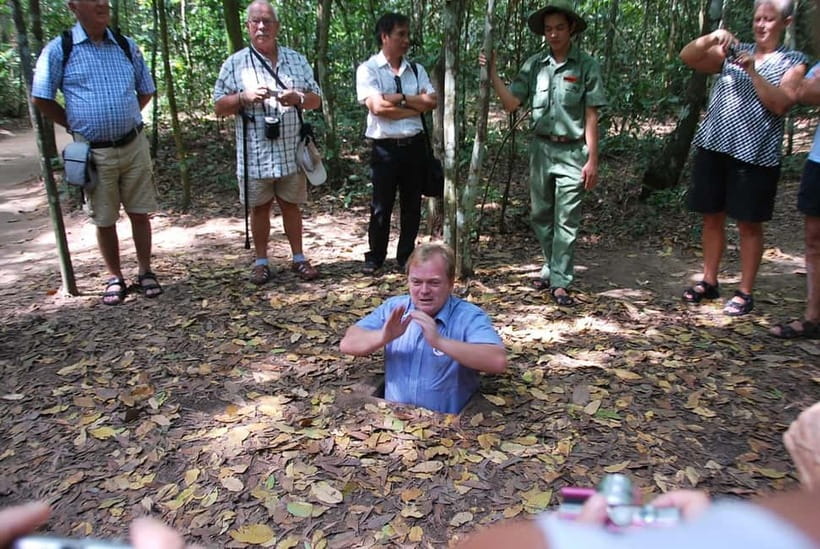
First, your guide gives you the site overview: these tunnels were constructed entirely by hand and became an intricate underground system used by Viet Cong soldiers for hiding, supply movement, and living. Hearing that framing before you crawl helps you connect the small design choices—tight turns, low ceilings, hidden-looking passages—with what they were trying to solve: survival and stealth.
Then you watch a short documentary film. It’s available in multiple languages, so even if you’re not in an English group, you should still be able to follow the key points. I like this part because it doesn’t just list facts. It sets the tone, so when you’re suddenly in the tunnel environment, it feels like a continuation of the story rather than a random attraction.
Guide style can also change your day. In earlier groups, Mr Khun used jokes and quick humor to keep the mood from getting heavy too fast. Bic was praised for making explanations clear, including using tablet images. If you get Tina, you might hear a bilingual approach—English plus Vietnamese—depending on how the group is arranged. That can affect pacing, so if you’re strict about timelines, keep expectations flexible.
Inside Cu Chi: what the hand-dug tunnels actually feel like

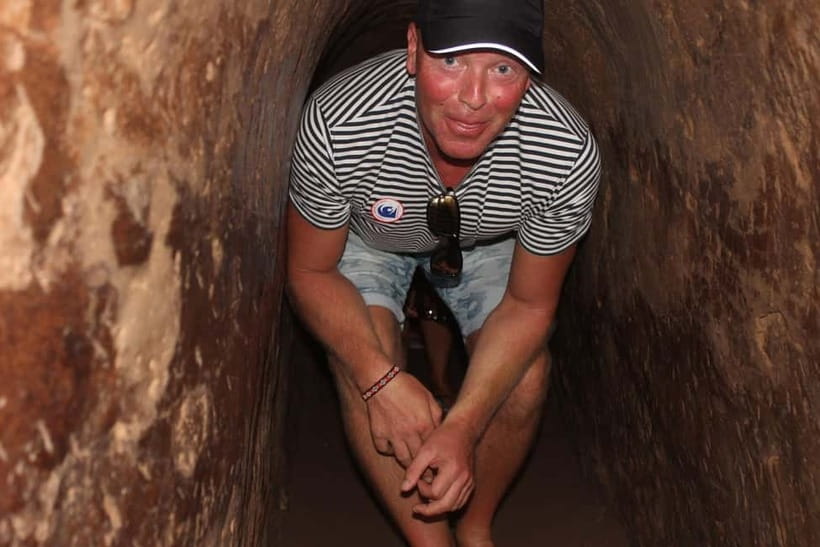
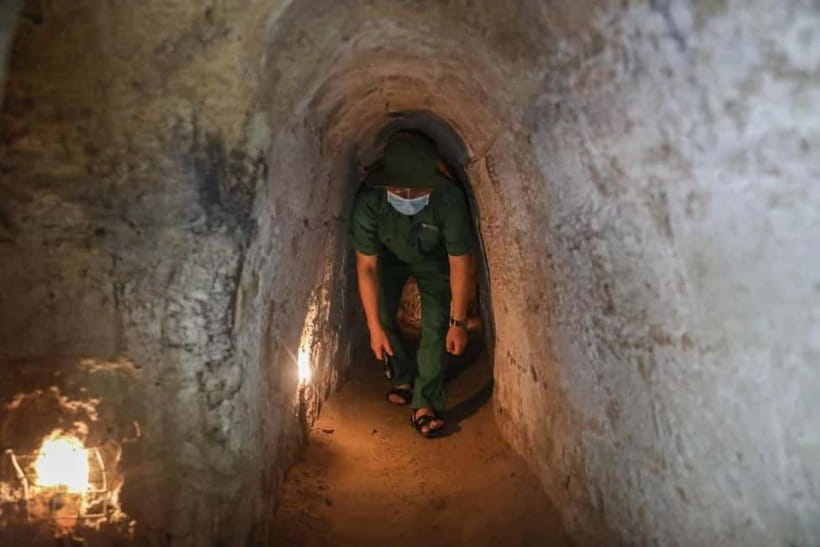
This is the headline for a reason: you don’t just look at the tunnels—you get to crawl through them.
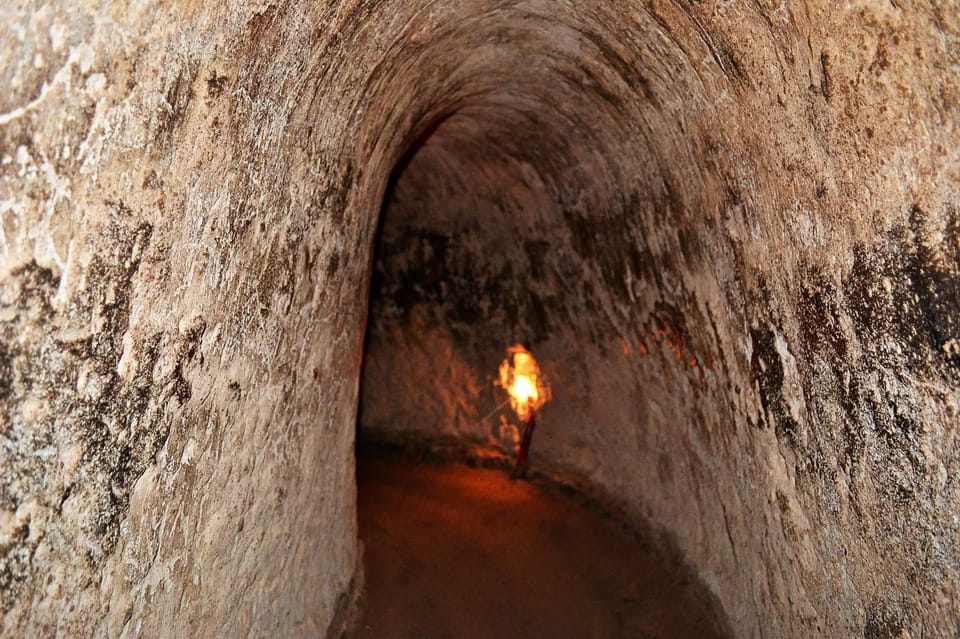
You’ll follow your guide into narrow, dark passageways that were painfully dug out by hand. The experience is designed to be realistic: some sections are preserved to show their original size, which means your body will feel the constraints. Other sections have been widened slightly for visitor comfort, so you can experience the environment without being completely blocked out.
What you should expect in practice:
- It’s physically awkward. You’ll likely move slowly, crouched or low, and you’ll need to pay attention to footing.
- Visibility is limited. Darkness is part of the effect, so don’t plan to “explore” like a normal walkway.
- Your pace will be guided. You’ll go as the guide leads, which helps keep things safe and organized.
This isn’t about conquering tunnels. It’s about feeling the conditions. Once you’re in, the design stops being “cool engineering” and starts feeling like a survival system.
If you’re sensitive to tight spaces or you don’t like enclosed, low-ceiling movement, take that seriously. The tour does widen some sections, but the core experience remains narrow and underground. Choose it because you want a physical perspective—not because you hope it will be like a casual stroll.
Wartime food tasting: tapioca and pandanus tea you can actually taste
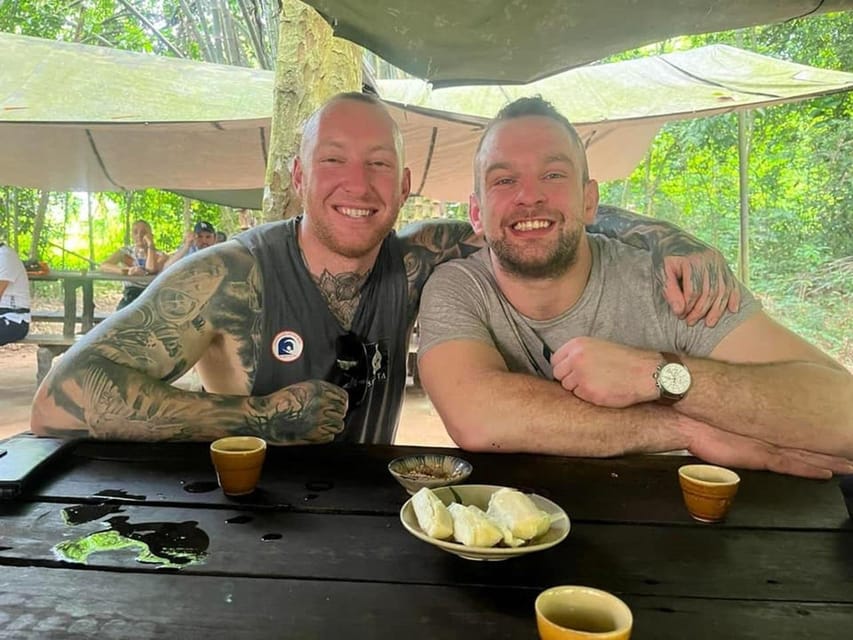
One of the most memorable parts is also the simplest. During the tour you’ll taste a light wartime snack: boiled tapioca served with hot pandanus tea.
This food matters because it’s not presented as fancy culture or a showy gimmick. It’s offered as a survival staple—food that helped people get through hard days. When you combine that with the tunnel crawl, the snack lands differently. You’re not just learning about the war; you’re tasting a small slice of what life was like on the ground.
Expect the snack to be modest—think “light tasting” rather than a full meal. It helps break up the day and keeps you from heading back to the city hungry and cranky. If you’re someone who likes to understand history through food, this one clicks.
The optional shooting range (AK47 and MK16): controlled, supervised, and not for everyone
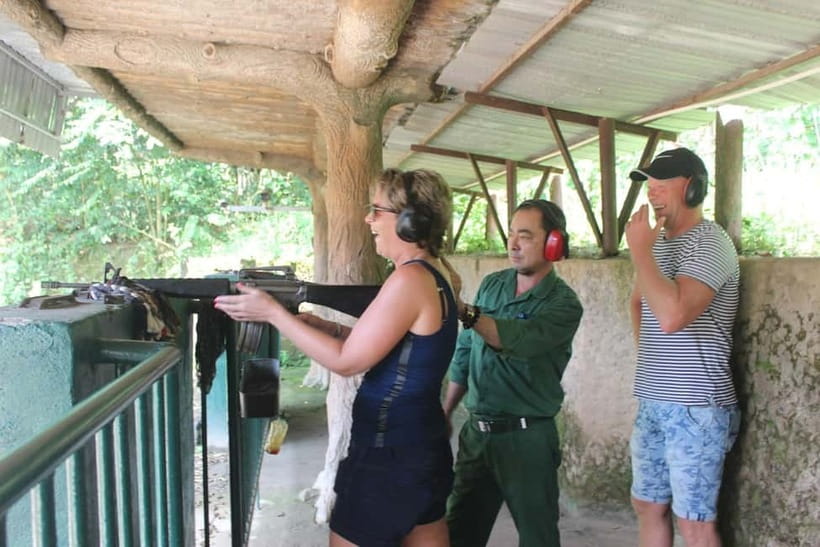
Cu Chi includes an optional shooting range experience if you want to add something more adrenaline-heavy. The setup is supervised and follows safety guidelines, and you can try firing an AK47 or MK16 rifle in a controlled environment.
This is the kind of activity that splits people. If you’re into military history or you want a hands-on, guided experience with clear rules, it can be a worthwhile add-on. If you prefer to keep the focus strictly on the underground life and the historical context, you can skip it and still get a complete tour.
Also, don’t treat this as an impulsive choice. If you go in uncertain, it can distract from the main experience. I’d decide before you arrive based on what you want your day to emphasize: learning through the tunnel environment, or adding a short burst of action on top.




Rubber tree plantation and a countryside wet market stop
What I like about this tour is that it doesn’t end when you crawl out of the tunnels. On the way back, you get a taste of everyday rural rhythm.
First, there’s a rubber tree plantation stop. Your guide explains how rubber is harvested and processed. That part is useful because it gives you a practical window into how land and labor connect in Vietnam, beyond the wartime story.
Then comes a countryside wet market stop. These markets are where locals sell fresh produce, tropical fruits, and other goods. You’ll often have a chance to sample some exotic fruits and interact with friendly vendors. The vibe is straightforward and human—people talking, trading, showing you what’s available right now.
These stops are short compared to the tunnel highlight, but they add balance. After hours of underground confinement and serious context, the open-air market feels like a reset.
Price and value: how $22 stacks up for a 6-hour day
At around $22 per person for a 6-hour tour, this is positioned as solid value—especially if you’re in the Ho Chi Minh City area and don’t want to plan transport and entry fees yourself.
Here’s what’s included:
- Hotel pickup from central Ho Chi Minh City and travel in a good-quality AC car
- A helpful English-speaking guide (private tour may add a surcharge for other languages)
- Bottle drink and tissue
- A light snack at the tunnels (tapioca and tea)
- Entrance fee to Cu Chi Tunnels
- Lunch is listed as an option for a private tour
You’re paying for a real guided experience: context, a documentary, a crawl-through activity, and at least one food tasting plus countryside stops. The “value” comes from the fact that the tour gives you the hard-to-coordinate parts (site entry and guided flow), not just sightseeing.
What’s not included (and matters for budgeting):
- Surcharge for other language guide on private tours
- Holiday surcharges on major Vietnam public holidays
- Shooting range is an optional add-on, even if you choose to try it during the day
If you’re trying to squeeze in Cu Chi as a single day without burning time on logistics, this pricing makes sense. If you’re the type who wants a private tour for a completely tailored pace, check the private option since lunch and language services may affect your final cost.
Who this tour suits best (and who should think twice)
This tour fits best if you:
- Want a hands-on understanding of the war that goes beyond photos and text
- Enjoy guided history that comes with built-in pacing (film, then tunnels, then food, then countryside)
- Like cultural “real life” stops, such as markets and a rubber plantation
You might think twice if you:
- Don’t like tight, dark spaces or you’re uncomfortable crawling low to the ground
- Prefer to avoid any physical activity that forces slow movement and close confinement
- Want total control over timing and language presentation, since group structure can affect pacing
It’s also a good choice for families and mixed-age groups as long as everyone can manage the crawl. But if your group includes someone who struggles with claustrophobia or mobility constraints, consider alternatives that don’t require crawling.
Should you book Cu Chi Tunnels from Ho Chi Minh?
I’d book if you want the iconic Cu Chi experience in a guided, structured format. The combination of the documentary context, the crawling portion, and the tapioca-and-pandanus tea tasting gives you more than a quick photo stop. Plus, the return route through a rubber plantation and wet market keeps the day from feeling like one long, heavy tunnel session.
I’d skip (or rethink) if you expect a comfortable, easy attraction. This is physical. You’ll move low and slow. You’ll feel the narrowness even with some widened sections. If that’s your idea of a good day—this tour is a strong match.
If you’re ready for hands-on history with a real Vietnamese countryside add-on, Cu Chi is one of those days that will stick with you long after you’re back in Ho Chi Minh City.
FAQ
How long is the Cu Chi Tunnels tour from Ho Chi Minh City?
The tour duration is 6 hours.
Is there a morning or afternoon option?
Yes, it runs as a morning or afternoon experience, depending on the starting times available.
Do you get hotel pickup in Ho Chi Minh City?
Yes, pickup is provided in Ho Chi Minh City center.
What languages are available for the live tour guide?
The live guide is available in English, Japanese, Chinese, French, Italian, German, and Spanish.
What’s included in the $22 price?
Included items are AC car transport, a helpful English-speaking guide, bottle drink and tissue, a light snack with tapioca and tea at Cu Chi Tunnels, entrance fee to Cu Chi Tunnels, and lunch only as an option for a private tour.
Is the lunch included for everyone?
Lunch is listed as an option for the private tour option.
What food do you taste during the tour?
You’ll taste boiled tapioca with hot pandanus tea, like the wartime food mentioned for soldiers.
Can I do the shooting range during the tour?
Yes, there is an optional supervised shooting range where you can try firing an AK47 or MK16 rifle.
What should I bring with me?
Bring comfortable shoes and water.
Is free cancellation available?
Yes, you can cancel up to 24 hours in advance for a full refund.