REVIEW · HO CHI MINH CITY
From War to Peace: Long Tân & the Australian Base Today
Book on Viator →Operated by Vietnam Travel Group Co., LTD · Bookable on Viator
Long Tan still feels close to today. This tour focuses on the Vietnam War through the eyes of Australian and Kiwi veterans, while also making space for what Vietnamese fighters experienced—at real places like Long Tan and the Long Phuoc tunnels.
I like the way the day mixes on-site landmarks with a human story approach, including an English-speaking guide and a strong effort to connect with local Vietnamese veterans when possible. I also really value the practical comfort: modern transport, hotel pickup and drop-off, lunch, cool towels, and mineral water.
One thing to consider: pickup timing can be imperfect, so I’d double-check your exact pickup location and be ready for a little delay.
In This Review
- Key things to know before you go
- Why This Long Tan and Long Phuoc Tour Works from Ho Chi Minh City
- The 8-Hour Schedule: Pickup, Private Group, and How to Plan Your Day
- Long Tan Memorial Cross: The Place Where the Story Starts
- Long Phuoc Tunnels: How War Changed Daily Life
- Nui Dat SS Hill: The Australian Base Territory in 1966
- Lunch Between Heavy Stops: What You’re Actually Getting
- Shared Perspectives: Why Rice Wine and Local Veterans Change the Day
- Price and Value: What $91.19 Buys You in Real Terms
- Who This Tour Fits Best (and Who Should Skip It)
- Tips to Get More Out of the Long Tan Day
- Should You Book This Long Tan and Long Phuoc Tour?
- FAQ
- What sites are included on this tour?
- How long is the tour?
- Is hotel pickup available?
- Is lunch included?
- Are entrance fees included?
- Is the tour guided?
- Is this tour private?
- What is the cancellation policy?
- What happens if the weather is bad?
- Is there a minimum number of travelers?
Key things to know before you go
- Long Tan Memorial Cross location: marks the Battle of Long Tan site in Ba Ria–Vung Tau Province, about 110 km east of Ho Chi Minh City
- Long Phuoc tunnels in one focused hour: learn how the tunnel system supported village life and movement
- Nui Dat SS Hill visit: see where an important Australian base operated in 1966
- Lunch is included: Vietnamese food with an Asian menu and a vegetarian option
- Private group format: only your group joins, with a guide and modern transportation
Why This Long Tan and Long Phuoc Tour Works from Ho Chi Minh City
If you’re in Ho Chi Minh City and want Vietnam War sites that feel real—not staged—you need a day plan that respects distance and time. This tour does that by bundling three key stops into one manageable outing: the Long Tan memorial area, the Long Phuoc tunnel network, and the Nui Dat SS Hill area connected to the Australian base story.
What makes it more than a sightseeing run is the theme. It’s designed around veterans who fought on the Australian and Kiwi side, but it doesn’t treat Vietnamese experiences as background noise. The tour description specifically aims to bring former opponents together through local Vietnamese veterans and an interpreter, with rice wine added to the mix. Even when that exact meeting moment doesn’t happen for every departure, the framing of the day stays the same: you’re not just looking at monuments, you’re watching history become conversation.
The other reason I’d pick this format is the practical side. You get hotel pickup and drop-off, modern transportation, and all entrance fees handled. For $91.19, the day is built so you’re not spending energy figuring out logistics while also trying to take in heavy sites.
You can also read our reviews of more tours and experiences in Ho Chi Minh City.



The 8-Hour Schedule: Pickup, Private Group, and How to Plan Your Day
This is an 8-hour tour on the ground, with pickup offered and transfer included. That matters because war-site days can go sideways fast if you’re catching public transport, walking too far, or losing time to unclear meeting points.
The private group setup is a real plus. “Private” here means only your group participates, so your guide can pace explanations around what you want to hear—especially important for a topic that can be emotional and technical at the same time.
Still, do keep one practical thought in mind: pickup can be late or inconsistent if you rely on vague coordination. I’d treat this like a day with real travel distance, not just a quick drive across town. If your schedule is tight, build in buffer time after pickup and avoid stacking other commitments.
Also note the weather requirement. This kind of day is more enjoyable when roads and grounds are in good shape, so if poor weather cancels it, you’ll be offered a different date or a full refund.
Long Tan Memorial Cross: The Place Where the Story Starts
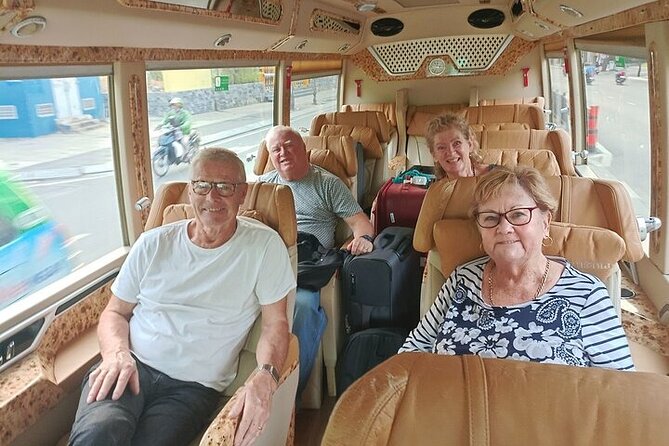
The day begins by heading to the Long Tan Memorial Cross, located in Ba Ria–Vung Tau Province, roughly 110 km east of Ho Chi Minh City. That distance is part of the point: you feel the separation between where you are now and where the fighting happened.
The memorial cross marks the site associated with the Battle of Long Tan. Admission for this stop is free, which is a nice touch in terms of value, but the bigger benefit is what the stop lets you do mentally. This is where the day anchors. You can’t skip this kind of reference point if you want the later stops—tunnels and base territory—to make sense.
What I like about this part of the outing is how it sets your frame. Instead of treating the war as a list of events, the tour structure pushes you to think about geography: where a battle was fought, and how that location connects to the surrounding areas later covered by base activity and guerrilla movement.
Practical note: memorial grounds can be quiet and reflective. Dress in comfortable, breathable clothes, and bring water. The tour includes mineral water, but you’ll still want to stay comfortable for the drive and outdoor time.
Long Phuoc Tunnels: How War Changed Daily Life
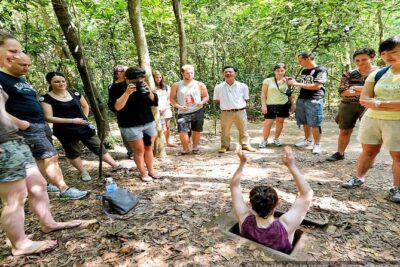
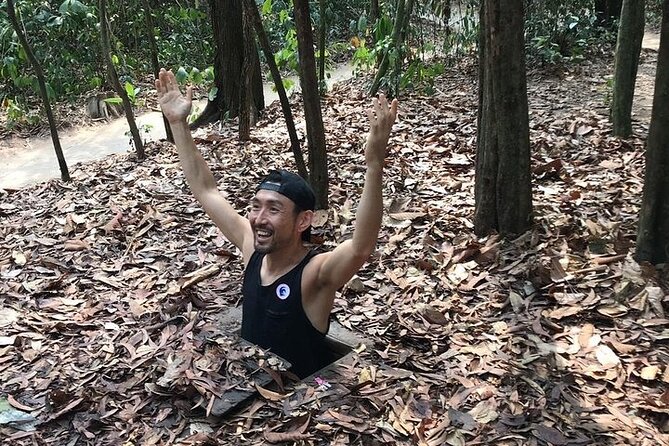
Long Phuoc is the tour’s most physical stop: Long Phuoc tunnels. The description explains that the village had an extensive tunnel system linking it to jungle areas to the northeast. In other words, these weren’t just hiding holes. They supported movement between safe zones and the jungle.
The text also mentions tunnel features such as meeting areas and first aid stations. That’s important because it shifts the tunnel story away from movie images. The tunnels represent a whole support network—planning, care, and coordination—rather than a single dramatic escape route.
The stop is about one hour, and that timing is about right. Tunnels can be hard to process in big doses. You want enough time to understand the layout and purpose, but not so much that you feel like you’re rushing or forcing details you can’t hold onto. In an 8-hour day, one hour keeps it focused.
One consideration: tunnels can be cooler and more enclosed depending on conditions. Wear shoes you trust for uneven footing and plan for tight spaces if you opt to go inside areas where access is available. The tour includes entrance fees, so you’re mostly spending your energy on learning and paying attention—not on paying extra at the gate.
Nui Dat SS Hill: The Australian Base Territory in 1966
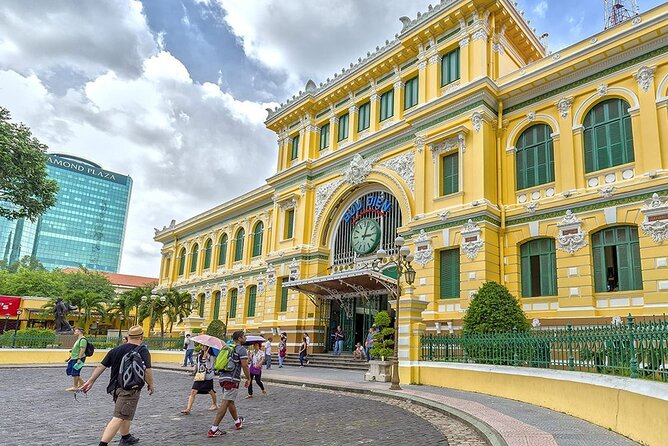
After lunch, the tour heads to Nui Dat SS Hill, tied to the Australian military base operating in the area in 1966, when it was part of Phuoc Tuy Province. This stop is described as a visit connected to the Battle of Long Tan and the base presence around that time.
Even if you’re not a military-history specialist, this part is where the day starts to feel like a multi-perspective puzzle. You’ve already seen a memorial marker (a fixed point of remembrance) and tunnels (a system of survival and movement). Now you connect those to a base landscape, where logistics, security, and operations shaped the conflict in a different way.
The visit time for this segment is short—about an hour—so treat it as a guided orientation rather than a deep museum session. The value is in the interpreter-led framing: it helps you understand why a base location mattered, and how it related to broader fighting around Long Tan.
If you want a sharper mental connection, ask questions during this segment. This tour’s concept is built around an interpreter and shared perspectives, so the guide should be able to explain how the Australian base story intersects with the Vietnamese experience in practical terms.


Lunch Between Heavy Stops: What You’re Actually Getting
Lunch is included, and it’s not generic. You’ll have Vietnamese food with an Asian food menu, and a vegetarian option is available if needed.
This matters more than it sounds. War-site days work best when you eat at a predictable time so you don’t start running on empty while trying to absorb difficult material. A provided lunch also keeps the schedule from turning into a scavenger hunt.
Because your day is mostly driving plus two main site stops, lunch is your reset point. I’d use it that way: eat slowly, take a few minutes to hydrate, and mentally switch gears from remembrance mode to listening mode.
If you have dietary needs beyond vegetarian, make sure you mention it ahead of time when booking. The info you have confirms a vegetarian option, but it doesn’t spell out other dietary accommodations.
Shared Perspectives: Why Rice Wine and Local Veterans Change the Day
This is the part that makes the tour concept different from many “war sites only” day trips.
The overview states that the tour aims to find local Vietnamese veterans who fought in the remarkable context of Long Tan. It also highlights bringing former protagonists together with a good interpreter and rice wine.
Even with the practical limits of scheduling people across a day, that intent matters. You’re not only learning dates and place names. You’re getting reminders that both sides were made of real humans with real reasons, fears, and memories. The tour description frames this as an unforgettable moment for both sides, which signals the organizer’s approach: they want these conversations to feel respectful and grounded, not like a performance for outsiders.
For you, the payoff is emotional context with an educational backbone. When the day includes at least one person who lived through the conflict, your understanding can shift from “events happened” to “people endured.”
Just be aware of one reality: such meetings may depend on availability. So if it happens, it’s a major highlight. If it doesn’t, the site visits still stand on their own, and the guide should still provide the interpretive story that ties Long Tan, tunnels, and Nui Dat together.
Price and Value: What $91.19 Buys You in Real Terms
At $91.19 per person, this day isn’t priced like a “cheap ride.” It’s priced like a guided, all-in half-day-to-day hybrid with transport and site entry handled.
Here’s what’s included:
- modern transportation plus transfer and hotel pickup/drop-off
- lunch (Vietnamese and Asian food)
- English-speaking tour guide
- cool towels and mineral water
- all entrance fees
Then what’s not included is mostly what you’d expect: personal expenses like souvenirs or snacks, plus tipping/gratuities.
So the value equation is pretty clean. If you were to recreate this day yourself, you’d likely pay separately for entry fees, spend extra time on logistics, and still need a guide to interpret what you’re looking at. The tour gives you that interpretation plus the comfort perks (water and cool towels) that are hard to DIY efficiently for a full day.
One extra point: this tour is booked on average 22 days in advance. That suggests demand can be steady, especially for groups interested in Australian and Kiwi Vietnam War sites. If you want a specific departure date, don’t wait until the last week.
Who This Tour Fits Best (and Who Should Skip It)
This experience is a strong match if you:
- care about Australian and Kiwi involvement in the Vietnam War
- want a guided day that ties multiple sites together: memorial, tunnels, and base territory
- like learning through conversation, especially with local veterans and an interpreter when available
- prefer an organized day with pickup, lunch, and entrance fees included
It may not fit as well if you:
- want lots of museum-style time at one location (this is a multi-stop day with shorter segments)
- get uncomfortable with the emotional weight of war remembrance sites
Also, the tour is described as most people can participate and it’s a private group. That’s helpful if you’re trying to keep things simple and comfortable.
Tips to Get More Out of the Long Tan Day
This tour works best when you treat it like a guided narrative, not a checklist.
A few ways to get more from the day:
- Bring a notepad or use your phone notes. If the guide mentions specific place connections—Long Tan to Nui Dat to tunnel systems—write them down fast.
- Ask one good question per stop. Don’t worry about “expert” wording. Just ask for clarity on what the place tells you about how the fighting unfolded.
- Wear practical clothing. You’ll be outside for parts of memorial and base-area visits, and you might face uneven tunnel areas depending on how access is arranged.
- If you’re sensitive to emotional content, tell your guide. A good guide can adjust pacing and explanation so the day stays respectful and manageable for you.
And about the rice wine: if it’s offered during veteran conversations, take it in the spirit it’s intended—part of a human exchange. If you don’t drink, you can simply enjoy the conversation without alcohol.
Should You Book This Long Tan and Long Phuoc Tour?
I’d book this tour if you want an organized, guided day that connects three key Vietnam War sites through Australian involvement and Vietnamese experiences. The combination of Long Tan memorial grounding, the practical explanation of Long Phuoc tunnels, and the Nui Dat base-area visit gives you a balanced picture without requiring you to plan research for weeks.
I’d think twice if you’re chasing a long, leisurely schedule or you’re strict about pickup timing. If you’re going, build in buffer time and confirm pickup details carefully so the day stays smooth.
If you’re in Ho Chi Minh City with limited time but you want real meaning—and not just photos—this is a solid way to do it.
FAQ
What sites are included on this tour?
You’ll visit the Long Tan Memorial Cross, Long Phuoc tunnels, and the Nui Dat SS Hill area connected to the Australian base story during the Vietnam War.
How long is the tour?
The tour duration is about 8 hours.
Is hotel pickup available?
Pickup is offered, and hotel pickup and drop-off are included in the tour package.
Is lunch included?
Yes. Lunch is included with Vietnamese food (also listed as Asian food), and there is a vegetarian option if needed.
Are entrance fees included?
Yes. All entrance fees are included.
Is the tour guided?
Yes. You’ll have an English-speaking tour guide.
Is this tour private?
Yes. It’s private, meaning only your group participates.
What is the cancellation policy?
You can cancel for a full refund up to 24 hours before the experience’s start time (free cancellation). If you cancel less than 24 hours before, the amount paid is not refunded.
What happens if the weather is bad?
The experience requires good weather. If it’s canceled due to poor weather, you’ll be offered a different date or a full refund.
Is there a minimum number of travelers?
Yes. If the minimum isn’t met, the tour may be canceled and you’ll be offered a different experience/date or a full refund.