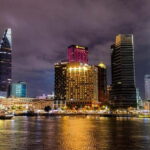
REVIEW · HO CHI MINH CITY
HCM: 2-Day Mekong Floating Market with Cooking & Bike Ride
Book on GetYourGuide →Operated by SST Travel · Bookable on GetYourGuide
That morning light on the Mekong feels different. This 2-day Mekong Delta trip from Ho Chi Minh City strings together markets, pagodas, rowboats, and a real hands-on cooking lesson with a bike ride.
What I like most is the way you get both the big-name sights and the everyday food-and-farm details. You’ll spend real time at Cai Rang Floating Market and also visit Vinh Trang Pagoda, instead of rushing past them.
One key consideration: this tour is not suitable for people with back problems, so if you know your body won’t handle boats, transfers, and getting in and out often, skip this one.
In This Review
- Key highlights worth your time
- Mekong Delta in Two Days: What This Trip Gets Right
- Cai Rang Floating Market: Boats, Produce, and Rice Noodle Watching
- Vinh Trang Pagoda: A Spiritual Stop with Real Purpose
- My Tho and Ben Tre Area: Unicorn Island, Coconut Candy, and Honey Tea
- Can Tho: A Free Evening to Test the Waters
- The Floating Market Energy Again, Plus a Historic House Stop
- Cooking Class for Bánh Xèo or Bánh Khọt: The Most Satisfying Part
- Lunches, Honey Tea, and Coconut Candy: What You’ll Eat Along the Way
- Bike Ride Through the Village: Countryside Views with Movement
- Getting the Most Out of the Group: Guides Make the Difference
- Price and Value: Is $87 Actually a Good Deal?
- What to Bring (and What to Skip)
- Who Should Book This Mekong Delta Tour
- Should You Book This Tour or Not?
- FAQ
- How much does the 2-day Mekong Delta tour cost?
- Where does pickup and drop-off happen in Ho Chi Minh City?
- What meals are included?
- Do I get a cooking class?
- Is the tour suitable for non-swimmers?
- Is smoking allowed during the tour?
- What should I bring?
- Are there extra costs for solo travelers?
Key highlights worth your time
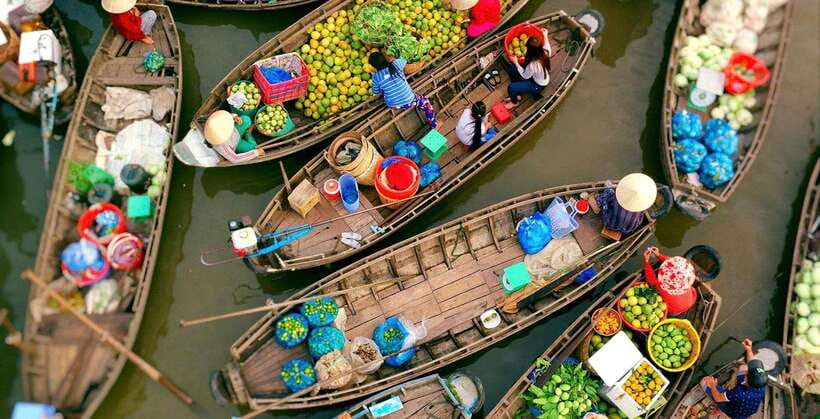
- Cai Rang Floating Market by boat: see produce and boats at one of Vietnam’s largest floating markets.
- Vinh Trang Pagoda stop: a major spiritual site with distinctive Southern architecture.
- Unicorn Island (Thoi Son) rowboat canals: quieter waterways and hands-on local activities.
- Food you make yourself: a cooking class for either Bánh Xèo or Bánh Khọt.
- Countryside biking after lunch: a small-town feel instead of only sightseeing.
- Guides who really run the day: past groups repeatedly praised guides by name, including Ry, Stephen, Sam, Robert, and Phil.
Mekong Delta in Two Days: What This Trip Gets Right
Two days can’t cover all the Mekong Delta. This tour’s strength is that it covers a lot of ground while still giving you multiple “types” of experiences: boats, food, religion, countryside, and a little bit of downtime.
You start from Ho Chi Minh City with pickup in District 1 and move steadily through the delta region. The day structure is active but organized, with English-speaking guidance and plenty of built-in food stops.
The best part for most people: you don’t just watch. You taste (coconut candy, honey tea, honey wine), you ride (motorboat and sampan/rowboat style water time), and you make something to eat (Vietnamese pancakes). That combo is why this tour earns its high rating.
You can also read our reviews of more cycling tours in Ho Chi Minh City

Cai Rang Floating Market: Boats, Produce, and Rice Noodle Watching
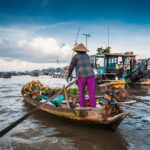
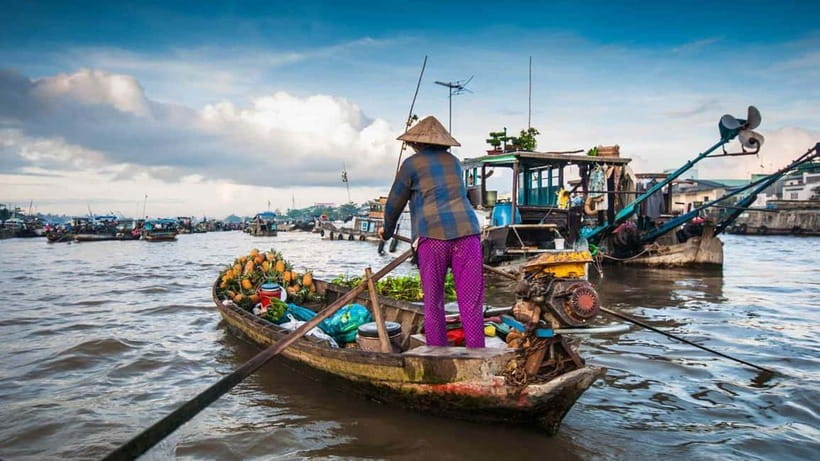
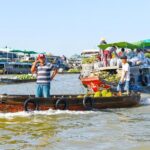
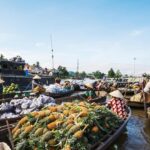
If you want the classic Mekong Delta scene, Cai Rang Floating Market is the place you want to be. You’ll head out early by boat, so the market atmosphere is already in full swing when you arrive.
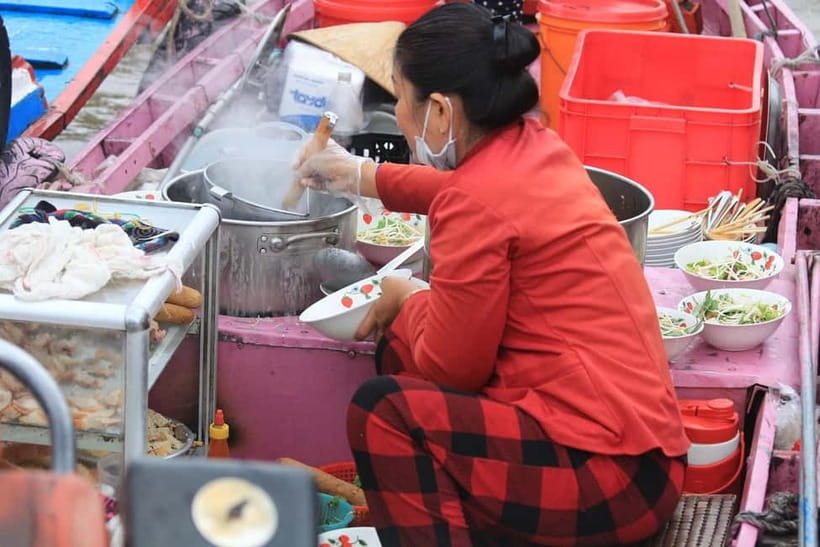
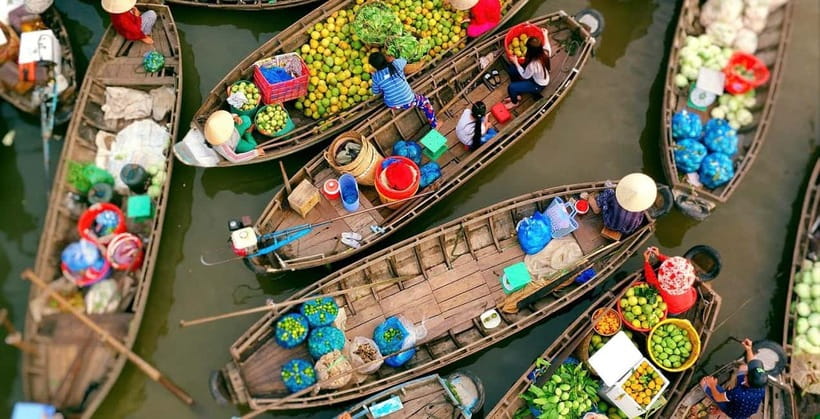
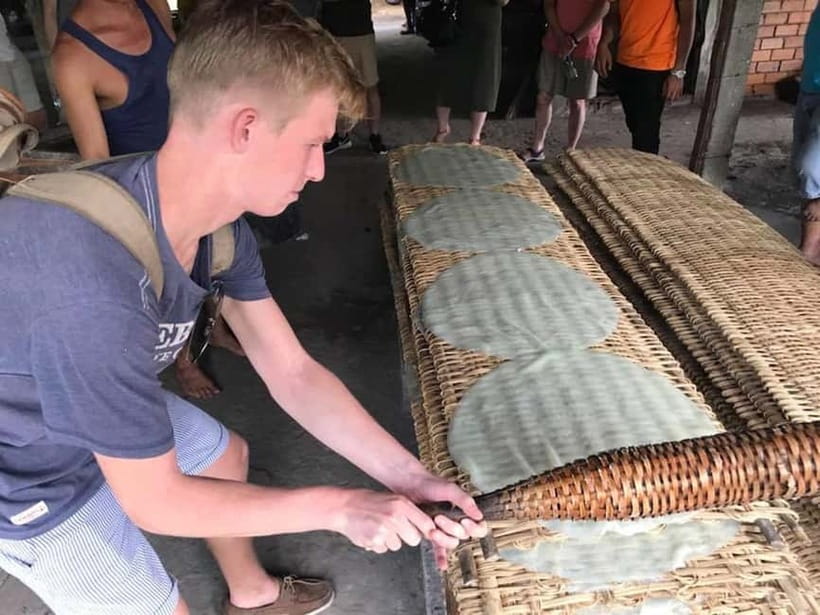
Expect vendors selling fresh fruits, vegetables, and local goods directly from their boats. You’ll also see traditional rice noodle making, which turns the market from just a photo stop into a “how food is made” moment.
Practical tip: bring your camera and shoot early, because morning light makes the boats and faces easier to see. Also, expect crowds and movement on the waterways—good balance shoes help when you’re stepping around.
Vinh Trang Pagoda: A Spiritual Stop with Real Purpose
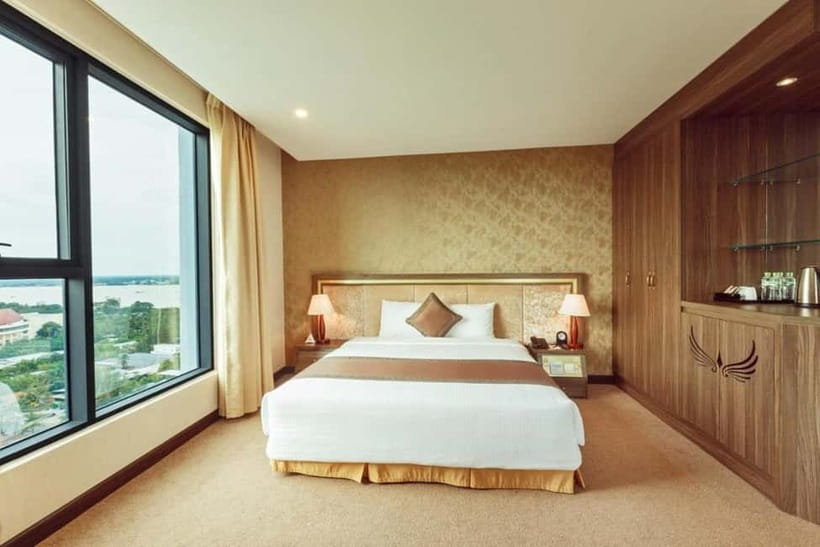
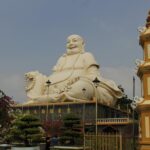
After leaving Ho Chi Minh City, you’ll visit Vinh Trang Pagoda, one of the best-known religious sites in the region. This isn’t just a quick photo moment. You get time to look at the architecture and learn how it connects to the local spiritual heritage.
Why I think this works: in a trip packed with boats and food, a pagoda stop gives your brain a reset. It also helps you understand why the Mekong region has long revolved around temples, festivals, and daily worship—not only commerce.
Wear something comfortable, because you’ll be walking around. If it’s hot, take your time and step into shade when you can.
My Tho and Ben Tre Area: Unicorn Island, Coconut Candy, and Honey Tea
This is where the trip slows down in the best way. You head to Unicorn Island (Thoi Son), and the vibe shifts from main-water traffic to smaller canals and quieter lanes.
The coconut candy workshop is a great example of why this tour feels local. You can taste traditional coconut candy and coconut wine, and it’s the kind of stop where you quickly understand what people actually produce in this region—not just what’s sold in markets.
You’ll also tour tropical fruit gardens while Southern Vietnamese folk music plays in the background. That pairing sounds simple, but it’s effective. Music sets the mood and makes the gardens feel like more than a scenic detour.
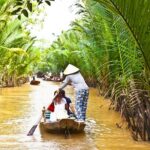
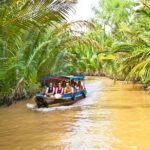
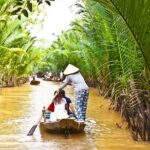
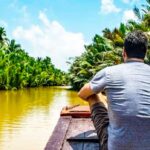
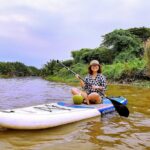
Then comes the water time that most people remember: a serene rowboat ride along small canals. This is typically calmer than the larger channels, and it’s the part that feels most different from city life.
Finally, there’s a bee farm and honey tea tasting. If you like food details, honey tea and honey wine give you a different flavor story than the candy and fruit tastings. It all adds up to a clear theme: agriculture drives daily life here.
Can Tho: A Free Evening to Test the Waters
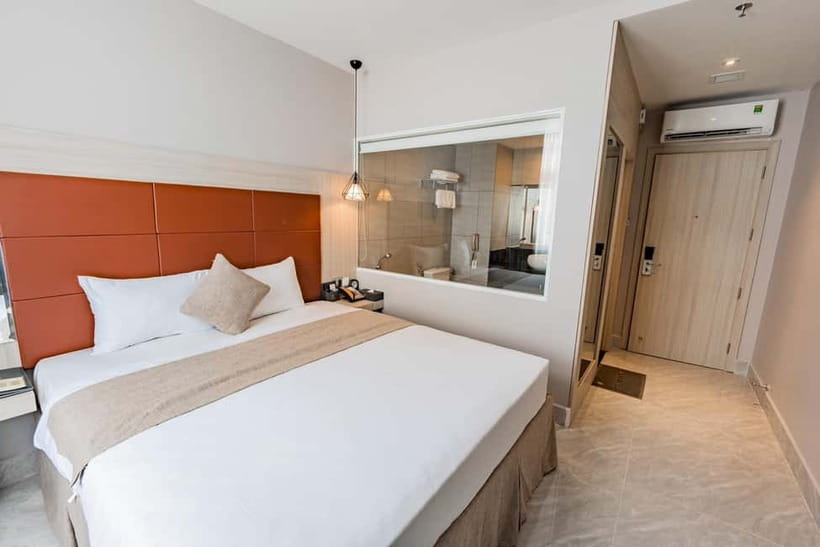
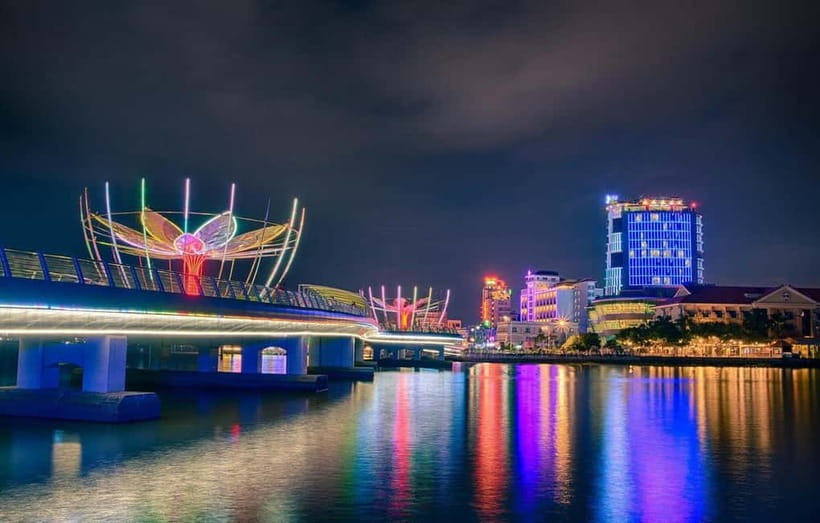
After the first full day, you’ll reach Can Tho, check into your hotel, and then have time for your own dinner. This is a good place to keep it flexible. You can either wander nearby for street food or eat in a restaurant close to where you’re staying.
One thing to plan for: your hotel is arranged by the organizer, and location can vary. In at least one experience, the hotel required a short taxi ride to reach the action. So if you like going out after sunset, don’t assume you can walk to everything without a little transport.
If you’re the type who likes to do your own thing, this free evening is a plus. If you prefer a fully guided schedule, you’ll still get plenty of structure overall, but you’ll have this one pocket of independence.
You can also read our reviews of more shopping tours in Ho Chi Minh City
The Floating Market Energy Again, Plus a Historic House Stop
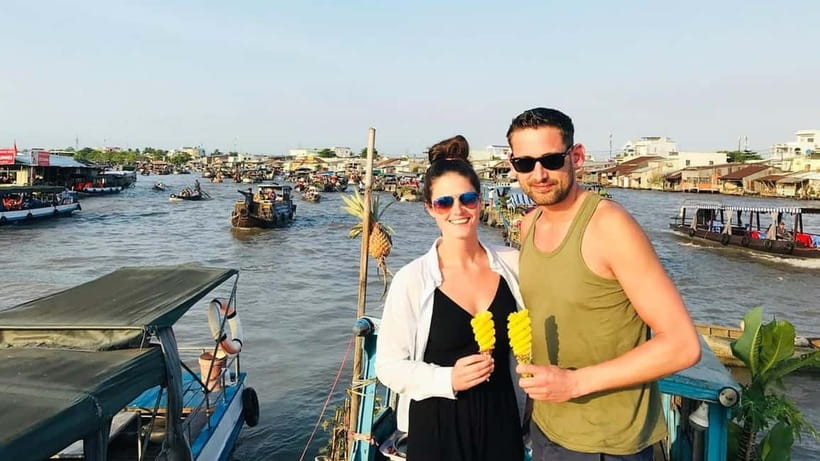
Day two starts early again with a boat trip to the iconic floating market. If you went yesterday and expected the same scene again, note this: today’s focus includes watching rice noodle making during the market experience, plus more direct interaction with the moving vendor scene.
After breakfast and check-out, you also visit a historic house. The details aren’t the same across every departure, but the point is consistent: you get a break from pure water-and-food and add some cultural context about how people lived.
Timing matters on this kind of tour. Early starts mean you can pack in a lot, but you’ll want to sleep well and keep your energy up.
Cooking Class for Bánh Xèo or Bánh Khọt: The Most Satisfying Part
This is the moment that turns the trip from sightseeing into something you’ll actually remember while you’re at home.
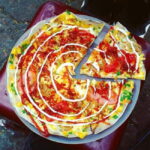
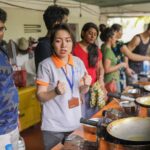
You’ll take a hands-on cooking class making either Bánh Xèo or Bánh Khọt, both classic Vietnamese pancake-style dishes. The exact choice can vary, but you’ll learn how to put the ingredients together and then eat what you cook.
Why this matters for value: the meal is included, but the lesson is the real payoff. You’re not just getting a plate. You’re learning the method, and that makes the food taste more meaningful later.
If you’re curious and you like asking questions, this is where you’ll get the most direct answers from the guide and local experts. Bring your appetite and expect it to be a fun, practical session rather than a lecture.
Lunches, Honey Tea, and Coconut Candy: What You’ll Eat Along the Way
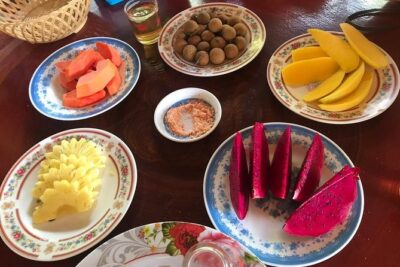
Food is a major part of the design here. Across the two days, you get two lunches plus one breakfast, and you also get tastings: tropical fruits, honey tea, honey wine, and coconut candy.
This is a rare combo for the Mekong Delta style of tour because it spreads food across the trip. You’re not only eating at one restaurant and calling it done. You sample from different places, and the flavors connect to the local economy: fruit gardens, beekeeping, and coconut production.
Practical note: don’t overpack snacks before the market and boat sessions. You’ll get plenty to eat, and you’ll want room for the cooking class meal.
Bike Ride Through the Village: Countryside Views with Movement
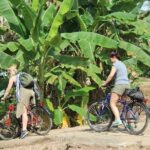
After lunch on day two, you cycle through the village and countryside. This is one of the better ways to see the region beyond boats and markets, because you’re closer to daily routines.
Is it hard? The tour doesn’t position it as an extreme ride, but it is still active travel. You’ll be cycling on local roads and paths, under sun, and you’ll want comfortable shoes and a water plan.
Bring sunscreen and a sun hat. You’ll likely be in bright conditions for parts of this segment, and there’s only so much shade on rural routes.
If you hate group pacing or you get stressed when you can’t control the timing, this part might feel a bit busy. But if you like movement and want to feel the countryside rather than only view it, it’s a strong add-on.
Getting the Most Out of the Group: Guides Make the Difference
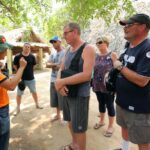
One reason this tour performs so well is the human factor. Past groups repeatedly praised guide talent, including named guides like Ry, Stephen, Sam, Robert, and Phil.
That matters, because in a trip with boats, multiple stops, and a cooking lesson, good guidance keeps things smooth and helps you understand what you’re seeing. It also helps you get useful local tips without turning everything into a checklist.
You’ll also have an English-speaking guide and air-conditioned transport between key points. Boats aren’t air-conditioned, but the land transfers help you reset between activities.
Price and Value: Is $87 Actually a Good Deal?
At $87 per person, the price is competitive for a two-day Mekong Delta experience that includes multiple boat segments, hotel accommodation for one night, an English-speaking guide, attraction admissions, and several meals.
Here’s why the value holds up:
- You get 1-night accommodation plus pickup and drop-off within District 1.
- You’re not paying extra for the main cultural and food activities; the cooking class and tastings are part of the package.
- You receive two lunches and one breakfast, plus bottled water.
Solo travelers should be aware that a single room fee is mandatory. That can change the real cost, so check your option carefully before you lock it in.
Also watch for holiday surcharges on specific dates listed by the organizer. If your travel dates overlap those windows, expect an extra payment on-site.
What to Bring (and What to Skip)
For comfort and sanity, pack the basics for heat, sun, and hands-on activities:
- Comfortable shoes for walking and stepping around boats
- Sun hat and sunscreen
- Camera
- Water
- Insect repellent
Skip smoking, since it’s not allowed during the tour.
If you’re sensitive to motion, plan for boat time. The tour includes motorboat and sampan/rowboat-style rides, so you’ll feel the water even if you don’t get soaked.
Who Should Book This Mekong Delta Tour
This is a great pick if you want:
- A food-centered Mekong Delta trip with tastings and a real cooking lesson
- A mix of boats (including floating market time) and land culture stops
- An active schedule that still feels organized
It also suits people who like meeting others in a group setting, since so many moments happen together: markets, boats, and cooking.
Avoid it if:
- You have back problems or need wheelchair-friendly access (the tour states it’s not suitable)
- You’re not comfortable in the water, since it’s not suitable for non-swimmers
Should You Book This Tour or Not?
I’d book it if you’re the kind of traveler who wants Mekong Delta highlights but also cares about food, small local details, and hands-on moments. The combination of Cai Rang floating market, Unicorn Island canal time, and cooking Bánh Xèo or Bánh Khọt is a strong “two days well spent” recipe.
I’d pass if you want a slow, low-movement style trip, or if your body needs gentler travel. This one runs on activity, boats, and frequent transfers.
If you’re deciding between similar tours, look closely at the included pieces. Here, most of the costs that surprise people on other tours are already bundled: meals, cooking class, and the key transport elements.
FAQ
How much does the 2-day Mekong Delta tour cost?
The price listed is $87 per person.
Where does pickup and drop-off happen in Ho Chi Minh City?
Pickup and drop-off are within the center of District 1.
What meals are included?
You get 2 lunches and 1 breakfast. Dinner is not included and you’re responsible for your own meal.
Do I get a cooking class?
Yes. You’ll take a hands-on cooking class to make either Bánh Xèo or Bánh Khọt, and then eat what you make.
Is the tour suitable for non-swimmers?
No. The tour is not suitable for non-swimmers.
Is smoking allowed during the tour?
No. Smoking is not allowed.
What should I bring?
Bring comfortable shoes, a sun hat, camera, sunscreen, water, and insect repellent.
Are there extra costs for solo travelers?
Yes. Solo travelers must pay a mandatory single room fee, which is detailed in each option.
If you want, tell me your travel dates (especially if they fall on holiday surcharge periods) and whether you’re traveling solo or with someone. I can help you sanity-check the total cost and timing.