REVIEW · HO CHI MINH CITY
Ho Chi Minh: Cu Chi Tunnels Small-Group Tour & War Veteran
Book on GetYourGuide →Operated by TripGuru Vietnam · Bookable on GetYourGuide
War history here is hard to forget. A small-group Cu Chi Tunnels trip swaps sightseeing for real stories. You’ll ride out from Ho Chi Minh in air-conditioned comfort and start at Ben Dinh, where replicas set the stage fast.
What I like most is the chance to ask questions during a 1-hour war veteran interaction, which turns the tunnels from a history site into a lived experience. Another big plus is how the tour blends classroom-style context with hands-on walking through the passage network.
One drawback to plan for: the tunnels are tight and physically demanding. If you hate cramped spaces, or you have mobility or breathing/heart concerns, this won’t feel good.
In This Review
- Key Highlights You’ll Notice Right Away
- Why Cu Chi Tunnels Work Better Than a Basic History Visit
- Getting There: Pickup, Timing, and the Best Way to Start
- Meeting a Vietnam War Veteran: The Hour That Changes the Tone
- Ben Dinh Tunnel Area: Replicas That Make the Real Thing Understandable
- Walking the Underground Labyrinth: Claustrophobia, Cold Sweat, and Smart Exits
- Booby Traps and Daily Life: What You’re Actually Learning
- Optional Rifle Range: Choose Your Comfort, Then Watch Your Feelings
- The Agent Orange and Craft Stops: Where the Story Extends Beyond the Tunnels
- Price and Value: What $23 Gets You (and What Might Cost Extra)
- Who Should Book This, and Who Should Skip It
- What to Pack So the Day Feels Easier
- Should You Book This Cu Chi Tunnels Small-Group Tour?
- FAQ
- How long is the Cu Chi Tunnels Small-Group Tour from Ho Chi Minh?
- Is pickup from my hotel included?
- What happens at the tunnels?
- Do I have to fire a rifle?
- What if the Vietnam War veteran isn’t available?
- Where is the meeting point if I don’t use hotel pickup?
- Are entrance fees included in the price?
- Is the tour suitable for everyone?
Key Highlights You’ll Notice Right Away
- 1-hour veteran talk gives you context you can’t get from signs alone
- Ben Dinh replicas show traps, sleeping quarters, and barracks in a way that clicks
- Underground passage walking makes the scale of guerrilla survival feel real
- Optional M16/AK-47 range lets you choose your comfort level with the day
- Small group capped at 9 helps you actually hear, ask, and move at a human pace
Why Cu Chi Tunnels Work Better Than a Basic History Visit
Cu Chi is one of those places where you’ll quickly notice the difference between reading about a war and stepping into the logic that kept people alive. The tunnels weren’t built for tourism. They were built to hide, move, signal, and wait out an enemy search. That’s why a guided format matters here: you need a guide to explain what you’re looking at while it’s still fresh.
This tour is also set up for attention, not rushing. You get hotel pickup and drop-off, then a drive out to the Cu Chi area. Once you arrive, the pace is built around the idea that you’re learning while walking—what the place was for, and what it meant day to day. It’s not just photos. It’s understanding.
And the small-group cap (max 9 participants) helps. Less crowd pressure means less noise, fewer delays, and more chances to ask real questions without feeling like you’re trying to speak over a busload.
You can also read our reviews of more tours and experiences in Ho Chi Minh City.



Getting There: Pickup, Timing, and the Best Way to Start

You’ll either meet at Central Market Le Lai or get picked up from your hotel (pickup is available for specific districts and wards). If you’re doing pickup, look for a guide wearing a TripGuru shirt or holding a TripGuru sign, so you don’t end up chasing the wrong group.
Here’s the practical tip: even though this is a “half day to full day” style experience, you’ll do best when you arrive early to reduce stress. If you choose the meeting point option, be there at least 10 minutes early. Guides typically wait no more than 10 minutes, and in this kind of schedule, being late can mean you miss the start of your guided briefing.
You’ll also want to keep an eye on the day’s rhythm. Several guides run early enough that you avoid the worst rush at the tunnels, which can matter a lot because Cu Chi is a popular destination and can get crowded.
Meeting a Vietnam War Veteran: The Hour That Changes the Tone
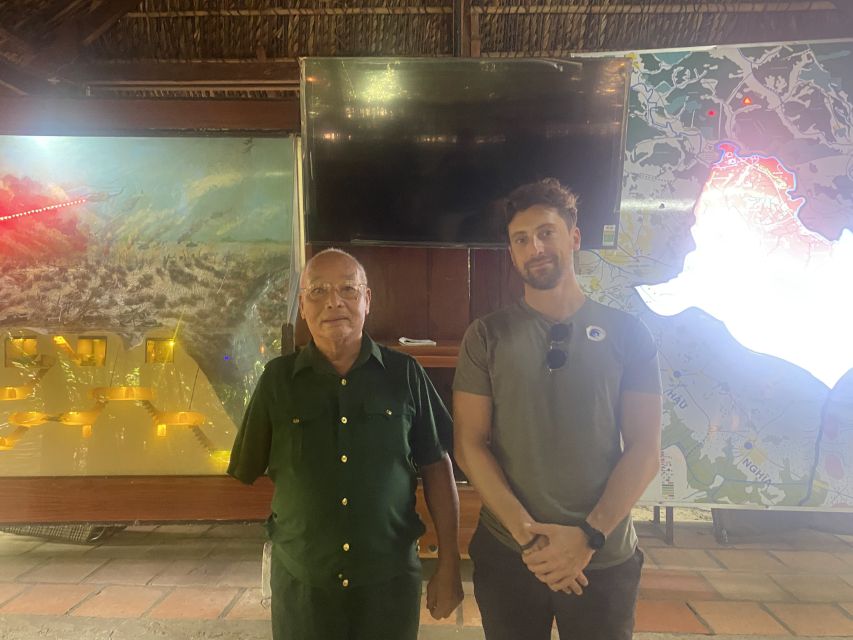
The star of this tour is the war veteran interaction—about one hour devoted to conversation and firsthand perspective. This is the part you should treat as the emotional spine of the day.
What makes it valuable isn’t just the stories. It’s the fact that you can ask questions and get answers grounded in lived memory. In practice, the best way to get value is simple: come with a few prepared questions about daily life underground, how people handled fear, how communication worked, or how they understood survival.
Also note how this can vary day to day. The Vietnam War veteran may sometimes skip a session due to old age and health. When that happens, the tour is filled in by a family member connected to Phan Thi Kim Phuc (Napalm Girl). That replacement keeps the storytelling alive, but the format may shift slightly depending on who is available that day.
If you want the best experience, don’t treat this as a passive talk. Treat it like an interview you’re allowed to ask politely.
Ben Dinh Tunnel Area: Replicas That Make the Real Thing Understandable
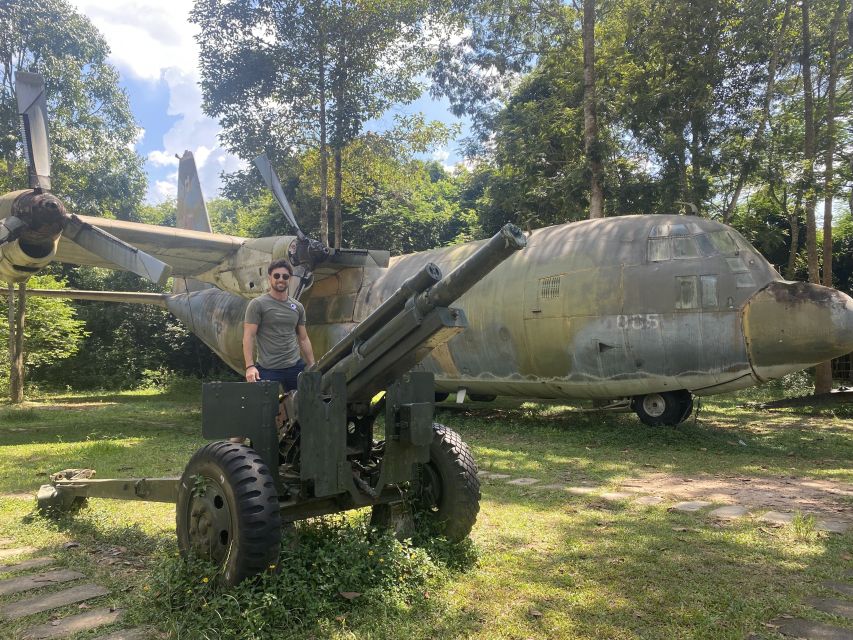
You start at the Ben Dinh tunnel entrance area and get a guided walk through about 30 minutes of first-stop viewing. This is where the tour earns its keep: Ben Dinh includes replicas of booby traps, plus sleeping quarters and barracks.
Why replicas help: the tunnels are underground and cramped, so without context it’s easy to see everything as “small rooms.” The replicas translate what you’re seeing into purpose—how spaces were used, why hiding was possible, and how guerrilla life was organized when you had limited time, light, and air.
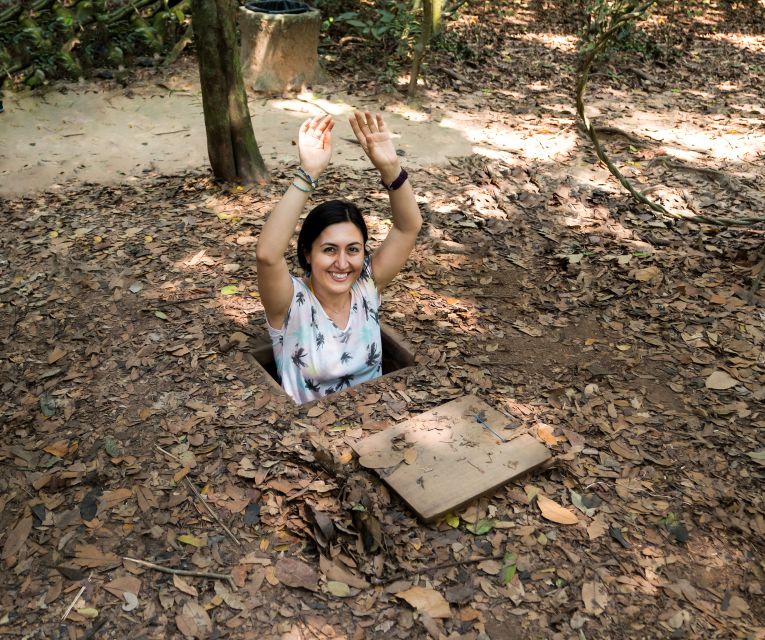
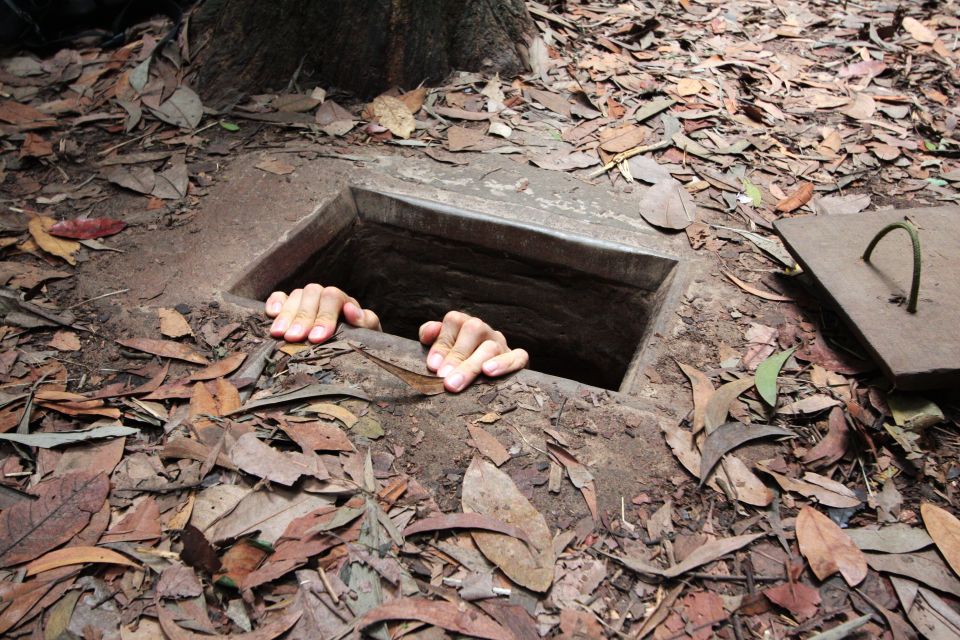
You’ll then continue into the Cu Chi tunnel portion with about 1 hour of guided exploration. Expect to move through a network of underground passages designed for survival. Some parts you walk through are small, and you’ll understand quickly why the Viet Cong built for necessity rather than comfort.
A practical consideration: the tunnels you can visit today are larger than what people originally used, to make tourism possible. Even so, the physical feel is still tight—so plan to go at your comfort speed and be ready for stop-and-go moments as groups navigate.
Walking the Underground Labyrinth: Claustrophobia, Cold Sweat, and Smart Exits
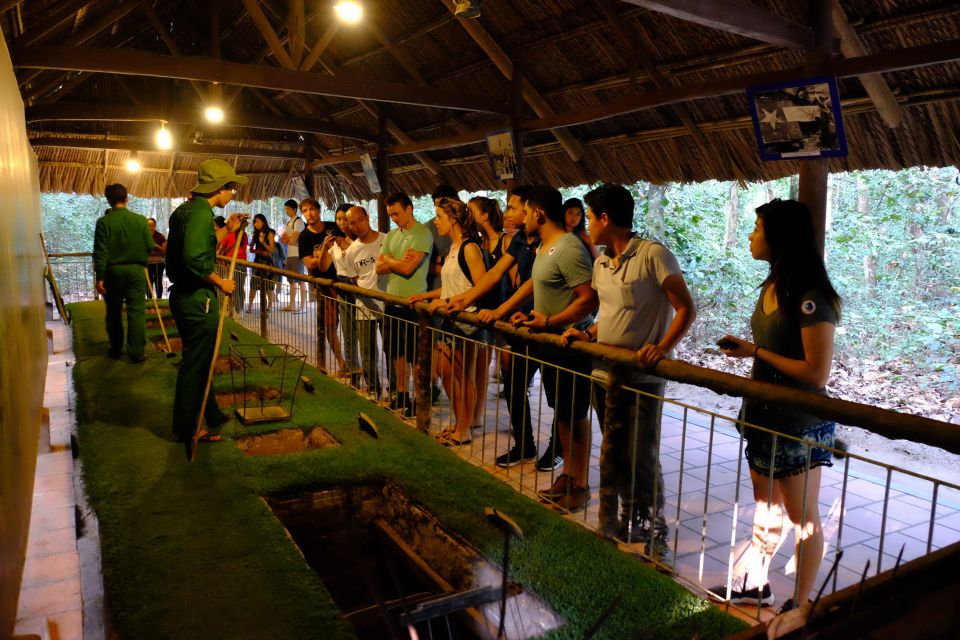
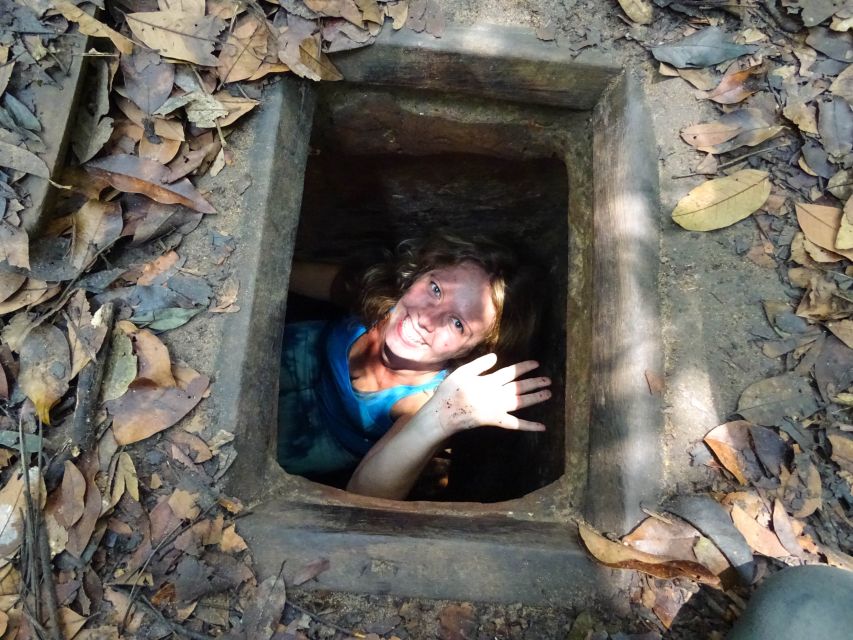
When you’re underground, you’re not just looking—you’re negotiating space. The passages require bending, careful footing, and patience. That’s why this isn’t a sit-back experience. It’s more like stepping into a practical problem: How do you move unseen, quietly, and quickly?
One reason people love this tour is that the experience is not one long, no-exit crawl. There are exits you can use if claustrophobia starts to spike. That matters because it turns a potentially scary situation into a manageable one.
Still, I’d take the tunnel size seriously if you’re planning this trip. A few points to keep in mind:
- If you’re worried about tight spaces, choose your comfort level early
- If you have broad shoulders or limited mobility, the first access areas can feel awkward
- You’ll want comfortable shoes, not flip-flops and not slick sneakers
And yes, you should also protect yourself from the conditions above ground. Wear sunscreen, bring insect repellent, and consider an umbrella if the weather turns.




Booby Traps and Daily Life: What You’re Actually Learning
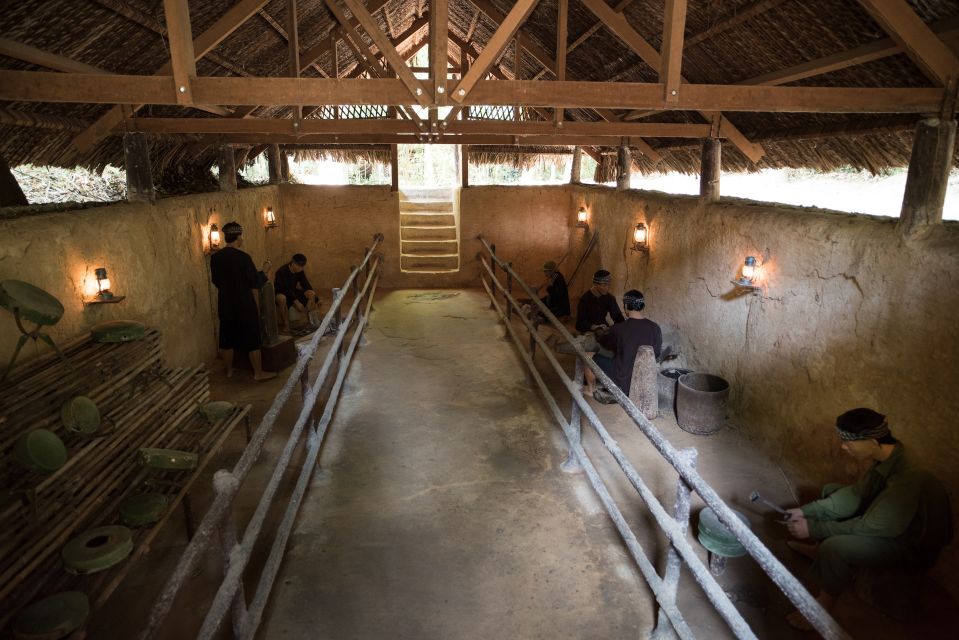
The tour doesn’t just show the tunnels. It tries to explain what the tunnels were part of—an entire system of survival and movement.
At Ben Dinh, the booby trap replicas are meant to illustrate mechanisms and intent. It’s easy to react with shock, but the tour’s value is that you’re guided toward understanding the logic. People were defending territory with limited resources, and they built ways to slow down or disrupt enemy searches.
Then there’s the human side: sleeping quarters and barracks help you picture the routines. Even without exact military details, you can feel the constraints—limited space, the need to sleep and stay ready, and the reality that “rest” wasn’t like normal life.
If you’re the type who likes context over spectacle, this tour delivers more than most because the guide keeps connecting what you see to why it existed.
Optional Rifle Range: Choose Your Comfort, Then Watch Your Feelings
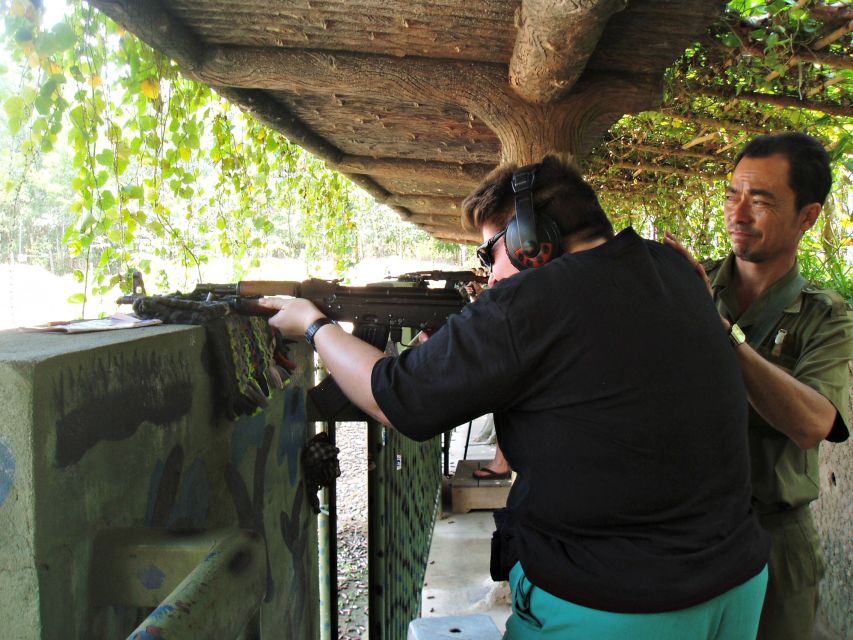
After the tunnel exploration, you’ll head to a firing range where you have the option to shoot an M16 or AK-47. This is optional, and that’s important. You can participate or skip based on what feels right to you.
If you do fire a rifle, you’re choosing an adrenaline add-on to a day already heavy with wartime context. It can be an odd contrast, so go in with your own expectations. If you’re sensitive to the emotional weight of war stories, you might prefer to skip the range and focus on the historical explanation.
Either way, this stop helps break up the day and provides a physical activity moment after walking underground.
The Agent Orange and Craft Stops: Where the Story Extends Beyond the Tunnels
Some versions of this day include an extra visit tied to aftermath and recovery. Based on what you might experience depending on your guide, you could be taken to a place where people affected by Agent Orange create artwork, and you may also see a quick stop at a lacquer workshop or similar craft stop on the way back.
Why this matters: the Cu Chi tunnels show war ingenuity, but they don’t show the long tail. If you get these additions, you’ll see how war consequences still shape livelihoods and abilities years later.
Even if your day is more tunnel-focused, it helps to know that the tour may connect the past to current life through small stops. That’s one reason this experience can feel more complete than a basic tunnels-only outing.
Price and Value: What $23 Gets You (and What Might Cost Extra)
At around $23 per person for a 6-hour tour, this can be excellent value, especially because you’re paying for transportation, an English-speaking guide, and the veteran interaction that many tours can’t include.
However, read the fine print mindset:
- The entrance fees to the Cu Chi tunnels may be included depending on which option you select. If not, there’s a stated fee of VND 125K.
- The rifle firing fee is optional and not included.
- Meals aren’t included.
So for budgeting, I suggest you treat it like this: the tour price is the “core package,” and you might add a bit more depending on optional shooting and entrance fee coverage. If you already know you’ll want the rifle range, you should plan extra cash. If you just want tunnels + veteran talk, you can keep costs closer to the base rate.
Who Should Book This, and Who Should Skip It
This is a strong fit if you:
- want a small group experience instead of a cattle-car schedule
- care about firsthand perspectives and questions, not just a photo stop
- can handle walking through cramped spaces and moving slowly
It may be a poor fit if you:
- are traveling with children under 7
- are pregnant
- have mobility impairments
- have heart problems or respiratory issues
Even if you can walk, the tunnels are the main physical hurdle. The experience can be made manageable with exits and pacing, but you still need to be willing to get physically uncomfortable for a while.
What to Pack So the Day Feels Easier
For this tour, the packing list is less about fashion and more about survival vibes:
- Comfortable shoes (closed, grippy)
- Hat and sunglasses
- Umbrella (weather changes fast)
- Camera if you want photos, but protect it from sun and heat
- Sunscreen
- Insect repellent
- Cash for optional items (rifle fee, and possibly entrance depending on your option)
Bring water if you like—this tour provides bottled water, but you’ll still feel better if you’re proactive.
Should You Book This Cu Chi Tunnels Small-Group Tour?
I’d book it if you want the best “meaning per minute” version of a Cu Chi day trip: small group, guide-led context, and a real conversation with a war veteran when available. The veteran interaction is the difference-maker, and the Ben Dinh replicas help you understand what you’re walking through instead of just surviving it.
Skip or reconsider if claustrophobia is a big issue for you, or if health conditions make tight spaces risky. This isn’t a casual stroll; it’s a physically confined experience with heavy themes.
If your goal is a serious, guided, high-value Cu Chi visit without feeling lost in a crowd, this is one of the more sensible ways to do it.
FAQ
How long is the Cu Chi Tunnels Small-Group Tour from Ho Chi Minh?
The tour lasts about 6 hours.
Is pickup from my hotel included?
Yes, hotel pickup and drop-off are included. Pickup availability depends on your district/ward.
What happens at the tunnels?
You’ll visit the Ben Dinh tunnel entrance, then tour the Cu Chi tunnel areas with a guide, including time to see replicas of items like booby traps and sleeping quarters, and time to walk through underground passages.
Do I have to fire a rifle?
No. Rifle firing (M16 or AK-47) is optional. There’s a separate rifle firing fee if you choose to do it.
What if the Vietnam War veteran isn’t available?
On days the veteran cannot lead the tour, a family member associated with Phan Thi Kim Phuc (Napalm Girl) will fill in.
Where is the meeting point if I don’t use hotel pickup?
The meeting point is Central Market Le Lai. Be there at least 10 minutes early.
Are entrance fees included in the price?
Entrance fees depend on the option you select. If your option doesn’t include them, there’s a listed fee of VND 125K.
Is the tour suitable for everyone?
No. It’s not suitable for children under 7, pregnant women, people with mobility impairments, and people with heart problems or respiratory issues.