REVIEW · HO CHI MINH CITY
Ho Chi Minh: Full-Day Private City Tour
Book on GetYourGuide →Operated by Maika Tours · Bookable on GetYourGuide
A big day in Ho Chi Minh starts with color. This private tour strings together flower-market streets, Chinatown temples, and major Saigon landmarks with an English guide who helps the city make sense. Two highlights I really like are the morning swing through Ho Thi Ky’s flower market and the chance to pair heavy history at the War Remnants Museum with lighter, street-level city time afterward. One thing to consider is that the museum content can be graphic, so plan your emotions accordingly.
You’ll also spend real time moving between neighborhoods, not just ticking off buildings. The pacing is built around key stops plus a few breaks, including lunch and coffee, so it feels full but not rushed. If you’re sensitive to crowds or want total freedom over timing, a set-route private tour may feel a bit structured—though you do get a private guide to steer it.
In This Review
- Key moments you’ll care about
- First stop: Ho Thi Ky Flower Market and the rhythm of selling
- Pedal through Ho Chi Minh: Pet Market, fruit stops, and the Chinatown route
- Thien Hau Temple in Chinatown: beauty with a living religious feel
- War Remnants Museum: powerful, graphic, and worth preparing for
- Lunch and street fuel: famous phở plus a real break from heat
- Reunification Palace: a walking lesson in turning points
- Notre Dame Cathedral and the Central Post Office: classic French lines in modern use
- The CIA building connection and Frequent Wind: history told through a last flight
- Mini walking tour: Opera House, Hotel Continental, Nguyen Hue Square, and city skyline notes
- Ben Thanh Market and Vietnamese coffee: your end-of-day culture hit
- Price and value: what $95 buys in a full, private day
- Smart traveler tips for this exact itinerary
- Should you book the Ho Chi Minh Full-Day Private City Tour?
- FAQ
- How long is the Ho Chi Minh Full-Day Private City Tour?
- What is the price per person?
- Does the tour include hotel pickup?
- What’s included in the price?
- What is not included?
- Is the tour private?
- What language is the guide?
- Where does the tour take you during the day?
- Is wheelchair access available?
- When is the tour recommended to start?
- Are there any times of year the tour might not run?
Key moments you’ll care about
- Ho Thi Ky Flower Market first thing for a sensory hit of daily trade life
- Pet Market cycling leg that turns a long transfer into an experience
- Thien Hau Temple in Chinatown for architecture and atmosphere
- War Remnants Museum + Reunification Palace for history that hits hard
- Notre Dame Cathedral and the Central Post Office for classic French-colonial details
- Ben Thanh Market finale for bargaining practice or calm wandering
First stop: Ho Thi Ky Flower Market and the rhythm of selling
Ho Chi Minh City can feel chaotic at first. This day gives you a calmer on-ramp by starting at Ho Thi Ky Flower Market, billed as the city’s biggest. The streets inside feel tight and busy, with traders working around narrow lanes and constant motion. It’s not a staged attraction. It’s people doing what they do—sorting, arranging, and selling—and you get a real sense of how commerce shapes the neighborhood.
What I like about this start is the way it trains your eyes. After the flower stalls, it’s easier to spot patterns everywhere else: where crowds gather, how sellers call to you, and how the city’s daily life continues right next to major sights. If you’ve been in Vietnam long enough to appreciate everyday routines, you’ll enjoy how grounded this opening is.
There’s also a practical upside. Morning light can make colors pop, and the temperature tends to be more manageable early. Still, bring your sun hat and sunscreen—this is an outdoor-first kind of tour, even if you’ll quickly switch into vehicle time later.
The only drawback is simple: markets are markets. If you dislike close quarters or you’re not keen on constant foot traffic, you may want to keep your pace slow and stay close to your guide’s lead. That’s exactly why a private setup matters: your guide can help you move through the busiest lanes efficiently without turning the morning into stress.
You can also read our reviews of more city tours in Ho Chi Minh City


Pedal through Ho Chi Minh: Pet Market, fruit stops, and the Chinatown route
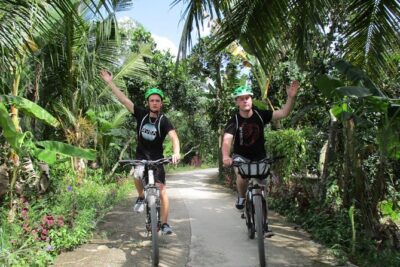
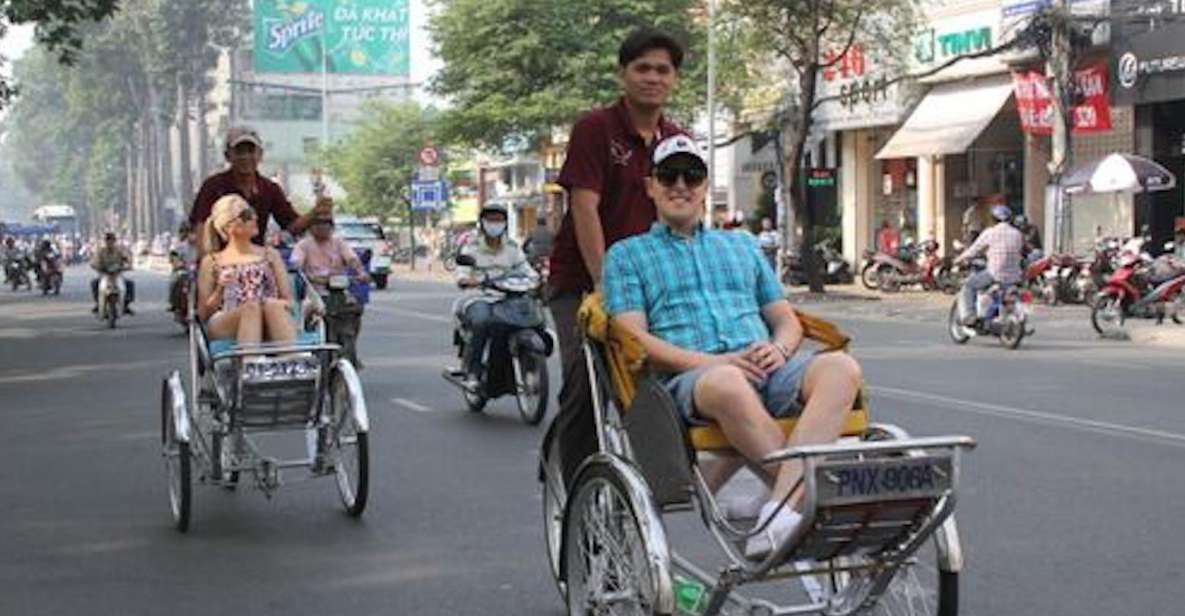
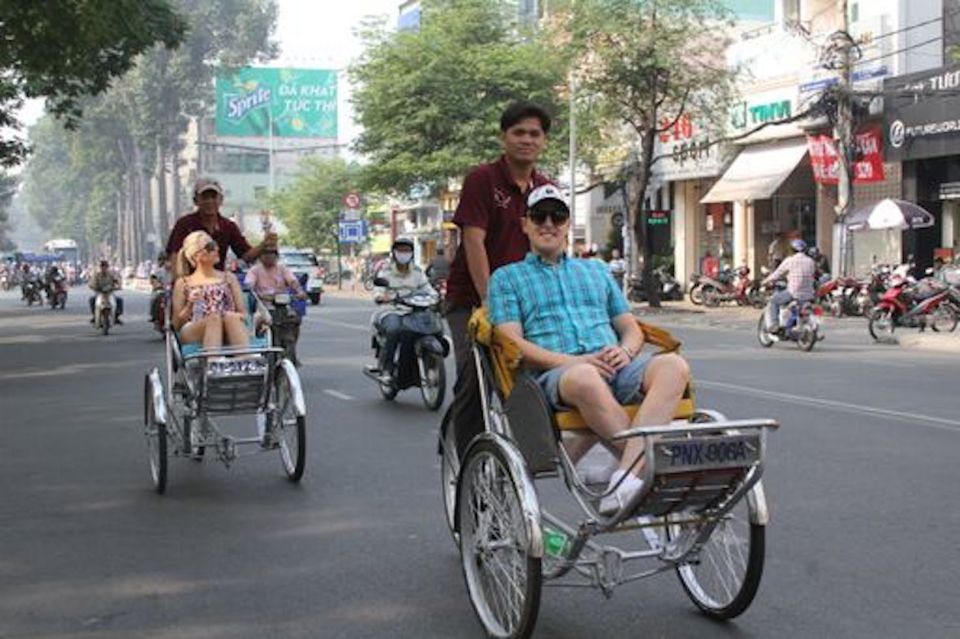
After Ho Thi Ky, the day shifts gears to a Pet Market area, where you pick up a bicycle for about an hour of riding. That cycling leg is one of the smartest parts of the itinerary because it turns transportation into an actual street experience.
Before you reach the temples, you’ll ride past a sequence of local markets. The tour includes stops where you can see and learn about local food and fruit trade, then continue past specialist stalls—things like leather, fabric, second-hand goods, and Chinese medicine. Even if you don’t buy anything, you’ll get what most visitors miss: Vietnam’s markets aren’t one-style shopping. They’re networks of specialties that feed daily life.
This is also where you learn how to read the city. In a vehicle, you see scenery. On a bike, you notice details: how vendors set up, how pedestrians move, and where streets narrow and funnel people. It’s a fast way to get your bearings.
Two real things to keep in mind. First, you’ll still be in a busy urban environment, so keep water nearby and take short pauses if you need them. The tour does include two bottles of water, which helps, and you’ll have AC breaks later. Second, timing matters: an hour on a bike sounds small until you factor in Vietnam’s heat and humidity. Wear a light layer if you can handle it, and use insect repellent—your comfort here affects the rest of the day.
When the cycling ends, the route guides you toward Chinatown. That transition is useful because it sets you up for the next big visual payoff: a famous temple.
Thien Hau Temple in Chinatown: beauty with a living religious feel
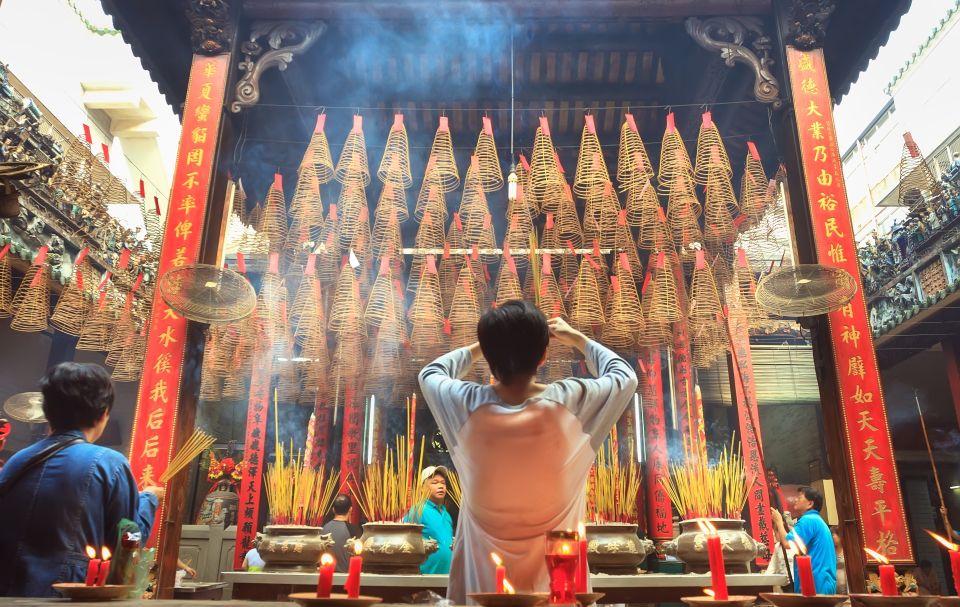
Thien Hau Temple is located in Chinatown, and it’s widely considered one of the most beautiful temples in Ho Chi Minh City. The tour treats it as more than a photo stop. You’re positioned in a neighborhood where religion and daily life overlap, which changes how you experience the building. You’re not just looking at architecture. You’re watching how people move through a sacred space.
What I love here is the contrast. You start the day in flower colors, then you pedal through practical markets, and now you slow down at a temple where details and craftsmanship are the main event. It gives your brain a visual break after the nonstop urban motion.
Expect your guide to point out context—why this temple matters locally, and what you’re seeing as you walk through. Even if you’re not the type to study religion deeply, the structure and atmosphere make it worth your time.
A small note for your enjoyment: dress respectfully. The tour specifically advises knees and shoulders covered, and that matters most at places like this. Bring a light jacket if you think you’ll need one for comfort indoors and out.
After Thien Hau, you’ll drive along a canal to see a striking contrast between poorer stilt houses and wealthier high-rises. This isn’t just scenery. It’s a quick, visual reminder of how fast Ho Chi Minh has grown—and how unevenly.
War Remnants Museum: powerful, graphic, and worth preparing for
Next up is the War Remnants Museum. This is one of those stops you can’t treat like sightseeing. The tour warns that the museum can be emotionally hard-hitting due to graphic content. That’s accurate. Plan for it.
Why is it a valuable stop? Because it gives you perspective on the Vietnam War and its continuing effects today. It’s not just about dates and uniforms. It’s about how history is remembered, documented, and felt by people who live with the legacy.
You’ll want to go in with a clear head. If you’re easily overwhelmed by intense imagery, consider going slowly through the exhibits and taking breaks where you can. Your guide can help you pace it, and since this is private, you’re not stuck moving with a crowd.
There’s also a gentle logic to the day here. Earlier you saw markets and temples. After the museum, you’re going to eat lunch and then visit symbolic buildings tied to national identity. The contrast makes the history feel more grounded. It’s easier to understand what a place means once you’ve seen what it survived.
If you skip the emotional weight by rushing, you’ll miss the impact. But if you honor the gravity, you’ll walk away understanding how strongly this city is shaped by the past.
Lunch and street fuel: famous phở plus a real break from heat
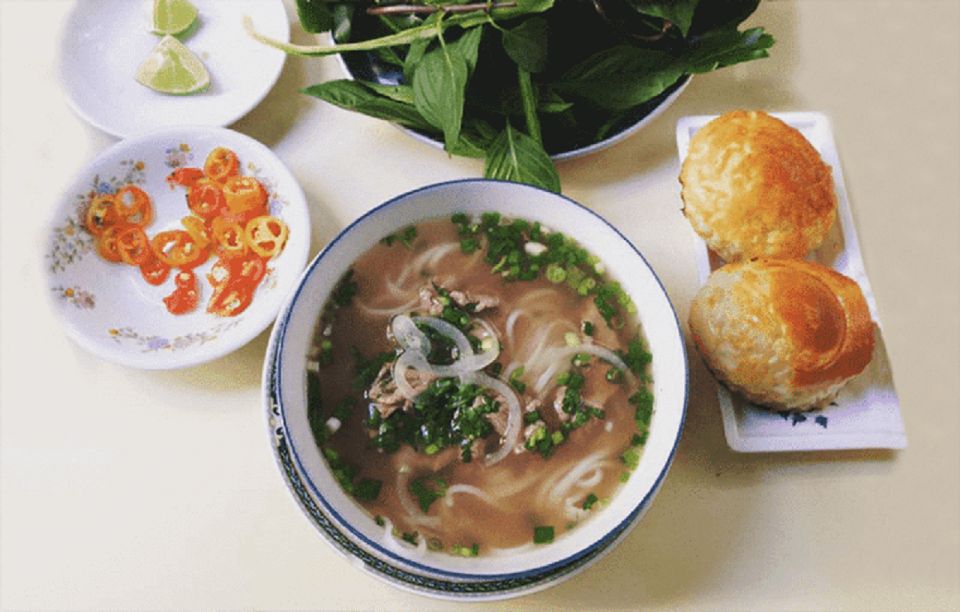
After the museum, you’ll stop for lunch at a place serving famous Vietnamese phở. This matters because timing is everything. By mid-day, you’ll likely feel the humidity. A sit-down meal gives you recovery time and keeps your energy stable for the afternoon landmarks.
What I like about this lunch arrangement is that it doesn’t feel generic. It’s specifically framed as the most famous Vietnamese cuisine, and it’s a set menu lunch included in the tour. That takes one decision off your plate, which is great when you’re juggling multiple sights.
You’ll also get a chance to reset your senses before moving into the heavy-historical and colonial-era architecture stretch. Think of lunch as your buffer between head-heavy content and visual-heavy sites.
After lunch, the itinerary continues toward major political and cultural icons, so you’ll want to hydrate too. The tour includes bottled water, but if you run hot, you might still want to pace yourself and sip regularly.
You can also read our reviews of more private tours in Ho Chi Minh City



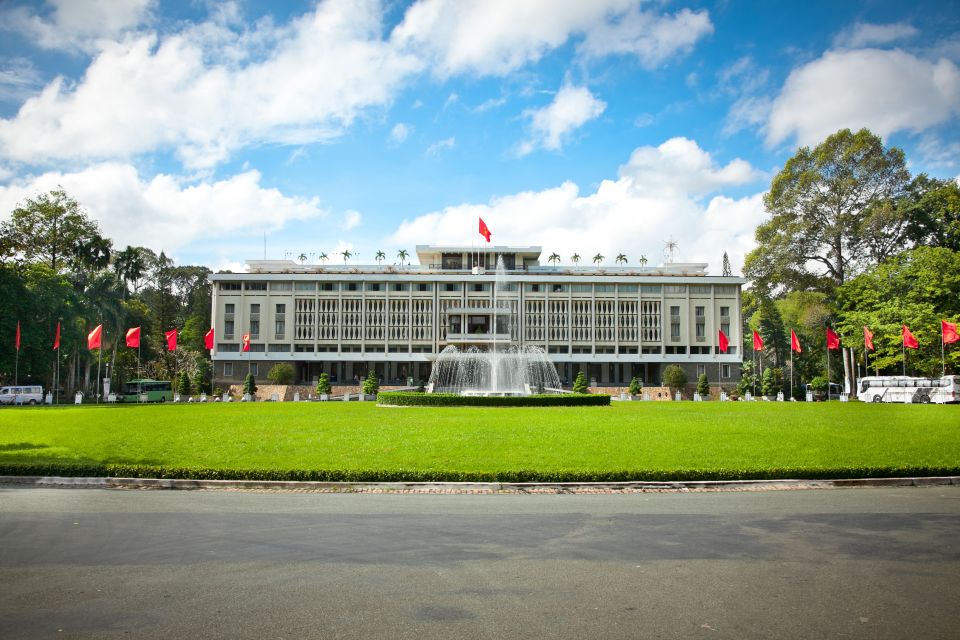
Reunification Palace: a walking lesson in turning points
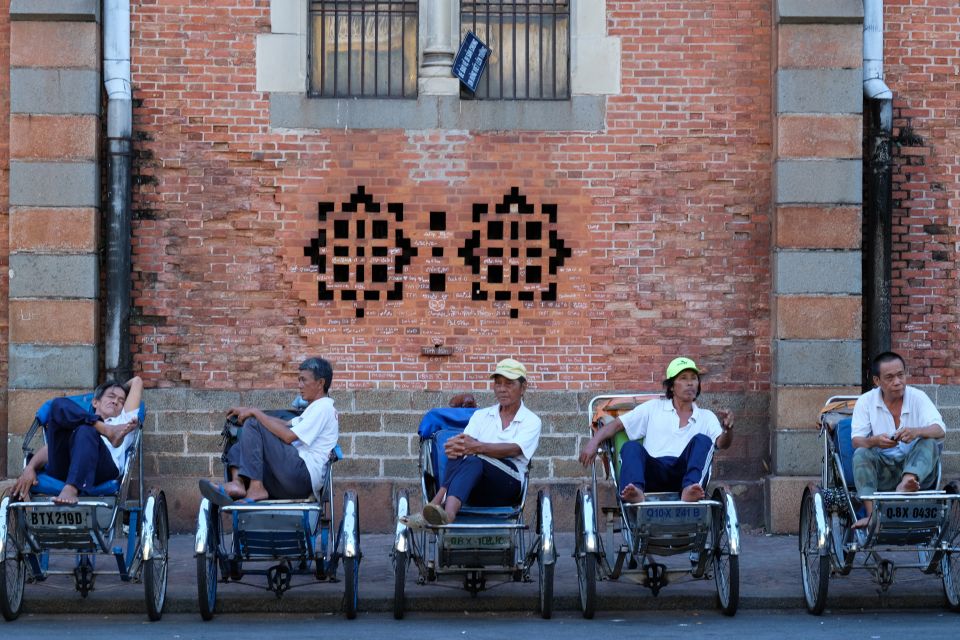
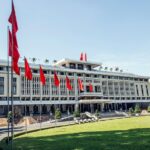
The first afternoon stop is the Reunification Palace. This is where the tour shifts from museum perspective to on-the-ground history tied to a key turning point. You’ll walk through the palace with your guide explaining its important place in Vietnamese history.
This kind of stop hits differently than a museum because you’re moving through rooms and spaces. It’s one thing to read about political change. It’s another to stand in a building where decisions played out.
If you like history, this palace delivers structure: your guide can connect the building to broader stories, and you’re able to see how space influences what happened. If you’re not a history person, it still works because the palace is visually memorable. Even without deep study, you get the sense that this place is built around real power and real events.
One practical tip: wear comfortable shoes. You’ll be walking and spending time inside. And because your morning included market walking plus cycling, your feet will appreciate not improvising footwear.
Notre Dame Cathedral and the Central Post Office: classic French lines in modern use
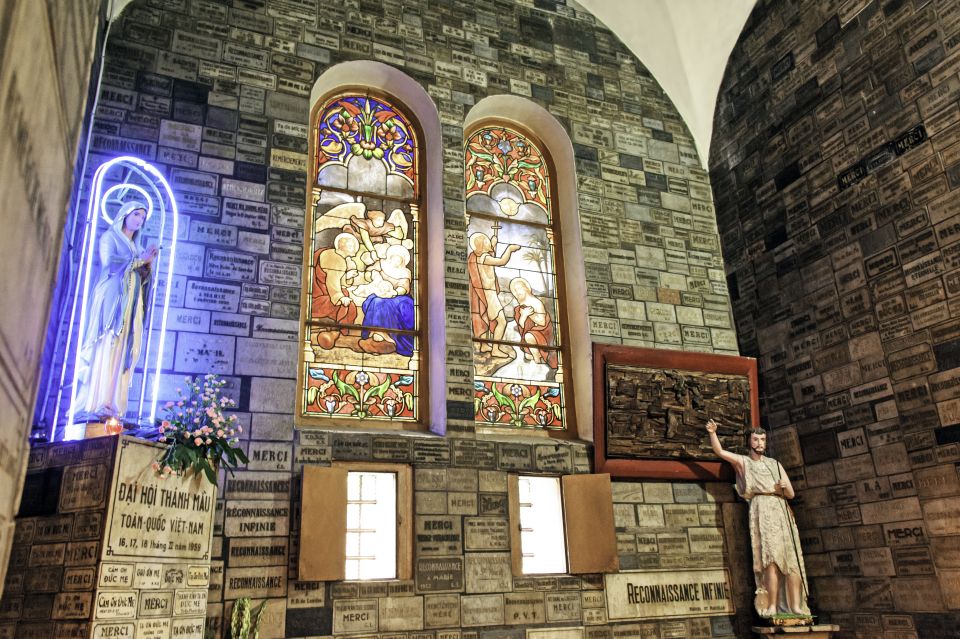
After Reunification Palace, you’ll visit Notre Dame Cathedral and the Central Post Office. These are among the most famous French-colonial-era landmarks in Ho Chi Minh City, and the tour gives you the helpful context behind them.
What I appreciate here is that you’re not just seeing buildings. You’re learning how they fit into the story of the city—how colonial architecture became part of the urban identity. You’ll also get the chance to look up at details and notice the way these buildings sit among modern traffic and street life.
The Central Post Office is especially fun if you like to wander slowly. Even if you’re not sending postcards, it’s worth taking a few minutes to look around. Buildings like this reward the pause.
Keep in mind that this part of the day can be more camera-friendly than shade-friendly. Use your hat when you can, and if it’s too hot, you can rely on your guide’s timing and vehicle breaks later.
The CIA building connection and Frequent Wind: history told through a last flight
The tour then heads to the historic CIA building, specifically tied to the story of the last U.S. helicopter that flew out of Saigon in 1975. Your guide will explain the episode known as Frequent Wind.
This stop gives you a different angle from the War Remnants Museum. Instead of broad museum coverage, you get a more specific event tied to a location and a timeline. It can make the conflict’s end feel more concrete—like you’re connecting the dots between international operations and the city’s last days before major change.
Since this day already includes heavy history, this segment can feel intense. But it’s also one of the reasons the tour stands out as a coherent storyline: you go from museum perspectives to symbolic buildings to an event-location connection.
If you’re curious about how history is narrated differently depending on the source, this part is worth your attention. It’s also a strong stop for travelers who like to understand not just what happened, but how people explained it at the time.
Mini walking tour: Opera House, Hotel Continental, Nguyen Hue Square, and city skyline notes
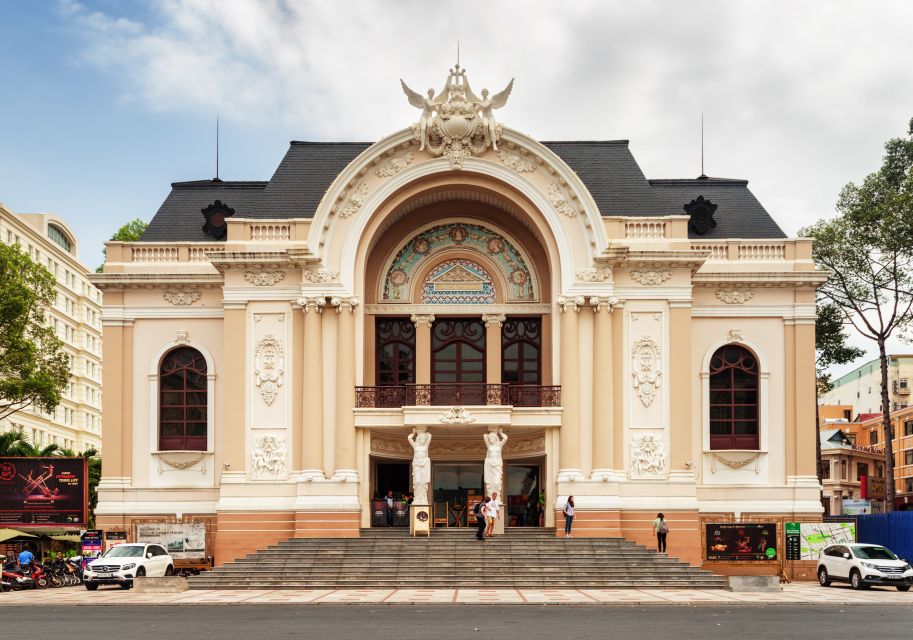
From there, you’ll do a mini walking tour for key Ho Chi Minh highlights including the Opera House, Hotel Continental, and Nguyen Hue Square. This is a good break from indoor-heavy stops. It helps you see the city’s scale and energy.
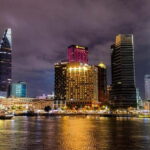
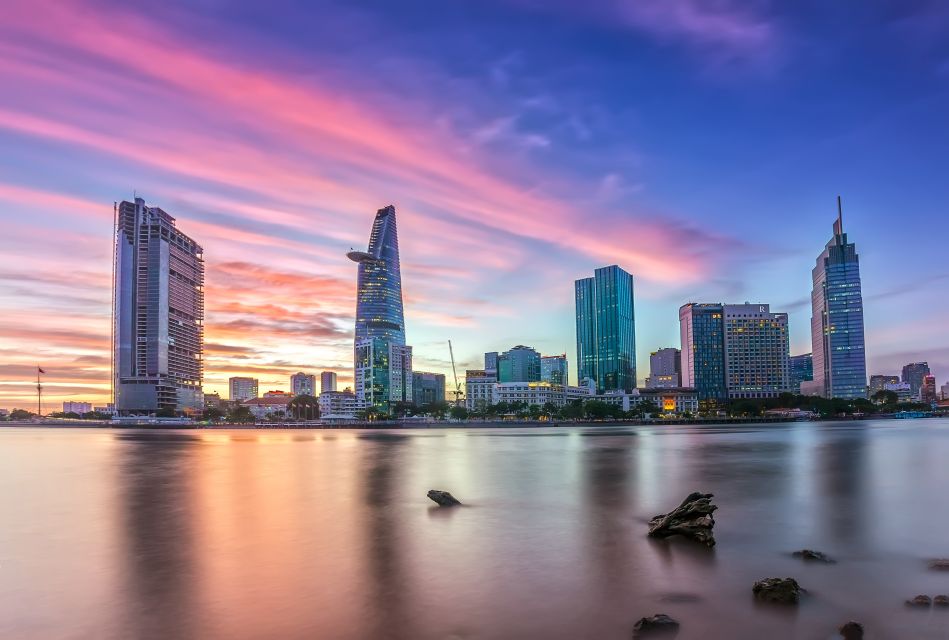
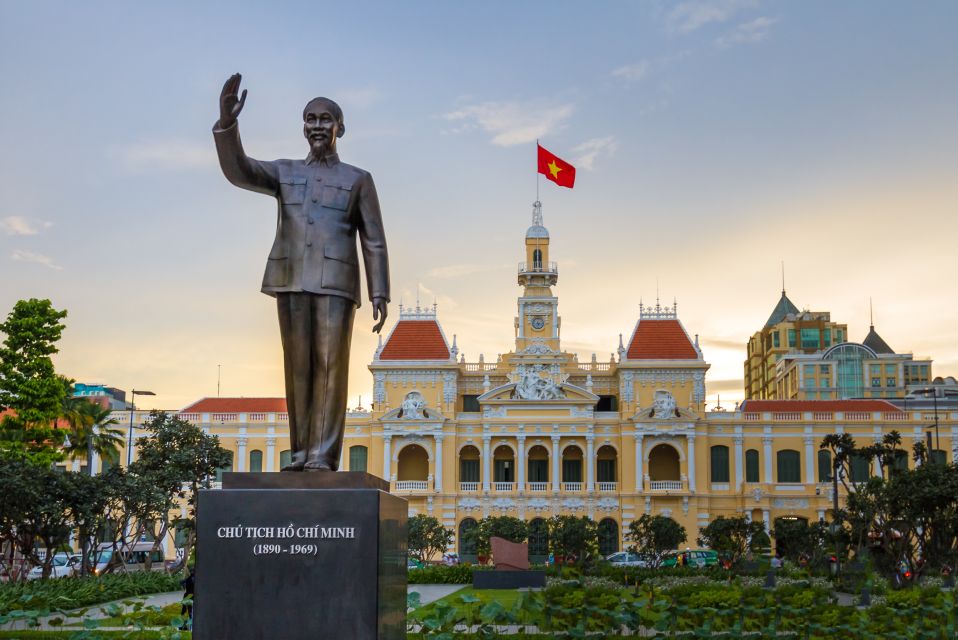
You’ll also see City Hall, Rex Hotel, and the mighty Bitexco building around Nguyen Hue Square. Even if you’re not obsessed with architecture, this is where your brain updates from past-era buildings to modern Ho Chi Minh’s skyline.
I like this portion because it gives context for where you are. You’ve been moving through historic story points. Now you get to see what the city looks like today—how new development and old symbolism coexist.
One small practical note: Nguyen Hue Square and nearby streets can be busy. Stick with your guide and don’t drift while you check your phone. You’ll get a safer and smoother experience.
Ben Thanh Market and Vietnamese coffee: your end-of-day culture hit
The final stop is Ben Thanh Market, one of the best places in town to understand the culture of local markets. This is your last chance to slow down, browse, and practice bargaining skills if you want to.
The tour frames Ben Thanh as good for both window shopping and bargaining practice. That’s a smart way to approach it. Even if you don’t plan to buy, walking through helps you understand how price talk works and how sellers present goods.
After Ben Thanh, you’ll enjoy a famed Vietnamese coffee before being brought back to your accommodation. This coffee stop is a nice close because it turns your day into something sensory, not just visual and historical.
If you’re thinking about what to buy, set expectations early: markets are more about browsing and learning than quick shopping. Your guide can help you navigate what’s worth your attention, and you’ll leave with a better sense of what you’re seeing.
Price and value: what $95 buys in a full, private day
At $95 per person for an 8-hour private tour, the value comes from the mix of inclusions. You’re not just paying for transportation. You’re paying for an English-speaking guide, a fully air-conditioned vehicle, entrance fees, taxes, lunch (a Vietnamese set menu), plus two bottles of water. In a city like Ho Chi Minh, that adds up fast if you try to self-plan.
The private format also helps. You can ask questions, you can move at a pace that works for your comfort level, and you’re not waiting in long lines with a big group. The day includes several major stops across different neighborhoods, and that kind of routing is usually where self-guided plans become stressful.
So the question isn’t only whether $95 is affordable. It’s whether you’ll use what’s included. If you want a full day with structure and you’re okay with a set route, this is a strong deal.
Smart traveler tips for this exact itinerary
This tour hits a lot of environments: outdoor markets, cycling streets, temples, museums, and then colonial buildings. A few small choices will make the day smoother:
- Pack for heat and sun: sun hat, sunscreen, and a light jacket if you want comfort at religious sites or inside.
- Bring insect repellent. The day includes outdoor market time and a bike leg, so you’ll want protection.
- Wear shoes with grip. You’ll walk enough that your feet will notice.
- Dress respectfully: knees and shoulders covered. This matters for places like Thien Hau Temple and other cultural stops.
- Expect emotions at the War Remnants Museum. If you need a slower pace, take it.
And one more tip: use your guide for context. Asking questions at the right time turns “a bunch of stops” into a coherent story of how Ho Chi Minh City works—past and present.
Should you book the Ho Chi Minh Full-Day Private City Tour?
Book it if you want a structured, English-guided day that covers the big landmarks and still includes neighborhood texture. It’s especially good if you like seeing how daily life connects to major historical sites, and you appreciate having lunch and entrances handled.
Skip or adjust expectations if you’re sensitive to graphic museum content or you prefer totally free time over a set route. Also, if heat and walking stress you out, plan to pace yourself and lean on the AC breaks and water included.
If your ideal day in Ho Chi Minh is clear, human, and historically grounded—starting with a flower market and ending at Ben Thanh—this private tour is an efficient way to get there.
FAQ
How long is the Ho Chi Minh Full-Day Private City Tour?
The tour lasts about 8 hours.
What is the price per person?
It costs $95 per person.
Does the tour include hotel pickup?
Yes. Pickup is included from any hotel located within Ho Chi Minh City. You wait in the hotel lobby about 10 minutes before the scheduled pickup time, and your guide holds a sign with your last name.
What’s included in the price?
The tour includes all entrance fees, all taxes, a fully air-conditioned vehicle, two bottles of water, an English-speaking guide, and a Vietnamese set menu lunch.
What is not included?
Personal expenses are not included.
Is the tour private?
Yes. It’s a private group.
What language is the guide?
The live tour guide speaks English.
Where does the tour take you during the day?
The highlights include Ho Thi Ky Flower Market, the ride through Chinatown areas, Thien Hau Temple, the War Remnants Museum, Independence Palace (Reunification Palace), Notre Dame Cathedral and the Central Post Office, plus Ben Thanh Market and Vietnamese coffee.
Is wheelchair access available?
Yes, the tour is wheelchair accessible.
When is the tour recommended to start?
The tour is recommended to start around 8:00AM and finish around 5:00PM.
Are there any times of year the tour might not run?
The tour operates all year round except Vietnamese New Year, listed as February 1–10, 2019.