REVIEW · HO CHI MINH CITY
Ho Chi Minh: Tasting Iconic Coffee of 3 Regions in Vietnam
Book on GetYourGuide →Operated by Sky Travel · Bookable on GetYourGuide
Vietnam coffee comes in three personalities. In a one-hour small group session in District 1, you learn why South, Central, and North drinks taste so different, then you brew them yourself using the phin dripper.
What I like most is the hands-on approach and the way the guide ties each drink to regional habits and flavor preferences. You’ll sample three iconic coffees in half-size servings, and you’ll also get a clear comparison of how they reflect the character of each city. One thing to consider: this is coffee-heavy, and children under 14 can attend but won’t join the coffee tasting.
In This Review
- Key highlights to look forward to
- Where to Meet in District 1 and What Happens First
- The Phin Dripper: Your Hands-On Skill You’ll Actually Use
- South Vietnam Condensed Milk Coffee: Comfort With a Strong Backbone
- Middle Vietnam Salt Coffee: The Unexpected Flavor Logic
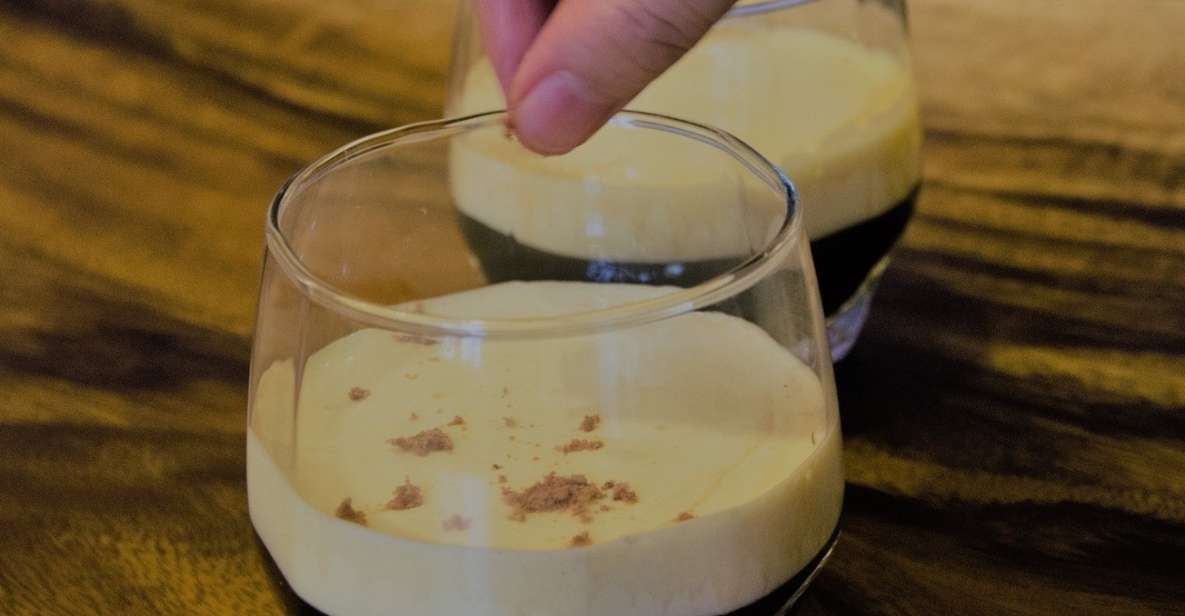
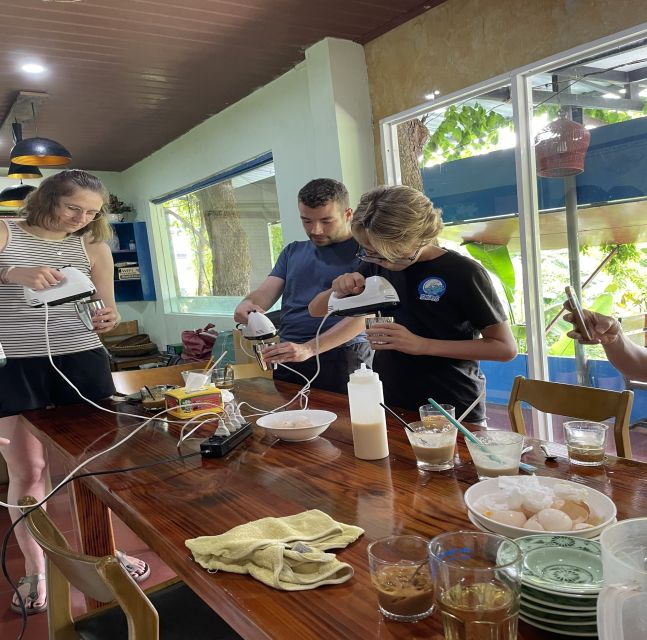
- North Vietnam Egg Coffee: Custardy, Smooth, and Technique-Driven
- How the Guide Connects Coffee to City Character (Not Just Ingredients)
- Duration, Group Size, and Timing: Why One Hour Works
- Price and Value: What $21 Buys You in Real Terms
- Who This Coffee Class Is Best For (and Who Might Skip)
- Practical Tips So Your Tasting Goes Smoothly
- Should You Book This Coffee Tasting in Ho Chi Minh City?
- FAQ
- How long is the coffee tasting experience?
- How many people are in the group?
- What coffee drinks will I taste?
- Do you use the phin dripper during the experience?
- Where do I meet for the tour?
- Can I cancel if my plans change?
Key highlights to look forward to
- Brewing with the phin: you make the coffee, not just watch.
- Three regional icons: condensed milk coffee, salt coffee, and egg coffee.
- Half-size tasting portions: you get variety without a full-cup caffeine overload.
- Regional stories, not just recipes: the guide connects flavor to place and people.
- Small group size (max 10): more chances to ask questions.
- English-speaking guide: clear explanations and help with each step.
Where to Meet in District 1 and What Happens First
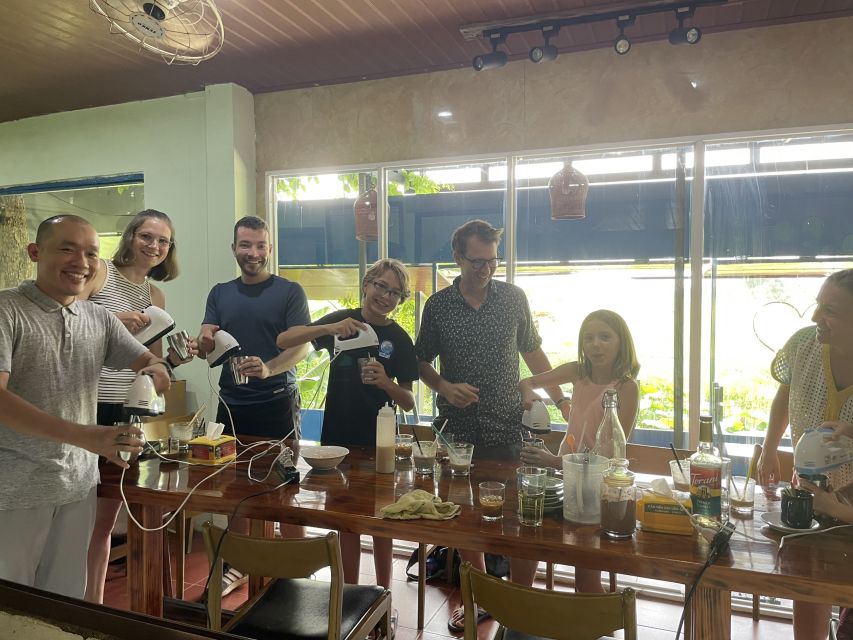
Meet at 27 Ngo Duc Ke Street, District 1, where the session starts with a welcome and a short run-through of what you’ll taste and why it matters. You’re not just there to sample coffee; you’re there to understand how Vietnam’s regions build their own versions of the same idea: strong coffee plus a twist.
In the first part, the English-speaking specialist gives you background on the special drinks linked to each region. This matters because Vietnam coffee can feel confusing at first—why is one cup sweet and creamy, another salty, and a third custardy? The guide frames it in simple terms: each style comes from local preferences and everyday life, so the drink you’re tasting is also a tiny cultural clue.
You’ll also get practical instruction on brewing. Even if you’ve made coffee before, the phin changes the whole rhythm: it’s slower, more hands-on, and it forces you to pay attention to the process.
You can also read our reviews of more food & drink experiences in Ho Chi Minh City


The Phin Dripper: Your Hands-On Skill You’ll Actually Use
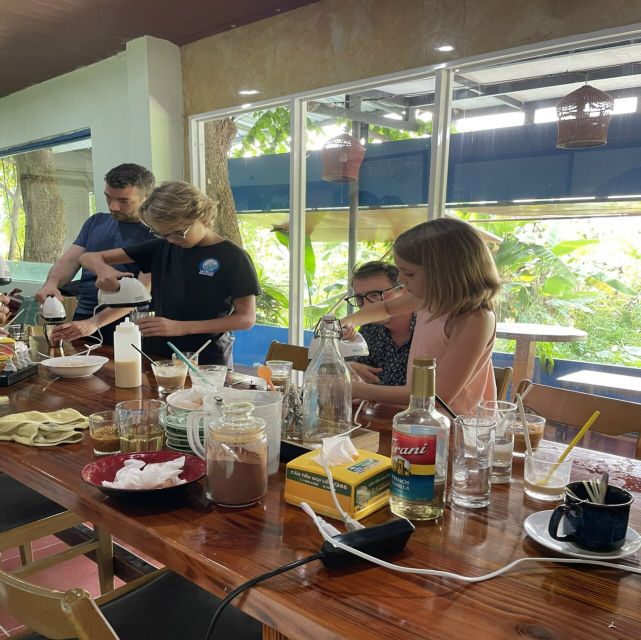
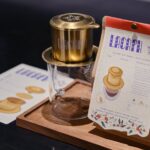
The centerpiece of this experience is brewing coffee with the traditional phin dripper. This is a great choice for a short tour because the technique sticks with you. Once you understand how the phin works—set it up, add grounds, control the flow, and wait—you can reproduce the method later at home.
You’ll be guided through the equipment and steps, and you’ll use the ingredients provided. That’s a big value point: you don’t need to bring anything, and you’re not guessing. The guide helps you avoid the common mistake that ruins phin coffee—moving too quickly or not following the brewing sequence carefully.
One of the most useful touches here is that the guide emphasizes process. In fact, the session includes a “good vs. bad” brewing comparison, where you see how the same coffee can come out differently depending on your steps. It’s the fastest way to learn without wasting your entire tasting time.
For you, the win is confidence. After an hour like this, you’ll know what to watch for next time you order or make Vietnam-style coffee.
South Vietnam Condensed Milk Coffee: Comfort With a Strong Backbone
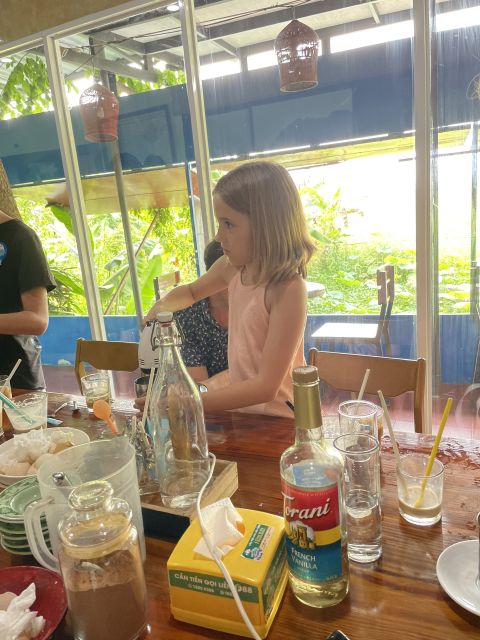
South Vietnam’s icon is condensed milk coffee—often the first Vietnam coffee style many people fall in love with. You’ll taste a half-size serving, but you’ll still get the full flavor profile: bold coffee balanced by the thick sweetness of condensed milk.
Why this matters: condensed milk coffee is a shortcut to the Southern style of comfort. It smooths the strong coffee and turns bitterness into a rounded, creamy drink. If you like sweet coffee drinks, this is the one to anchor your taste comparison.
During the explanation, the guide doesn’t treat it as a random ingredient choice. The point is that regions adapt coffee to their own daily tastes. In the South, the result is a drink that feels approachable and familiar even if you’re new to Vietnamese coffee.
Practical tip for your tasting: take a sip plain first, then mix exactly the way the guide suggests. That lets you notice how much the sweetness and texture change the experience. The half-size portion gives you room to do that without committing to a whole cup you might not finish.
Middle Vietnam Salt Coffee: The Unexpected Flavor Logic
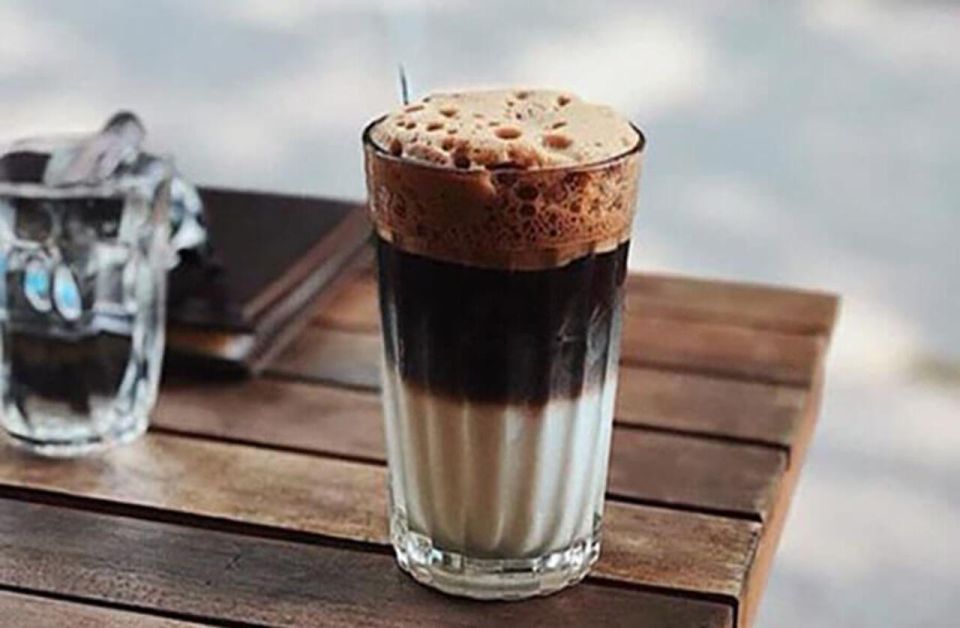
Then comes salt coffee, the Middle Vietnam icon. This one grabs attention fast because salt sounds like a mistake—until you taste it in the right context.
What you’ll learn is that salt isn’t there just to make the drink salty. It’s used to shape flavor. Salt can highlight sweetness and make coffee flavors feel more defined, especially when the drink is served with a specific preparation style and timing.
If you’re the type who worries that “experimental” coffee will taste off, this tasting is reassuring. The guide gives enough background to make the salt make sense, and you taste it in the same session so you can compare it against the condensed milk and egg coffee styles.
A good way to approach this cup: notice the first sip impression, then pay attention to the finish. Does the coffee taste stronger? Does the sweetness feel more controlled? That’s where salt does its best work—by changing balance, not by shouting flavor.
North Vietnam Egg Coffee: Custardy, Smooth, and Technique-Driven

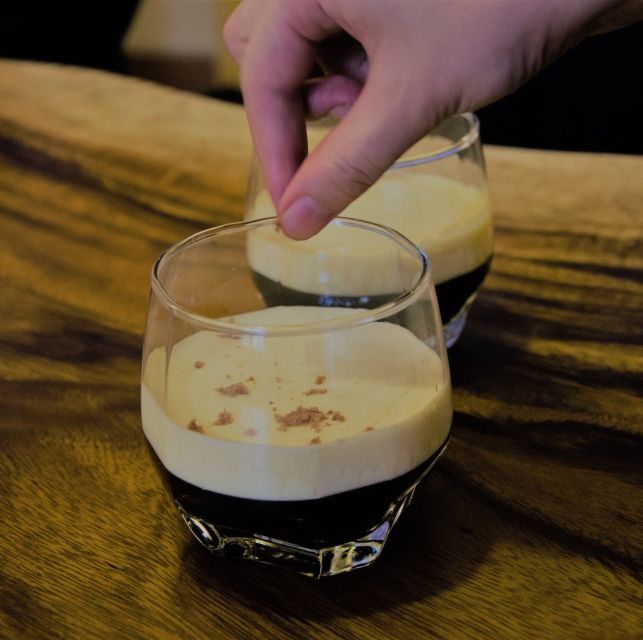
North Vietnam’s signature is egg coffee. It can look like a dessert, but don’t think of it as just a novelty. The egg component brings a custardy texture and a richer mouthfeel that changes how you perceive coffee bitterness.
In the session, you’ll taste a half-size serving and get an explanation of why this style is associated with Northern preferences and character. The guide’s goal is to help you connect the drink’s texture to the region’s approach to comfort—more rounded, more layered, and built around a thicker, cream-like experience.
This is also where technique matters. Egg coffee works because the preparation creates a specific consistency. Even though you’re not manufacturing a restaurant-level egg mixture from scratch here, the tasting still teaches you what quality should feel like on the tongue—smooth, not chalky, and balanced rather than overly sweet.
For many people, egg coffee is the surprise favorite. It’s thick enough to feel like a treat, but the coffee keeps it grounded. If you’re curious about drinks that straddle coffee and dessert, this is the one to slow down for.
You can also read our reviews of more tours and experiences in Ho Chi Minh City



How the Guide Connects Coffee to City Character (Not Just Ingredients)
One reason this experience stands out is how the specialist frames each drink. Instead of listing recipes like a menu, the guide compares the three drinks and explains how they reflect regional personality and city authenticity.
That approach is more useful than you might think. If you only taste, you remember flavors but not context. If you also understand the “why,” you can make better choices later. You’ll know which style matches what you want—comfort-sweet, balance-forward, or custardy-rich.
A big plus: the guide uses English and can answer questions as you go. In one case noted from earlier participants, the guide also used pictures to explain the history and development of Vietnamese coffee. Even without seeing the exact visuals yourself, you can expect the information to be presented clearly, not just thrown at you.
You’ll likely leave with a simple mental map of Vietnam coffee:
- South leans creamy and comforting
- Middle uses salt to sharpen balance
- North leans custardy and thick
And that map makes ordering easier when you’re on your own.
Duration, Group Size, and Timing: Why One Hour Works

This is a 1-hour experience with a small group capped at 10 participants. For a tasting tour, that timing is smart. You get enough time to learn the phin method and try all three drinks, but you’re not stuck for half a day.
The small group size is also practical. You can ask questions without shouting over a crowd, and the guide can correct your brewing steps if needed. For a hands-on activity like this, that matters.
One consideration is pace. You’ll taste three drinks back-to-back, and even half-size servings can add up. If you’re caffeine sensitive, take it slowly, drink water, and be ready for a punchy afternoon (or morning).
Also note: children under 14 can join for free but won’t join the coffee tasting. So if you’re traveling with kids and want them participating in the drink portion, this isn’t designed for that.
Price and Value: What $21 Buys You in Real Terms
At $21 per person, this tour sits in the “small activity, high learning value” category. The price makes sense because you’re not paying just for three sips. You’re paying for:
- Equipment and ingredients for brewing
- A guided comparison of three regional icons
- Hands-on instruction with the phin dripper
- Coffee expert time during a small group setting
Half-size servings sound modest, but they’re ideal. They let you sample widely while still keeping the session short and manageable. And the phin brewing instruction is the kind of skill that’s hard to replicate from a casual café visit.
If you plan to spend multiple hours wandering cafés anyway, this gives you a focused payoff in less time. You get structure, explanation, and a technique you can actually reuse.
Just remember what’s not included: hotel pickup/drop-off and meals are listed as not included. That said, some participants mention being provided a Vietnam comfort food during the session, so it’s worth checking what’s offered on your specific date—either way, plan to eat something beforehand if you have a sensitive stomach.
Who This Coffee Class Is Best For (and Who Might Skip)
This experience is a strong fit if you:
- Like coffee and want real regional context, not just a sampling flight
- Enjoy hands-on learning and want to try the phin method
- Want a compact activity in Ho Chi Minh City that doesn’t eat a whole day
- Prefer small groups and Q&A time
You might consider skipping if:
- You rely on wheelchair access (this activity isn’t suitable for wheelchair users)
- You’re traveling with pets (pets aren’t allowed)
- You dislike high-caffeine experiences or you’re very sensitive to coffee
For families: children under 14 are free, but they won’t take part in tasting. That can still work as a learning activity for older kids and adults, but it won’t be a full family coffee experience for younger children.
Practical Tips So Your Tasting Goes Smoothly
A few small choices can make a big difference during a 1-hour tasting:
- Go in with an appetite if you can. One earlier participant noted the comfort food portion was a lot of caffeine with the coffee, so eating beforehand can help.
- Take notes lightly on your phone. The three styles run together fast. Write down what you liked most so your later café orders make sense.
- Ask about brewing steps while you’re using the phin. This is the moment the guide can correct you, and you’ll remember more.
- Taste in order, then compare. Pay attention to first sip, middle sip, and finish. Each drink’s balance reveals itself at different moments.
And if you’re unsure which drink you’ll prefer—don’t stress. The condensed milk coffee is the safe comfort pick, salt coffee is the balance brainteaser, and egg coffee is the custardy treat.
Should You Book This Coffee Tasting in Ho Chi Minh City?
If you want a quick, structured coffee experience that teaches a real technique, I’d book it. The hands-on phin brewing plus three regional comparisons makes the hour feel efficient, not rushed. And the small group size helps you get real answers instead of standing in a line waiting for your turn.
I’d only pause if you’re extremely caffeine sensitive, need wheelchair access, or you’re traveling with pets. Otherwise, this is one of those activities that can turn a casual interest in coffee into an actual skill and a stronger sense of Vietnam’s regional identity.
FAQ
How long is the coffee tasting experience?
It lasts 1 hour.
How many people are in the group?
It’s a small group, limited to 10 participants.
What coffee drinks will I taste?
You’ll taste half-size servings of three iconic Vietnamese coffee styles: condensed milk coffee (South), salt coffee (Middle), and egg coffee (North).
Do you use the phin dripper during the experience?
Yes. You’ll do hand-on brewing using the traditional phin dripper.
Where do I meet for the tour?
The meeting point is 27 Ngo Duc Ke street, District 1, Ho Chi Minh City.
Can I cancel if my plans change?
Yes. You can cancel up to 24 hours in advance for a full refund.