REVIEW · HO CHI MINH CITY
Fun & Easy Vietnamese Coffee Workshop in Hồ Chí Minh City
Book on Viator →Operated by Lacàph Coffee Experiences · Bookable on Viator
Three Vietnamese coffees, made the local way. In Ho Chi Minh City, this 90-minute workshop at Lacàph Coffee Experiences teaches you how to brew Bạc Xỉu, Cà Phê Muối, and the yogurt-honey Phin Con Panna using a classic Vietnamese dripper.
I love that it’s genuinely hands-on: you don’t just watch and sip. You practice the brewing method yourself, you get your own cups, and you get the kind of clear instructions that let you repeat the recipes at home. I also like that the class is small enough to feel personal (max 18), which keeps the pace friendly and the questions practical.
One heads-up: the venue is upstairs (and it’s in a bigger building setting), so you’ll want to check the exact address and arrive a few minutes early if you’re not into last-minute scavenger hunts.
In This Review
- Key things I’d highlight before you book
- Why Vietnamese coffee feels different (and why this workshop makes sense)
- Meeting Lacàph upstairs in District 1 without losing time
- The workshop flow: from coffee basics to your three finished cups
- Drink 1: Bạc Xỉu, the smooth classic you can build on
- Drink 2: Cà Phê Muối, where salt changes the whole cup
- Drink 3: Phin Con Panna, yogurt and honey as the modern Vietnamese twist
- Getting the phin technique right (so you can actually make this at home)
- Tea, snacks, and the small extras that make the class feel complete
- Who this workshop suits best (and who should think twice)
- Price and value: $23.35 for 3 coffees plus the know-how
- The instructors: the human factor that makes it click
- Should you book this Vietnamese coffee workshop?
- FAQ
- Where does the workshop meet in Ho Chi Minh City?
- How long is the Vietnamese coffee workshop?
- What drinks will I make during the class?
- Does the price include coffee, tea, and snacks?
- Are morning and afternoon sessions available?
- How big is the group?
- Is it suitable for vegan travelers or people with lactose intolerance?
Key things I’d highlight before you book
- Three specific drinks: Bạc Xỉu, Cà Phê Muối, and Phin Con Panna (with yogurt and Lacàph Raw Coffee Blossom Honey)
- You brew, not just observe: hands-on phin practice, with you making what you drink
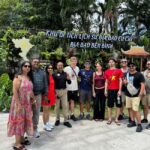
- Small group size: up to 18 people, so you can actually ask questions
- More than coffee: tea and snacks are included, turning it into a full coffee break
- You leave with tools for home: recipes and a completion certificate, plus lots of people want their own phin afterward
- Good flexibility: morning and afternoon sessions so you can fit it around your HCMC plans
Why Vietnamese coffee feels different (and why this workshop makes sense)
Vietnamese coffee isn’t only about strong beans and hot water. What makes it stand out in real life is the method and the culture around it. In this workshop, the focus stays practical: you learn the brewing mechanics using the Vietnamese phin dripper, then you apply those basics to three styles that taste very different from each other.
That matters for you because the same bean can end up tasting wildly different once the extraction time, grind, and dilution change. You’re not just learning names. You’re learning what those choices do to flavor—then tasting the results in the same sitting.
It also helps that the class is built around drinks you can realistically re-create later. Bạc Xỉu and Cà Phê Muối are staples you’ll see across Vietnam. Phin Con Panna adds a modern twist, so you get tradition plus something current in the same hour and a half.
You can also read our reviews of more city tours in Ho Chi Minh City


Meeting Lacàph upstairs in District 1 without losing time
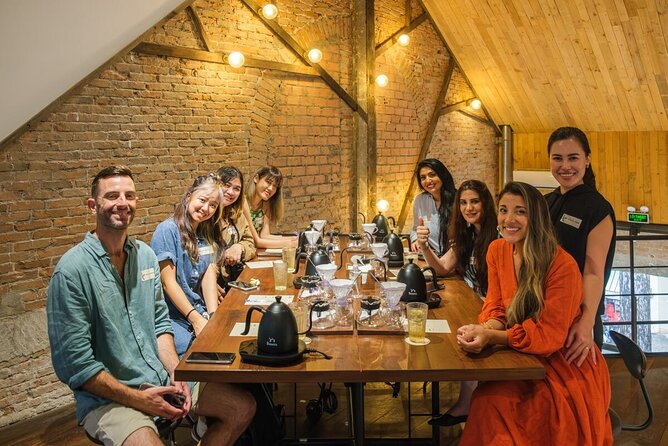
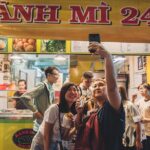
Your start point is Lacàph Coffee Experiences SpaceUpstairs, 220 Nguyễn Công Trứ, Phường Nguyễn Thái Bình, Quận 1, Hồ Chí Minh City. It ends back at the meeting point.
This is one of those activities where logistics are part of the experience. The reviews make it clear the space is easy to miss if you’re looking from street level only. My advice: arrive 5 to 10 minutes early, double-check the address, and don’t assume the workshop will look like a typical café doorway.
Good news: the workshop is near public transportation, and you’ll have a mobile ticket (so you can keep things simple on your phone). Service animals are allowed too, which can make a difference for some visitors.
The workshop flow: from coffee basics to your three finished cups
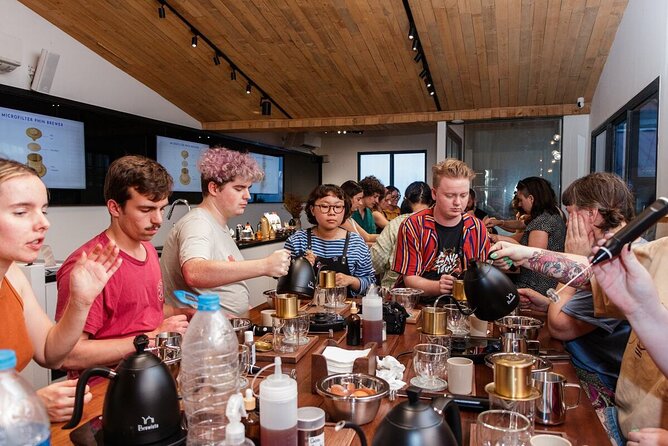
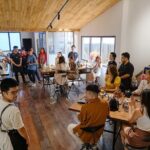
This is a 1 hour 30 minutes class, and it runs at a calm, teach-you-style pace. In practice, you can expect three phases:
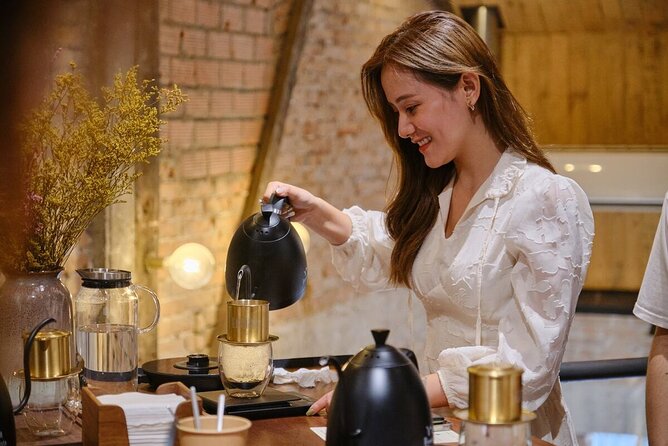
First, you’ll get set up at the work area and learn how to use the phin properly. This is where you pick up the technique details you’d otherwise miss if you only order Vietnamese coffee and assume it’s the same as any other café brew.
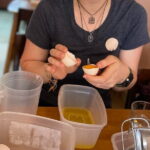
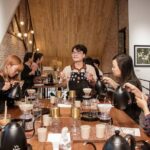
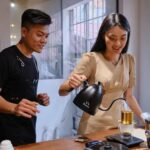
Next, you’ll work through the three drink recipes. You’ll be mixing ingredients and operating the dripper so each drink becomes something you can point to and say, I made that. That hands-on part is a huge reason this class gets such strong marks.
Finally, you taste what you made. You’re not stuck with one sample cup. You get the full experience of brewing, then drinking, so the lesson lands in your head with flavor attached.
Drink 1: Bạc Xỉu, the smooth classic you can build on
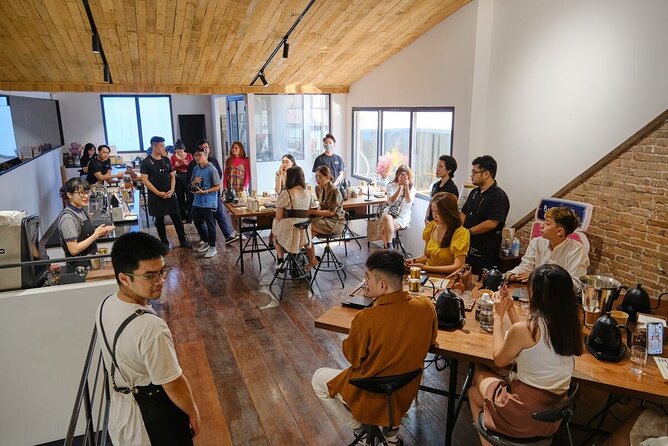
Bạc Xỉu is often described as one of the easiest Vietnamese coffee entry points because it balances roast character with a creamy-sweet profile. In the workshop, it’s your first taste of how Vietnamese coffee can be both bold and gentle.
What I like about starting here is that it gives you a baseline. Once you learn what good extraction tastes like in a familiar style, the next two drinks make more sense. When you shift to salt coffee and then to yogurt-honey, you’ll notice the changes faster because you’ve already tasted the “normal” version.
In the practical learning part, expect the staff to guide you through the phin method and how to handle the drink once it’s brewed—so you can make it correctly instead of guessing.
Drink 2: Cà Phê Muối, where salt changes the whole cup
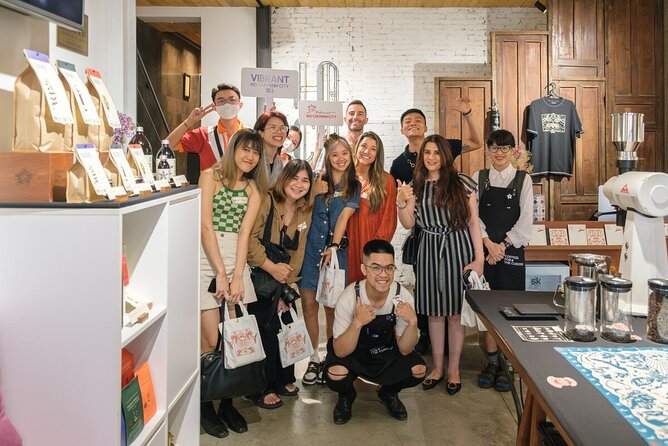
Cà Phê Muối is the “wait, what” coffee for many people. The ingredient itself sounds unusual until you try it, because salt isn’t added as a gimmick. It changes the flavor perception: it can sharpen sweetness, round off bitterness, and bring the coffee aroma into focus.
In the workshop, this second drink is where technique really matters. If the extraction is off, you’ll taste it immediately in a salt coffee. If it’s right, you’ll understand why people order it again.
This is also the drink that makes you pay attention to balance. You’ll learn how the ingredient additions work with the brew instead of fighting it.
You can also read our reviews of more tours and experiences in Ho Chi Minh City
Drink 3: Phin Con Panna, yogurt and honey as the modern Vietnamese twist
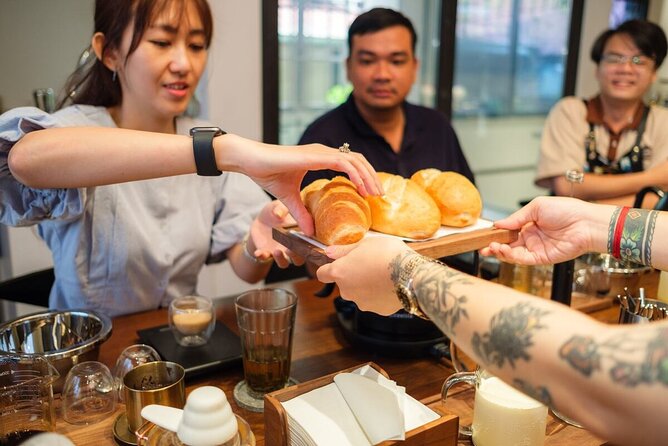
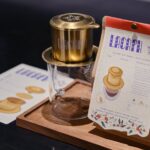
The last recipe is the one built for people who love a creative angle: Phin Con Panna. It’s described as a fusion of yogurt and Lacàph Raw Coffee Blossom Honey.
This is a smart closer for the class because it shows where Vietnamese coffee thinking is heading—toward mixing coffee with other textures and ingredients while keeping the phin foundation. It’s not a random dessert drink either. You’ll still be using the same Vietnamese brewing method, then changing the flavor profile on top.
If you like coffee that leans smooth and creamy rather than purely bitter, this is likely to be a standout. But check the ingredients if you have dietary limits, because this workshop is not recommended for vegan travelers and is not recommended for travelers with lactose intolerance.
Getting the phin technique right (so you can actually make this at home)
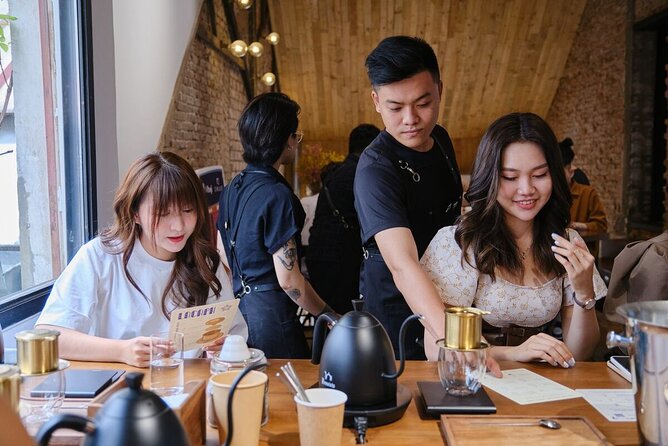
A lot of coffee classes fail here: they teach you “recipes,” but not enough technique for you to repeat results later. This workshop is better because the instruction centers on how the phin works and how to use it confidently.
From what you’ll experience in the room, the key learning points tend to be:
- how the dripper affects extraction
- how to pace yourself while brewing
- what to do once your coffee is ready for the next ingredient step
- how to keep your version consistent with the recipe style you’re making
If you’ve ever tried to replicate Vietnamese coffee at home and ended up with something too strong, too weak, or flat, this is the part that helps. Even if your kitchen setup isn’t identical, knowing the method makes the results less mysterious.
Tea, snacks, and the small extras that make the class feel complete
This isn’t a coffee flight where you get tiny sips and leave hungry. Coffee, tea, and snacks are included with your tour. That matters because it turns the class into a proper break in your day rather than a quick detour.
You’ll also get recipes at the end, plus a completion certificate. That may sound like a small detail, but it’s useful: it gives you a clean reference for making the drinks again later, without trying to remember a half-taught mixing ratio.
And there’s a real practical benefit to leaving with the “I can do this” mindset. Several people end up buying coffee and a phin to keep the workshop going at home.
Who this workshop suits best (and who should think twice)
This class is ideal if you:
- love Vietnamese coffee and want to learn how to make it, not just taste it
- want hands-on practice with the phin in a small-group setting
- like learning through doing, plus a short presentation that gives context along the way
- need a rainy-day activity that still feels social and fun indoors
It’s not a great fit if you:
- follow a vegan diet (the class is not recommended for vegan travelers)
- have lactose intolerance (it’s not recommended for travelers with lactose intolerance)
- want a lecture-only experience. This is hands-on, and you’ll spend the time working at the stations.
Price and value: $23.35 for 3 coffees plus the know-how
At $23.35 per person, this workshop is priced like an activity, not a fancy tasting-only experience. But the value comes from what’s included: you get coffee, tea, and snacks, plus you make and drink three different Vietnamese coffees in the time slot.
You’re also getting something that usually costs extra if you pursue it elsewhere: the structured method for using the phin and repeatable recipes. For me, that turns the price from “fun class” into “skills you can use.”
With a max group size of 18, you’re not fighting for attention, and the practical instruction is the real product.
The instructors: the human factor that makes it click
Names you may run into at Lacàph include Quan, Julie, Noah, Giao, Kieu, Joey, Sierra, Tram Anh, Vi, and Siu. While you can’t pick the instructor in the data you provided, the pattern is consistent: people credit their hosts for being patient and clear, and for making the session more than just a technical demo.
If you care about learning details, you’ll likely appreciate the way the class is taught—especially if you’re the type who wants to know why something tastes a certain way, not only what ingredient goes where.
Should you book this Vietnamese coffee workshop?
Book it if you want a hands-on, small-group Vietnamese coffee class in Ho Chi Minh City that teaches you how to brew with a phin and how to make three drinks you can actually order and recognize afterward. The combination of three recipes, included tea and snacks, and leaving with recipes plus a certificate is strong value for the price.
Skip it if you’re avoiding dairy or you want a fully vegan class. Also, if you hate upstairs venues or being slightly dependent on finding the right building entrance, plan to arrive early and confirm the location.
If you’re a coffee lover, this is the kind of activity that makes your trip taste better—and gives you something to recreate back home.
FAQ
Where does the workshop meet in Ho Chi Minh City?
It starts at Lacàph Coffee Experiences SpaceUpstairs, 220 Nguyễn Công Trứ, Phường Nguyễn Thái Bình, Quận 1, Hồ Chí Minh, Vietnam.
How long is the Vietnamese coffee workshop?
The duration is about 1 hour 30 minutes.
What drinks will I make during the class?
You’ll learn to make three Vietnamese coffees: white coffee, salt coffee (Cà Phê Muối), and Phin Con Panna (yogurt plus Lacàph Raw Coffee Blossom Honey).
Does the price include coffee, tea, and snacks?
Yes. Coffee, tea, and snacks are included with your tour.
Are morning and afternoon sessions available?
Yes, you can choose from morning and afternoon tours.
How big is the group?
The workshop has a maximum of 18 travelers.
Is it suitable for vegan travelers or people with lactose intolerance?
It’s not recommended for vegan travelers and not recommended for travelers with lactose intolerance.