REVIEW · HO CHI MINH CITY
Make 3 Regions Iconic Vietnamese coffees: Brown, Salted, Egg
Book on GetYourGuide →Operated by Vietnam Coffee Journey - Day · Bookable on GetYourGuide
Vietnamese coffee has three moods, one country. This hands-on class turns Brown, Salted, and Egg coffee into something you can actually make, with Quynh guiding you through the why as well as the how. I especially liked the structured explanations about regional culture, and I loved getting to brew and taste multiple versions instead of just watching.
The one drawback is the coffee jolt. Expect lots of caffeine, so skip coffee for at least two hours before the start, or you may end up jittery instead of curious.
In This Review
- Key things I’d focus on before you go
- How Vietnamese coffee becomes a regional story in 90 minutes
- Meeting Quynh and settling into a comfortable, city-center setup
- The phin dripper lesson: the skill you’ll reuse later
- The South’s Brown coffee: strong, sweet, and straightforward
- Central Vietnam’s Salted cream coffee: learning balance by taste
- Northern Vietnam’s Egg coffee: a signature that changes the texture
- The snack pairing and what it adds to the experience
- How much you’re really getting for $22
- When this class is a great fit, and when to rethink
- Should you book Vietnam Coffee Journey?
- FAQ
- How long is the Vietnamese coffee workshop?
- How much does it cost?
- Is the workshop offered in English?
- How many people are in a group?
- What coffees will I make in the class?
- Do I get to taste the coffees, or is it only making?
- Is there food included?
- Are vegan, coeliac, or lactose intolerance options available?
- Is there a caffeine warning?
- Is it wheelchair accessible?
Key things I’d focus on before you go

- Small group limit (6 people max), so you get real hands-on attention
- Make your own coffee using the phin dripper, with practical brewing tips
- Three iconic drinks that map to Vietnam’s regions: South (Brown), Central (Salted cream), North (Egg)
- Four tasting moments, so you can compare flavors and strengths as you go
- Quynh’s F&B experience shows in how smoothly the session is run and how clearly it’s explained
- Local snack included: plain bánh mì with condensed milk, plus alternatives if needed
How Vietnamese coffee becomes a regional story in 90 minutes
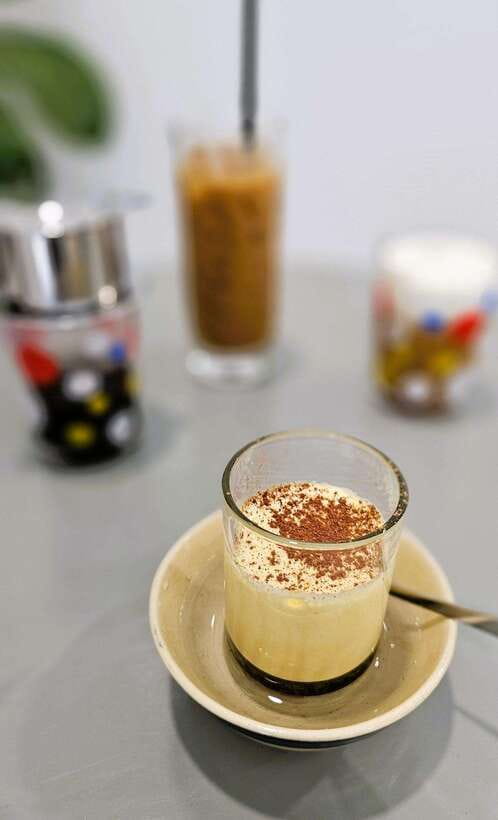
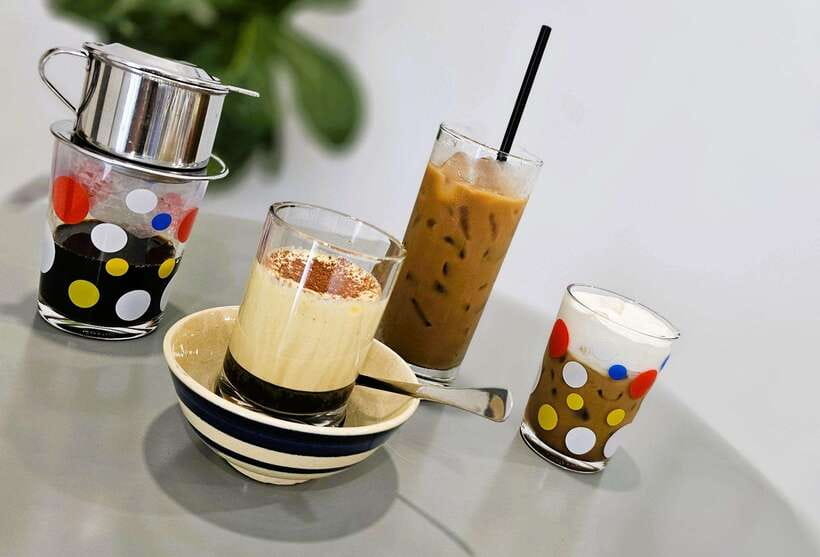
If you’ve only had Vietnamese coffee as a sweet iced cup, this workshop gives it sharper meaning. Vietnam’s coffee culture changes by region, and that shows up in the signature styles you’ll learn to make. The format is simple: you spend about 90 minutes learning a short coffee timeline, then producing the three iconic drinks that represent the South, Central, and North.
What I like about the structure is that it’s not random. You’ll connect coffee to daily life in Vietnam, and you’ll see how regional differences shape what people expect from their cup. Instead of turning coffee into a science lecture, the session keeps it practical and human.
You’ll also get four tasting rounds. That matters because it teaches you what you’re doing, not just what you’re drinking. When you taste right after making something, you pick up small cause-and-effect details fast, like how the final balance tastes when your brew method is on target.
You can also read our reviews of more tours and experiences in Ho Chi Minh City.



Meeting Quynh and settling into a comfortable, city-center setup
This is a small-group experience limited to 6 participants, which helps a lot. You’re not squeezed into a large class where only one person gets attention at a time. The seating is air-conditioned, and the session runs in a comfortable space, which is a relief in Vietnam’s heat.
The host, Quynh, runs it in English and brings the kind of energy that keeps you watching even if you’re not a coffee fanatic. In the reviews, people singled out his passion for coffee and the way he explains both technique and context. The lesson style is hands-on, but it’s also well organized, so the session doesn’t feel chaotic or rushed.
Location is also a win. The workshop is placed right in the heart of the city, so it’s easy to slot into a day without a long trek. For a 90-minute activity, convenient access can make or break the experience.
The phin dripper lesson: the skill you’ll reuse later
A big part of the value here is learning the proper way to use the traditional phin dripper. Vietnamese coffee is built around this slow-drip method, and getting the basics right is the difference between coffee that tastes balanced and coffee that tastes flat or off.
You’re not just given a quick tip and sent off. You get instruction plus brewing tips during the making process. That means you can walk away understanding what to pay attention to next time you see a phin at a café or in your own kitchen.
Practical note: you’ll likely end up tasting multiple coffees, so you’ll get used to how each style behaves. Even if you forget every detail, the overall lesson sticks: technique affects taste, and the phin is central to Vietnamese coffee identity.
The South’s Brown coffee: strong, sweet, and straightforward
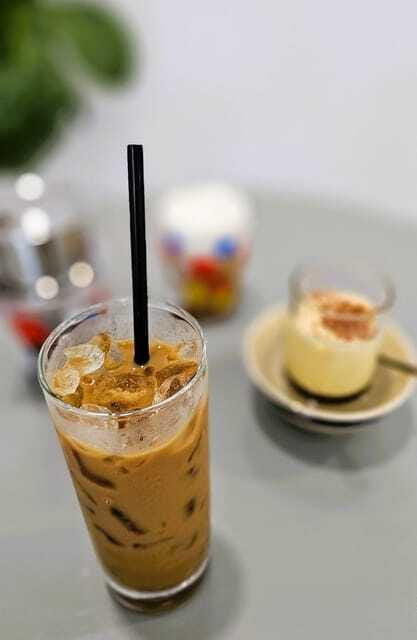
The session starts with Brown coffee of the South, and it’s a smart choice because it’s the baseline. You learn how to make the signature style first, then the other regions make more sense in comparison.
As you build the drink, you’ll practice the workflow of using the phin, handling the coffee, and following the host’s guidance. This is where the class earns its hands-on label. You don’t just receive a finished cup; you produce one, then taste it right away.
Why this matters: once you understand the South’s style as a starting point, the Central and North versions feel less random. They feel like variations on a theme, shaped by what people in each region like in their cup.
Central Vietnam’s Salted cream coffee: learning balance by taste
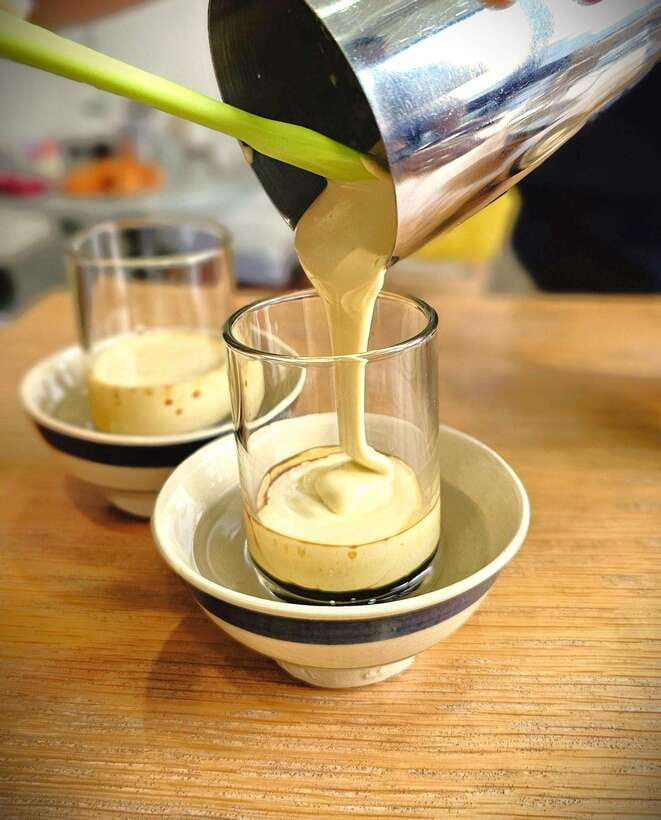
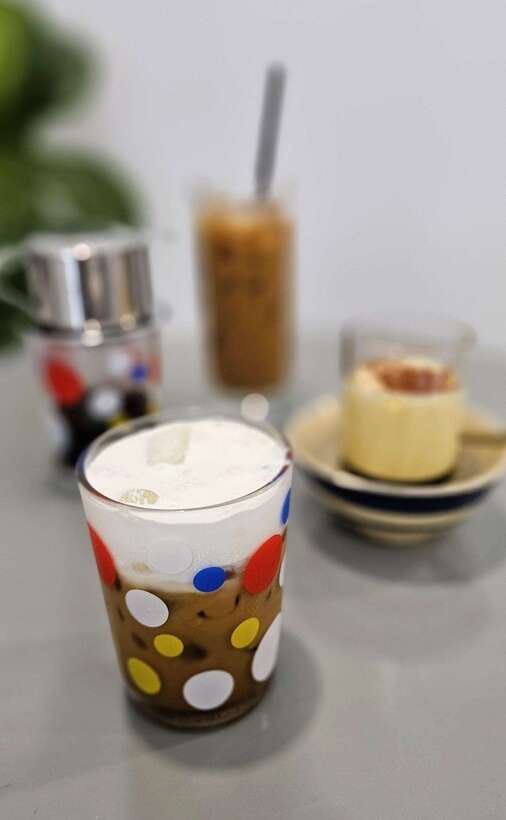
Next comes Salted cream coffee of the Central. The point of this drink in the lesson isn’t only flavor; it’s contrast. Salted cream styles tend to play with sweet and salty in a way that makes you pay attention to balance.
You’ll make this one, taste it, and compare it with what you made earlier. That tasting sequence is useful because your palate starts to map differences quickly. If you’re the type who usually orders whatever looks good without thinking, this is a shortcut to understanding what you actually enjoy.
Also, the host links these drinks to regional culture differences. That’s what turns a recipe lesson into something closer to a guided food story. The drink becomes a clue about how people in different places approach comfort, sweetness, and ritual.



Northern Vietnam’s Egg coffee: a signature that changes the texture
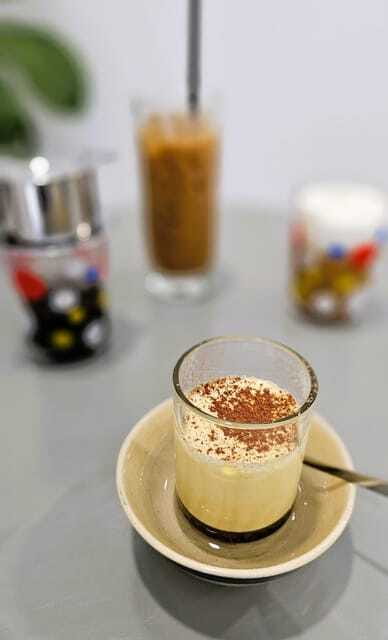
The final iconic drink is Egg coffee of the North. This style stands apart because it changes not just sweetness, but also the feel of the drink. It’s the kind of signature coffee that makes people remember Vietnam even if they weren’t looking for coffee before the trip.
In the workshop, you’ll follow the method to make it and taste it as part of the structured flow. Again, the value is in doing. You learn how the host guides your process, and you get a chance to observe what happens when you handle the steps correctly.
What I find especially helpful: you’re not left to guess why it’s different. The host explains the cultural and regional ideas behind these drinks, so you understand the logic instead of just memorizing flavors.
The snack pairing and what it adds to the experience
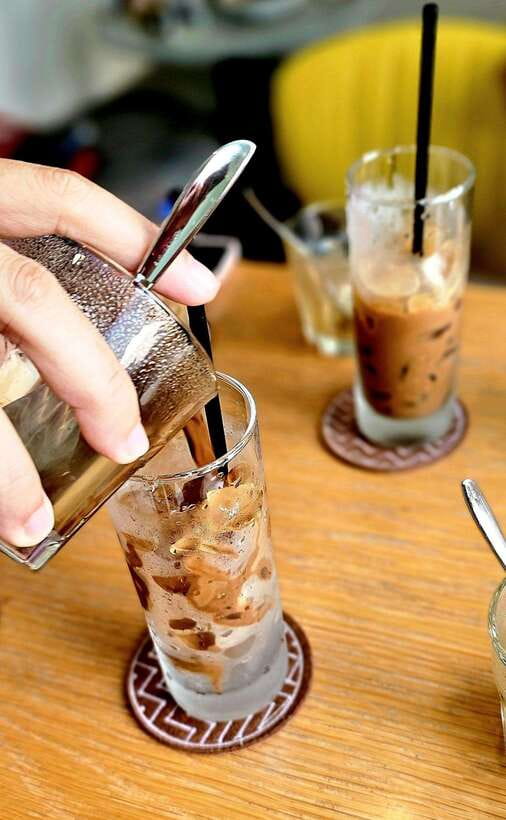
Coffee classes can feel one-note. This one adds a small local bite: plain bánh mì with condensed milk. It’s included as a simple snack, and it helps the session feel more like a Vietnam moment and less like a tasting lab.
Even if you normally skip sweet snacks, this pairing is handy because condensed milk is a recurring theme in Vietnamese coffee culture. Having it alongside coffee helps you connect the sweetness style used in the drinks to real local tastes you can recognize outside the workshop.
The session also accounts for dietary needs. There are alternatives available for vegan, coeliac, and lactose intolerance guests, but you need to note it when booking.
How much you’re really getting for $22

At $22 per person for about 90 minutes, this is one of those deals where value is more than the math. You get:
- Four tasting rounds
- Hands-on making of the three iconic regional coffees
- A local snack
- A structured session run in English with a host who has F&B experience
- Air-conditioned seating and a comfortable setup
- All-inclusive pricing, with no extra charges mentioned
Compared with the usual coffee tasting that’s mostly sipping, you’re paying for skill practice. Compared with a longer cooking class, you’re not spending half a day. For many people, this is the sweet spot: short enough to fit into an itinerary, focused enough to matter.
When this class is a great fit, and when to rethink
This workshop is a strong match if you want a practical cultural experience. You’ll learn coffee history and how coffee integrates into people’s lives, but you’ll also walk away with the ability to reproduce the drinks or at least understand what to look for.
You might not love it if you want a low-caffeine, relaxed tour. The session involves lots of caffeine, and the guidance is clear: don’t have coffee within two hours before.
Age and suitability details are also important:
- Not suitable for children under 14
- Not suitable for people over 95
- The notes say not suitable for wheelchair users, but the activity also lists wheelchair accessible
That last point matters. If mobility is a concern for you, I’d confirm the setup directly before booking, since the information is contradictory. It’s better to ask one question than arrive and find mismatched expectations.
Should you book Vietnam Coffee Journey?
Yes, if you want a short, hands-on Vietnamese experience that teaches you something you can use again. The combination of phin-dripper practice, three region-based signatures (South Brown, Central Salted, North Egg), and the fact that you taste as you go makes this more than a casual stop.
Skip it or reconsider if caffeine is an issue for you, or if you’re sensitive to dietary restrictions and haven’t flagged your needs ahead of time. Also, if your mobility needs are complex, confirm the actual setup before you commit.
If you’re in Ho Chi Minh City and you only have a limited window, this is one of the more efficient ways to understand Vietnamese coffee culture in a single afternoon slot. And if you’re not even sure you love coffee yet, the hands-on process and the region-by-region stories can change your mind fast.
FAQ
How long is the Vietnamese coffee workshop?
The experience lasts 90 minutes.
How much does it cost?
The price is $22 per person.
Is the workshop offered in English?
Yes. The instructor teaches in English.
How many people are in a group?
It’s a small group, limited to 6 participants.
What coffees will I make in the class?
You’ll make three iconic Vietnamese coffees representing regions: Brown coffee of the South, Salted cream coffee of the Central, and Egg coffee of the North.
Do I get to taste the coffees, or is it only making?
You get tasting as part of the experience. The class includes four tasting of coffees and how to make them.
Is there food included?
Yes. A local snack is included: plain bánh mì with condensed milk.
Are vegan, coeliac, or lactose intolerance options available?
Yes, alternatives are available for vegan, coeliac, and lactose intolerance guests, and you should note your needs when you book.
Is there a caffeine warning?
Yes. The experience involves lots of caffeine, and you’re advised not to drink coffee within 2 hours before the start time.
Is it wheelchair accessible?
The activity info lists wheelchair accessible, but it also says it is not suitable for wheelchair users. If you use a wheelchair or need accessibility support, confirm details directly before booking.