REVIEW · HO CHI MINH CITY
Mekong Delta 2-Day Tour: Floating Markets & Cultural Exploration
Book on Viator →Operated by TNK Travel · Bookable on Viator
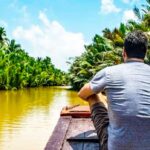
There’s something special about seeing the Mekong from a boat. This two-day trip mixes floating markets with village stops and hands-on food time, so you get more than photos. I really like the small-group feel and the chance to learn from guides such as Slim or Tom, and I also love the practical food moments, from snacks to a cooking class.
The main thing to watch is logistics around pickup. If your hotel is outside the central pickup area, you may need extra arrangements or even end up taking a taxi, and the return time can shift with traffic.
In This Review
- Key things you’ll notice on this Mekong Delta tour
- From Ho Chi Minh City to the river: how this trip is paced
- Day 1 on the Tien River: Cai Be and the story behind “the floating market”
- Cai Be boat ride: watching trade evolve
- Nhấ cổ Ông Kiệt: an antique house built for floods
- Tan Phong confectionery: coconut sweets and rice popcorn
- Tan Phong canals: palms, lilies, and a slower tempo
- Lunch plus hands-on cooking in the garden
- Bicycle ride: seeing villages at human speed
- Back to Cai Be, then on to Can Tho
- Day 2 in Cai Rang: floating markets plus a noodle factory
- Cai Rang floating market: how to read the boats
- Noodle factory: rice noodles from scratch
- Munir Ansay Pagoda and Cồn Sơn: Khmer culture and community-led eco tourism
- Cồn Sơn on the boat: crafts, cake workshop, and orchard tasting
- Getting back to Ho Chi Minh City
- Price and value for $119: what’s included, what to plan for
- Who this tour fits best (and who should think twice)
- Should you book this Mekong Delta Floating Markets & Cultural Exploration tour?
- FAQ
- How long is the Mekong Delta 2-day tour?
- Where do I meet, and when does it start?
- What’s included in the $119 price?
- Is hotel pickup included?
- What’s the group size limit?
- Can children join the tour?
- What if weather is poor or the tour needs to be canceled?
Key things you’ll notice on this Mekong Delta tour
- Cai Be and the Tien River cruise show how river life still works, even when the old floating-market scene changes
- A preserved antique house (Nhà cổ Ông Kiệt) explains why homes were built to handle floods and heat
- Tan Phong sweets + canal time gives you a slower, more local rhythm before the bigger markets
- A real noodle moment during the Cai Rang stop helps you understand what you’re seeing on the boats
- Cồn Sơn community crafts and orchard tasting adds day-to-day sustainability and seasonal fruit flavor
From Ho Chi Minh City to the river: how this trip is paced
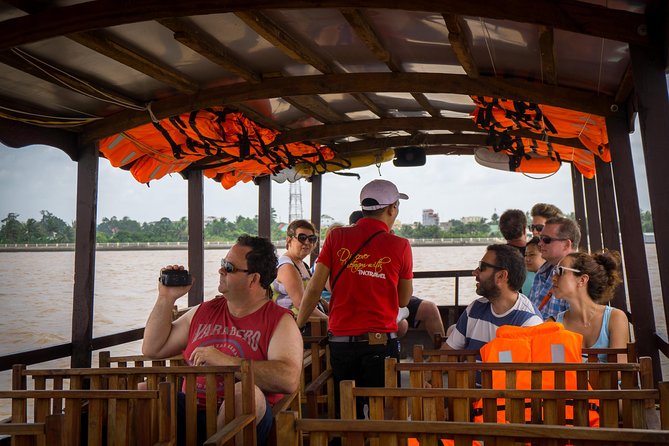
This tour is built for the reality that the Mekong Delta is big. You start early from a meeting point in District 1 at 7:30am, then spend long enough on the water to feel the place, not just rush past it.
Pricing at $119 per person is actually easier to judge when you see what you get. You’re paying for more than sightseeing: you have air-conditioned transport, boat time, English-speaking guidance, basic twin/double accommodation, and two lunches plus breakfast. The value is strongest if you’d otherwise be booking separate transport and at least one guided boat segment.
One other detail that matters: this is a small-group tour. The highlights say capped at 15 people, and the provider lists a maximum of 25. Either way, the group size is small enough that you’ll usually get help with timing and questions, especially during the food and market stops.
You can also read our reviews of more tours and experiences in Ho Chi Minh City
Day 1 on the Tien River: Cai Be and the story behind “the floating market”
Day 1 starts with a morning pickup from Ho Chi Minh City and heads toward Cai Be. Here’s the honest context you’re given upfront: the classic floating-market lifestyle has faded in some ways due to urbanization, but river life didn’t disappear. Instead, it changed form. Your guide’s job is to help you see that change without losing the meaning of the waterways.
Cai Be boat ride: watching trade evolve
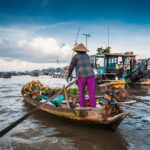
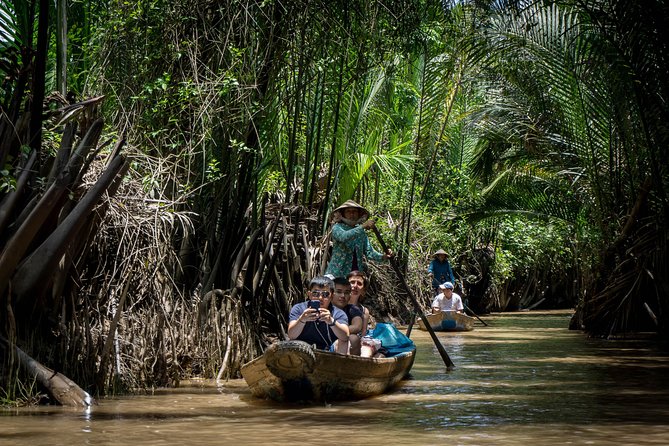
Once you arrive, you head out on the Tien River by boat. This part works because it teaches you how to read the delta: you’re not just looking at boats; you’re watching commerce shift over time. One side of the cruise shows the market’s transformation, while another shows what’s still active today.
And yes, you’ll get the classic Mekong view of fruit orchards lining the riverbanks. The point isn’t only scenery. It’s that orchards and trade are linked here, so you understand why canals and rivers matter for livelihoods.
Nhấ cổ Ông Kiệt: an antique house built for floods
Next comes Nhà cổ Ông Kiệt, an antique house stop that’s more than a quick photo stop. You’ll see how Vietnamese, Chinese, and French colonial influences appear in the architecture, and you’ll get explanations about the flood-and-climate logic behind the design.
What I like about this stop for practical travelers: you learn the “why” behind the building. The home is organized around central courtyards to maximize airflow, and the guide points out materials and age—many woods used, like ebony and mahogany, can be older than a century. You also see family shrines and heirlooms, which helps you understand how merchant families lived, not just how the structure looks.
Tan Phong confectionery: coconut sweets and rice popcorn
Then it’s a family-run confectionery moment in Tan Phong. You watch coconut sweets and rice popcorn being made, and you get to taste warm treats right after production. This part is popular because it’s not abstract. Your senses do the learning: smell, texture, and the simple ingredients that turn into something distinct.
This day also includes tastings of local produce—think tropical fruits, and the tour description also mentions honey tea and fresh noodles as part of your food experiences. Don’t skip asking your guide what you’re trying, because that’s where the local context shows up.

Tan Phong canals: palms, lilies, and a slower tempo
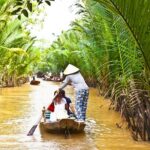
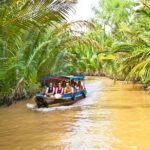
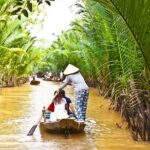
After sweets, you switch to narrow-canal travel in Tan Phong. Expect coconut palms and water lilies along quieter waterways. The pace here is more relaxed, which is helpful because Day 1 is already packed.
This stop also sets you up for the next phase: you’re moving from river commerce to everyday rural life, so the shift feels natural.
Lunch plus hands-on cooking in the garden
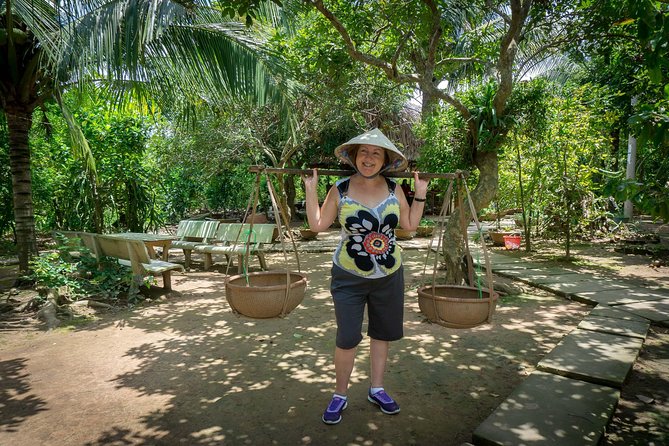
Lunch is staged in a garden setting with tropical fruit and herbs. The big win is that you don’t just eat. You participate in a hands-on cooking class where you learn skills like making spring rolls, working with rice paper, and mixing herbs and spices. Family recipes get mentioned as the source, which helps the food feel like a living tradition rather than a staged demo.
For many people, this is the highlight. It’s also the best way to make the trip feel “yours,” because you’ll carry the technique home, not just the memory.
Bicycle ride: seeing villages at human speed
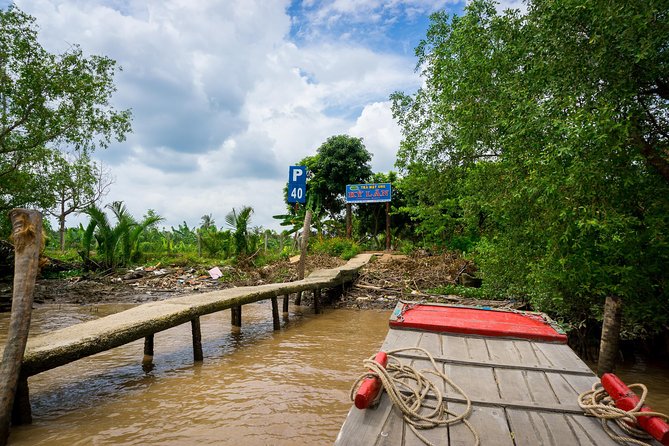
After lunch, you head out for a bicycle ride along dirt trails. This is one of the few moments where you can move through countryside without constant motor transport. You pass palms, rice paddies, and fruit groves, and your route includes small villages where you can see daily routines—farm work, kids playing, and artisans at older trades.
A tip for making this section enjoyable: go slow and ask your guide to point out what you’re seeing. The more you know what to look for, the less it feels like you’re just riding through.
Back to Cai Be, then on to Can Tho
As the sun goes down, you take a tranquil boat ride back toward Cai Be. A private car then transfers you to Can Tho City for hotel check-in. That evening is mostly yours—perfect for a casual river stroll or a simple meal on your own before the big market morning.
Day 2 in Cai Rang: floating markets plus a noodle factory
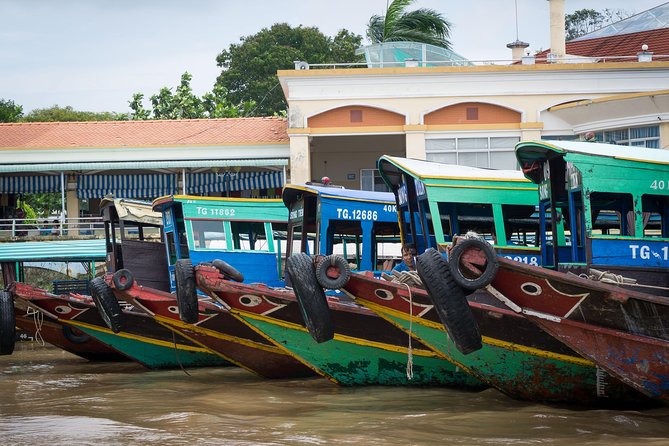
Breakfast comes first, then you head to the Cai Rang Floating Market area by boat along the Bassac River. Timing matters here. This is the part designed to feel calm enough at the start while the market is active.
Cai Rang floating market: how to read the boats
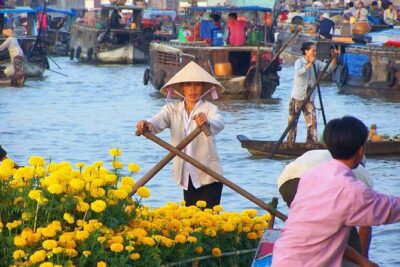
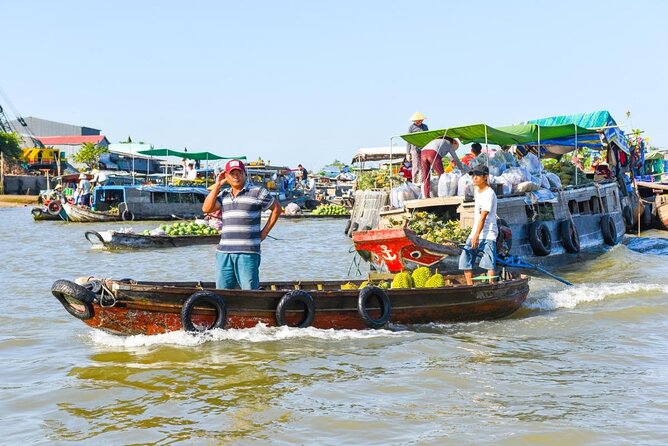
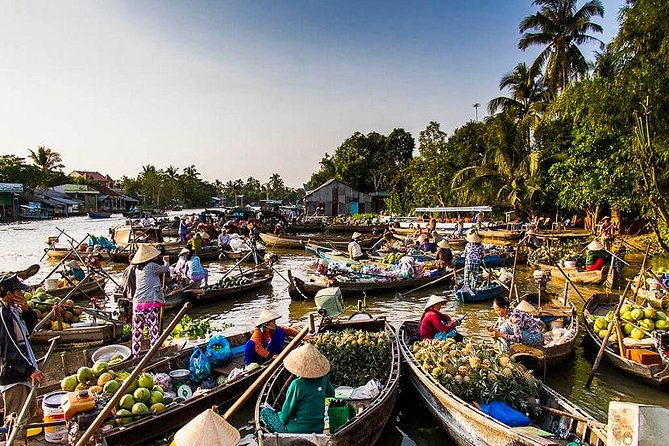
At Cai Rang, vendors display goods from multiple vessels. You’ll see how they announce wares with their sample poles and distinctive calls. Goods can include everything from fresh produce to household necessities. This stop works best when you slow down mentally and treat it like a working system, not a spectacle.
One small consideration: some market sections anywhere can feel a bit set up for visitors. If you’re sensitive to that, keep your focus on the practical details—how produce is displayed, how people coordinate, and what items are common.
Noodle factory: rice noodles from scratch
Then you visit a traditional noodle factory where you see rice noodles made from raw ingredients to finished product using age-old methods. This is a smart pairing with Cai Rang because it connects the market activity to Vietnamese staples you’ll recognize.
If you’ve ever wondered why noodle textures differ, this is the kind of stop that explains the basics with your eyes.
Munir Ansay Pagoda and Cồn Sơn: Khmer culture and community-led eco tourism
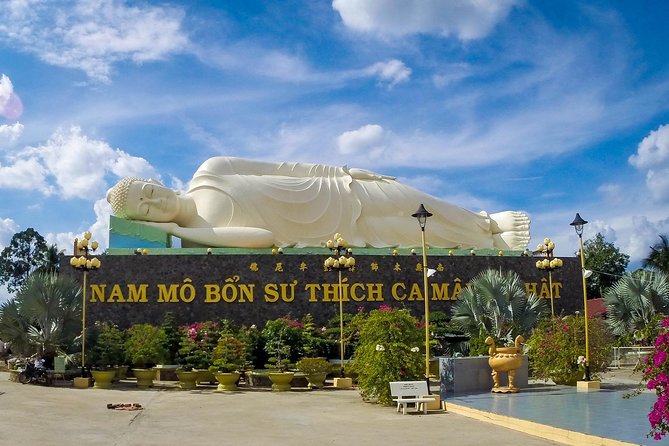
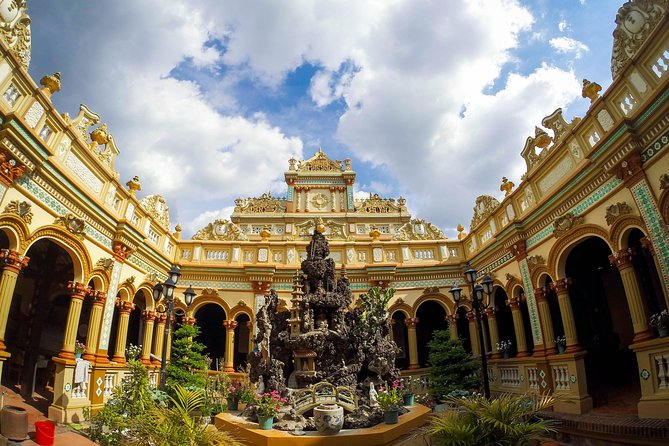
After noodles, you head to Munir Ansay Pagoda, a Khmer Buddhist temple in the Mekong Delta. This stop is about cultural layering. You’ll see intricate Khmer art, including murals that narrate Buddhist tales, plus carved details and structural features with strong Khmer influence.
The guide’s explanation is what turns the temple from a pretty building into a meaningful one. You’ll learn why the site matters to the community and how religious practice fits into local life.
Cồn Sơn on the boat: crafts, cake workshop, and orchard tasting
Next is Cồn Sơn, reached by boat. This portion is built around community-led tourism. You’ll see how crafts are supported through family initiatives and how sustainable methods are described in the orchard context.
You’ll also take part in a workshop focused on Mekong-style cake making with local artisans. It’s the kind of activity that gives you something to remember while you’re still on the island.
Then comes fruit orchard time. The tour description mentions seasonal fruits like durian, mangosteen, longan, and rambutan, along with fruit tasting. The emphasis here is practical agriculture: the tour describes avoiding harmful chemicals and conserving water. Even if you don’t fact-check every farming method during the visit, you’ll still learn how the community thinks about long-term farming.
Getting back to Ho Chi Minh City
Once the island portion wraps up, the tour ends with a comfortable transfer back toward Ho Chi Minh City, returning you to the start meeting point. Just plan for the fact that return timing can shift with traffic, since the operator notes they can’t control that.
Price and value for $119: what’s included, what to plan for
At $119, you’re basically buying a packaged way to see the Mekong Delta without hunting for transport yourself. You get:
- Breakfast (Day 2)
- Two lunches (Day 1 and Day 2)
- Basic accommodation in Can Tho, based on twin/double room share
- Air-conditioned vehicle between stops and between cities
- Boat trips on the river
- English-speaking guide
- Mineral water
- Mobile ticket for the booking
What you should plan for:
- Meals not listed
- Personal expenses, and tax or tips
- Travel insurance (not included)
- If your hotel is outside District 1, pickup/transfer can cost extra, and some streets may be restricted for vehicle access
There are also a couple of date-specific notes in the pricing info, including an extra 200,000 VND per person surcharge on select 2025 holidays. If your dates match, check before you go so there’s no surprise at payment time.
Who this tour fits best (and who should think twice)
This tour fits you if you want a balanced mix:
- Markets + cultural stops (Cai Be, Cai Rang, Khmer pagoda)
- Hands-on food time (cooking class and noodle factory)
- Rural slow moments (canals, bike ride, garden lunch)
It’s also a good choice if you’re staying in Ho Chi Minh City for a short window and you don’t want to DIY the logistics of reaching the floating markets.
Think twice if:
- You’re expecting a strict, seamless hotel pickup experience. The tour offers pickup, but the operator notes restrictions and possible surcharges outside central areas.
- You dislike being on a schedule. One itinerary like this is naturally time-structured, and parts of any market-focused day can feel a little staged.
Accessibility-wise, the tour data says it’s not available for people with handicaps and anyone with heart problems.
Should you book this Mekong Delta Floating Markets & Cultural Exploration tour?
I’d book it if you want a two-day Mekong Delta hit that includes both water life and land life—markets, a preserved merchant home, Khmer temple culture, and actual food learning. The strongest reason to choose it is the mix of boat time + small-group guidance + hands-on food, especially the cooking class in the garden and the noodle factory stop.
I’d hesitate if your priority is absolute flexibility or if you’re far outside the pickup-friendly hotel zone. In that case, you may end up dealing with extra transfers or meeting logistics on the ground.
If you’re okay with a busy schedule that’s designed to be efficient, this is a solid value for the money, and the guide quality is a consistent theme—names like Slim and Tom come up for a reason.
FAQ
How long is the Mekong Delta 2-day tour?
It runs for about 2 days.
Where do I meet, and when does it start?
The tour starts at 112 Đ. Trần Hưng Đạo, Phường Phạm Ngũ Lão, Quận 1, Hồ Chí Minh, Vietnam, starting at 7:30am. It ends back at the same meeting point.
What’s included in the $119 price?
The tour includes breakfast, basic accommodation (twin or double, room share), air-conditioned vehicle, boat trips, an English-speaking guide, mineral water, and lunch (2).
Is hotel pickup included?
Pickup is offered, but the information also says pickup/transfer support may be limited for hotels outside District 1 or in restricted street areas. Extra surcharges may apply in those cases.
What’s the group size limit?
The tour is listed as maximum 25 travelers, and the highlights also mention a cap at 15 people.
Can children join the tour?
Yes, children can join but must be accompanied by an adult. Child pricing applies only when sharing with 2 paying adults; otherwise it may be charged at the adult rate, and a surcharge may apply when booking with 2+ children.
What if weather is poor or the tour needs to be canceled?
The tour requires good weather. If it’s canceled due to poor weather, you’ll be offered a different date or a full refund. You can also cancel up to 24 hours in advance for a full refund.