REVIEW · HO CHI MINH CITY
Mekong Delta 2 Days: Floating Markets & Cultural Exploration
Book on GetYourGuide →Operated by MILLENIUM TRAVEL CO.,LTD · Bookable on GetYourGuide
Two days in the Mekong can change your pace. I like how this trip mixes canal time with real village stops, so you understand how people live along the water. I also really enjoy that you cycle through orchards and help make lunch in a garden setting. One consideration: the schedule is full and early starts can feel like a lot, especially on day 1.
If you get a strong guide, the whole trip clicks. Some guides on this route, like Peter, Lilly, and Yudi, are known for being friendly and clear, which matters when you’re bouncing between boats, bikes, and temples. The one thing to keep in mind is that the Cai Rang floating market boat scene can feel short or less dramatic than you imagine, so don’t bank on a long, endless parade of boats.
Key highlights at a glance
- Cai Be canals + orchard village stops that show daily life beyond the photos
- Ba Kiệt’s ancient house for a slower look at traditional community life
- Cook lunch in a garden and taste what you help make
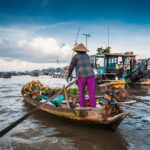
- Cai Rang Floating Market on the Lower Mekong with a boat-and-walk mix
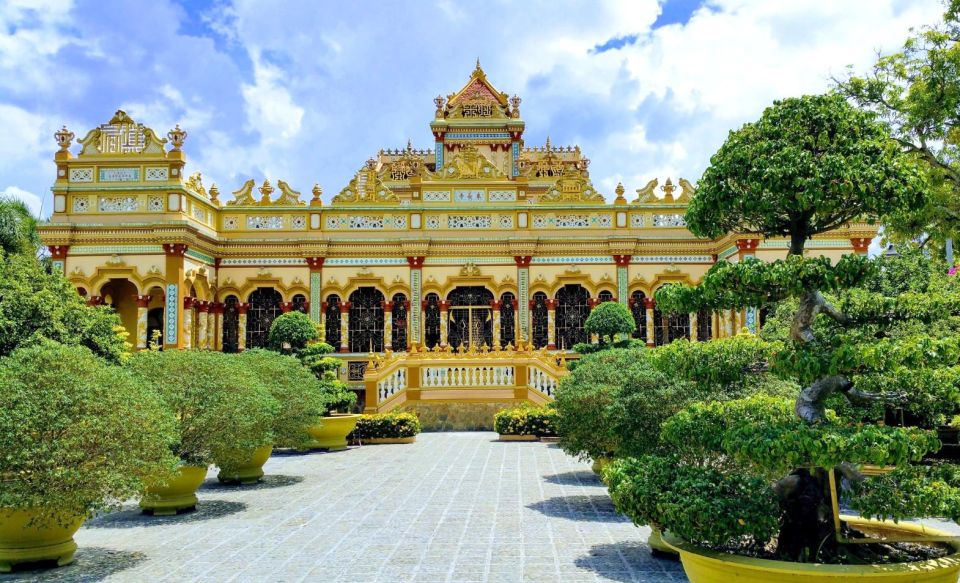
- Munir Ansay Pagoda: a Khmer temple with a distinct structure
- Overnight in Can Tho so day 2 doesn’t feel like a sprint
In This Review
- Day 1: Ho Chi Minh City to Cai Be canals, Ba Kiệt’s house, and Can Tho
- The ride to Cai Be and the “floating market” lesson
- Small village rambling, coconut treats, and Southern folk music
- Paddling through canals and Tan Phong Island tranquility
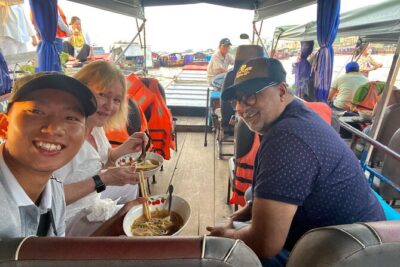
- Lunch you actually make (not just watch)
- Cycling orchards, meeting islanders, and heading back by boat
- Day 2: Bassac River, Cai Rang Floating Market, and Munir Ansay Pagoda
- Cai Rang Floating Market: best seen with the right expectations
- Walking tour at a noodle factory
- Munir Ansay Pagoda: Khmer temple architecture and respectful dress
- Fruit plantation by boat and seasonal tastings
- Back to Ho Chi Minh City
- What makes this Mekong Delta trip feel authentic (and not just staged)
- Canals + orchards = a clearer picture of how the Delta works
- Food activities create memory, not just calories
- Cultural stops are specific, not generic
- Price and value: is $112 fair for two days in the Delta?
- Boats, bikes, sun, and temple rules: the practical side
- Can Tho overnight: why it’s built in, not optional
- Who this Mekong Delta tour suits best
- Final call: should you book this 2-day Mekong Delta experience?
- FAQ
- What time and where do I meet for the tour in Ho Chi Minh City?
- Does the tour include meals?
- Are entrance fees included?
- Where do you stay overnight?
- Is pickup from Ho Chi Minh City included?
- Do I need to wear specific clothing for the pagoda?
- Is this tour suitable for everyone?
- Can I get a refund if my plans change?
Day 1: Ho Chi Minh City to Cai Be canals, Ba Kiệt’s house, and Can Tho
You’ll start early. Pickup is designed around a 07:30 meet at 112 Tran Hung Dao Street in District 1, so you get on the road while the day is still cool. If you choose optional pickup, it’s only for certain areas in District 1, and you’ll want to double-check your exact pickup zone before showing up.
The ride to Cai Be and the “floating market” lesson
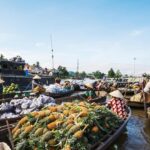
On the way, your guide sets the context for what you’re about to see. When you arrive in Cai Be, you’ll take a boat ride to the remaining site of a once-famous wholesale floating market on the Tien River. It’s not just a sightseeing point. It’s a quick way to understand how trading habits changed over time, as land transport and modern farming gained ground.
Why this matters: it helps you read what you see later. When you look at boats and fruit selling, you’ll have the backstory in your head instead of just taking in motion.
You can also read our reviews of more tours and experiences in Ho Chi Minh City
Small village rambling, coconut treats, and Southern folk music
After the boat segment, the day slows down on land. You’ll ramble through smaller villages where you can spot how daily life works here. Expect a visit to an ancient home linked to Ba Kiệt’s legacy, plus time to learn about indigenous village culture.
You’ll also stop at a small family business making coconut fudge and crispy rice popcorn. It’s a simple stop, but it’s the kind of thing that makes the Mekong Delta feel personal: you see a process, then you taste the result right away.
And yes, there’s live Southern folk music during part of the experience. It’s the sort of sound that makes the region feel less like a checklist and more like a living place.
Paddling through canals and Tan Phong Island tranquility
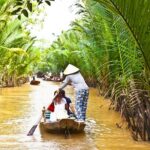
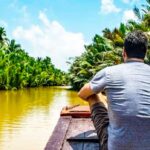
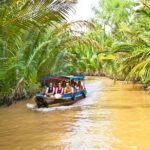
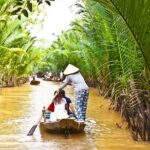
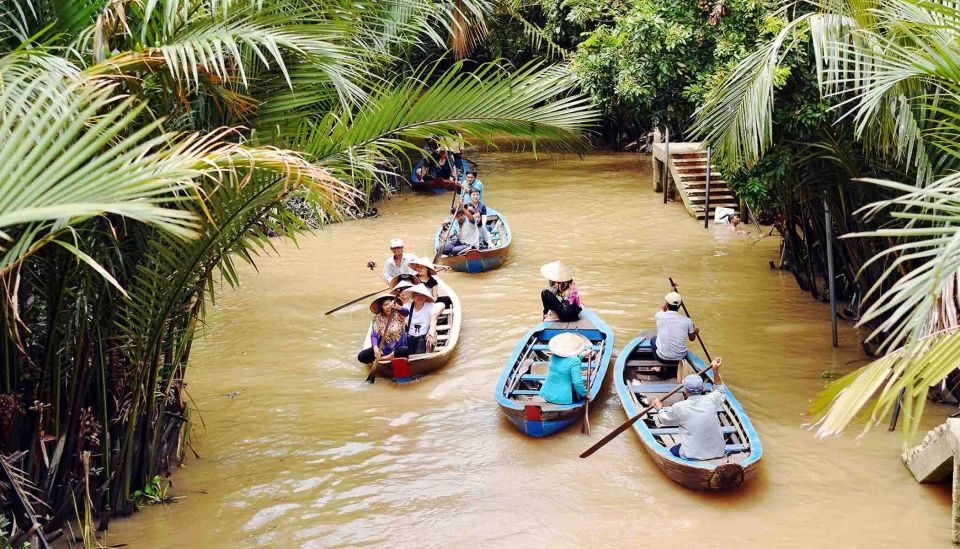
Then comes one of the best moments of the day: paddling through narrow canals. You don’t need to be a strong paddler to enjoy it. The point is to look around and notice details—water traffic, orchards, village edges—without the pressure of a big tour bus constantly moving you along.
Later you’ll reach Tan Phong Island and enjoy a nature-focused stretch. This is where the Mekong rhythm shows up. It’s slower, quieter, and easier on your brain than the busy market portions.
Lunch you actually make (not just watch)
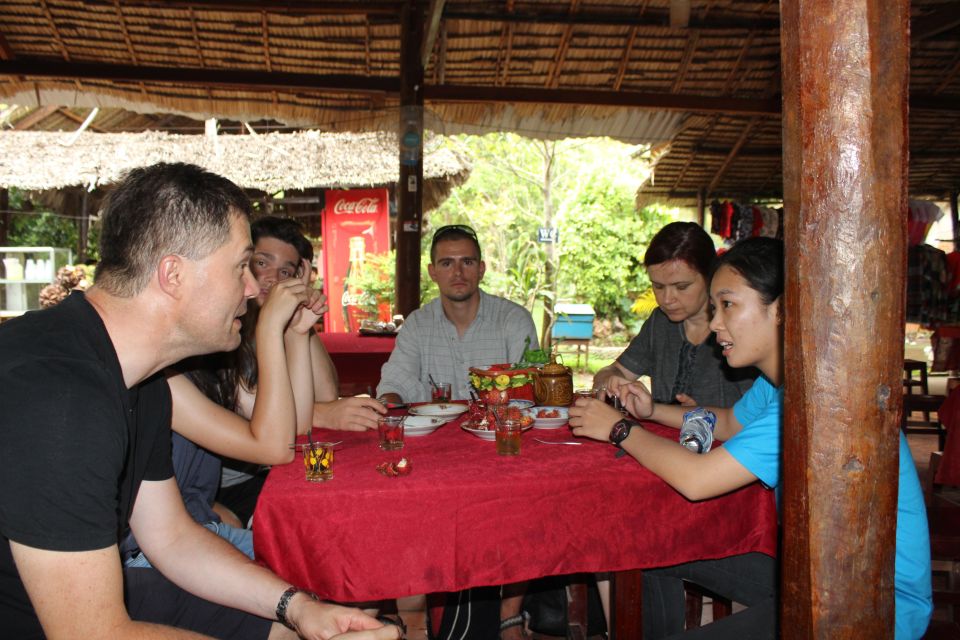
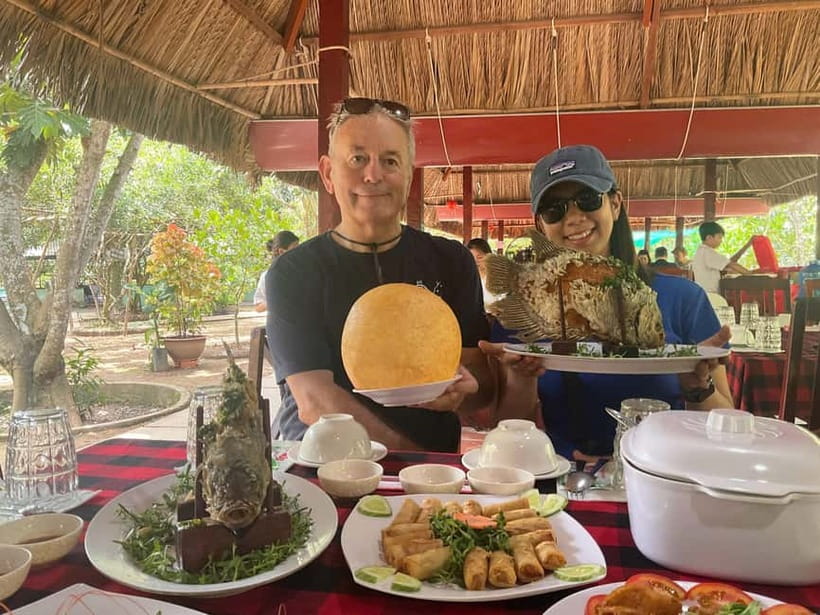
Lunch happens in a garden area, and you’ll take part in preparing Vietnamese specialties. This is one of the most practical “value boosters” in the whole program: you’re not only eating food, you’re getting technique and flavor ideas you can use later.
Vegetables, fruit, and local favorites tend to show up in ways that feel seasonal and fresh. You also get time to eat with the group without rushing every few minutes.
A quick tip for lunch day: treat it like a cooking class plus a meal. You’ll move around, smell things, and stand at work surfaces, so comfortable clothes help.
Cycling orchards, meeting islanders, and heading back by boat
After lunch, you cycle on village paths through orchard areas. This isn’t described as extreme, but it does involve getting on a bike and spending real time outdoors, so wear comfortable shoes and stay aware of sun exposure.
You’ll meet local islanders to learn more about daily life in the Mekong Delta, then visit Ba Kiệt’s ancient house again within the flow of the afternoon (so you get the cultural anchor points without feeling like the day jumps randomly).
Eventually you’ll take a boat ride back to Cai Be, then meet your bus for the drive to Can Tho City. From there, you’ll overnight in Can Tho, which is a big deal. The next day’s market and temple stops are more enjoyable when you aren’t sleeping on a bus.

Day 2: Bassac River, Cai Rang Floating Market, and Munir Ansay Pagoda
Day 2 starts with breakfast at the hotel. Then you shift back to water: a leisurely boat ride exploring tributaries of the Lower Mekong River, specifically the Bassac River.
If day 1 is about learning how life connects to canals and gardens, day 2 is about trade and culture in motion. Even if you’ve seen photos of floating markets, seeing the river lanes in real time helps the whole idea click.
Cai Rang Floating Market: best seen with the right expectations
You’ll visit Cai Rang Floating Market, described as the most vibrant floating market in the region. It’s the big star of day 2, and it’s easy to see why.
Still, keep your expectations grounded: one note from past participants is that the number of boats near the main viewing area can feel smaller than you might hope. So don’t plan on a nonstop carnival of boats filling every inch of water.
Best approach: watch for fruit, trading behavior, and the way boats move through channels. That’s where the market tells its real story.
Walking tour at a noodle factory
Next is a walking tour of a local noodle factory. This is a good counterbalance to the floating market chaos. You get to see food production up close and learn how ingredients become everyday staples.
If you’re the kind of traveler who likes to know where food comes from, this stop makes the whole trip more satisfying. It also gives you a break from constant sunlight.
Munir Ansay Pagoda: Khmer temple architecture and respectful dress
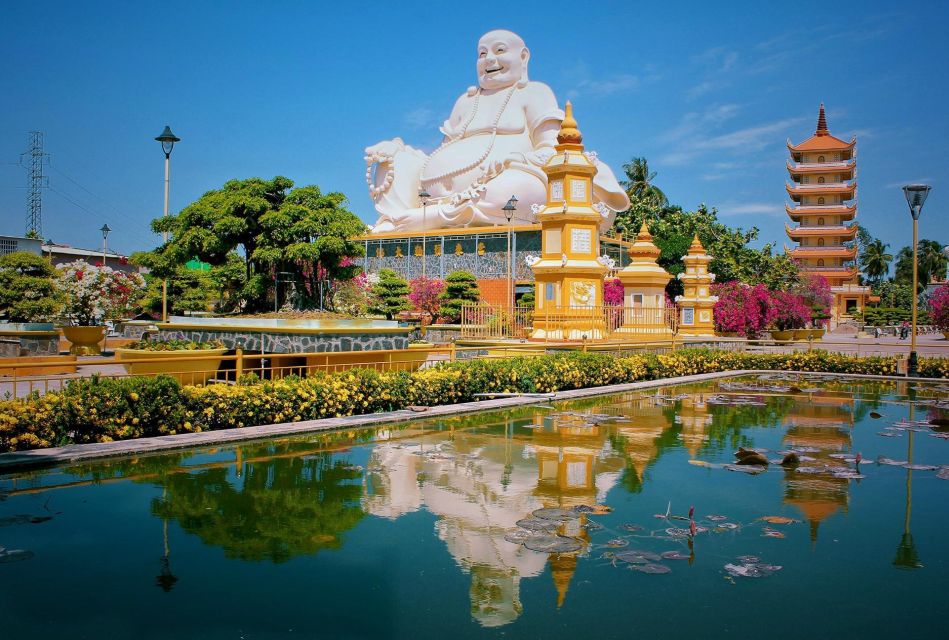
After the factory visit, you’ll head to Munir Ansay Pagoda, a Khmer temple famous for a unique structure. This is one of the clearer culture stops on the schedule.
You’ll need to dress appropriately: shoulders and knees covered. This is non-negotiable for a temple visit, so plan your clothing around it. Comfortable pants and a light shirt that covers your shoulders will keep you both respectful and cooler.
Fruit plantation by boat and seasonal tastings
Then you’ll go by boat to visit a fruit plantation and enjoy seasonal fruit. This is where the Mekong Delta’s “orchard” identity becomes obvious. Seeing trees and picking up flavors that match the season makes the region feel less like a concept and more like a real food system.
Back to Ho Chi Minh City
After lunch, you’ll return to Ho Chi Minh City. The return time can shift based on traffic, and the operator doesn’t control that. Plan to keep your evening flexible in case you hit peak-hour delays.
What makes this Mekong Delta trip feel authentic (and not just staged)
A lot of Mekong tours feel like they’re built for photos. This one leans more toward understanding the way people connect to the water and the orchards around it.
Canals + orchards = a clearer picture of how the Delta works
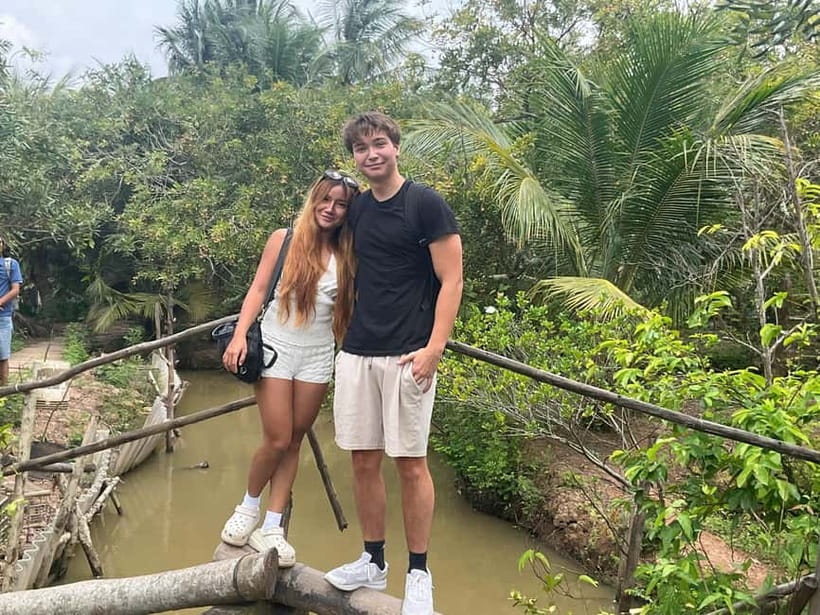
The Cai Be part of the route isn’t only about “pretty water.” It includes canal paddling and village paths through orchards, so you see that daily life is organized around both waterways and cultivated land.
That matters because it changes how you interpret later stops. When you reach Cai Rang Floating Market, you’re not just watching selling. You’re seeing the output of orchards and the movement needed to bring goods to buyers.
Food activities create memory, not just calories
You get more than one food moment: you taste coconut fudge and crispy rice popcorn, and you help make Vietnamese lunch. On day 2, you also visit a noodle factory and get seasonal fruit.
I like this approach because it’s harder to forget. Food sticks to your brain more than a single temple photo.
Cultural stops are specific, not generic
Ba Kiệt’s ancient house and Munir Ansay Pagoda aren’t interchangeable stops. They anchor different parts of the region’s identity—local village life and Khmer temple culture. If you want the Delta to feel like a place with layers, these two points help a lot.
Price and value: is $112 fair for two days in the Delta?
At about $112 per person for 2 days, you’re paying for a packed plan with real included costs.
Here’s what’s covered:
- transportation and sightseeing as per the program
- boat trips in the Delta
- an English-speaking guide
- entrance fees
- meals: 1 breakfast and 2 lunches
- overnight accommodation in a twin/double shared room
For most budgets, that’s solid value because the Mekong isn’t close to Ho Chi Minh City, and boats, guides, and entrance fees add up fast. The overnight in Can Tho also saves you from doing everything in one long day.
Where the value can feel uneven:
- If you’re picky about food quality, one note is that some people found the lunch food just okay. Since your lunch includes hands-on cooking, you may find it more satisfying than standard set menus, but keep an open mind.
Overall, at this price point, I’d call it good value if you want variety and don’t mind a busy schedule.
Boats, bikes, sun, and temple rules: the practical side
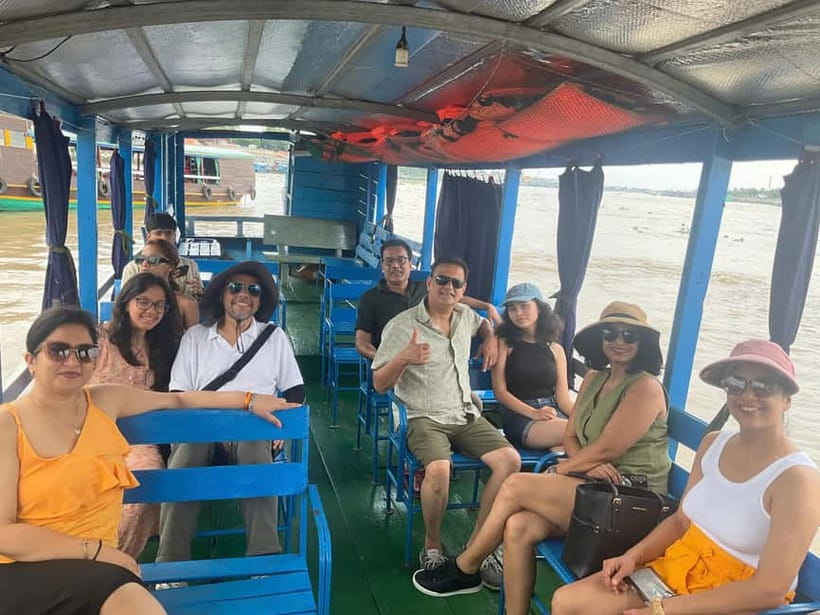
This tour mixes water time and land time. That’s the good news.
The practical side:
- You’ll spend time outdoors in the sun, so sunglasses and a hat matter.
- You’ll need comfortable shoes for walking around villages and the factory area.
- You’ll cycle through orchard paths, so wear footwear that won’t slip and clothes that are easy to move in.
Temple etiquette is clear: for Munir Ansay Pagoda, shoulders and knees must be covered. Bring something appropriate even if the day starts hot.
Also note the limits: this trip isn’t suitable for people with limited mobility, wheelchair users, pregnant women, or those with heart problems. If any of those apply, you’ll want a different style of tour with less biking and fewer physical transfers.
Can Tho overnight: why it’s built in, not optional
Staying overnight in Can Tho is one of the smartest parts of the itinerary. Day 1 ends with travel and boat time, and day 2 keeps moving. Without an overnight, you’d feel the fatigue in a hurry.
The hotel is included as a twin/double shared room. If you choose optional pickup, it also includes accommodation at a 3-star hotel in Can Tho plus round-trip transport from select District 1 locations. Some past participants liked that the Can Tho stay felt restorative for the second day.
One thing I recommend you do: when you confirm your pickup and hotel, ask what amenities are included at that specific property (for example, if there’s a pool). Don’t assume.
Who this Mekong Delta tour suits best
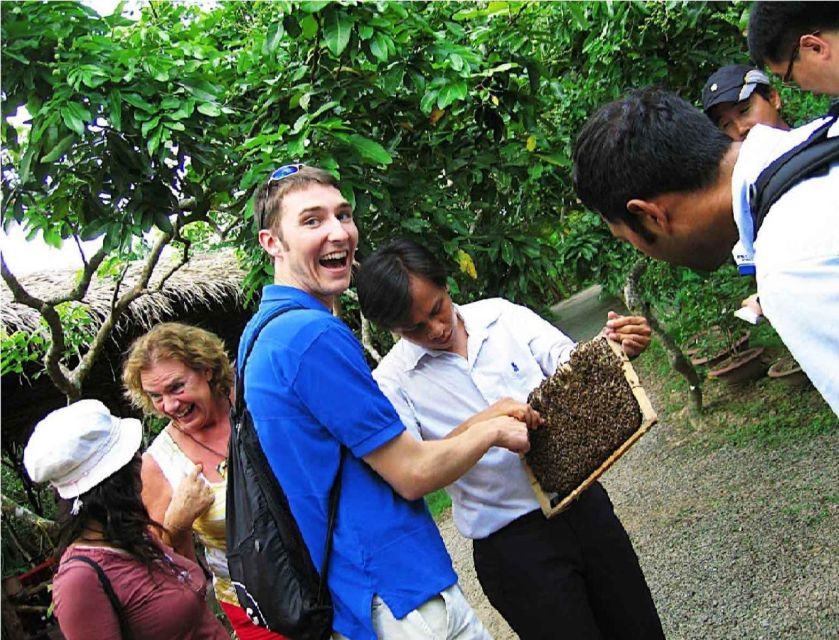
This is a great fit if you:
- want an efficient first taste of the Mekong Delta without planning multiple day trips
- enjoy food experiences, especially cooking and tasting along the way
- like seeing the region through both water and orchards
- prefer a structured itinerary with an English-speaking guide and included entrance fees
It might not be ideal if you:
- want a relaxed, slow-moving day with minimal transfers
- need frequent breaks from walking or cycling
- have mobility or health constraints covered by the tour’s stated limitations
Final call: should you book this 2-day Mekong Delta experience?
I’d book it if you want a balanced Mekong Delta route that covers Cai Be canals, village life around Ba Kiệt’s ancient house, and the day 2 hit list of Cai Rang and Munir Ansay Pagoda, all with meals and an overnight in Can Tho.
I’d think twice if you’re ultra sensitive to schedule intensity or you’re expecting the floating market to look like a movie scene with endless boats. The market is still worth seeing, but the experience is more about trading life and patterns than about boat-count spectacle.
FAQ
What time and where do I meet for the tour in Ho Chi Minh City?
You meet at 07:30 AM at 112 Tran Hung Dao Street, Ben Thanh Ward, District 1. Plan to arrive at least 10 minutes early.
Does the tour include meals?
Yes. You get 1 breakfast and 2 lunches as indicated in the program.
Are entrance fees included?
Yes, all entrance fees are included.
Where do you stay overnight?
You overnight in Can Tho, with accommodation included in a twin/double shared room.
Is pickup from Ho Chi Minh City included?
Pickup is optional. If you choose it, it includes accommodation at a 3-star hotel in Can Tho and round-trip pick-up/drop-off services from select locations in central District 1 (Ben Thanh Ward, Cau Ong Lanh Ward, and part of Saigon Ward). It does not include pickup/drop-off from Nguyen Binh Khiem Street, Nguyen Huu Canh Street, and Tan Dinh Ward.
Do I need to wear specific clothing for the pagoda?
Yes. You must dress appropriately for pagoda visits, with shoulders and knees covered.
Is this tour suitable for everyone?
No. It’s not suitable for people with limited mobility, wheelchair users, pregnant women, or those with heart problems.
Can I get a refund if my plans change?
The tour offers free cancellation up to 24 hours in advance for a full refund.
If you tell me your travel month and whether you’re choosing optional pickup, I can help you plan what to wear and how to time the rest of your day in Ho Chi Minh City.