War and water in one day. I like that the Cu Chi visit gives you a clear guided look at tunnels and wartime tricks, and you get that contrast with a Mekong Delta boat-and-island outing after. It’s one of those “southern Vietnam in a single stretch” days that helps the history and the scenery make sense side by side.
One consideration: it’s a full morning-to-afternoon schedule, and the tunnels and outdoor Mekong activities can feel tiring in the heat. Come with a moderate fitness mindset, and plan for mosquitoes when you’re near the water.
Pickup starts at 7:30 am, and you’ll spend most of the day on the move. The good news is the timing is efficient, with air-conditioned transport and a guide who keeps the day from dragging.
In This Review
- Key highlights worth knowing
- Price and Logistics: What you’re really paying for
- Cu Chi Tunnels: how the tour makes war history understandable
- Going underground: comfort level and the shooting-range option
- The in-between stops: tapioca root, lacquer art, and why they matter
- Mekong Delta afternoon: boats, islands, and village rides
- Weather and comfort: what to bring for the Mekong portion
- Guide quality: why names keep coming up
- How the day flows: timing you can count on
- What’s included (and what’s not)
- Who should book this Cu Chi and Mekong tour
- Should you book ACE Travels for Cu Chi and the Mekong?
- FAQ
- What time does the tour start?
- How long is the tour?
- Is hotel pickup available?
- What’s included in the tour price?
- Do I need to buy tickets separately?
- Is the underground experience mandatory at Cu Chi?
- Is the shooting range included?
- What should I bring for the Mekong Delta part?
Key highlights worth knowing
- Small-group feel (max 12): you should get easier explanations than on the biggest buses.
- Cu Chi guided tunnel visit: traps, workshops, and a model-map briefing before you go underground.
- Tapioca root tasting: a quick taste of what people ate during wartime conditions.
- Mekong Delta boat + sampan rides: a mix of bigger boats and smaller rowing boats.
- Hands-on village stops: honey-bee keeping, coconut candy making, and short rides by cart or tuktuk.
Price and Logistics: What you’re really paying for
This tour is priced at $74.99 per person, which is honestly on the budget-friendly side for a full, guided day combining two major stops. The value comes from what’s bundled: hotel pickup, round-trip transport, lunch, air-conditioned vehicle, and the key admissions/fees included in the day.
The schedule also matters. You start at 7:30 am, and the day is structured so you hit Cu Chi in the morning, then move to the Mekong for a more relaxed afternoon. If you’re trying to maximize a short stay in Ho Chi Minh City, this “one ticket, two regions” format can be a smart use of time.
Small detail that can make your day smoother: the tour uses a mobile ticket, and you get confirmation at booking. That’s helpful when you’re juggling multiple plans.
You can also read our reviews of more tours and experiences in Ho Chi Minh City.



Cu Chi Tunnels: how the tour makes war history understandable
Cu Chi isn’t just an attraction. It’s an underground survival system that helps you understand how people lived and fought while constantly being hunted. The tour begins with a guided introduction in a way that sets expectations before you start walking into the tunnels.
You’ll cover the big themes: traps built by the VC, the idea of an underground workshop, and how the tunnel network operated. You also get a map and tunnel model briefing, which is a big deal because the tunnels can feel confusing if you only see narrow corridors and never get the “where does this connect to what” picture.
Another plus for first-timers: the guide clearly guides you on the optional parts. You’ll hear about things like the underground experience being your choice, and the day gives you enough structure to decide what feels comfortable.
If your goal is a focused visit—learn the essentials, see the key sections, and get out—this tour style tends to hit that sweet spot.
Going underground: comfort level and the shooting-range option
At Cu Chi, you get an underground experience, and it’s presented as optional. That’s the right approach. Some people love the realism; others want to stay above while still understanding how the system worked.
Here’s how I think about the “comfort” decision:
- If you’re okay with tight spaces and a low-ceiling environment, you’ll likely enjoy going in.
- If you’re not, you can still get the story from the surface areas and the briefing.
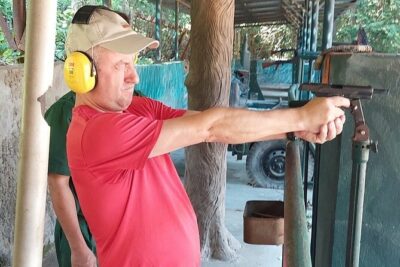
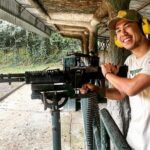
There’s also a shooting range component that’s optional and paid on your own. If you’re curious, treat it like an extra activity rather than part of the core tour. If you’re not into firearms, you won’t miss the main point of Cu Chi by skipping it.
This is also a good moment to think about what kind of day you want. Cu Chi can feel intense. Having guide context makes it easier to process without feeling like you’re just staring at exhibits.
The in-between stops: tapioca root, lacquer art, and why they matter
A lot of tunnel tours rush straight from one photo spot to the next. This one slows down just enough to explain daily-life details that help the war story feel human.
You’ll get a tapioca root tasting, described as VC food. It’s a small stop, but these little food-and-objects moments often do more than another long explanation. They help you picture what “survival” meant on the ground.
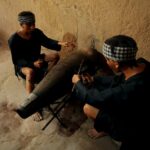
You’ll also visit an art studio where they show how they make lacquer ware fine art. This isn’t random. It’s a way to connect the area’s past with a craft tradition that still has real value today. If you enjoy watching how something is made (even briefly), it’s a pleasant break from the tunnel atmosphere.
Mekong Delta afternoon: boats, islands, and village rides
After Cu Chi, you head to the Mekong Delta, with about a 2-hour transfer between the two. The afternoon program is where the day turns lighter and more scenic.
You’ll do a boat trip cruise on the Mekong River to Unicorn Island, then get smaller-boat time with a sampan rowing boat through a creek surrounded by water palms. That switch in boat style is one of the nicest parts. Big river cruise feels broad and open; sampan rowing feels closer to the water and the rhythm of the canal.
You also get folk songs and traditional music, plus a stop for tropical fruits salad. It’s not a fancy restaurant meal, but it’s a common and enjoyable way to experience the area’s food culture in a short window.
If you like a bit of activity, there’s a bicycle ride on the beaten track. It’s included, and it’s exactly the kind of “move through the place” moment that makes the Mekong feel more real than a single viewpoint.
Then you’ll hit village-style experiences:
- Local family honey bee keeping
- A buggy/golf cart/tuktuk ride in a coconut-tree village
- Coconut candy workshop
Some tours stop at one or two of these. Having several in one day can be great if you want variety. If you prefer one or two deep experiences instead of a checklist, plan to enjoy the short format.



Weather and comfort: what to bring for the Mekong portion
The Mekong portion is partly on the water and partly outdoors, so your comfort depends on what you pack. The tour specifically recommends:
- Mosquito repellent
- Hat
- Umbrella (especially May–Dec, when rain is possible)
- Don’t wear white clothes
That last tip sounds small, but it matters. White can show dirt and stains quickly, especially in humid, sun-and-water settings.
Also think about heat. A long day with multiple transfers means you’ll sweat. Loose clothes and comfortable footwear are your best friends here.
Guide quality: why names keep coming up
One of the strongest signals for this tour is guide performance. Names like Mya, James (Bao), Bob, and Harry show up in the way people describe the day: clear explanations, a friendly pace, and good organization.
Even if you don’t get the exact same guide, you can use these names as a clue about what the company tends to value: keeping the day understandable and not wasting time.
From a practical standpoint, that means you’ll get better value if you ask questions—because the best guides clearly answer them and connect the history to what you’re seeing right now.
How the day flows: timing you can count on
Here’s what the day feels like in motion:
- 7:30 am pickup and start
- Cu Chi drive time around 1.5 hours from Ho Chi Minh City
- 3 hours for the Cu Chi tunnel visit and included activities
- 2 hours transfer from Cu Chi to the Mekong Delta
- 4 hours in the Mekong Delta with the boat rides, village activities, and lunch
Total duration lands around 10 to 11 hours. That’s long, but it’s also why you get two major destinations instead of just one.
What’s included (and what’s not)
Included in the price:
- All fees and taxes
- Lunch
- Air-conditioned vehicle
- Guided tour elements for Cu Chi (including admission ticket listed for that stop)
- Mekong Delta admission is listed as free for that stop’s ticket component
- Pickup offered and transport between stops
Not included:
- You’ll need to bring your own mosquito repellent, hat, and umbrella (rain May–Dec)
- Don’t wear white clothes is a personal prep tip, not a paid add-on
- Shooting range (if you choose it) is optional and your own expense
Who should book this Cu Chi and Mekong tour
This is a strong match if you want:
- A big-picture day combining wartime history with everyday life along the Mekong
- A guided experience where someone gives context, not just a self-guided walk-through
- A tour that keeps moving with a small-group feel (max 12)
It’s less ideal if:
- You want a slower day with fewer stops
- You dislike intense war-related sites and might find the tunnel/trap themes uncomfortable
- You’re worried about heat, mosquitoes, or outdoor time without much downtime
If you’re traveling with family, it can still work well because some activities are flexible (like choosing whether to go underground). Just make sure everyone is realistic about the long schedule.
Should you book ACE Travels for Cu Chi and the Mekong?
I’d book this if you’re looking for value and structure. The combination is efficient, the included basics are solid (transport, lunch, admissions/fees), and the day is designed to move without turning into a chaos day.
I’d think twice only if you’re sensitive to war themes or you hate long, packed hours outdoors. In that case, you might prefer a single focus day instead of trying to fit both Cu Chi and the Mekong into one stretch.
FAQ
What time does the tour start?
The meeting time is listed as 7:30 am.
How long is the tour?
The duration is 10 to 11 hours (approx.).
Is hotel pickup available?
Yes, pickup is offered.
What’s included in the tour price?
The tour includes all fees and taxes, lunch, and air-conditioned vehicle transport, along with the guided visit components listed for each stop.
Do I need to buy tickets separately?
The Cu Chi stop includes an admission ticket included item, and the Mekong Delta stop lists admission ticket free.
Is the underground experience mandatory at Cu Chi?
No. The underground experience is your choice.
Is the shooting range included?
The shooting range is optional and your own expenses.
What should I bring for the Mekong Delta part?
Bring mosquito repellent, a hat, and an umbrella if rain is possible (May–Dec). The tour also advises you not to wear white clothes.