REVIEW · HO CHI MINH CITY
Vietnam And Cambodia At Glance in 9 Days
Book on Viator →Operated by Realistic Asia · Bookable on Viator
One ticket, two countries, and a lot of wow. This Vietnam and Cambodia at-a-glance route strings together Mekong Delta life, Halong Bay scenery, and the main Angkor sights in 9 days without making you manage every transfer.
What I like most is how the big highlights are timed with built-in logistics: you start with private airport pickup in Ho Chi Minh City, then you’re moved by car and internal flights between cities. The second thing I like is the structure—days are planned around real visits like the Independence Palace in Ho Chi Minh City and Angkor Thom’s South Gate plus Ta Prohm in Siem Reap. The main drawback to consider is that you’ll spend long stretches in transit, including flying and full-day boat time, so it’s not a slow travel plan.
In This Review
- Key points to know before you go
- Why this 9-day Vietnam and Cambodia route works so well
- Ho Chi Minh City: private arrival and the Independence Palace payoff
- Mekong Delta day trip: My Tho to Tan Thach by bike and village conversation
- Hanoi essentials: Mausoleum, Tran Quoc pagoda, Ethnology Museum, and Temple of Literature
- Halong Bay cruise: dawn breakfast, Tai Chi, and limestone karsts
- Siem Reap and Angkor: where the itinerary saves its biggest wow
- Hotels, transfers, and group size: where this package gives real value
- Price and what’s not included: staying realistic about the total cost
- Practical tips for long days: making the most of early starts and flights
- Should you book this Vietnam and Cambodia at-a-glance tour?
- FAQ
- What cities does this tour include?
- Are flights included?
- What meals are included?
- Is Angkor Wat included?
- Is the e-visa included?
- Where does the tour start and end?
- How large is the group?
Key points to know before you go
- Private airport pickup in Ho Chi Minh City helps you start without stress
- Mekong Delta morning + village cycling gives you a hands-on taste of daily life
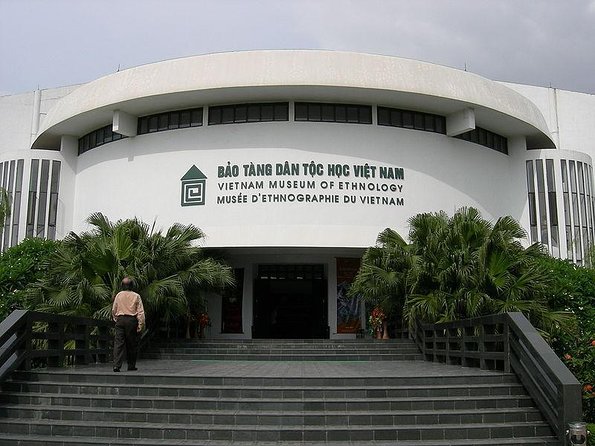
- Hanoi culture day pairs major sights with the Vietnam Museum of Ethnology and Temple of Literature
- Halong Bay dawn routine includes breakfast and a Tai Chi session on the sun deck
- Angkor Wat focus in Siem Reap hits the South Gate of Angkor Thom and Ta Prohm
- Small group size (max 15) keeps the feel closer to guided touring than big-bus chaos
Why this 9-day Vietnam and Cambodia route works so well
This kind of itinerary only works if the pacing is tight and the handoffs are smooth. Here, you’re placed in Ho Chi Minh City first, then you’re pushed north to Hanoi, out to Halong Bay by cruise, and finally over to Siem Reap for Angkor. That flow is efficient because the heavy hitters are geographically connected, and the internal flights remove the long-distance slog.
Another practical win: everything is built around guided days and set transport, with an air-conditioned vehicle for the included sightseeing. You don’t have to play calendar Tetris while you’re learning a new country. If you’re someone who hates “figuring it out” while jet-lagged, this style is a relief.
You’ll also feel the group size limit (up to 15 people). In plain terms, that usually means less waiting and less crowding than mass tours, especially during entry lines and photo stops.
You can also read our reviews of more tours and experiences in Ho Chi Minh City.



Ho Chi Minh City: private arrival and the Independence Palace payoff
Your first day is simple: you land at Tan Son Nhat International Airport, and a private driver meets you holding a sign with your name. You’re then taken straight to your accommodation in the heart of the city, which matters because Ho Chi Minh City traffic can eat time fast when you’re tired.
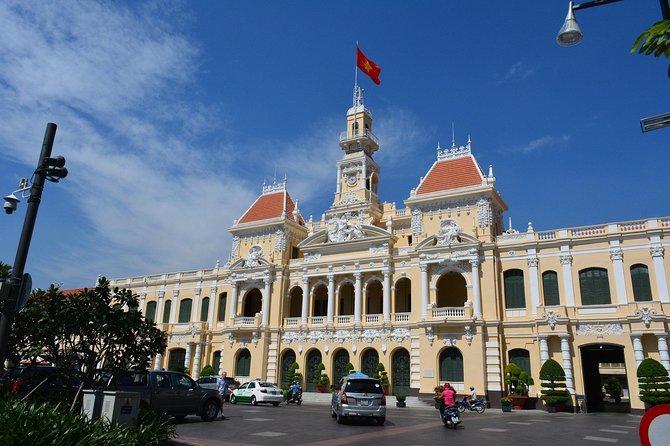
The big sightseeing here comes on Day 3 with a visit to the Independence Palace (also called the Reunification Palace). The palace is positioned as a landmark built on the sight of the former Norodom palace, so it carries that “modern Vietnam meets colonial-era footprints” feeling in one place. It’s a strong start for understanding the country’s recent history without turning the day into a textbook.
One consideration: Day 3 includes flying onward to Hanoi after your palace visit, so you won’t have a full leisurely day in Ho Chi Minh City. If you love spending your mornings wandering markets at your own pace, plan to treat Ho Chi Minh City as your jump-off point rather than your main hangout.
Mekong Delta day trip: My Tho to Tan Thach by bike and village conversation
Day 2 is built around the Mekong Delta’s human scale. You start with breakfast, then meet your guide in the hotel lobby around 7:15–7:30 am and head to My Tho. That early start matters: the delta gets hot, and you’ll feel it more if you arrive late in the day.
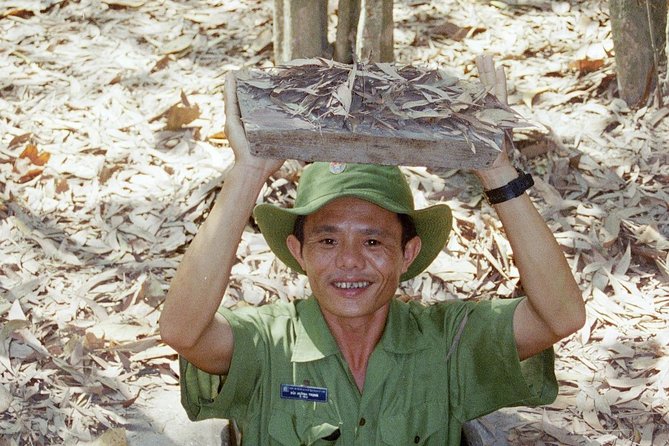
After a traditional Vietnamese lunch, you cycle around Tan Thach village and meet local villagers. This is one of those parts of Southeast Asia travel that works best when you’re open to slow moments. Even if you don’t speak the language, you’ll learn fast by watching daily routines—how people move, cook, trade, and live.
The possible drawback is physical and practical, not dramatic. Cycling and walking in humid conditions can be tiring. If you’re not into bike time, you might still enjoy the village atmosphere, but you’ll want comfortable shoes and a sun layer.
Hanoi essentials: Mausoleum, Tran Quoc pagoda, Ethnology Museum, and Temple of Literature
Hanoi gets a full day that covers four different “angles” on the city: politics, spirituality, culture, and learning.
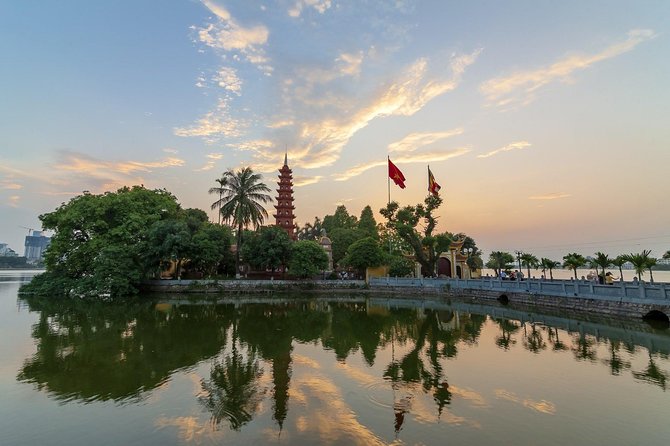
First up is the Ho Chi Minh Mausoleum area, slotted as a morning stop. Next you visit Tran Quoc pagoda, a Buddhist temple on one side of West Lake—good for a pause and a calmer feel after city streets. Then comes the Vietnam Museum of Ethnology, which focuses on the diversity of Vietnam’s 54 ethnic groups. One practical detail you should know: the museum applies only on Sun, Tue, Thu & Sat.
After lunch, the day shifts to architecture and scholarship with a drive to the Temple of Literature, built in 1073. It’s described as Vietnam’s first university area and includes spaces to worship Confucius and Chu Van An. Even if you don’t go deep into the story, the layout and age make it feel different from modern attractions.
The main “watch out” here is time density. This is not a one-stop walk-and-snack day; it’s a full circuit. If you have a low tolerance for museum crowds or tight schedules, you’ll want to use breaks wisely and keep water with you.
Halong Bay cruise: dawn breakfast, Tai Chi, and limestone karsts
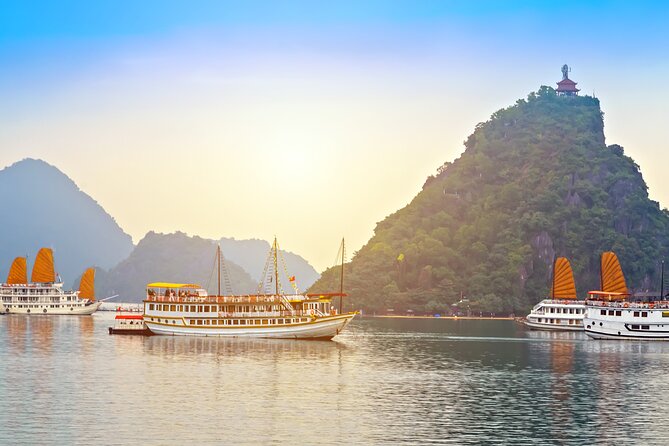
Halong Bay is the part of this tour that feels like a movie set, but the real value here is that you’re not only staring from the shore. You’re out on the water during the cruise portion, with two substantial days assigned to the Bay experience.
Day 5 includes the ride across the Red River Delta with emerald green rice paddies. That road segment matters because it sets expectations: before you reach the karsts, you’re already traveling through the agricultural heartbeat of northern Vietnam.
Day 6 is built for early energy. You rise for dawn at the Wonder of the Nature World, eat breakfast onboard, and join a Tai Chi class on the sun deck. It’s a simple detail, but it changes the feel of Halong Bay from passive viewing to a shared morning routine.
Then the day continues with a visit to the limestone formations (the itinerary description points specifically to the karst scenery). Even if you’ve seen photos before, seeing limestone karsts at different light angles is a different experience than a single “best photo” moment.
The only real drawback: cruise days are long. You’ll be away from your next city for most of the day, and Day 6 ends with transfer back to Hanoi. If you like quiet evenings to reset, budget for the fact that your schedule will keep moving.


Siem Reap and Angkor: where the itinerary saves its biggest wow
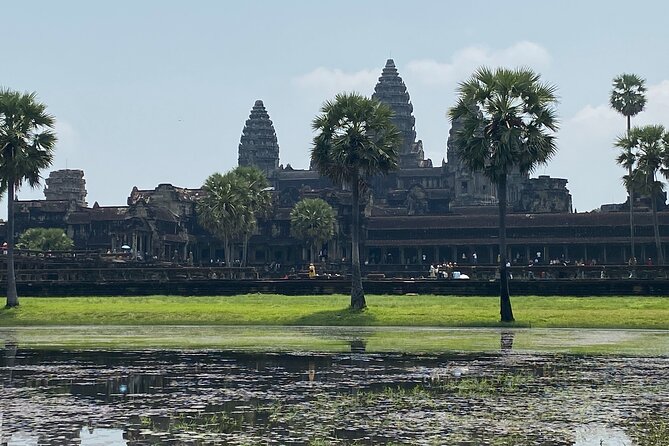
Once you fly from Hanoi to Siem Reap (Day 7), the tour’s tone shifts from Vietnam’s river-and-lake mood to Cambodia’s temple era. The drive from the Siem Reap airport to your accommodation sets you up for a straightforward start the next morning.
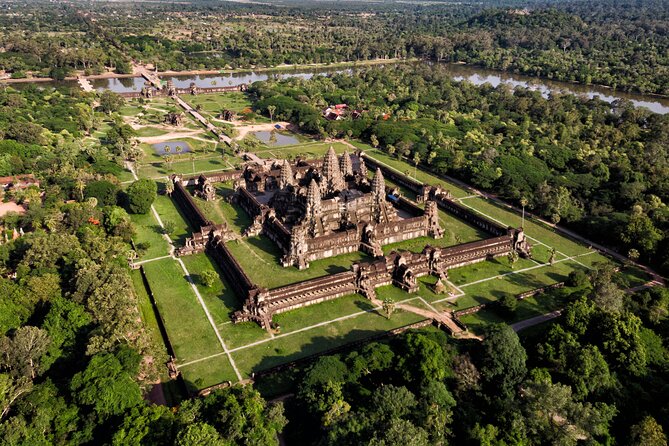
Day 8 is where Angkor takes over. You begin with breakfast, then start sightseeing in the Angkor complex with the South Gate of Angkor Thom. The description notes the South Gate’s famous series of colossal figures, which is exactly the kind of detail that makes you stop and look twice. After that, you visit Ta Prohm, the jungle-covered temple known for fig trees and large creepers wrapping around the stone structure. It’s not just “another temple,” it’s the one that often feels most alive because nature and architecture share the same space.
One consideration if you’re sensitive to heat: Angkor mornings can get warm quickly, and you’ll be walking. Go at your own pace, take breaks, and don’t treat this day like a sprint—your eyes need time to appreciate the carvings.
Hotels, transfers, and group size: where this package gives real value

This is a mixed-style tour: you get private airport transfers, an air-conditioned vehicle for sightseeing days, and accommodations shared in double, twin, or triple rooms. That matters for value because hotel costs in Vietnam and Cambodia add up fast, especially if you’re not booking a bundle.
The tour also includes the major sightseeing entry costs listed in the itinerary, plus service charges and government tax. In practice, it means fewer “surprise” expenses when you’re already managing flights and meals.
Group size is capped at a maximum of 15 travelers, which tends to help with timing. It’s also the kind of size where the organizer can stay on top of changes. Names like Rosie, Praveen, Brian, and Lucy come up in the support stories tied to planning and responsiveness. The pattern is consistent: quick answers to timing questions and help through the trip, including arranging flights and pickups correctly.
A small note: the itinerary includes dinner, several lunches, and breakfasts. That’s convenient, but you still may want a flexible mindset about what you’ll be served and when—especially when you’re in transit.
Price and what’s not included: staying realistic about the total cost
At $1,382 per person for roughly 9 days, this package is clearly priced as a bundled experience. The real value isn’t just the hotel; it’s the internal flights with 20 kg luggage per person included (Ho Chi Minh City to Hanoi, then Hanoi to Siem Reap). Flights are often the hidden budget killer on multi-country itineraries, and including them usually makes the plan feel easier to commit to.
Also included are a set number of meals: 8 breakfasts and 6 lunches, plus dinner. Add in included admission tickets and air-conditioned vehicle transport, and you’re covering a lot of the daily cost stack.
What’s not included is also important to know up front:
- International flights and departure taxes
- Beverage, personal expenses, and tips/gratuities
- Travel insurance
- Any public holiday surcharge
- A compulsory Gala Dinner on 24 Dec and 31 Dec (if those dates apply)
- E-visa
So the question becomes: does this bundle match your travel style? If you want maximum sightseeing and minimum “logistics brainpower,” the value tends to hold up well.
Practical tips for long days: making the most of early starts and flights
This itinerary uses early starts and full days, so how you prepare affects your enjoyment more than people expect.
First, treat breakfast days as your key anchor. On the Halong Bay morning, breakfast comes as part of the dawn experience. If you skip sleep the night before, you’ll feel it.
Second, keep a small day bag for the moments you move around most: water, sunscreen, a light layer, and something for heat. You’ll have museum time in Hanoi and walking time in Angkor, and both add up.
Third, for the flights (Ho Chi Minh City → Hanoi, then Hanoi → Siem Reap), confirm you’re comfortable with carrying your documents and any essential items. The tour includes checked luggage allowance, but you still want your valuables accessible.
Finally, if you’re picky about food, give yourself flexibility. The plan includes many meals, but it can’t perfectly match every preference. If you’re someone who loves trying local dishes, that’s a plus.
Should you book this Vietnam and Cambodia at-a-glance tour?
I’d recommend booking if you want a structured, high-impact itinerary across Vietnam and Cambodia without doing the planning math. The big strengths are clear: you cover Ho Chi Minh City, Mekong Delta, Hanoi, a Halong Bay cruise experience with a dawn moment, and the core Angkor sights in Siem Reap, all tied together with included domestic flights and guided transport.
I’d think twice if your travel style is slow and self-directed. This isn’t a “linger for weeks” kind of route. It’s a “see the essentials, move to the next essential” plan.
One booking check I’d make before you commit: the itinerary notes it requires good weather. If Halong Bay conditions are poor, you could be offered a different date or a full refund. If your trip dates are flexible, that reduces risk.
If that pacing fits your personality, you’ll likely walk away feeling like you hit the headlines—without spending your vacation obsessing over how to get from A to B.
FAQ
What cities does this tour include?
You’ll start in Ho Chi Minh City, travel through Hanoi and Halong Bay, and finish in Siem Reap.
Are flights included?
Yes. Flights from Ho Chi Minh City to Hanoi and from Hanoi to Siem Reap are included, with 20 kg luggage per person mentioned for each flight.
What meals are included?
The tour includes 8 breakfasts, 6 lunches, and dinner.
Is Angkor Wat included?
Yes. The itinerary includes sightseeing of the Angkor complex, including the South Gate of Angkor Thom and Ta Prohm.
Is the e-visa included?
No. The e-visa is not included.
Where does the tour start and end?
It starts at Tan Son Nhat International Airport in Ho Chi Minh City and ends with a transfer to Siem Reap International Airport.
How large is the group?
The tour has a maximum of 15 travelers.