REVIEW · HO CHI MINH CITY
2-Day Mekong Delta with Cai Cang Floating Market from HCM City
Book on Viator →Operated by Hana Tourist Vietnam · Bookable on Viator
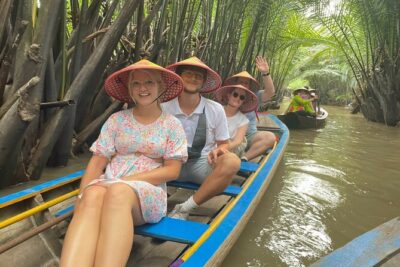
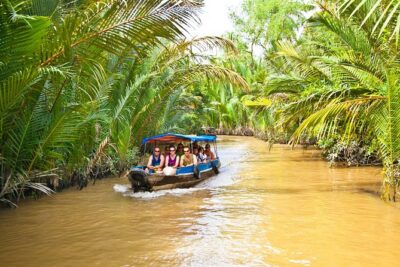
Catching the Mekong by boat feels like time travel. This 2-day trip from Ho Chi Minh City trades big-city rush for slow water streets, early floating-market mornings, and hands-on time with local food and daily life. You’ll float through markets, pedal and paddle through riverside villages, and learn real skills with an included cooking class.
What I like most is how much is covered without you juggling tickets or transport. Pickup from HCM City and an English-speaking guide mean you can focus on the experience, not logistics, and the small group (max 10) keeps it friendly.
One consideration: the days run long and start early. Day 1 is about 12 hours and Day 2 about 10, with very early departures for market timing, so if you hate early mornings, this may feel like a workout.
In This Review
- Key things to know before you go
- Why this Mekong Delta trip feels different from a basic tour
- HCM City pickup and the smooth start to a very long day
- Day 1: Cai Be Floating Market plus craft stops and snack-worthy food
- Overnight: 4-star hotel or a home-stay night (and how to choose)
- Day 2: Cai Rang Floating Market at dawn (yes, it’s early for a reason)
- Stork sanctuary and rice paddies: the calm break between boat scenes
- The included activities: biking and kayaking (how to get the most out of them)
- The cooking class: why it’s more useful than you’d think
- Guides can make or break this kind of trip
- Price and value: what you’re really paying for at $245
- When to book and what to bring for comfort
- Should you book this Mekong Delta 2-Day tour?
- FAQ
- What’s included in the tour price?
- Do I get hotel pickup in Ho Chi Minh City?
- How big is the group?
- What floating markets will you visit?
- Are there scheduled start times?
- What activities besides the boat trip are included?
- What kind of accommodation is included for the night?
- Can I get a full refund if I cancel?
Key things to know before you go
- Two different floating markets: Cai Be first, then Cai Rang the next morning.
- Active extras are included: biking and kayaking, not just sitting on a boat.
- Food and craft stops are built in (chocolate-making, plus noodle and rice paper production).
- A stork sanctuary visit around traditional rice paddies adds a calm contrast to market energy.
- Small group size (up to 10 travelers) helps you get more out of the guide’s explanations.
- One night included in either a 4-star hotel or a home-stay setting (with home-stay dinner included).
Why this Mekong Delta trip feels different from a basic tour
The Mekong Delta can feel like a blur when you only see it from one angle. This one spreads your time across the water, the banks, and the kitchens—so you get the region’s rhythms instead of a checklist.
I also like the pacing. Floating markets can be sensory overload, but pairing them with biking, kayaking, and a food class helps you reset your brain between the busier scenes. It’s not just pretty boats—it’s how people work, eat, and trade.
Finally, the small group matters more than it sounds. With a max of 10 travelers, you’re less likely to get lost in the crowd and more likely to ask questions (and actually hear the answers).
You can also read our reviews of more city tours in Ho Chi Minh City

HCM City pickup and the smooth start to a very long day
You’re picked up from Cư Xá, Ke Q2 Hoàng Diệu in District 4, and you return there at the end. The trip includes a brand new minivan, drinking water, and an English-speaking guide, which helps a lot when the schedule is tight and the departure is early.
You’ll feel the “transfer-heavy” nature of Mekong tours here—because you’re going from Ho Chi Minh City out into the delta. One review mentioned a long drive, and that matches what you should expect: you’re buying convenience to make the ride pass more easily.
If you want the day to feel less painful, plan on resting during the drive. It’s the easiest way to stay cheerful once you’re out on the water.
Day 1: Cai Be Floating Market plus craft stops and snack-worthy food
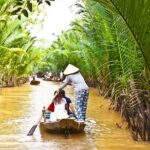
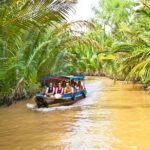
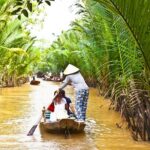
Your first morning starts with hotel pickup at 7:30 AM. The centerpiece is Cai Be Floating Market, where you’ll see the floating trading style up close—boats packed with goods, sellers working the water lanes, and the whole place set on a slower tempo than the city.
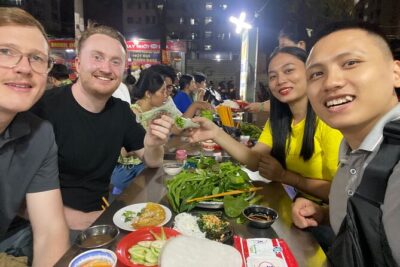
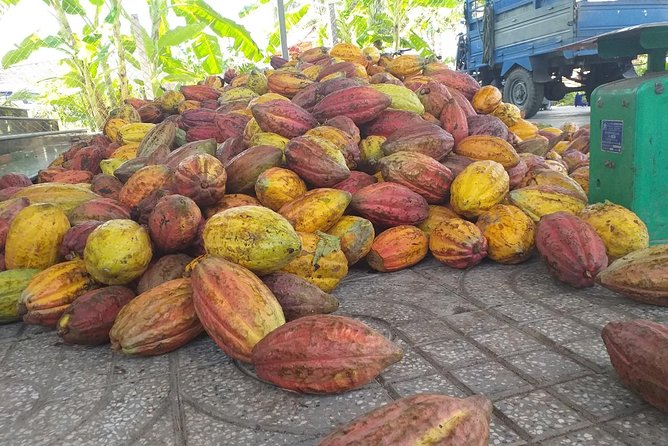
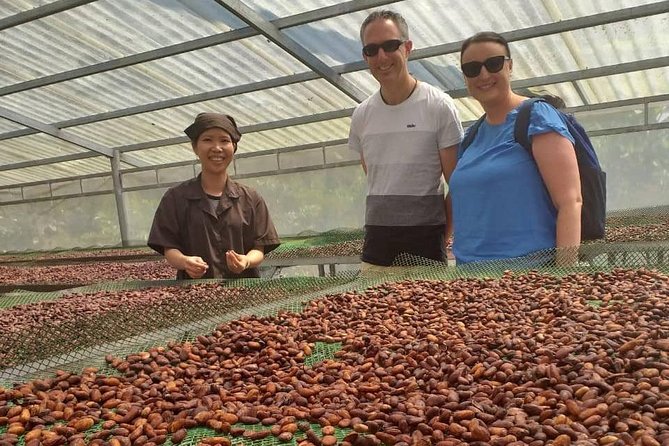
What makes this stop more than a photo stop is the surrounding context. After the market time, you get chances to see local production and traditional products. The trip includes a visit to Kimmy Chocolate Manufacture, plus time in a village setting connected to traditional items like popped rice cake. If you like learning how everyday snacks are made, this is the kind of stop that turns your day from scenery into understanding.
One small drawback to consider: Cai Be, like most famous markets, is built for visitors as well as locals. So if you expect a quiet, private moment on the river, you might find the atmosphere more tour-shaped than wild.
Still, this day is a good trade: you get market views plus real food/craft texture before you settle for the night.
Overnight: 4-star hotel or a home-stay night (and how to choose)
This trip includes one night either in a 4-star hotel or a home-stay. If your group ends up in a home-stay, dinner is included, which can be a nice bonus if you want the day to end with minimal decision-making.
In at least one past experience, the overnight was in a Can Tho hotel—so you may get a more traditional hotel setup depending on the departure. Either way, the fact that your accommodation is included is a big value point. You’re not paying extra on the fly or scrambling to find a place at the right distance from the next morning’s plans.
My practical tip: pack like you’ll be moving fast. Even with a comfortable stay, you’ll have an early start the next day, and the delta schedule doesn’t wait for slow mornings.
Day 2: Cai Rang Floating Market at dawn (yes, it’s early for a reason)
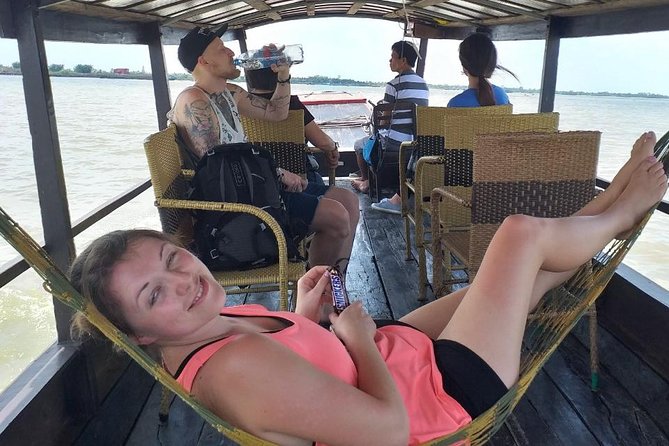
Day 2 begins with breakfast, and then you’re picked up again after 6:30 AM. The drive to Cai Rang takes about 40 minutes, and the timing is set so you can catch the market when it’s at its most active.
Cai Rang is often the highlight floating market on Mekong trips, and this one aims for that early window. One guide-led experience in the past even noted leaving around 5:30, and the logic is simple: the best viewing times don’t happen at a leisurely breakfast pace.
The payoff is worth it if you’re awake enough to enjoy it. You’ll see boats arranged around trade lanes, you’ll watch the flow of goods, and you’ll notice how the market works as a system—not just as a pretty scene.
The trade-off is obvious: you’ll feel the early wake-up. If you’re the kind of person who needs time to turn on, bring a bit of patience (and maybe some lip balm for the morning air).
You can also read our reviews of more shopping tours in Ho Chi Minh City

Stork sanctuary and rice paddies: the calm break between boat scenes
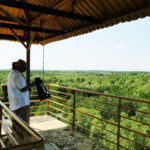
After the market energy, the trip includes a stork sanctuary surrounded by traditional rice paddies. This part is valuable because it changes the visual and soundscape. You go from busy water trading to a quieter, nature-centered setting where the delta’s agriculture shows up more clearly.
A bird sanctuary visit also gives you a different kind of learning. Instead of focusing only on commerce and craft, you get a look at how the delta ecosystem connects to daily rural life.
If you’re traveling with someone who gets “marketed out” quickly, this stop is a good reset. It’s also a nice timing break before the trip’s active components ramp up again.
The included activities: biking and kayaking (how to get the most out of them)
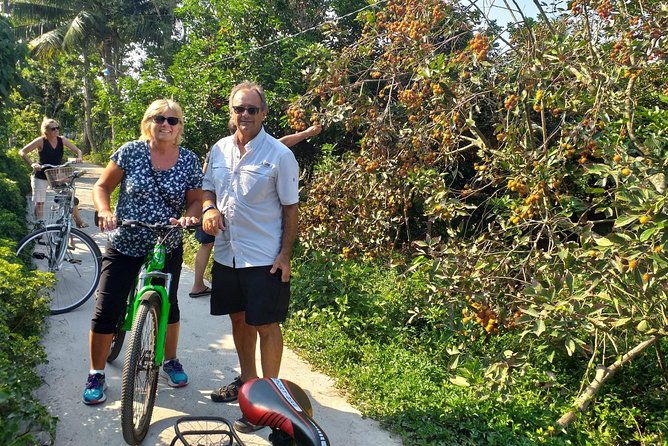
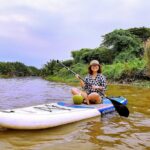
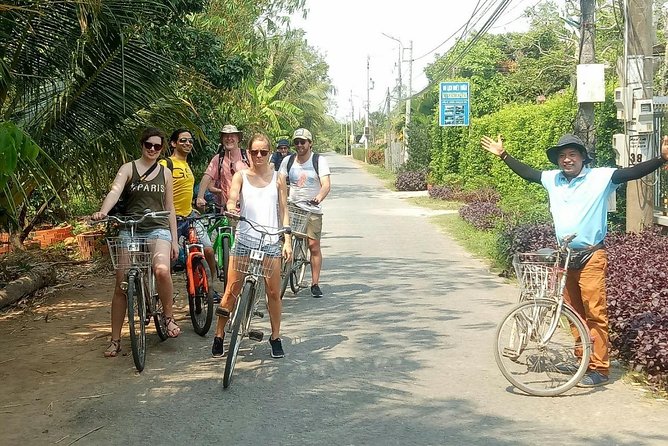
This tour doesn’t keep you boxed inside a vehicle all day. Boat time is included, but you also get biking and kayaking as part of the experience.
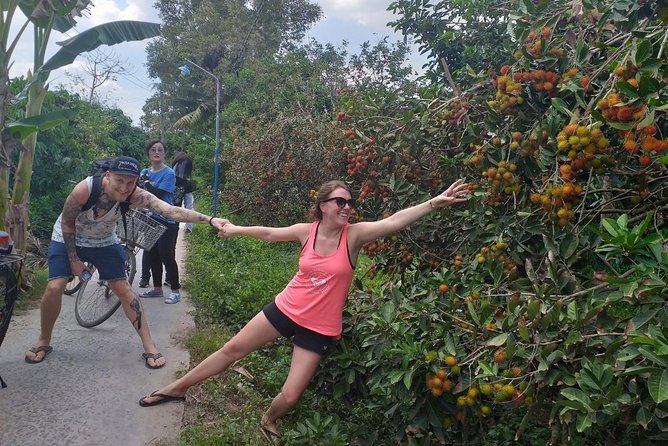
Here’s why that matters: floating markets are exciting, but they’re also limited by viewing angles. Biking and kayaking put you closer to river edges, village paths, and calmer side waterways where you can get a better sense of scale.
You’ll also come away with a more personal memory than another set of river photos. Even if you’re not an athlete, the point is participation, not performance. Take it easy, keep water nearby, and treat it like a guided way to understand the region up close.
Practical thought: bring shoes you don’t mind getting damp. Kayaking and river activities mean you should expect some moisture and uneven surfaces.
The cooking class: why it’s more useful than you’d think
A Vietnamese cooking class is included, and I like this kind of add-on because it creates a lasting skill. Markets and workshops are great, but cooking ties it to taste.
What you can realistically expect from an included class is guidance on ingredients and preparation, plus a chance to see how the dishes you eat daily are actually made. It’s also a way to practice local food vocabulary with your guide while you’re already relaxed from the day’s activities.
One practical tip: watch how the guide handles timing. Many Mekong dishes are simple but timing matters, especially when you’re working near hot surfaces and you’re moving as a group.
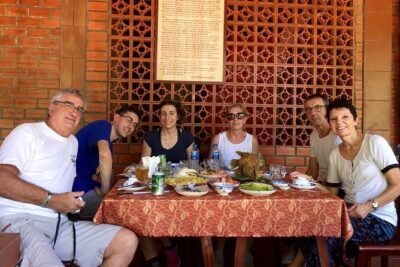
And yes, you’ll probably eat more than you planned. That’s the job description of a food-focused Mekong day.
Guides can make or break this kind of trip
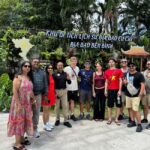
A major theme in these experiences is guide quality. English-speaking guides like Tony, Jason, Tri, Linda, Zedd, Hoa, and Peter show up across different departures—so while the name changes, the focus seems consistent: storytelling, clear explanations, and an easygoing style that keeps the pace from feeling heavy.
I consider that crucial. When you’re in places like floating markets and sanctuaries, it helps to know what you’re looking at. A good guide also helps keep the experience from becoming a rapid shuffle through stops.
If you’re picky about communication, choose departures that emphasize English guide service (this one does). When timing is early and the schedule is full, language clarity saves your energy.
Price and value: what you’re really paying for at $245
At $245 per person for 2 days and 1 night, this tour is priced like an all-in experience. That’s important because the delta is one of those regions where you pay in time and transport stress unless someone bundles it.
What’s included makes the cost easier to swallow:
- Pickup and return from HCM City
- Boat time plus biking and kayaking
- Entrance fees for included stops
- Breakfast and lunches (and home-stay dinner if you end up in a home-stay)
- A guide, drinking water, and a vehicle with A/C
The biggest value play is that you’re not separately booking river transport, activity rentals, or multiple entrances. That can add up fast on your own, and it can also eat into your enjoyment because you’re managing details while you’re supposed to be relaxing.
So the fair way to judge this price: if you want one organized package that covers the water, the villages, and the food, $245 is reasonable for what gets included. If you’d rather DIY the delta and build your own route, you may find cheaper options—but you’d be giving up convenience and the included activities.
When to book and what to bring for comfort
Because the days run long, comfort planning matters more than souvenirs.
Consider bringing:
- Light layers (mornings can feel cooler before the heat builds)
- Sun protection (a hat helps when you’re on boats and outdoors)
- Shoes that handle damp conditions
- A small day bag for water and personal items
- Any motion-sickness support you personally use (river schedules can involve longer drives)
If you hate losing sleep, buffer your energy the night before. These market times are set for a reason, and you’ll enjoy the floating scenes more when you’re not running on fumes.
Should you book this Mekong Delta 2-Day tour?
I’d book it if you want the Mekong Delta in one tidy package with floating markets plus hands-on activities. This is a good fit for first-timers who don’t want to spend time planning river routes, and it’s also great for food lovers because the chocolate/craft stops and cooking class give you more than scenic views.
I wouldn’t book it if you strongly dislike early mornings or long days. The timing is tight (Day 1 is about 12 hours, Day 2 about 10), and the early market starts are part of what makes the floating markets worth it.
One final check: if your ideal trip is quiet and spontaneous, this will feel structured. But if your ideal trip is guided, active, and packed with real delta moments, this one delivers.
FAQ
What’s included in the tour price?
The tour includes breakfast, two lunches, all entrance fees, boat trips, bicycle and kayaking, an English-speaking guide, drinking water, and one night in a 4-star hotel or a home-stay (with home-stay dinner included).
Do I get hotel pickup in Ho Chi Minh City?
Yes. Pickup is offered from Ho Chi Minh City, and the tour ends back at the meeting point in District 4.
How big is the group?
This experience has a maximum of 10 travelers.
What floating markets will you visit?
You’ll visit Cai Be Floating Market on the first day and Cai Rang Floating Market on the second day.
Are there scheduled start times?
Day 1 pickup is at 7:30 AM. On Day 2, breakfast happens before the hotel pickup at around 6:30 AM.
What activities besides the boat trip are included?
Biking, kayaking, and a Vietnamese cooking class are included.
What kind of accommodation is included for the night?
You’ll have one night either in a 4-star hotel or in a home-stay, and home-stay dinner is included if you stay in the home-stay option.
Can I get a full refund if I cancel?
You can cancel up to 3 days in advance for a full refund. If you cancel less than 3 full days before the experience starts, the amount paid will not be refunded.