REVIEW · HO CHI MINH CITY
Ho Chi Minh City Half Day or Full Day Tour
Book on GetYourGuide →Operated by Asian Travel Discovery · Bookable on GetYourGuide
Saigon can feel like a blur unless you have a plan. This tour gives you that plan, with a smart route that hits the city’s French-colonial architecture, major war-history stops, and Chinatown, then wraps with a river ride on the Saigon Water Bus.
I especially like how the itinerary links places that explain each other, so Saigon’s story doesn’t feel like random sightseeing. Independence Palace and the War Remnants Museum are heavy, but they connect to everything you see next, including the city’s European-era buildings.
One possible drawback to keep in mind: some departures can run with extra waiting, especially around pickup and water-bus ticket timing, so you’ll want a little patience built in.
If you care about architecture and street-level culture, this one has two strong pulls. I like the pairing of the Saigon Central Post Office and Notre Dame Cathedral, both iconic and great for photos even if you’re not a “cathedral person.” I also like that Cho Lon and Binh Tay Market put you in the heart of Chinatown with real daily bustle—stalls, commerce, and local routines—rather than just a quick look at a landmark.
The other consideration is language. English-speaking guides are offered, but if you book in another language (there’s a surcharge), or if you’re sensitive to clarity, you should confirm you’ll understand the guide well enough to follow the context.
In This Review
- Key things I’d budget your attention for
- A tight Saigon loop: Independence Palace to the Water Bus
- Independence Palace: where French grandeur meets big political moments
- War Remnants Museum: emotional exhibits with real historical weight
- Notre Dame Cathedral plus the Saigon Central Post Office by Eiffel
- Lunch and timing: a break that actually matters
- Cho Lon and Binh Tay Market: Chinatown’s wholesale heartbeat
- Thien Hau Pagoda: a calm, incense-filled pause
- Bach Dang Wharf and the Saigon Water Bus: river views plus modern contrasts
- Price and logistics: why $30 can be a good deal, and when to be careful
- Who this tour fits best (and who should skip it)
- Should you book this Ho Chi Minh City tour?
- FAQ
- How long is the Ho Chi Minh City tour?
- How much does the tour cost?
- Where does the tour pick up and drop off?
- Is there an English-speaking guide?
- What are the main stops on the itinerary?
- Is the lunch included?
- Are entrance fees included?
- What transportation is provided?
- What is not included in the tour price?
- What’s the cancellation policy?
Key things I’d budget your attention for
- Independence Palace: look for the French-era grandeur alongside the decision-making spaces.
- War Remnants Museum: expect emotional exhibits and come ready for that tone.
- Eiffel’s design connection at the Central Post Office: it’s a standout stop with lots of detail to notice.
- Cho Lon and Binh Tay Market: walking through wholesale-market energy is the real “Chinatown” experience.
- Thien Hau Pagoda: incense, devotion to the sea goddess, and calm breaks from the street.
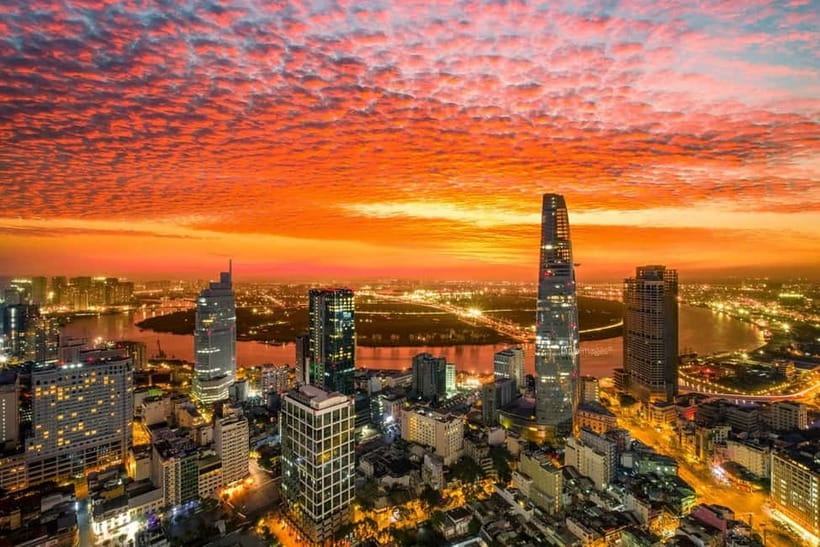
- Bach Dang Wharf to the Water Bus: views along the river, including modern skyline landmarks.
A tight Saigon loop: Independence Palace to the Water Bus
This is a classic “best of Saigon” format, built around two themes. First, you move from political history into war memory, then you shift into the city’s French-era look and Chinatown’s daily life. Second, you end with a change of pace on the water, which is a smart way to reset your brain before the ride back.
The time commitment is flexible: you can find options that fit about 4 hours up to a full day, depending on the departure. If you’re doing the full route, plan on a later finish in the evening, with your guide dropping you off around 6:00 PM at your hotel or meeting point.
You’ll travel by AC car for the city legs, and you’ll get bottled water on board. Entrance fees are included, which matters in Vietnam because it saves you from random add-on payments mid-tour.
You can also read our reviews of more city tours in Ho Chi Minh City



Independence Palace: where French grandeur meets big political moments
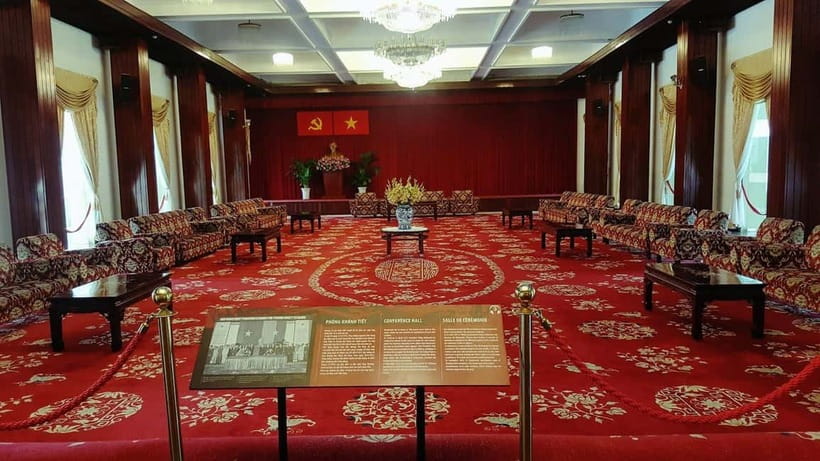
Independence Palace (also called Reunification Palace) is the opening anchor. It’s described as a symbol of Vietnam’s past and resilience, and you’ll feel that immediately once you’re inside.
The palace experience has two parts you should pay attention to. One is the French-influenced architecture and the sense of preserved luxury—big rooms, elegant layouts, and gardens you can slow down in. The other is the narrative element: the guide walks you through what leaders once did there, including stories tied to secret chambers and decision spaces.
Even if you’re not a museum person, this stop works because it’s visual. You can look at rooms like an observer, then let the guide’s story add meaning. You might spend less time here than in a stand-alone palace visit, but the payoff is that the tour moves on while the context is still fresh.
Practical tip: wear comfortable shoes and don’t rush your photo stops. The building has details, and if you move too fast you’ll miss the architectural cues that make the place feel unique.
War Remnants Museum: emotional exhibits with real historical weight
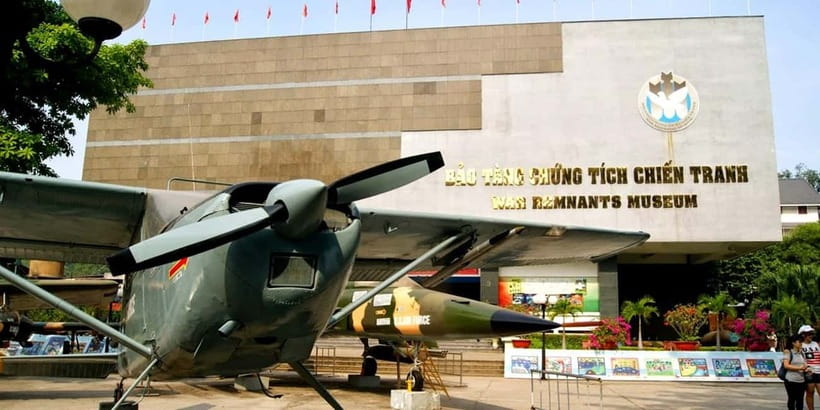
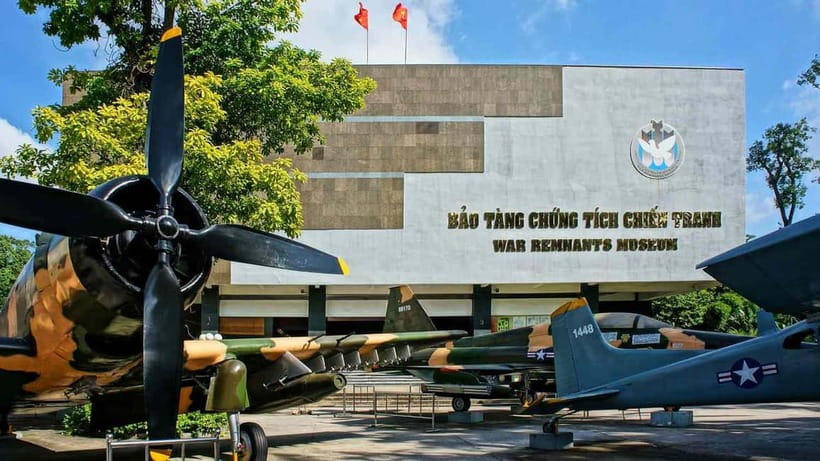
Next comes the War Remnants Museum. This stop is the emotional centerpiece, with exhibits, historic photographs, and wartime artifacts designed to show the pain and loss Vietnamese people endured.
You should go in with the right expectations. This isn’t a quick scan and then out the door. Some displays can be intense, and the power here is in how the museum frames suffering alongside courage. If you’re traveling with teens or anyone who gets overwhelmed easily, it’s worth mentally flagging that you might want to step out briefly.
From a tour-value angle, this museum is essential because it changes how you read the city’s other landmarks. After this, the French-era buildings and the political spaces inside Independence Palace don’t feel like decoration. They start to feel like chapters in one bigger story.
Notre Dame Cathedral plus the Saigon Central Post Office by Eiffel
After the heavier history, the tour swings to architecture. Two major stops handle the “look up and appreciate” part of your day.
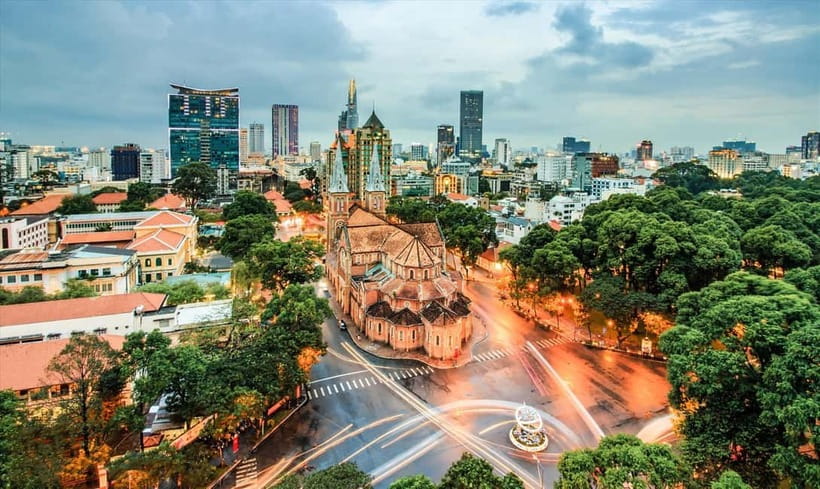
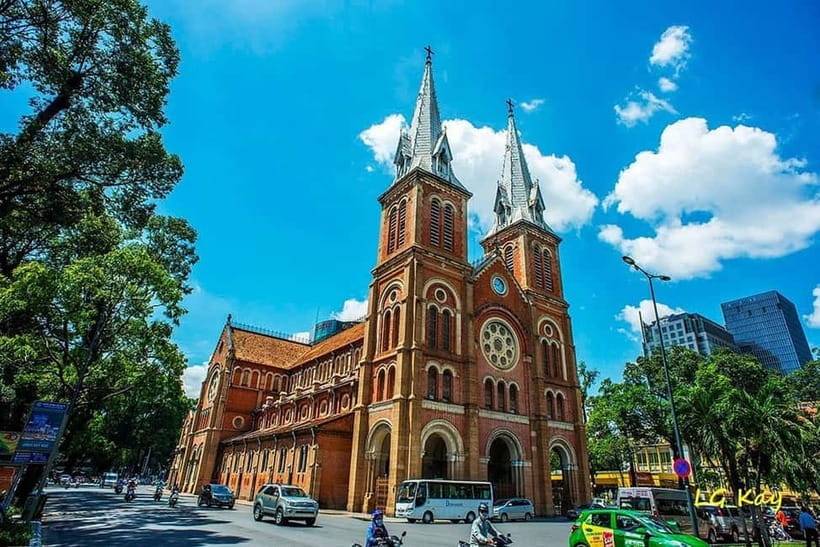
First is Saigon Notre Dame Cathedral, also called the Cathedral of the Virgin Mary. It’s been standing for over a century and is loved by locals and couples taking wedding photos. Even if you’re not there for portraits, the building’s presence is the point—you’ll see why it became an iconic landmark rather than just another church.
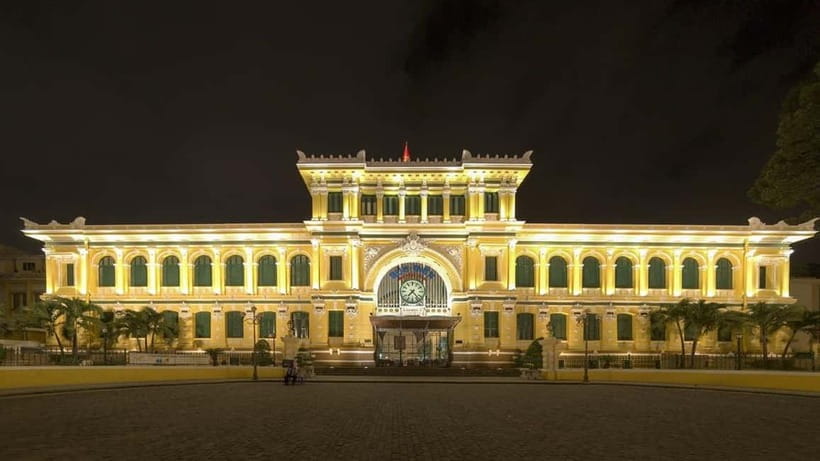
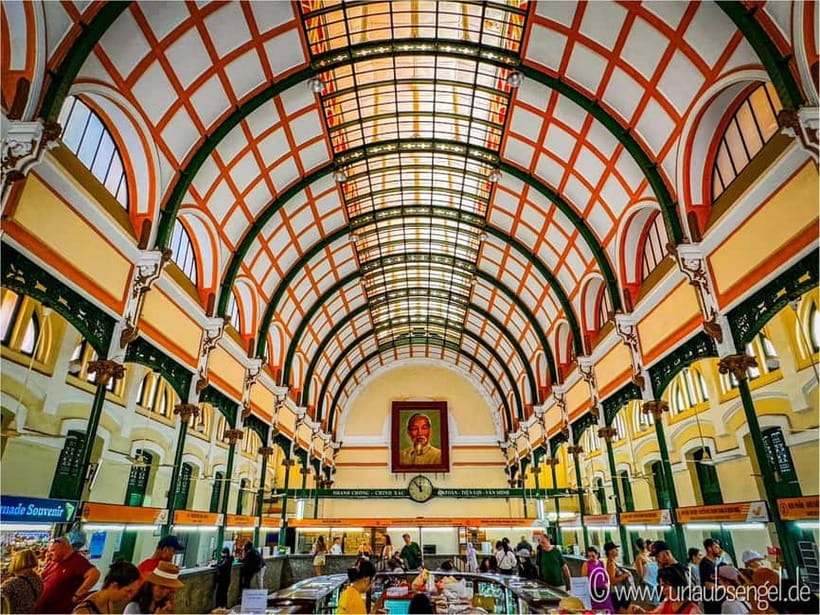
Then you cross to the Central Post Office, designed by Gustave Eiffel, the mind behind the Eiffel Tower. This is where the tour earns its keep. The ornate French colonial look and the detailed patterns aren’t only decorative; they help you understand how French influence shaped visible parts of Saigon’s identity.
What to do here:
- Slow down for the façade details.
- Look for symmetrical features and repeating patterns rather than just snapping one broad photo.
- Use this time to break from crowds and reset after the museum.
One small thing to watch: with cathedral-and-post-office days, you can run into photo crowds. If that happens, don’t fight it—move to angles that work from the sidewalk and keep your momentum.
Lunch and timing: a break that actually matters
Lunch is listed as optional, meaning it may or may not be included depending on your specific booking setup. The tour says you’ll enjoy a Vietnamese lunch at a local restaurant, but because it’s optional, confirm what your exact plan includes before you’re hungry and standing there with no clarity.
Even without lunch included, treat this block as your chance to recharge. Saigon heat and long walking stretches can wear you down faster than you expect. With an AC car available, it’s tempting to take everything lightly—but you’ll enjoy Chinatown more if you eat and hydrate before you head into the market area.
If you’re sensitive to spicy food, this is the time to be honest with your guide. The itinerary assumes you’ll eat “Vietnamese lunch,” but your comfort matters more than checking a box.
You can also read our reviews of more tours and experiences in Ho Chi Minh City





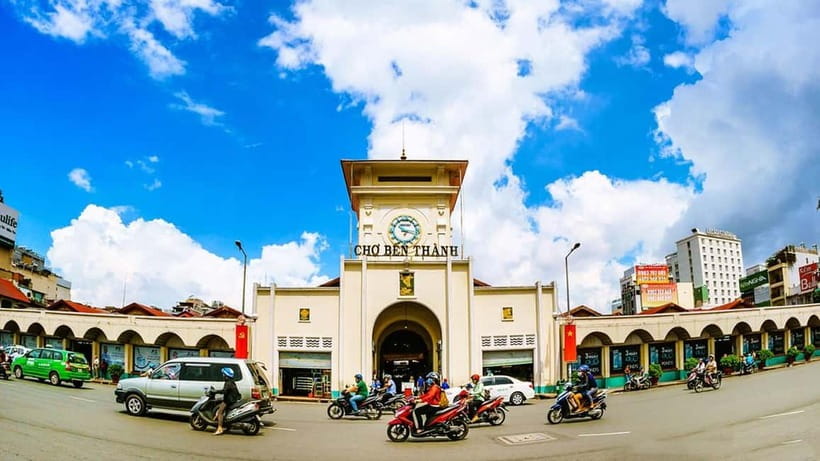
Cho Lon and Binh Tay Market: Chinatown’s wholesale heartbeat
Afternoons shift to Cho Lon and Binh Tay Market, described as the city’s most famous wholesale market in Chinatown (Districts 5 and 6). This isn’t a museum stop. It’s a working area where market life is part of the view.
What you’ll notice fast is the pace. Stalls, people moving goods, and the feel of commerce happening in real time. This stop is valuable because it shows Chinatown as a community with continuity, not just a themed district for tourists.
When you walk through, don’t only look for souvenirs. Try to notice the structure of the market: how goods are grouped, what people are buying, and how the crowd moves. Those small observations help you understand why the area matters beyond its photos.
If you’re worried about shopping pressure, it’s still a walking experience first. You can browse without buying. Just keep your pace steady so you don’t get separated from the group.
Thien Hau Pagoda: a calm, incense-filled pause
After the market energy, you’ll visit Thien Hau Pagoda, one of the oldest and most sacred temples in Chinatown. It’s dedicated to the Goddess of the Sea, and locals come here for peace, luck, and prosperity.
This stop works as a pressure-release valve. Markets can be loud and crowded; the pagoda gives you a quieter rhythm with incense-filled halls and intricate temple architecture. It’s also a chance to observe daily devotion rather than focusing only on big tourist moments.
Etiquette matters in places like this. Keep your voice down, dress respectfully, and avoid blocking worshippers for photos. If you’re unsure, watch what locals do and follow their lead.
Bach Dang Wharf and the Saigon Water Bus: river views plus modern contrasts
The tour ends at Bach Dang Wharf, where you board the Saigon Water Bus. This is a great contrast stop: you leave the streets, get a moving view, and see Saigon’s layers from the river.
The route passes by notable modern landmarks like Landmark 81 and Thu Thiem Bridge, then you get that sense of how the city has grown around its waterways. The “wow” factor here is timing. If you’ve been surrounded by buildings all day, the river perspective feels like a breath.
This is also where timing can get tricky. One of the practical issues that can pop up on tours is coordination—especially when tickets or check-in don’t line up smoothly. If your schedule is tight, build in some flexibility and don’t plan a super exact next appointment immediately after the river segment.
Best approach: enjoy the ride. Let the guide handle the logistics. Your job is to sit, look, and notice how the skyline changes as the boat moves.
Price and logistics: why $30 can be a good deal, and when to be careful
At around $30 per person, the value equation looks pretty strong, mainly because several big-ticket items are included. You get pickup and drop-off in central Saigon, an English-speaking guide, an AC car, entrance fees, bottled water, and a guided route that hits multiple major sites. Lunch can be optional depending on your booking, but when it is included, that’s another cost you don’t have to manage.
Still, it’s worth being realistic. A tour with several stops across several neighborhoods has natural risks:
- Group pickup and drop-off may take longer than expected.
- Water-bus segments can require tighter coordination.
- Guide clarity can vary.
Language clarity is the most personal one. In feedback you’ll see that some guides can explain well and be patient, while others may be hard to follow if your English comfort is high. In the positive side, names like Soli come up for being very good at explaining things and staying patient. Another name, Tuco, shows up as a strong guide who made the experience work even when plans got mixed up. That tells you something important: a good guide can turn a rushed schedule into a meaningful day, and a rough guide can make an otherwise solid itinerary feel chaotic.
So what should you do? A small checklist before you go:
- Confirm the language you’ll get and ask if there’s a specific guide assigned.
- Know your pickup point and be ready a bit early.
- Bring patience for the water-bus timing piece.
- If you’re doing a day with tight constraints, choose the half-day option only if you’re skipping the river segment.
Who this tour fits best (and who should skip it)
This is a strong match if you want:
- A structured way to see key Saigon landmarks without piecing together transit.
- A balanced day that includes both architecture and serious history.
- Chinatown exposure that’s more than a photo stop.
- The river ride at the end, which gives you a different angle on the city.
It may be less ideal if:
- You hate museums with heavy themes and prefer lighter sightseeing.
- You have a very strict schedule with no room for waiting.
- You’re very sensitive to guide language clarity and you need deep explanation at every step.
If you’re the type who likes to “get the story” while walking through places, you’ll probably like how the route is arranged.
Should you book this Ho Chi Minh City tour?
I’d book it if you want a practical, efficient way to cover Saigon’s big-name sights—plus Chinatown—without building your own route. The mix is well thought out: political history and war memory in the morning, French-era architecture and a post office designed by Eiffel, then Chinatown markets and Thien Hau Pagoda, and finally the river with the Water Bus.
I would hesitate if your plan is extremely time-critical or if you know you’ll struggle with coordination surprises. For the best experience, choose your start time carefully, confirm your language needs, and stay flexible around the water-bus segment.
If you can handle an itinerary that moves briskly and includes emotional content, this tour is a good-value way to see the city’s main chapters in one go.
FAQ
How long is the Ho Chi Minh City tour?
The duration is listed as 4 hours to 1 day, depending on availability and starting times.
How much does the tour cost?
The price is $30 per person.
Where does the tour pick up and drop off?
It includes pick up and drop off at the center of Saigon.
Is there an English-speaking guide?
Yes, the tour includes an English-speaking tour guide. Other languages are available with a surcharge.
What are the main stops on the itinerary?
Key stops include Independence Palace, the War Remnants Museum, Saigon Notre Dame Cathedral, the Saigon Central Post Office, Cho Lon/Binh Tay Market, Thien Hau Pagoda, and a Saigon Water Bus ride from Bach Dang Wharf.
Is the lunch included?
Lunch is listed as optional, so it may depend on your booking details.
Are entrance fees included?
Yes, entrance fees are included.
What transportation is provided?
You’ll travel by AC car and later board the Saigon Water Bus for the river portion.
What is not included in the tour price?
Toll fees and any holiday surcharge in Vietnam are not included, along with anything not mentioned in the inclusions.
What’s the cancellation policy?
You can cancel up to 24 hours in advance for a full refund, and there is also free cancellation listed under the activity terms.