REVIEW · HO CHI MINH CITY
Small Group Full-Day Cu Chi Tunnels and Mekong Trip
Book on GetYourGuide →Operated by MILLENIUM TRAVEL CO.,LTD · Bookable on GetYourGuide
Two Vietnam stories, one long day. This full-day small-group trip pairs the tense history of the Cu Chi Tunnels with a slower, sunnier river rhythm in the Mekong Delta. You’ll watch how the guerrillas lived and fought underground, then switch gears to wooden sampans, fruit, honey tea, and local folk music along the Tien River.
What I like most is how the day is guided by real people who can make complicated history feel clear and human. A guide like Dat, Min, Thai, or Peter can turn the tunnels into a step-by-step story, and you’ll feel the purpose behind every hidden space. I also love the Mekong half for its variety: cruise time, sampan rides through canals, and tastings at a family coconut candy mill in My Tho.
One drawback to plan for is the schedule. It’s a long driving day to fit two big regions, so you’ll spend serious time on the road before everything starts flowing like a river cruise.
In This Review
- Key things to know before you go
- Cu Chi Tunnels: morning pickup and why timing matters
- Inside the Cu Chi maze: traps, kitchens, bunkers, and hospitals
- Cassava and tea: the taste side of wartime history
- Lunch in between: fueled, not rushed
- My Tho and the Tien River cruise: fruit, farms, and family businesses
- Wooden sampans and canal life: why the delta feels different up close
- Timing and logistics: the road hours, the heat, and your best gear
- Price and value: what $55 covers, and why it feels fair
- Who should book this Cu Chi and Mekong day
- Should you book this Cu Chi and Mekong trip?
- FAQ
- What is the meeting point for the tour?
- What time do I need to be ready?
- Is hotel pickup included?
- What does the tour include for food and drinks?
- What activities are included in the Mekong Delta portion?
- Is the tour suitable for wheelchair users or pregnant women?
- What should I bring and wear?
- Are there any restrictions on the tour?
Key things to know before you go
- Trap doors and hidden defenses inside Cu Chi, explained by your guide in plain language.
- Living quarters next to war infrastructure, including kitchens/bedrooms and field-hospital areas.
- Wartime cassava and tea, a taste of what guerrillas relied on.
- Tien River cruising plus small-canals sampans, so you see the delta two ways.
- My Tho tastings and music, including honey tea and local performances.
- A tight end-to-end route, with an approximate 7:30 PM return depending on traffic.
Cu Chi Tunnels: morning pickup and why timing matters
This tour starts early, which is exactly what you want for Cu Chi. If you’re staying in the city center (District 1, excluding Đa Kao Ward and Tan Dinh Ward), you’ll get picked up from your hotel between 6:45 AM and 7:00 AM. If your hotel is outside that zone, you’ll meet the guide at 112 Trần Hưng Đạo Street, Ben Thanh Ward, District 1 between 7:00 and 7:15 AM so the group can leave on time.
The ride to the tunnels takes about 1.5 hours. That matters because the Cu Chi experience is more than looking at ruins. You’ll watch a short introductory video first, then move into the remaining tunnel areas with your guide. Arriving early helps you get that guided flow before the day gets crowded and chaotic.
Bring the basics that actually matter here: comfortable shoes (you’ll walk), sunglasses and a sun hat (the light outside can be harsh), and a passport or ID card. Also skip bulky luggage; the rules say no large bags.
You can also read our reviews of more tours and experiences in Ho Chi Minh City
Inside the Cu Chi maze: traps, kitchens, bunkers, and hospitals
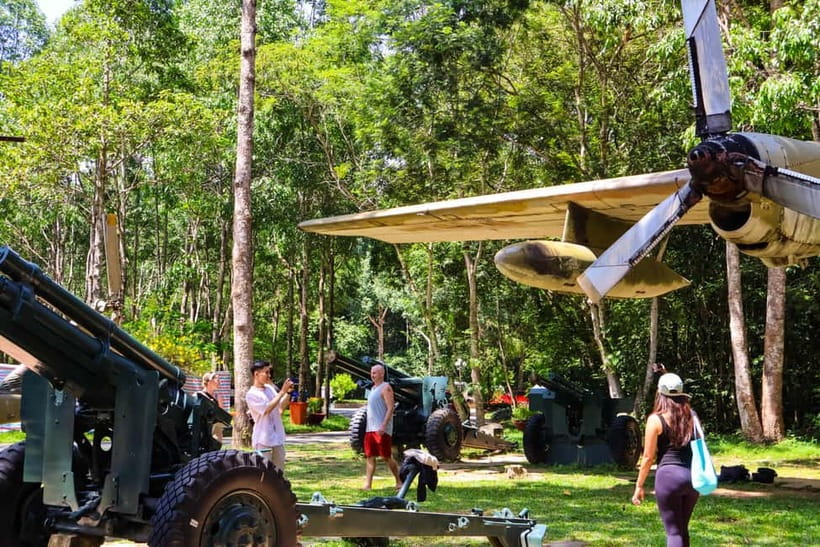
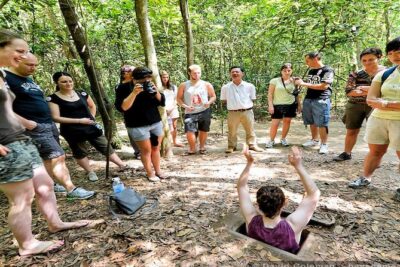
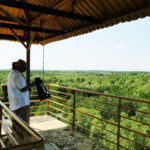
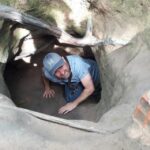
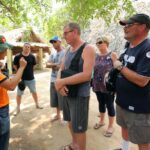
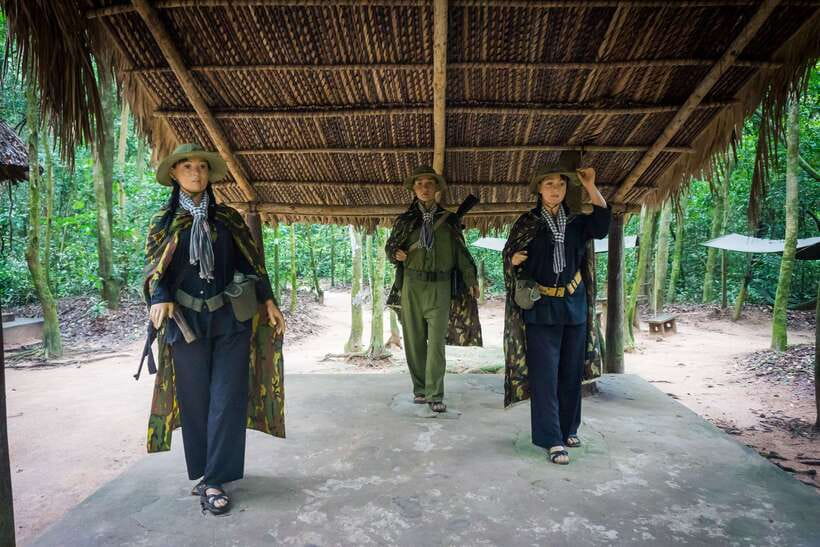
The Cu Chi part of the day is the emotional heavyweight. You’ll start with a video that explains how the tunnels were made and what Vietnamese people endured during the war period. Then comes the guided walk through the remaining network.
What you’ll see is organized around how the guerrillas survived and fought. Expect to tour areas that include:
- Hidden trap doors built for security
- Bunkers and storage spaces
- Kitchens and bedrooms placed side by side
- Weapon factories and command centers
- Field hospitals
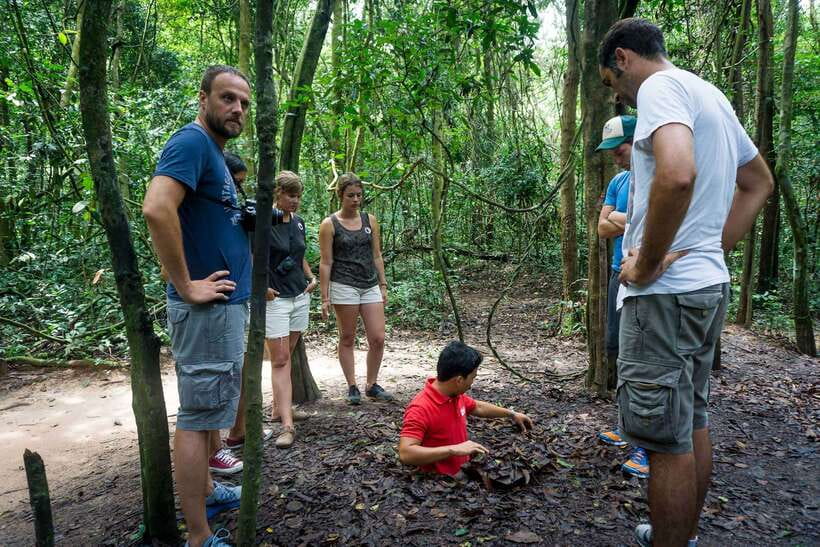
That layout is the point. This wasn’t just one long tunnel you could crawl through. It was a working underground setup with daily life and war functions intertwined. The guide will point out how the defenses worked, including dangerous traps designed to protect the network.
Here’s the practical takeaway: listen closely to the guide’s instructions. If you want the tour to feel meaningful (instead of just creepy tunnels), you need to follow the logic of what you’re shown. The best guides keep it grounded in everyday survival, not scary movie theatrics.
Cassava and tea: the taste side of wartime history
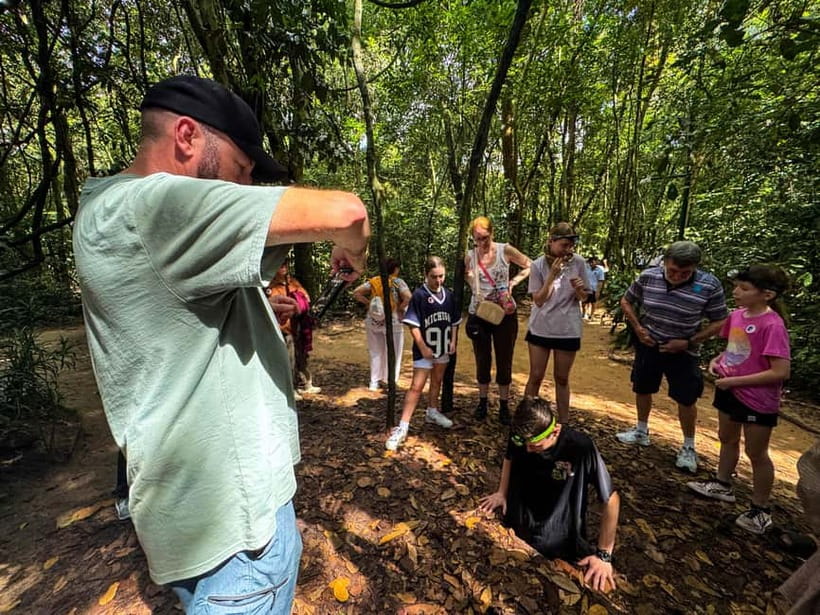
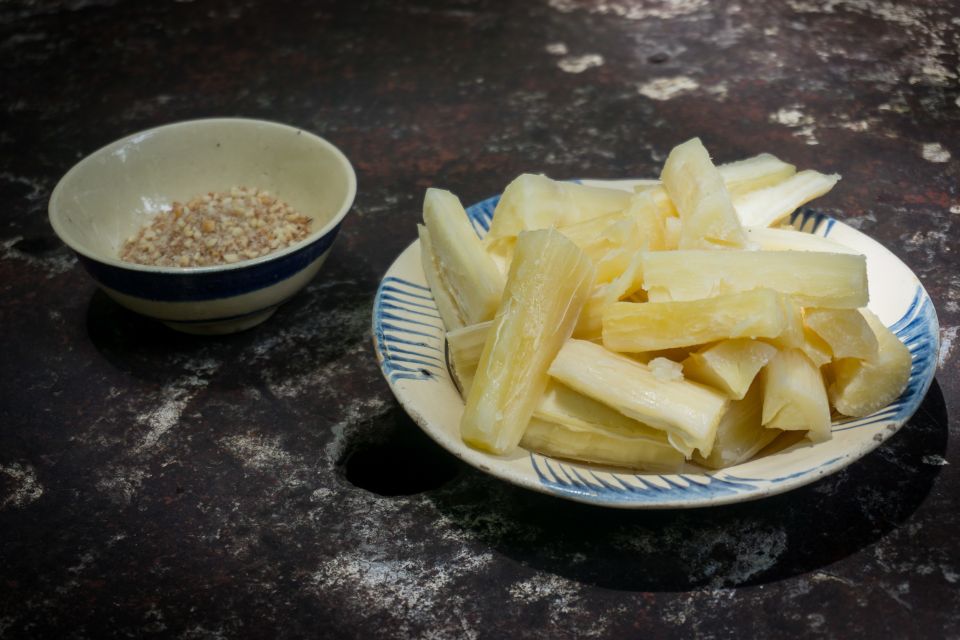
Next comes one of the most memorable parts because it hits your senses. You’ll taste cassava and tea, presented as everyday food that guerrillas relied on during wartime.
Cassava was a staple because it was practical to grow and prepare, and it kept people fed when normal supplies weren’t reliable. Tasting it isn’t just about flavor. It helps you picture what “survival food” means in real life: simple, steady, and built around necessity.
The tea comes with it, and it’s a nice palate reset before lunch and the long transition toward the Mekong Delta. This is also where you learn the tour’s balance: one half asks you to confront hard history, and the other half slows down so you can process it.
Lunch in between: fueled, not rushed
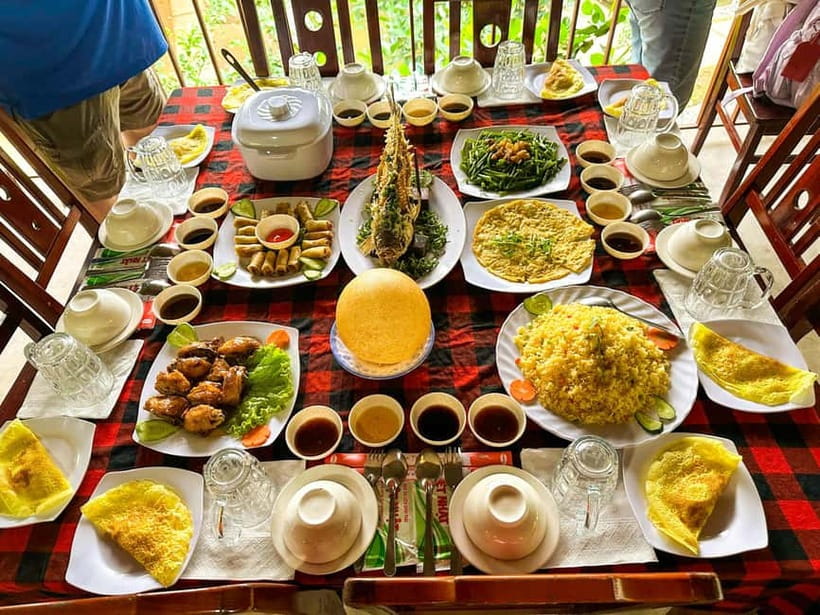
After the tunnel portion, you’ll have lunch at a local restaurant with Vietnamese cuisine. A provided meal is part of the value here, since you’re not left hunting for food while the group is moving.
This is also your “reset moment.” You’ve spent time walking and standing around the Cu Chi sites, and you’ll soon be back on the road. The tour then shifts toward My Tho and the river activities, which are easier on the body but still take time and energy.
One small practical note: the day is packed enough that you’ll likely feel better if you take lunch seriously. Eat, hydrate (you’ll have one bottle of mineral water included), and don’t plan to get hungry later.
My Tho and the Tien River cruise: fruit, farms, and family businesses
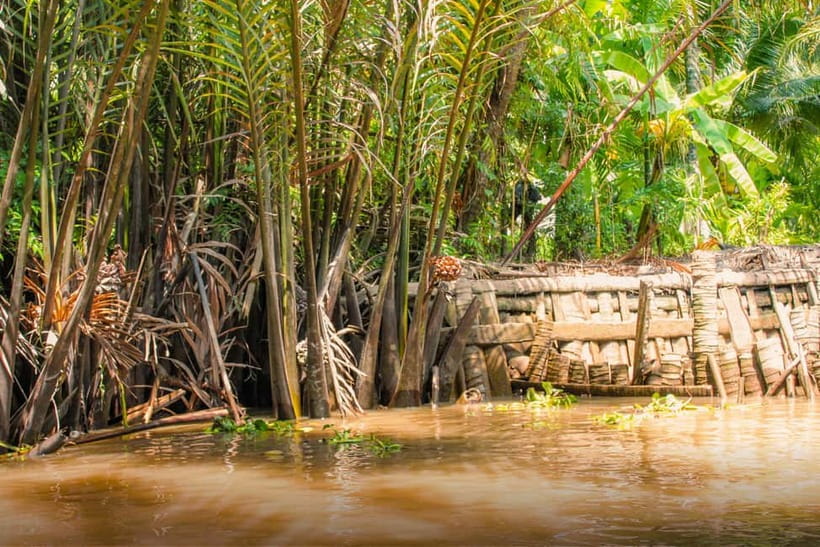
Once you land in the Mekong region, the mood changes. You’ll visit My Tho, then head out for a leisurely cruise along the Tien River.
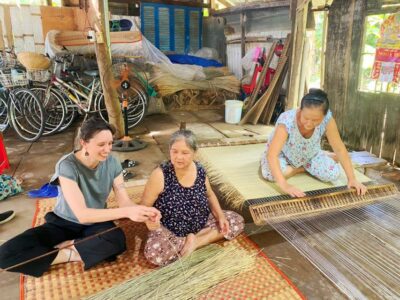
This is your chance to see the delta as people live it, not just a line on a map. Along the way, the tour includes visits tied to everyday Southern food culture, starting with a coconut candy mill that’s described as a family business. You’ll also have honey and fruit farm time built into the route.
Expect seasonal fruit and time for tastings. It’s not a museum stop. It’s the kind of place where you learn how regional sweets and ingredients connect to the local landscape.
And yes, there’s a drink moment too: you’ll have fruit and honey tea. It’s simple, but it fits the day perfectly. After the underground intensity, a warm (or soothing) tea and a river view makes the transition feel natural.

Wooden sampans and canal life: why the delta feels different up close
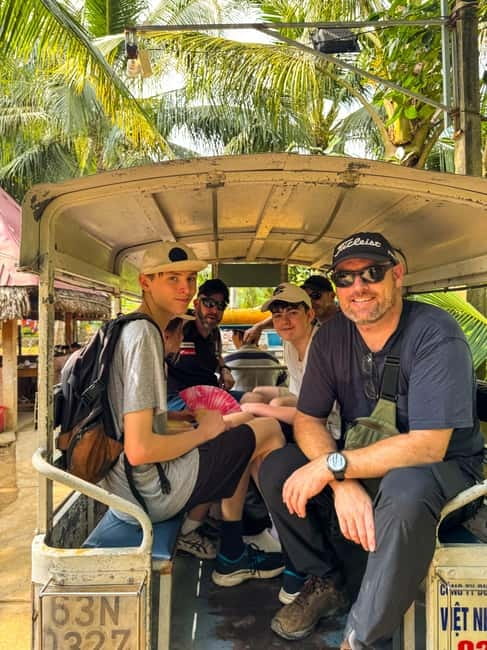
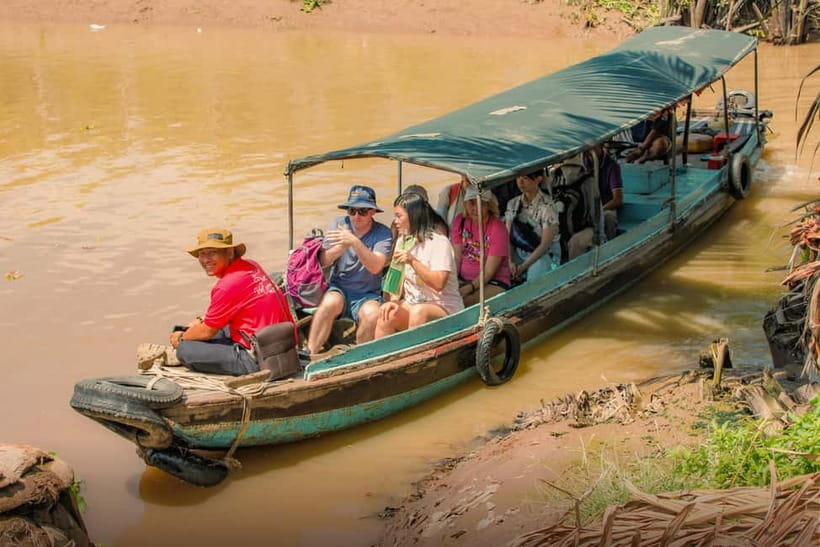
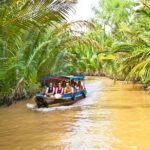
The Mekong Delta part isn’t only about cruising on open water. After My Tho and the tastings, you’ll ride wooden sampan boats down the smaller canals.
This changes what you notice. On the cruise, you see the river as a broad space. In the canal system, everything gets tighter: the feel is slower, and the surroundings feel closer to the boat. That’s when you really soak up the river-region atmosphere.
During this portion, the tour also includes a cultural element. You’ll get music performed by locals, helping you sense Southern Vietnamese folk music in a natural setting instead of in a concert hall.
If you’re the kind of traveler who likes details, this part rewards you. Listen for the rhythm while you glide through narrow water routes. It’s a break from the history of Cu Chi, but it connects to the same bigger idea: Vietnam is about survival and adaptation, whether underground or on the water.
Timing and logistics: the road hours, the heat, and your best gear
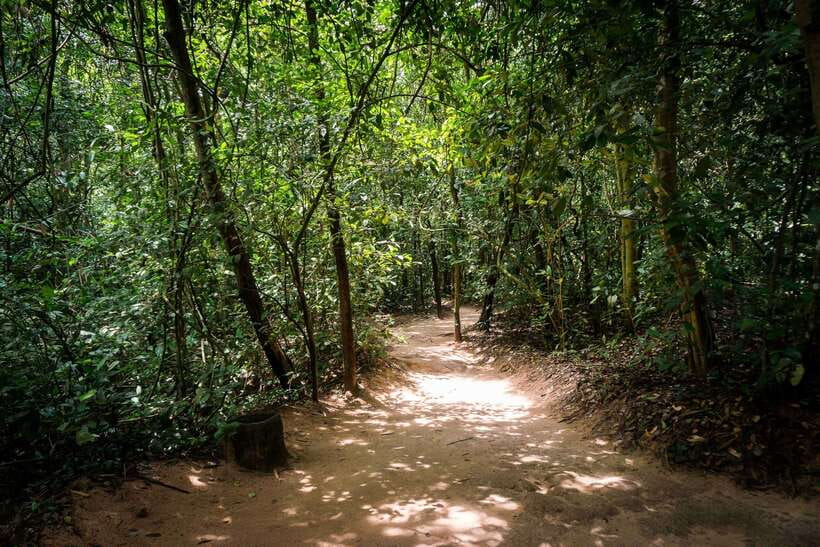
This tour is designed to fit two major experiences into one day, which means you’ll spend time in transit. Plan for a jam-packed schedule and substantial driving. One of the clearest realities here is the amount of time on the road just to connect Cu Chi with the Mekong.
To make it easier on yourself:
- Wear comfortable shoes you don’t mind getting dusty or uneven-ground tired.
- Bring a sun hat and sunglasses because exterior time in Vietnam can be bright and hot.
- Drink your provided water early, not at the end of the day.
- Keep an eye on rules: no smoking, no pets, and no large luggage.
Also, note what the tour is not suitable for: it’s not for wheelchair users, and it’s not suitable for pregnant women. That’s the kind of “know before you book” detail that can save you real hassle later.
Price and value: what $55 covers, and why it feels fair
At $55 per person, this is one of those deals that’s only “cheap” if you count what you’re getting. You’re paying for:
- Hotel pickup and drop-off (for eligible central locations)
- An English-speaking guide
- Air-conditioned van transportation
- Cu Chi entrance fees
- Boat trips in the Mekong Delta
- My Tho stop entrances
- Lunch at a local Vietnamese restaurant
- Fruit and honey tea
- One bottle of mineral water
This is the key value logic: you’re not just buying one activity. You’re buying two day anchors (Cu Chi + Mekong) plus transportation and meals, all wrapped into one smooth timetable.
Will you feel the cost of packing everything into a day? Sure. The tradeoff is time on the road. But the price still holds up because it’s hard to replicate this exact mix—tunnel history, river cruising, sampan rides, and tastings—without spending more separately.
And the guide quality matters, too. When you get an energetic, clear guide, the day feels fun and understandable, not rushed and confusing. People often talk about how guides like Min and Dat make the tour lively, with trap explanations that actually stick.
Who should book this Cu Chi and Mekong day
This is a great match if you want:
- A strong history component without spending days away from the city
- Hands-on, guided storytelling inside Cu Chi tunnels (including trap and defense explanations)
- A culture-and-nature day afterward, with river time and folk music
- Food tasting built into the route, like cassava, fruit, honey, and honey tea
It’s also ideal if you have limited time in Ho Chi Minh City and want a full-day itinerary that doesn’t feel like “one long bus ride with a stop at the end.”
If you’re someone who hates early mornings or gets cranky after hours of driving, this might feel like a sprint. But if you’re okay trading comfort for variety, it’s a smart one-day plan.
Should you book this Cu Chi and Mekong trip?
Book it if you want one ticket to two Vietnam moods: underground wartime survival and bright delta river culture. The combination works because the tour doesn’t just show sights. It pairs them with tastings, boat rides, and music, so you leave with more than photos.
Skip it or think twice if you need a slow pace, or if the idea of a tight day with lots of road time sounds unpleasant. Also keep in mind the limits for wheelchair users and pregnant travelers.
If you can handle an early start and want value at $55 for a packed full day with serious guided context, this is the kind of tour that makes one day in Ho Chi Minh City feel unusually complete.
FAQ
What is the meeting point for the tour?
The meeting point is 112 Trần Hưng Đạo Street, Ben Thanh Ward, District 1, Ho Chi Minh City. The guide meets you between 7:00 and 7:15 AM if you are not picked up from a qualifying central hotel.
What time do I need to be ready?
Pickup from eligible centrally located hotels starts between 6:45 AM and 7:00 AM. You should be in the lobby on time, and the tour finishes around 7:00 PM (19:30) depending on traffic.
Is hotel pickup included?
Yes, for centrally located hotels in District 1, Ho Chi Minh City, excluding Đa Kao Ward and Tan Dinh Ward in District 1.
What does the tour include for food and drinks?
You get lunch at a local restaurant, plus fruit and honey tea, and one bottle of mineral water.
What activities are included in the Mekong Delta portion?
You’ll cruise the Tien River, ride wooden sampan boats in the canals, visit a coconut candy mill and honey/fruit farm areas in My Tho, and enjoy local music.
Is the tour suitable for wheelchair users or pregnant women?
No. The tour is not suitable for wheelchair users or pregnant women.
What should I bring and wear?
Bring a passport or ID card, wear comfortable shoes, and bring sunglasses and a sun hat. The day includes time outdoors.
Are there any restrictions on the tour?
Yes. Pets are not allowed, smoking is not allowed, and you should not bring luggage or large bags.