REVIEW · HO CHI MINH CITY
Hands-on making 3 Iconic Coffees of South Central North Vietnam
Book on Viator →Operated by Quynh - Vietnam Coffee Journey · Bookable on Viator
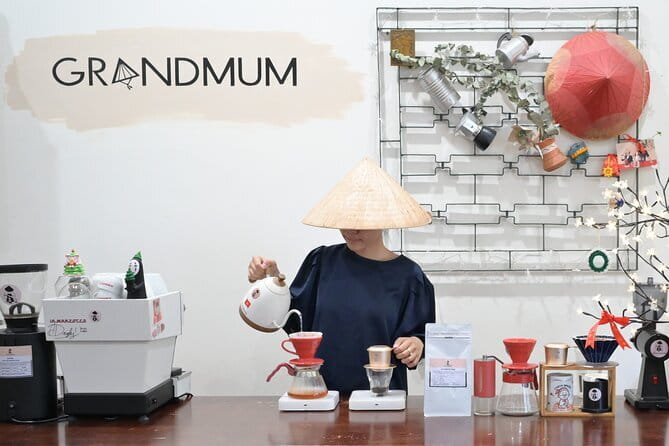
Coffee here comes with a geography lesson. In this 1.5-hour class, Quynh connects regions of Vietnam using hands-on PHIN brewing and region-by-region storytelling. I like that you do the steps yourself (including a taste comparison using a wrong method), and you come away knowing what to adjust for your own taste. The only drawback: the workshop is compact and set up like an attic space, so it’s not the place to spread out or linger slowly.
You meet in central District 1 at 27 Ngô Đức Kế, and the group max is 6 travelers, which keeps it interactive. You’ll use a mobile ticket, and the location is near public transportation, so you can fit it into a busy day without stress.
At $21.69 per person, you get a hands-on session with ingredients and equipment ready, plus snacks like cashew nuts. Even better, it’s not just one drink: you’ll practice PHIN coffee, then make three iconic styles tied to South, Central, and North Vietnam—so your time feels like more than a single recipe.
In This Review
- Key things I’d book this for
- A 90-Minute Coffee Class That Maps Vietnam from South to North
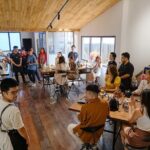
- Meet Quynh in District 1 and Settle Into a Compact Workshop
- Start With PHIN Coffee: Learn the Right Method by Tasting the Wrong One
- Saigon-Style Condensed Milk Coffee: Why the South Likes It Sweet
- Central Vietnam Salted Cream Coffee: Getting Texture and Balance Right
- Hanoi Egg Coffee: How the Capital Shows Up in a Cup
- You Get More Than Recipes: The Coffee Is the Lesson
- The Real Value of $21.69: Four Drinks, Coaching, and Small-Group Time
- Practical Tips for Getting the Most Out of Your Class
- Who This Coffee Journey Fits Best (and Who Might Skip)
- Should You Book This Vietnam Coffee Workshop?
- FAQ
- How long is the coffee making session?
- What is the price per person?
- How many coffee drinks will I make during the class?
- What’s included in the ticket price?
- What’s the group size limit?
- Where does the tour start?
- Is this a mobile ticket, and is it near public transportation?
- Can I cancel for a full refund?
Key things I’d book this for
- A wrong-way PHIN demo you can actually taste, so your next cup improves fast
- Three iconic coffee styles mapped to Vietnam’s regions, not just random recipes
- Small group setup (max 6), which means more hands-on coaching
- A host who connects coffee to culture, using history and everyday habits
- You leave with practical tuning tips for sweetness and texture
- Cashew nuts snack, because Vietnam coffee culture always feels paired with something to nibble
A 90-Minute Coffee Class That Maps Vietnam from South to North
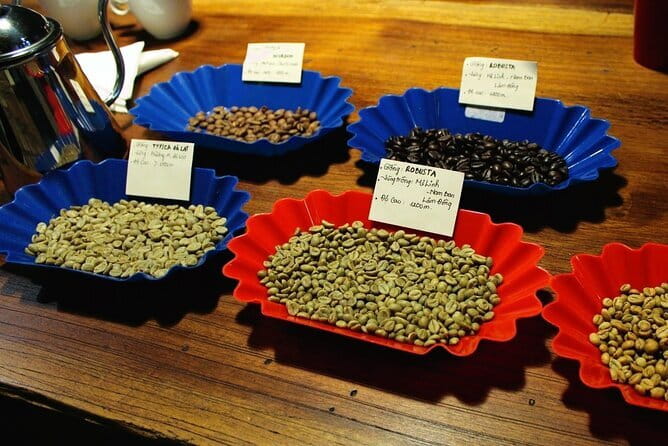
This isn’t a sit-and-smile tasting. It’s a guided workshop where you practice technique, taste differences, and learn why certain coffee styles fit certain regions.
The core idea is simple: Vietnam coffee culture changes across the country, and those differences show up in how people brew, sweeten, and treat texture. If you like learning by doing, you’ll enjoy how the host builds the story, then immediately hands you the tools.
You can also read our reviews of more tours and experiences in Ho Chi Minh City

Meet Quynh in District 1 and Settle Into a Compact Workshop
The session starts and ends back at the meeting point in Ho Chi Minh City: 27 Ngô Đức Kế, Bến Nghé, Quận 1. With a max group size of 6, the room stays focused, and you’re not stuck waiting your turn while others watch.
The workshop setup can feel small and tucked-in. That matters because it nudges the experience toward hands-on attention rather than casual wandering or scenery-gazing.
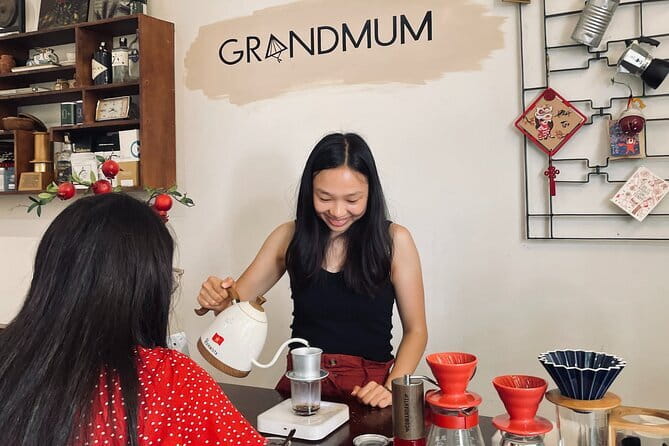
From what I’d look for in a class like this, Quynh stands out for blending technique with story. In the room, you’ll notice he doesn’t just give instructions—he frames each step as part of a bigger regional picture.
Start With PHIN Coffee: Learn the Right Method by Tasting the Wrong One

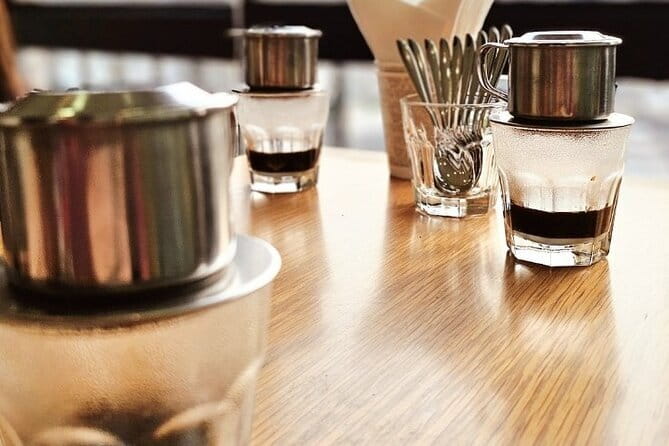
You’ll begin with a short history of Vietnamese coffee culture, then jump into PHIN coffee practice. PHIN is the signature filter method, and the class uses it as your baseline.
Here’s one of the best teaching tricks in the whole experience: you’ll see a comparison. The host deliberately makes a wrong sample while you learn the right method, so you can taste what changes when technique slips. That’s a fast way to train your palate, because you’re not guessing why something tastes off—you can connect cause and effect.
Practically, this is where you learn how method affects flavor and strength. You’ll also get coaching on how to adjust once you taste what’s in your cup, not just what the recipe says.
Saigon-Style Condensed Milk Coffee: Why the South Likes It Sweet
Next comes the most famous Vietnamese coffee with condensed milk—tied to Saigon, or South Vietnam. This part is both recipe and explanation: you’ll make the drink, then get the story behind its ingredients and how it matches local preferences.
I love that the host treats sweetened coffee as something with logic, not just sugar-for-sugar’s-sake. You learn how condensed milk changes the texture and how the flavor comes together in a way that reflects how people enjoy their coffee in the South.
You’ll also practice making adjustments to fit your own taste and mood. That matters because some people want it stronger, some want it smoother, and some want it less sweet. You’re not locked into one version.
If you’re the type who always orders coffee and then wonders why it never tastes exactly right, this section is the turning point. It gives you a framework for tuning.
Central Vietnam Salted Cream Coffee: Getting Texture and Balance Right
Central Vietnam brings a modern twist: salted cream coffee. This is the style that feels trendy because it’s all about texture—creaminess with a salty edge that makes the coffee taste more defined.
You’ll make it here, and the class includes “tricks and ingredients explained.” That phrasing is important: the salty-cream effect depends on more than just adding cream and salt. You learn how the ingredients work together and what to watch for so you don’t end up with a drink that tastes flat or separated.
This is also the part where you’ll understand how coffee culture changes across regions. Central Vietnam’s style isn’t just a flavor combo; it reflects different tastes and preferences in the middle of the country.
If you like Instagram-worthy drinks but hate when they’re all looks and no technique, this hands-on version will help you judge what makes the difference.





Hanoi Egg Coffee: How the Capital Shows Up in a Cup
The final iconic drink is Hanoi egg coffee. It’s extraordinary, and it’s also a great way to see how regional culture can show up in a single cup.
You’ll learn how to make it and the host connects the drink to the characteristics of the capital. Even if you’ve heard of egg coffee before, making it yourself helps you understand why it feels different—especially in how it tastes and how it behaves in the cup.
This section is likely to be the most memorable if you’re curious about unusual ingredients. Egg coffee is not a subtle drink, and the class helps you approach it with confidence instead of fear.
You Get More Than Recipes: The Coffee Is the Lesson
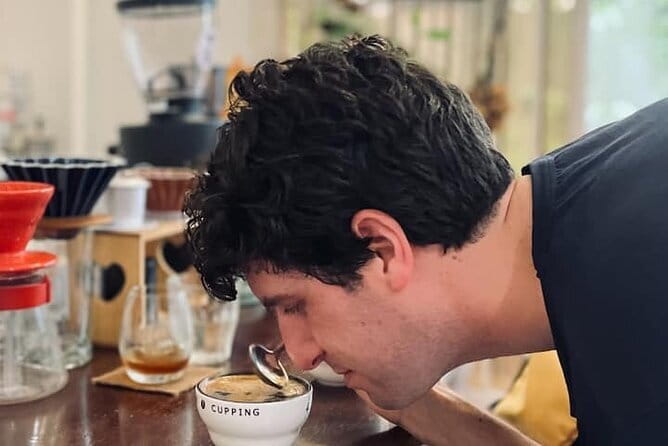
What makes this workshop genuinely useful is the way it links technique to culture. You’re shown a brief history of Vietnam coffee culture and then walked through how those patterns show up in the three regions represented by the drinks.
The host also ties everything together by talking through connections across regional history and preferences. Vietnam’s length—1,650 km—isn’t just a fun fact. It’s part of why the drinks change from place to place.
I like that you leave with the feeling that you understand the “why,” not just the “how.” If you travel, that kind of context makes coffee stops more interesting. If you’re not a heavy coffee person, the culture angle makes it easier to care.
The Real Value of $21.69: Four Drinks, Coaching, and Small-Group Time
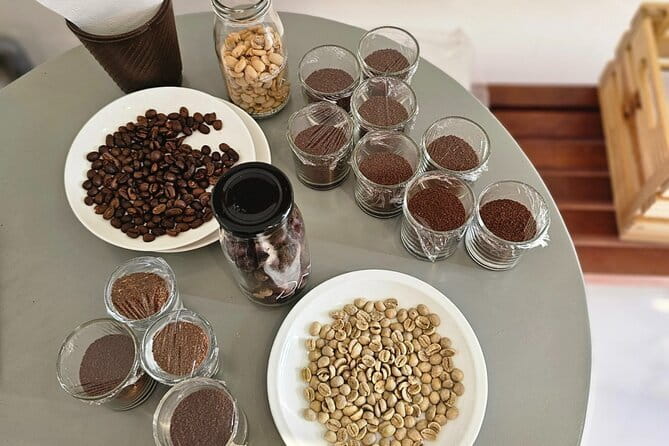
At $21.69 per person, this isn’t a cheap novelty. But it also isn’t priced like a big production tour. You get a solid chunk of guided time—about 1 hour 30 minutes—and you’re making multiple drinks, not just sampling.
Included in the price:
- Coffee and/or tea, with ingredients and equipment ready
- Hands-on making for the drink set (PHIN practice plus the three iconic styles)
- Cashew nuts snacks
The small group size of 6 also changes the value. You get more attention while you work, which usually determines whether you truly learn something or just collect photos.
One more practical touch: there may be a snack setup beyond cashews. In one account, the host even prepared what sounded like a banh mi to eat before tasting. That’s not guaranteed as a formal promise, but it matches the vibe of a coffee break that feels like it belongs in Vietnam.
Practical Tips for Getting the Most Out of Your Class
If you want this to be more than a one-time activity, go in with a couple of expectations.
First, be ready to taste differences. The class uses comparison tasting (including an intentional wrong PHIN sample), so your role is active. You’ll learn faster if you pay attention instead of rushing through.
Second, think about what you like. The host is explicitly working on making drinks that fit your taste and mood. So if you usually want it sweeter, or you prefer it less intense, say so.
Third, plan your schedule so you can linger after class. You’ll likely want to try Vietnamese coffee again later in the city armed with what you learned.
Who This Coffee Journey Fits Best (and Who Might Skip)
This is a great fit if you:
- enjoy learning by doing
- like coffee enough to notice texture and sweetness changes
- want a culture story that’s tied to real daily habits
- appreciate small groups and focused coaching
You might skip if you want a big walking tour or lots of different stops with outdoor sightseeing. This experience centers on the workshop itself, and the payoff is in tasting and technique, not in moving from landmark to landmark.
If you want more ways to explore with coffee in Ho Chi Minh City, there’s an additional longer option connected to coffee drinks via electric tuktuk. That’s worth considering if you want both hands-on making and city-time in one trip.
Should You Book This Vietnam Coffee Workshop?
I’d book it if you want a quick, high-impact experience in Ho Chi Minh City that teaches you something you can actually use. The combination of PHIN practice, three regional iconic coffees, and the teaching method of tasting right versus wrong makes it feel like you’re upgrading your coffee instincts, not just sampling drinks.
Also, at a small-group size and a moderate price, it’s good value for the time you spend. Just go in expecting a cozy workshop vibe, not a big scenic event.
If you’re even halfway curious about Vietnamese coffee culture, this class is one of the most practical ways to understand it without waiting until you’re back home.
FAQ
How long is the coffee making session?
It runs for about 1 hour 30 minutes.
What is the price per person?
The price is listed as $21.69 per person.
How many coffee drinks will I make during the class?
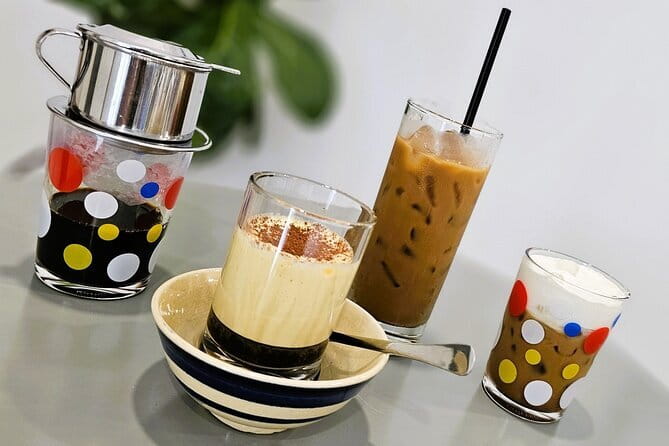
You’ll make and taste four drinks total, including PHIN coffee practice and three iconic Vietnamese coffee styles: condensed milk coffee (South), salted cream coffee (Central), and egg coffee (Hanoi).
What’s included in the ticket price?
Your ticket includes coffee and/or tea, the ingredients and equipment for the drinks, and snacks such as cashew nuts.
What’s the group size limit?
The experience has a maximum of 6 travelers.
Where does the tour start?
It starts at 27 Ngô Đức Kế, Bến Nghé, Quận 1, Thành phố Hồ Chí Minh 70000, Vietnam, and ends back at the meeting point.
Is this a mobile ticket, and is it near public transportation?
Yes, it uses a mobile ticket, and the meeting area is near public transportation.
Can I cancel for a full refund?
Free cancellation is available if you cancel up to 24 hours in advance of the experience start time.