REVIEW · HO CHI MINH CITY
Immersive Cooking Class & Market Tour By Local Chef+Cookbook
Book on GetYourGuide →Operated by Provincial Table Compay Limited · Bookable on GetYourGuide
Saigon tastes better with your own hands. This Chef-Led wet market tour at Ben Thanh (Cho Ben Thanh) plus a hands-on cooking session is a smart way to learn Vietnamese flavors, not just watch them. I especially like the private cook station setup and the step-by-step chef guidance that turns ingredients you saw moments earlier into a plated meal.
One thing to keep in mind: the market start is prompt at the Cua Tay (West Gate, Gate 5) entrance, it’s a hot and busy place, and the day doesn’t always feel like a relaxed sightseeing stroll. If you’re easily thrown off by timing or crowds, plan to arrive a bit early and keep your expectations realistic.
In This Review
- Quick hit: what makes this class tick
- Ben Thanh Wet Market at Cua Tay: how you learn ingredients fast
- Private Cook Station Kitchen: why hands-on beats watching
- The Four-Course Meal: classic dishes, dessert, and real feedback
- Vietnamese Cookbook (25+ Recipes): your souvenir with actual use
- Price and value at $33: what you really get
- Alcohol, food, and the sit-down meal vibe
- Vegetarian options: how this works for real diets
- Logistics that matter: meeting point, timing, and where you end
- Who should book this cooking class (and who might not love it)
- Should you book it? My straight answer
- FAQ
- Where is the meeting point for the wet market tour?
- Do I get transported to the kitchen after the market tour?
- Does the experience include cooking, or is it a demonstration?
- How many courses do you cook and eat?
- Are vegetarian options available?
- What drinks are included?
- Is gratuity included?
- What language is the class taught in?
- Is this class suitable for children?
- Can I cancel and get a refund?
Quick hit: what makes this class tick
- Ben Thanh orientation first, so you understand what you’re buying and why
- Private station cooking, not sitting on the sidelines with a sore neck
- Four courses total, including dessert after you cook multiple savory dishes
- Cookbook included with 25+ recipes (some people mention 37 dishes)
- Vegetarian options by request, plus clear, practical adjustments
Ben Thanh Wet Market at Cua Tay: how you learn ingredients fast
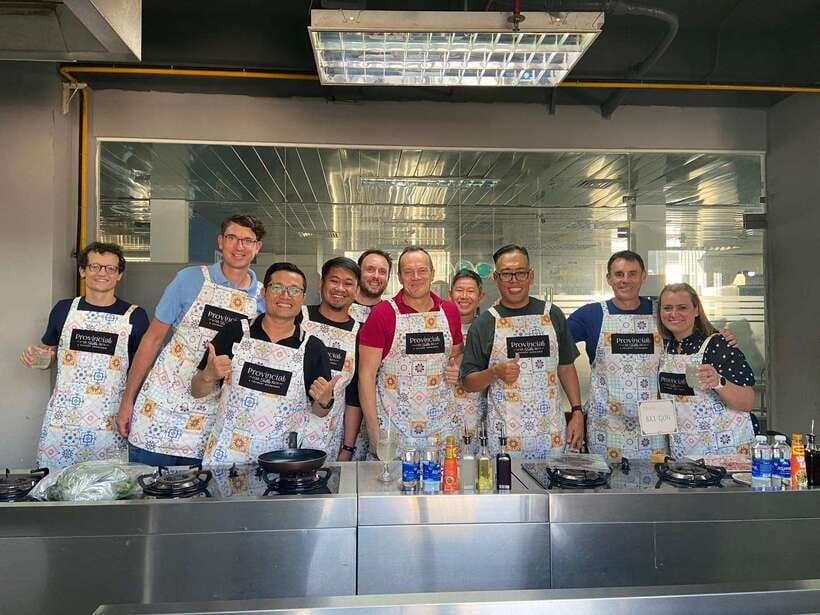
Your day starts at Ben Thanh Market, at Cua Tay (West Gate, Gate 5). The guide is there to meet you and the wet market portion begins promptly, so this works best when you’re ready to move right away.
The main value of the market stop is orientation. You don’t just get a walk-through. You get practical context on how Vietnamese cooks procure daily staples—meats, vegetables, herbs, and seafood—and how those choices affect flavor. This is the part I’d call the “unlock the kitchen” moment: once you understand what’s common, what’s seasonal, and what to look for, the cooking class stops feeling random.
Also, the pacing matters. Several guides are described as organized and informative, and that usually means you’ll spend less time wandering and more time learning what to notice. If you’re thinking you’ll buy ingredients to cook later, be aware that the experience is mostly about selection guidance rather than a guaranteed ingredient shopping cart for future meals.
You can also read our reviews of more shopping tours in Ho Chi Minh City



Private Cook Station Kitchen: why hands-on beats watching
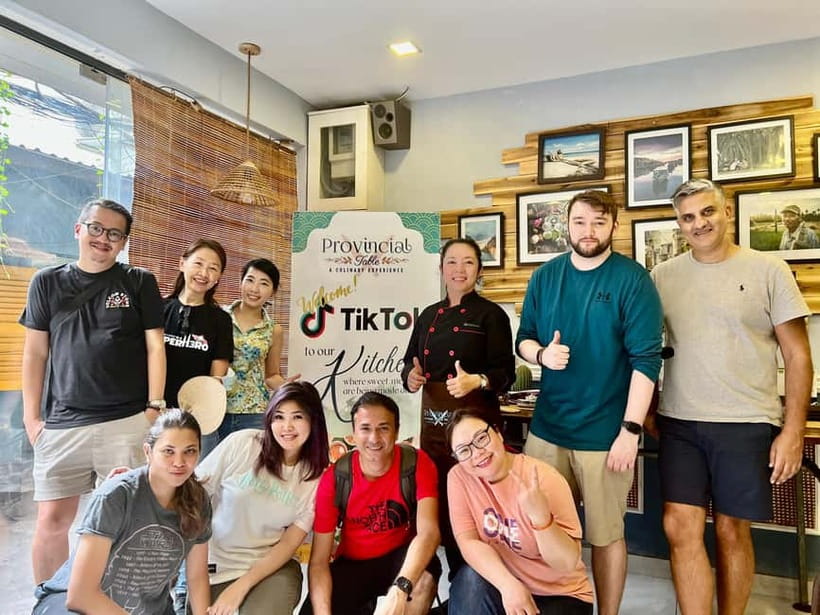
After the market tour, transportation takes you to the cooking facility. The kitchen setup is a big part of why this works: each person gets a private cook station, with ingredients pre-prepped and organized so you can focus on technique, not scrambling.
The chef-led structure is also beginner-friendly without being watered down. You get step-by-step instructions, and the assistants help keep things running smoothly. In multiple experiences, chefs were described as patient, detail-focused, and willing to answer questions—names that show up include Chef Bi, Chef Khoa, Chef Dung, Chef Titus, Chef Anh, and Chef An, along with hosts like Sarah and Ann. That variety matters because it usually means you’ll get a clear teaching style, not just a lecture.
The hands-on format is the biggest practical takeaway: you’re not only learning Vietnamese dishes in theory. You’re practicing what to do with heat, timing, and seasoning. Even if you don’t cook at home much, you’ll likely leave knowing what steps you can repeat and what you should treat as flexible.
The Four-Course Meal: classic dishes, dessert, and real feedback
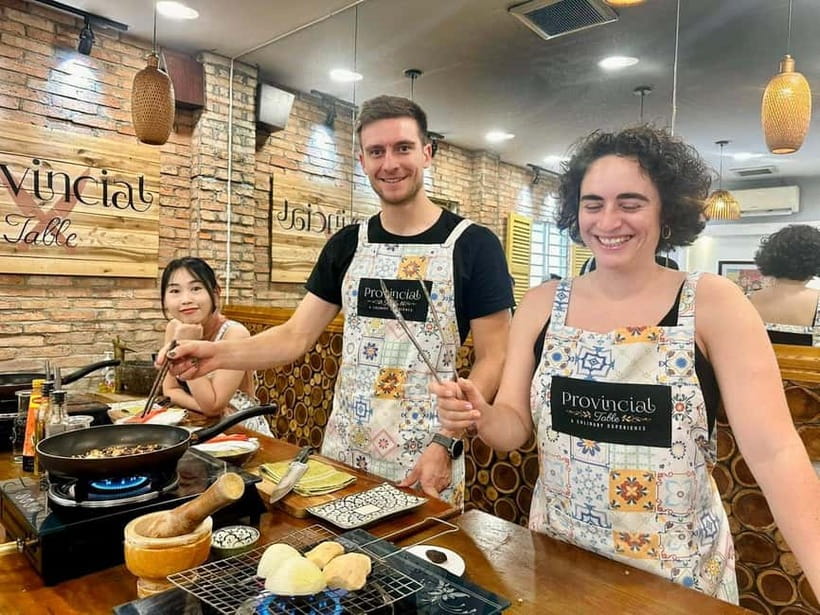
The experience is built around a menu of three courses plus dessert—often described as a four-course meal in the flow of the class. That structure is ideal because you get variety while keeping the skill-building manageable. You’ll build confidence by going from one savory dish to the next, then closing with something sweet.
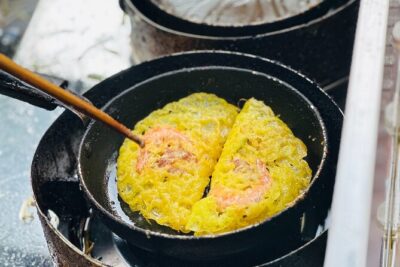
In past sessions, people describe learning dishes such as pho (including pho ga and chicken pho), spring rolls, bun cha, and dishes like mango salad and bánh xèo. You may not cook the exact same lineup, but the pattern is consistent: Vietnamese classics built for hands-on learning.
One nice detail: you eat what you make in a sit-down meal at the end of the course. That matters because it turns learning into satisfaction. If a dish doesn’t land perfectly, the feedback loop is built in—taste, compare, and adjust for next time with the recipe book in hand.
Also, the portions are repeatedly described as generous. That’s important at this price point, because a cooking class that leaves you hungry quickly feels like a rip-off. Here, you leave full with a real meal, not just small “tasting bites.”
Vietnamese Cookbook (25+ Recipes): your souvenir with actual use
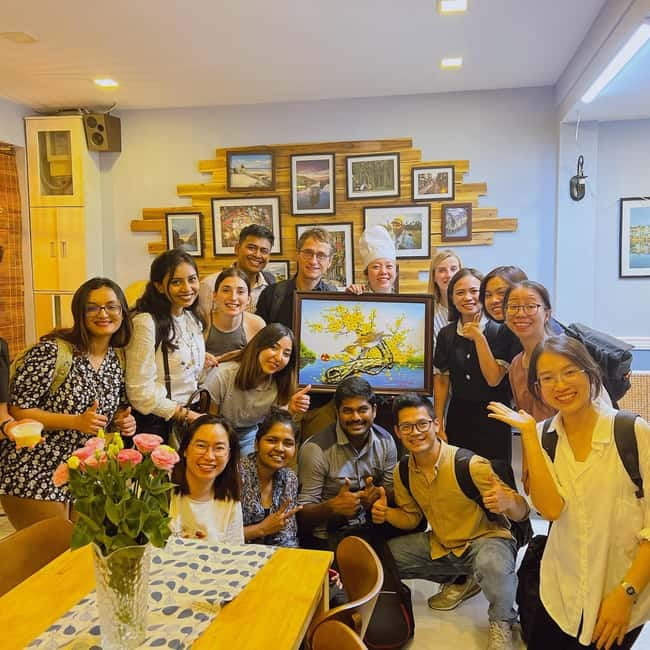
You don’t just get a generic pamphlet. You get an elegant Vietnamese cookbook with 25+ recipes, and some participants mention receiving a book with 37 dishes. That’s a meaningful difference because a well-made cookbook is what helps you repeat what you learned instead of letting it fade after the trip.
In practice, the cookbook’s value is twofold. First, it gives you the ingredient and method logic so you can recreate the dishes without guessing. Second, it becomes a way to revisit Vietnamese cooking after you’re back home—especially if you remember the flavors from the market walk.
One small caution: at least one person noted that the booklet didn’t match every dish cooked in their session. That doesn’t make the book useless—it just means you should treat it as a broader Vietnamese cooking guide, not a 1-to-1 checklist.
Price and value at $33: what you really get
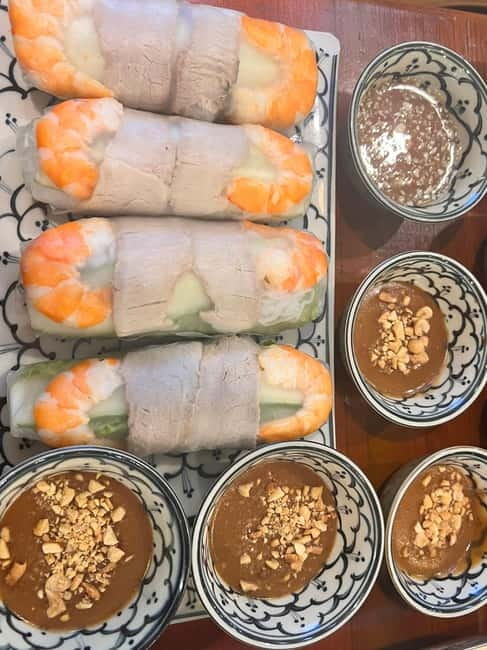
At $33 per person, this class is good value because several key costs are wrapped into the experience. You’re getting dinner, guided instruction, private equipment (your own cook station), transportation from the market to the kitchen, and a cookbook. Even the gratuity is included, which keeps the math simple.
You also get drinks: the package includes alcoholic beverages and a complimentary cocktail. The fine print says beer, Coke, and wine aren’t included, so expect that the included drinks won’t cover every standard option on offer—but you’re still not showing up to a dry classroom experience.
Value also comes from organization. Clean, well-set-up facilities and a well-run flow show up again and again in the feedback. When a cooking class runs smoothly, you spend your time learning instead of waiting.
If you’re paying attention to cost, this is also a rare deal type where you get both market context and a hands-on cooking result. You’re not choosing between “look at food” and “cook food.” You get both.
You can also read our reviews of more tours and experiences in Ho Chi Minh City




Alcohol, food, and the sit-down meal vibe
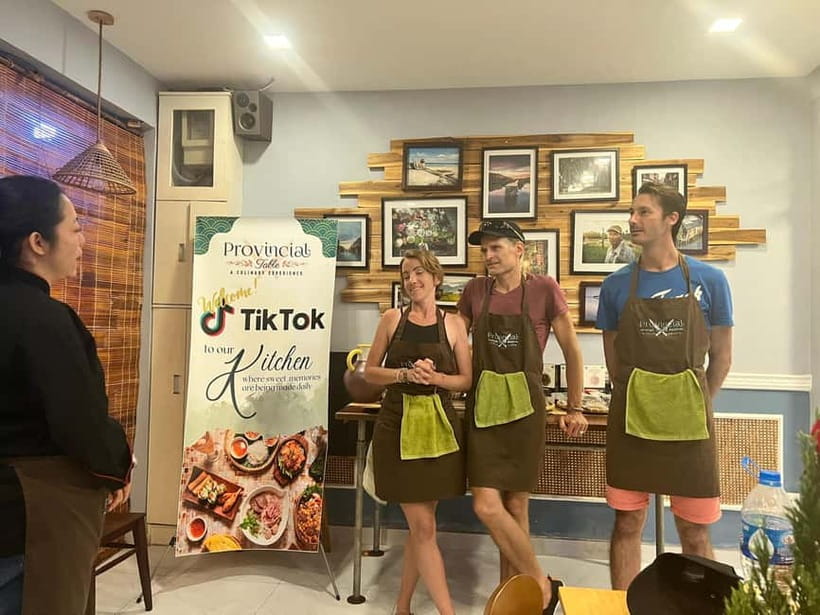
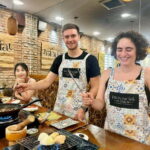
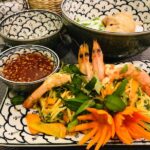
This isn’t a rushed standing-bites experience. You cook, and then you eat together in a convivial sit-down meal. That part sounds small until you’ve done enough tours to know the difference between a class that ends with a plate and one that ends with you still hungry and tired.
A complimentary cocktail is part of the deal, and that helps the mood when you’re learning something new. Just keep it practical: the market start is active, and you’ll be working with heat and knives, so pace your drinks if you plan to do any extra tasting.
A simple tip: go in hungry. Multiple people mention the food is plentiful, and you’ll get the best experience when your first bites are coming right after you’ve cooked the dishes yourself.
Vegetarian options: how this works for real diets
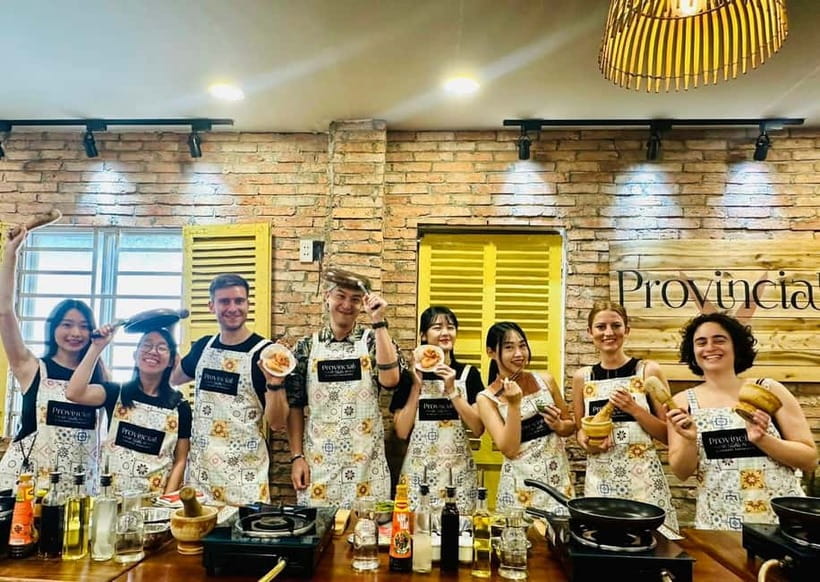
Vegetarian options are available upon request, and that’s a major plus for anyone who avoids meat or fish. The adjustments likely depend on the menu that day, but the important point is that the team is set up to handle it rather than telling you to skip the class.
If you’re vegetarian, send the request clearly in advance. It helps the kitchen prepare substitutes and keeps your station stocked with workable ingredients. In multiple experiences, chefs and hosts were described as adjusting as best they could, so you should still get a full meal, not a token replacement.
Logistics that matter: meeting point, timing, and where you end
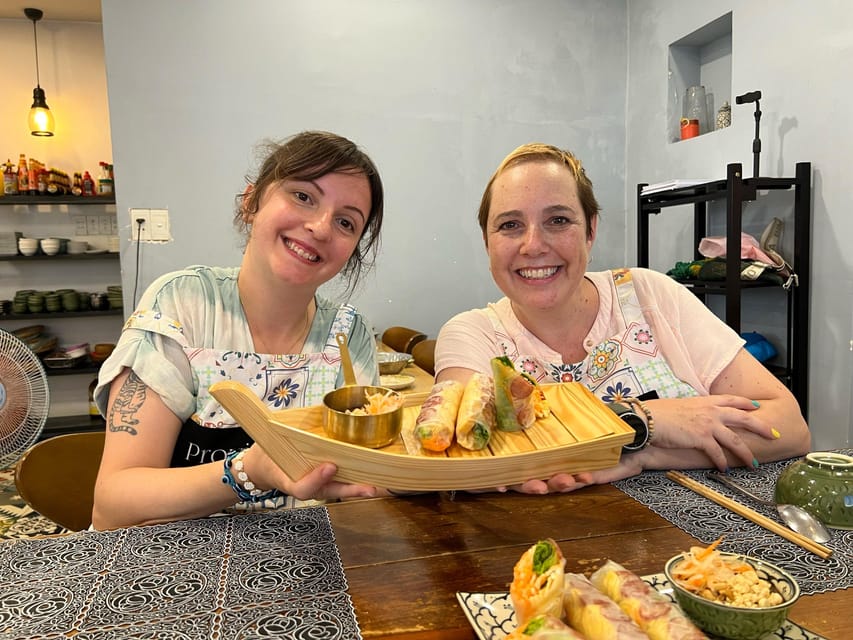
The meeting point is fixed: Cua Tay (West Gate, Gate 5) of Ben Thanh Market. The market tour begins promptly, so treat this like a real reservation—showing up late usually makes the whole schedule harder.
Transportation is provided from the wet market tour to the kitchen. The end point is listed as back at the meeting point, but the start instructions also say there’s no return to the original departure point, which can feel confusing. My practical advice: assume you’ll be returned to the general meeting area but don’t plan a tight “right after” connection from the exact same curb. Build in buffer time for taxis or rideshare.
One more practical note: some people mention needing better pre-day confirmation or a contact number in case they got turned around between the market and the kitchen. If you’re prone to getting lost in busy markets, take a screenshot of the meeting instructions and keep your phone charged.
Who should book this cooking class (and who might not love it)
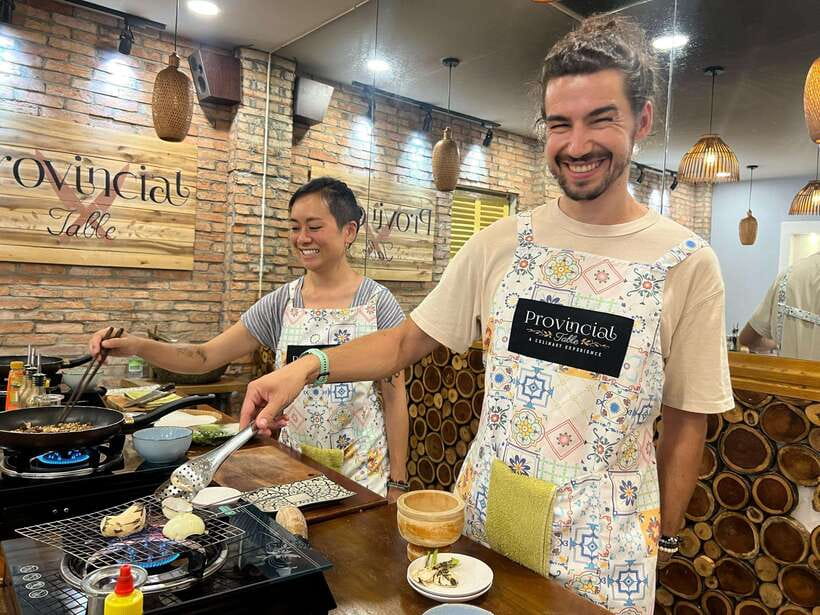
This is ideal if you want a hands-on day in Ho Chi Minh City that blends culture with practical skills. It also fits well if you’re not a confident cook yet. The cooking stations, pre-prepped ingredients, and step-by-step teaching make it feel doable.
You’ll also enjoy it if you love markets and want more than photos—this gives you ingredient logic and sourcing insight you can use later.
It’s not suitable for children under 7. If you’re traveling with kids older than that, you might still need to judge attention span because the market is active and the class is hands-on.
If you’re the type who hates crowds or punctual starts, this might feel like a lot. But if you’re okay with a structured afternoon and you like learning by doing, it’s a great use of time.
Should you book it? My straight answer
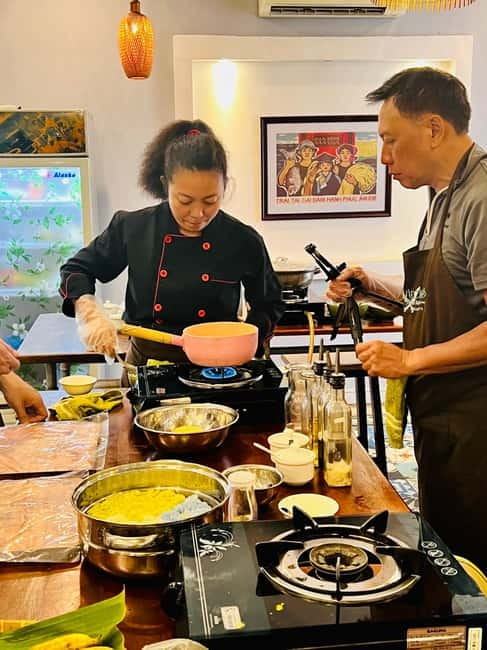
Book it if you want Vietnamese cooking you can repeat, plus an ingredient education that makes the food make sense. For $33, the combination of private cook stations, chef-led instruction, a full meal, transport, and an actual cookbook is hard to beat—especially when the overall rating sits around 4.8.
Skip or rethink if you’re expecting a slow, flexible market stroll or if you really want guaranteed ingredient shopping to take home. And if you hate prompt starts, plan your day around the market timing.
If you do book, go with an appetite, ask your chef questions, and treat the cookbook like your homework. That’s how you turn one afternoon in Saigon into months of better cooking at home.
FAQ
Where is the meeting point for the wet market tour?
The tour begins promptly at Cua Tay (West Gate, Gate 5) of Ben Thanh Market.
Do I get transported to the kitchen after the market tour?
Yes. Transportation is provided from the wet market tour to the cooking kitchen.
Does the experience include cooking, or is it a demonstration?
It’s hands-on. Each guest gets a private cook station and cooks the dishes with chef guidance.
How many courses do you cook and eat?
The experience is described as three courses plus dessert, and it’s also presented as a four-course meal during the class.
Are vegetarian options available?
Yes. Vegetarian options are available upon request.
What drinks are included?
The experience includes alcoholic beverages and a complimentary cocktail. Beer, Coke, and wine are listed as not included.
Is gratuity included?
Yes. Gratuity is included.
What language is the class taught in?
Languages listed are Vietnamese and English.
Is this class suitable for children?
It is not suitable for children under 7 years.
Can I cancel and get a refund?
Cancellation is allowed up to 24 hours in advance for a full refund.