REVIEW · HO CHI MINH CITY
A Complete Vietnam Coffee Journey – The Unknown Giant
Book on GetYourGuide →Operated by Vietnam Coffee Journey - Day · Bookable on GetYourGuide
Vietnam’s coffee tastes better when you make it. In 2.5 hours in Ho Chi Minh City, you get hands-on brewing, multiple tastings, and the stories behind what’s in your cup. I love how the host builds context for why Vietnamese coffee tastes the way it does, and I also love that you’re not stuck listening the whole time.
The standout for me is the focus on Robusta and how different brewing methods and tools change the result. One possible drawback: it’s a coffee-forward experience with lots of caffeine, and it isn’t listed as suitable for children under 16.
In This Review
- Key things I’d circle before you book
- Vietnamese coffee, minus the guesswork
- Meeting in the heart of Ho Chi Minh City (40E Ngô Đức Kế)
- The 150-minute workshop: six drinks, lots of tasting, and you doing the work
- The coffee lineup: coconut, condensed milk, salt, egg, and more
- Robusta isn’t a footnote here
- Traditional vs modern: how brewing methods change the cup
- Snacks and pacing: why the food matters
- Questions are encouraged, and that changes what you learn
- Price and value: $30 for six drinks and real explanations
- Who should book this, and who might skip it
- Should you book A Complete Vietnam Coffee Journey?
- FAQ
- How long is A Complete Vietnam Coffee Journey?
- How many people are in the group?
- What drinks and food are included?
- Do I make the coffee myself or just taste?
- What language is the tour guide?
- Is it suitable for kids?
- Is it wheelchair accessible?
- Where does the experience start?
- Is there a snack option if I’m vegetarian or halal?
- What if I need to change my plan?
Key things I’d circle before you book
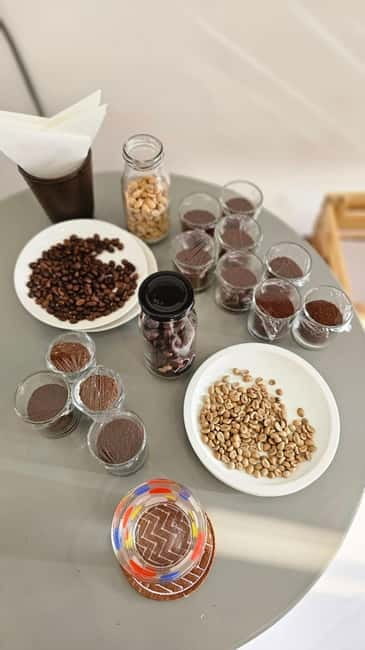
- Six drinks in 150 minutes so you get real comparisons, not just one “best” cup
- Robusta-focused explanations that connect the bean to Vietnamese drinking habits
- Make-your-own coffee with tasting and side-by-side flavor checks
- Traditional vs modern styles explained through how brewing actually affects flavor
- Small group up to 6 so you can ask questions and get personal guidance
- Prime central meeting point in Saigon so this fits easily into a city day
Vietnamese coffee, minus the guesswork
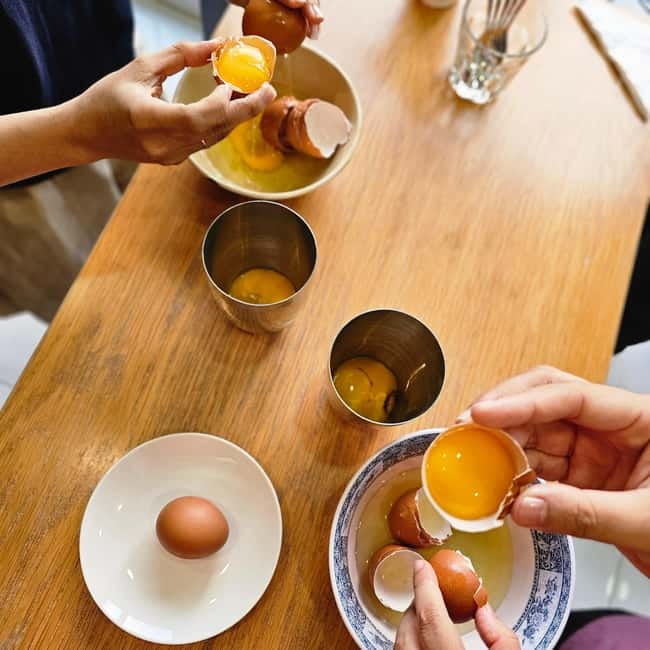
If you’ve ever wondered why Vietnamese coffee can taste both bold and creamy, this is the kind of experience that answers it fast. You’re not just sampling a few drinks—you’re learning how Vietnamese coffee developed its signature flavors and how brewing choices shape what hits your tongue.
This tour is built for people who want understanding without a school-like vibe. It runs about 150 minutes, and you’ll spend that time making and tasting a set of Vietnamese coffee drinks while the host explains what’s going on behind the scenes. Expect a no-commercial, no-snob presentation that stays grounded in how people actually brew and drink coffee in Vietnam.
I especially like that the host encourages questions. If you’re the type who thinks of a dozen tangents while tasting, you’ll fit right in.
You can also read our reviews of more tours and experiences in Ho Chi Minh City

Meeting in the heart of Ho Chi Minh City (40E Ngô Đức Kế)
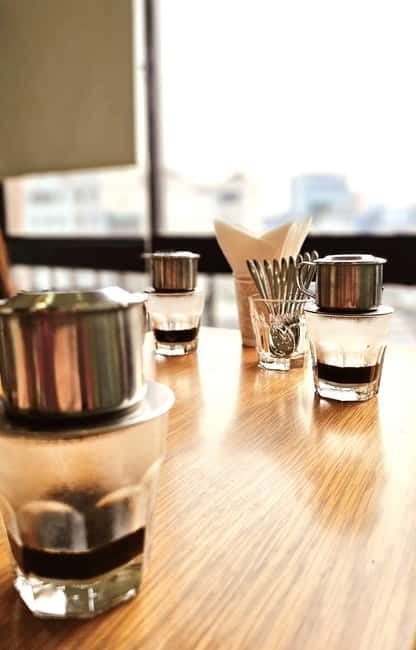
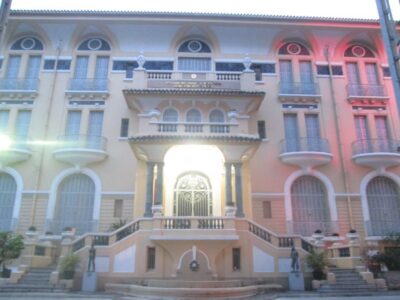
You’ll start at 40E Ngô Đức Kế in Ho Chi Minh City. The practical benefit is simple: you’re meeting right in the city center, not getting bundled into a complicated transit plan.
That matters because coffee tours can easily turn into “travel time plus hurried tasting.” Here, you’re already in place when the workshop starts, so your brain stays on the flavors and the explanations instead of fighting logistics.
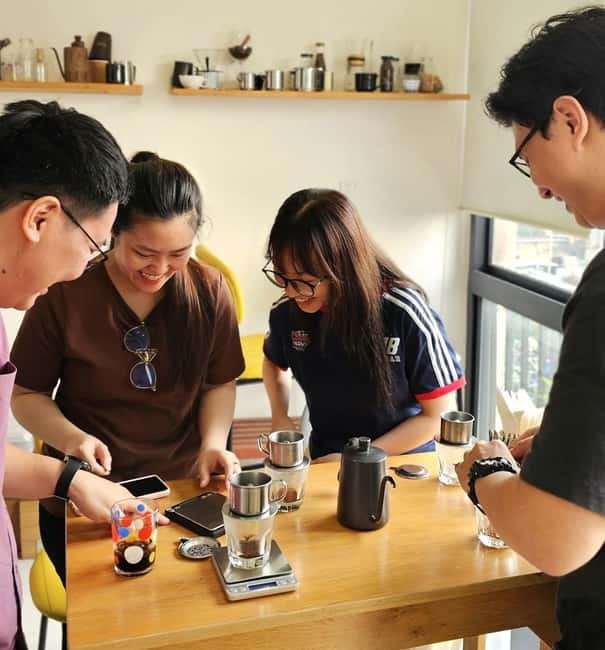
The host runs the experience in English and Vietnamese, so you can follow the science and the culture story at the same time. You’ll also be part of a small group capped at 6 participants, which helps if you want to ask follow-ups or get guidance while you’re actually making the drinks.
The 150-minute workshop: six drinks, lots of tasting, and you doing the work
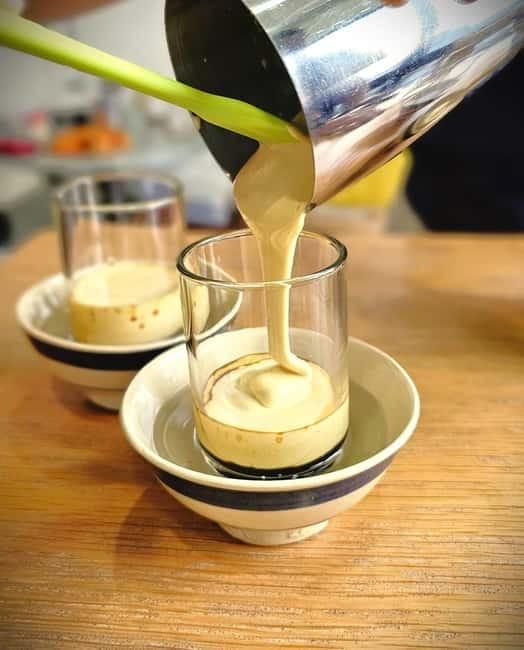
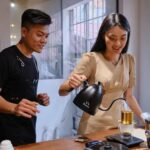
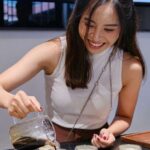
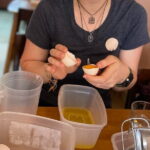
This experience is structured around real coffee time. In about 2.5 hours, you’ll be guided through six different Vietnamese coffee drinks and get to make them yourself.
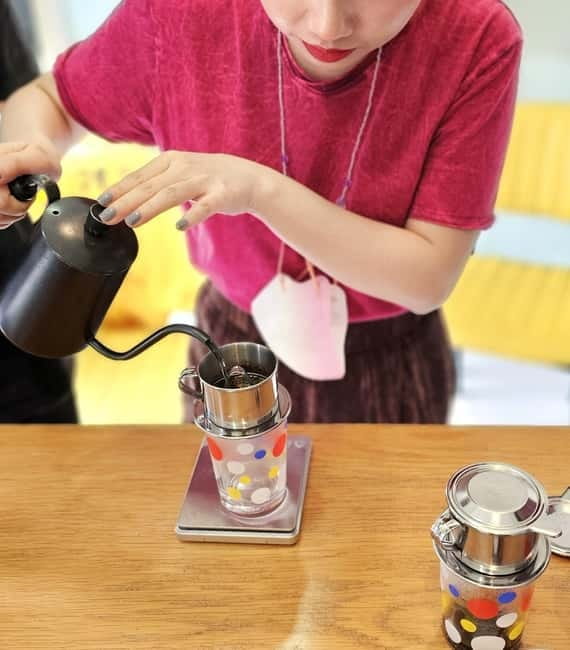
That hands-on part is more than a nice activity. When you stir, prepare, and taste, you quickly notice what changes the flavor:
- sweetness level and how it balances bitterness
- texture and how dairy or other ingredients affect mouthfeel
- how different coffee styles taste when prepared differently
And yes, you’ll also get snacks with your choice of a local bánh mì (including vegetarian or halal options), or a croissant, or fresh fruits. Having food in the mix helps you taste more clearly, too—your palate doesn’t get overwhelmed after several cups.
A big plus for first-timers: you don’t need to know Vietnamese coffee ahead of time. The host lays out what you’re drinking and why it matters, then gives you guidance to adjust things to your taste.
The coffee lineup: coconut, condensed milk, salt, egg, and more
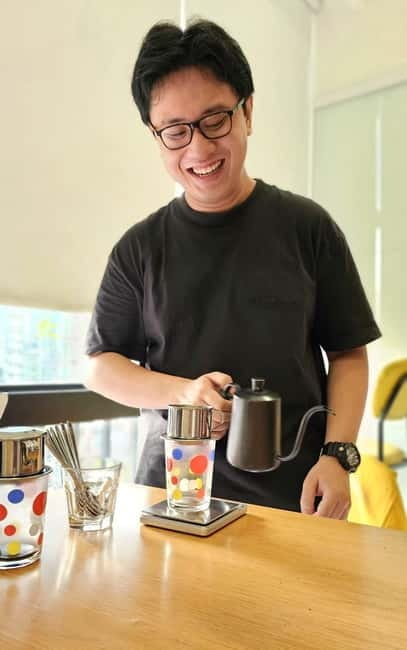
You’ll learn the stories behind several famous Vietnamese coffee directions, including drinks flavored with coconut, condensed milk, salt, and egg. Each one has a distinct personality, and the host connects them to Vietnamese preferences and history.
Here’s the kind of thing you’ll likely notice as you move through the lineup:
- Coconut drinks often feel smoother and more aromatic, with sweetness that doesn’t taste one-note.
- Condensed milk styles are usually about creaminess and balance, making the coffee taste rounder.
- Salt in coffee is a surprising angle that can bring out certain flavors instead of just adding saltiness.
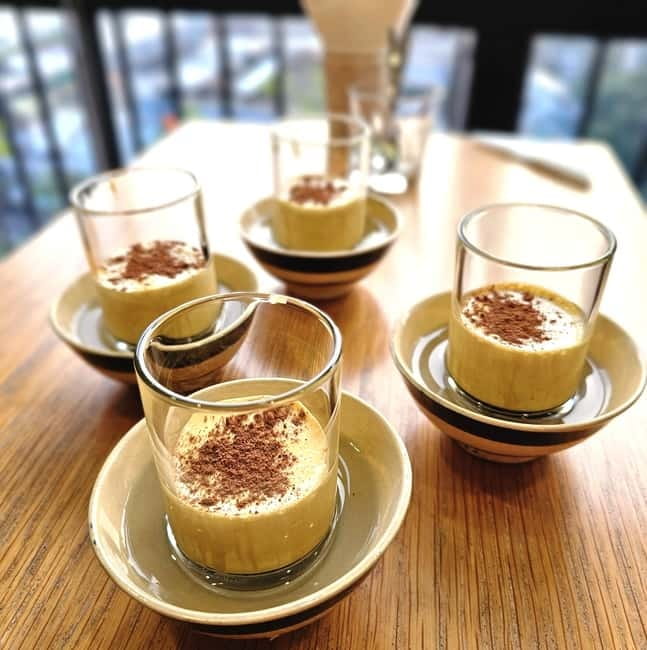
- Egg coffee tends to go for richness—almost custard-like—so the coffee experience becomes dessert adjacent.
You’ll also hear how coffee in Vietnam developed through both growing and drinking. That matters, because Vietnamese coffee culture isn’t just about recipes—it’s about how people built routines around the coffee they had access to and the flavors they wanted.
I also like that the host covers more than one type of Vietnamese coffee tradition. Even if you prefer one style, you’ll still come away with a working mental map of the options.
Robusta isn’t a footnote here
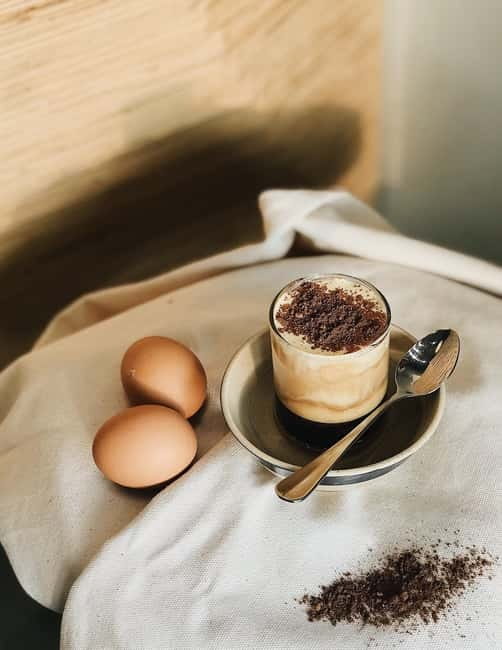
Many coffee explanations treat Robusta like an afterthought. This tour treats it like a main character.
Vietnam is closely associated with Robusta, and the host explains what that means for flavor, strength, and the way Vietnamese coffee drinks are built. You’ll learn how Robusta influences the taste profile, and why that lines up with the way Vietnamese people brew and sweeten coffee.
This isn’t presented as a “Robusta is better” argument. It’s more practical than that: you’ll understand how different beans respond to different brewing and ingredients.
That makes a difference after the tour. When you try Vietnamese coffee later on your own, you’ll recognize what kind of flavor choices are coming from the bean versus what’s coming from the preparation.





Traditional vs modern: how brewing methods change the cup
One of the most useful parts is learning the differences between traditional and modern styles—and doing it with clear explanations of brewing methods and tools.
The host doesn’t just say, People like this style because it’s like that. Instead, you’ll get a scientific way of thinking about it: how methods and instruments bring out each style’s characteristic qualities.
What you get out of this (especially if you like making coffee at home) is cause-and-effect understanding. For example, after tasting and comparing, you can start predicting what will happen when you:
- change preparation style
- adjust ingredient balance
- focus on how the brew is made, not just the final sweetness
If you’re the kind of person who hates “mystery” coffee advice, you’ll appreciate this section.
Snacks and pacing: why the food matters
Six drinks in 150 minutes is a lot of caffeine. That’s the point, but it’s also why the snack inclusion is smart.
Your bánh mì (vegetarian or halal options available), croissant, or fresh fruit helps reset your palate between tastings. You’re less likely to get stuck in a single flavor impression, and you’ll taste the differences more clearly.
It also makes the experience feel more like a local food-and-coffee hang, not a speed-run through cups.
Questions are encouraged, and that changes what you learn
This is the kind of tour where your questions directly shape your experience. The host actively invites you to ask, and you’ll get answers that connect coffee to culture—sometimes even to topics that aren’t coffee at all.
In practical terms, that means if you’re curious about:
- why certain Vietnamese drinks taste a certain way
- how to adjust sweetness
- what Robusta changes in the cup
- how traditional preparation differs from newer approaches
…you won’t just get a one-line reply. You’ll get context you can actually use.
If you’re traveling with coffee friends who want different things (one loves sweet drinks, another likes stronger flavors), the question time is where you’ll find the “matching” explanations for each preference.
Price and value: $30 for six drinks and real explanations
At $30 per person, this isn’t the cheapest coffee experience in Saigon. It also isn’t trying to be.
The value comes from three places:
- You’re tasting six different coffee drinks, not one or two.
- You’re making them yourself, which turns learning into something you feel, not just hear.
- You’re getting structured explanations that cover what, why, and how Vietnamese coffee works—without turning into a lecture.
If you’ve paid for “coffee tasting” tours where you sip tiny amounts and move on, this is a better deal because the tasting is substantive. Six drinks plus snacks in a focused 2.5-hour window means you’ll actually leave with a fuller understanding.
Who should book this, and who might skip it
I think this tour is a strong fit if you:
- love coffee and want to understand Vietnamese styles quickly
- want a beginner-friendly explanation that still has real depth
- enjoy hands-on learning more than passive tasting
- care about flavor logic, not just trends
It may be less ideal if:
- you’re not comfortable with caffeine
- you want a kids’ activity (it’s noted as not suitable for children under 16)
- you have mobility needs and want certainty about accessibility
One note to take seriously: the info provided includes wheelchair accessible, but it also states not suitable for wheelchair users. If that affects you, message ahead so you get a clear answer for your situation.
Should you book A Complete Vietnam Coffee Journey?
Book it if you want the fastest path to Vietnamese coffee understanding in a single session. The biggest reason is the format: you make and taste multiple drinks, with the host guiding you through Robusta, traditional versus modern styles, and the practical mechanics of how brewing changes flavor.
Skip it only if you want something purely leisurely and low-caffeine. This one gives you a full coffee experience, and it’s designed for people who want to come away able to explain what’s in the cup and why it tastes that way.
If your travel plan includes Saigon and you’re a coffee person, this is the kind of tour that pays off immediately—and keeps paying off when you order Vietnamese coffee later and suddenly you know what to look for.
FAQ
How long is A Complete Vietnam Coffee Journey?
The experience runs for 150 minutes (about 2.5 hours).
How many people are in the group?
It’s a small group limited to 6 participants.
What drinks and food are included?
You’ll have 6 different coffee drinks and a snack of your choice: bánh mì (vegetarian or halal options), croissant, or fresh fruits.
Do I make the coffee myself or just taste?
You’ll do both. The experience is hands-on, so you make your own coffee drinks and then taste them.
What language is the tour guide?
The live tour guide offers English and Vietnamese.
Is it suitable for kids?
No. It’s noted as not suitable for children under 16.
Is it wheelchair accessible?
Wheelchair accessibility is listed, but the activity also states it is not suitable for wheelchair users. Since those points conflict, you should contact the provider with your specific needs.
Where does the experience start?
The starting point is 40E Ngô Đức Kế in Ho Chi Minh City.
Is there a snack option if I’m vegetarian or halal?
Yes. The snack choice includes vegetarian bánh mì and halal bánh mì (plus croissant or fresh fruits as other options).
What if I need to change my plan?
The info provided includes free cancellation up to 24 hours in advance for a full refund, and a reserve now & pay later option.