REVIEW · HO CHI MINH CITY
Cu Chi Tunnels and Ho Chi Minh City Full Day Trip
Book on Viator →Operated by Vietnam Private Transfers · Bookable on Viator
Cu Chi Tunnels make the past feel close. This full-day trip from Ho Chi Minh City connects the Cu Chi Tunnels story with classic Saigon sights, moving at a steady pace from early morning to a 17:00 finish.
I like the practical setup: transportation, a professional English-speaking guide, and Vietnamese lunch are included. I also like that entrance fees are handled for you, so the day runs on schedule without extra ticket stops.
One consideration: it’s an 8-hour day, and it packs two very different experiences into one push—so if you want long, unstructured free time in the city, you may feel a bit rushed.
In This Review
- Key Highlights at a Glance
- From Ben Thanh to Cu Chi: How the Day Really Flows
- Cu Chi Tunnels: What 220+ km Means When You See It
- What to Expect Underground (and How to Plan for It)
- The Scenic Ride and the Lunch That Keeps the Day Moving
- Ho Chi Minh City Sights After the Tunnels
- Price and Value: Is $68 a Fair Deal?
- Smooth Service: Pickup, Clean Transport, and Calm Guidance
- Who This Tour Suits (and Who Might Not Love It)
- Should You Book This Cu Chi and Ho Chi Minh City Day Trip?
- FAQ
- FAQ
- How long is the Cu Chi Tunnels and Ho Chi Minh City trip?
- What time does the tour start and end?
- Where is the meeting point?
- Is hotel pickup included?
- What is included in the tour price?
- Is lunch provided?
- Which attractions are included in Ho Chi Minh City?
- How many people are in the group?
Key Highlights at a Glance
- A full day that starts at 8:00 from the Ben Thanh area (123 Lý Tự Trọng), with the tour designed to get you out and back cleanly
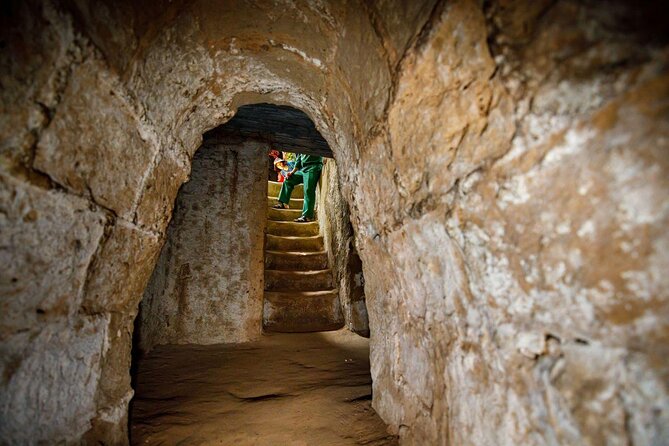
- Three hours at Cu Chi with admission included, focused on the tunnel system built for underground survival
- Over 200 km of tunnels, often cited at 220+ km—a scale that changes how you interpret the Vietnam War
- Vietnamese lunch included after the tunnels, so you’re not scrambling for food
- Three hours in central Ho Chi Minh City covering Reunification Palace, Notre Dame Cathedral, the General Post Office, and the War Remnants Museum
- Small group limits (max 20) plus hotel pickup/drop-off, which helps keep the experience organized
From Ben Thanh to Cu Chi: How the Day Really Flows
This tour is built for one thing: not wasting your limited time in Ho Chi Minh City. You start early—8:00 am—with the meeting point listed at 123 Lý Tự Trọng in District 1. Pickup is offered from your hotel, and you’ll get back at the end of the day around 17:00, which matters if you’ve planned dinner or an evening flight.
I like that the schedule is straightforward: first the tunnels, then lunch, then the major city landmarks. You’re not hopping between unrelated stops all day. Instead, the day has a clear arc: underground war survival first, then the official sights and museums that shape how modern Vietnam tells the story.
You’ll also see countryside on the ride out. The route passes local rural areas where you might catch glimpses like ducks or buffalo by the water. It’s a small detail, but it helps the brain do something important: it’s harder to imagine the scale of destruction and mines and bombing when you can still see daily life and calm rivers along the way.
You can also read our reviews of more city tours in Ho Chi Minh City



Cu Chi Tunnels: What 220+ km Means When You See It
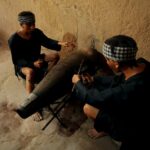
At Cu Chi, the focus is the tunnel network used by the freedom fighters during the American War. The tunnels are famous for a reason: in their heyday, they weren’t just hiding spots—they worked like underground cities. The tour highlights the scale as over 200 km, often cited at 220 km+, and that number is more than trivia once you’re there. It changes the story from one long battle to a whole system built for endurance.
You’re given about three hours on-site, with admission included. That time window is long enough to get a real feel for the space and the purpose—without turning it into a rushed photo stop. And because it’s a guided experience, you’re not left trying to piece together what each section is meant to represent.
There’s also a big emotional weight to this place. You’re visiting land that was once described as a free target zone, shaped by bombing and mines. The point isn’t to turn it into doom-and-gloom. It’s to understand how people adapted, moved, hid, and survived under pressure. I find that the tunnel experience lands best when you slow your expectations down from entertainment and treat it like a living historical lesson.
What to Expect Underground (and How to Plan for It)
The tunnels are underground, so plan for basics even if you’re not sure what you’ll encounter in each area. Even with no detailed instructions provided, the nature of the site usually means uneven ground, dim lighting, and spots that feel tight compared to daylight. Go in thinking comfort first.
Here’s how I’d prepare in a practical way:
- Wear closed-toe shoes you can walk in for a while.
- Dress for warm weather since you’ll be outside on the ride and around the site too.
- Bring a light layer if you’re the type who feels cooler in shaded, underground areas.
- If you like photos, remember your attention will split between the big idea and the small details—so don’t rely only on one quick circuit.
Also, don’t force the day to be either fully somber or fully touristy. This is one of those sites where curiosity and emotion mix. If you come in with the mindset that the tour is showing ingenuity and resilience, you’ll feel the message more clearly.
The Scenic Ride and the Lunch That Keeps the Day Moving
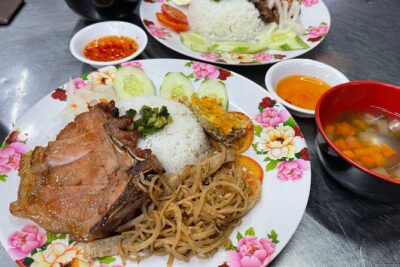
Between Cu Chi and the city sights, there’s an intentional break: Vietnamese cuisine lunch. That’s included, which I consider a real value add. Without it, a full-day tour can turn into a guessing game—what’s good, what’s open, and how long you’ll wait. With lunch handled, you can focus on the second half of the day: Saigon’s landmarks.
I also like the timing. You leave the tunnels with your brain still processing what you saw. Then the meal gives you a natural reset before you step into the more visible, institutional places of Ho Chi Minh City—palaces, churches, and museums that document the war’s outcomes.
And yes, you can still enjoy the ride back as travel, not just transit. If the countryside views out to Cu Chi felt quiet and ordinary, the return drive gives you a reminder that the area is now part of everyday Vietnam, not just war memory.
Ho Chi Minh City Sights After the Tunnels
Once you’re back in the city, the tour shifts gears. You’ll spend about three hours visiting several major landmarks, and the way they’re grouped is smart: they’re all central, well-known, and historically tied to the modern narrative of Vietnam.
Here’s what you’ll see:
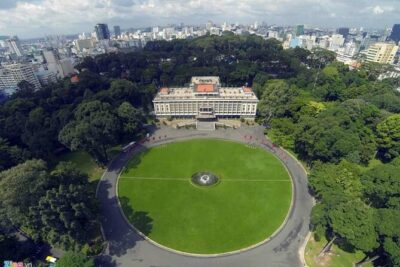
- Reunification Palace (former residence of the President of South Vietnam until the end of the war in April 1975)
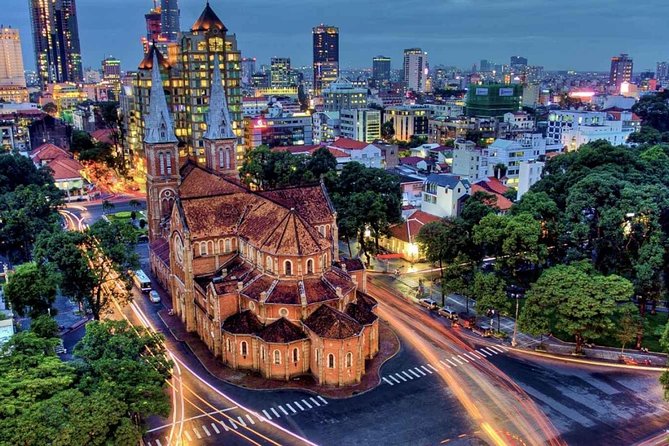
- Notre Dame Cathedral
- General Post Office
- War Remnant Museum
The Reunification Palace is the emotional bridge from the tunnels to the wider war story. The site is tied to April 1975, so it gives you an endpoint to mentally connect with what you learned underground. Then the Notre Dame Cathedral and the General Post Office bring you into the recognizable architecture of central Saigon—places you’d likely want to visit anyway just for the city’s feel.
Finally, the War Remnant Museum keeps the conversation going. It’s not just another stop; it’s where you can slow down your understanding with exhibits that support what you saw earlier. The tunnel experience shows how conflict shapes daily survival; the museum helps frame how the conflict is explained after the fact.
A good tip for this part of the day: don’t try to memorize every room and every label. Focus on the big themes the guide points out, then pick one or two exhibit sections you want to absorb more deeply. You’ll get more out of it, and your day won’t feel like homework.
You can also read our reviews of more tours and experiences in Ho Chi Minh City




Price and Value: Is $68 a Fair Deal?
At $68 per person, the price feels reasonable for what you get—mainly because a lot of the cost-heavy items are bundled.
Included in the price:
- transportation
- professional English-speaking tour guide
- Vietnamese cuisine lunch
- all entrance fees
- pickup and drop-off at your hotel
The biggest value here is time. Cu Chi plus major city sights is hard to coordinate alone on a single day, especially if you don’t want to spend your morning figuring out routes, tickets, and waiting time. When entrances and the guide are handled, you’re buying a stress-reduced experience that sticks close to the plan and gets you back at a sensible hour.
Also, the group size cap (max 20) matters. Smaller groups typically feel easier to manage, and it’s less chaotic for Q&A and transitions between stops.
If you’re the type who likes to move efficiently and get the key sights without turning the day into logistics, this price lines up well with your likely priorities.
Smooth Service: Pickup, Clean Transport, and Calm Guidance
The service quality is one of the strongest parts of this tour. The operator runs with professional English-speaking guides, and the coordination seems built around keeping the day calm and organized. You’ll see this in how the pickup and schedule are handled and how changes are managed when plans shift.
Names that came up in successful arrangements include coordinators Katie and Lily, and guides such as Kevin and Jun. The consistent theme across those kinds of experiences is patience—keeping the group comfortable, moving forward when it’s time, and staying friendly when people ask questions.
And then there’s the practical side: transport is described as new and clean, and drivers are noted as friendly and helpful—so you’re not dealing with a rushed or rough ride on a long day.
If you want a day trip where logistics don’t steal your attention from the sights, this is a big reason to choose this option.
Who This Tour Suits (and Who Might Not Love It)
This tour fits best if you:
- want a structured day that hits Cu Chi and central Saigon landmarks in one go
- like guided context, especially for places tied to war history
- prefer having entrance fees and lunch handled
- enjoy city sightseeing but don’t want to plan it all yourself
It may not be perfect if you:
- want hours of free time inside the city without a set route
- dislike high-emotion historical sites and prefer lighter sightseeing
- get tired easily from a full 8-hour schedule
But for many first-timers, the balance is ideal: you get the underground story first, then you see Saigon’s signature sites while the rest of your day still feels like travel, not just transit.
Should You Book This Cu Chi and Ho Chi Minh City Day Trip?
I’d recommend booking if your goal is a well-paced, guided day that covers the big essentials without extra planning headaches. The combination of Cu Chi Tunnels, included lunch, and major landmarks in one organized route is exactly what you want when you only have one or two days in Ho Chi Minh City.
I’d also book if you appreciate clear guidance. This kind of site works best when someone helps you connect the scale of the tunnels to the wider story, and the tour’s structure supports that.
If you’re on the fence, ask yourself one question: do you want history plus iconic Saigon in a single day, on a schedule that gets you back around 17:00? If yes, this trip is a strong match.
FAQ
FAQ
How long is the Cu Chi Tunnels and Ho Chi Minh City trip?
It’s about 8 hours.
What time does the tour start and end?
It starts at 8:00 am and finishes at 17:00.
Where is the meeting point?
The meeting point is 123 Lý Tự Trọng, Phường Bến Thành, Quận 1, Hồ Chí Minh 700000, Vietnam.
Is hotel pickup included?
Yes. Pickup and drop-off at your hotel are included.
What is included in the tour price?
Transportation, a professional English-speaking tour guide, Vietnamese cuisine lunch, all entrance fees, and pick-up & drop-off at your hotel.
Is lunch provided?
Yes. The tour includes Vietnamese cuisine lunch.
Which attractions are included in Ho Chi Minh City?
Reunification Palace, Notre Dame cathedral, the General Post Office, and the War Remnant Museum.
How many people are in the group?
The tour has a maximum of 20 travelers.