REVIEW · HO CHI MINH CITY
Ho Chi Minh City Shore Excursion With Local Tour Guide
Book on Viator →Operated by Saigon Tours · Bookable on Viator
Saigon packs a lot into one day, and this shore tour keeps it organized with AC pickup and a smart route through old and new Saigon. You’ll line up the must-sees—then connect them with the stories that made the city what it is today.
I love the English-speaking local guide approach: explanations come in clear, real-world terms, not a memorized script. I also like that lunch is included, and they can handle dietary requests if you message them ahead of time.
The main consideration is pace. It’s a 6 to 8 hour circuit with a maximum group size of 15, so it’s best if you’re happy doing a planned day with minimal solo roaming—and remember gratuities aren’t included.
In This Review
- Key Highlights You’ll Feel Immediately
- Getting Your Bearings Fast in Ho Chi Minh City
- The Port Meet-Up and the AC Advantage
- Independence Palace: Where Power History Shows Up in Real Space
- Notre Dame Cathedral of Saigon: French-Era Architecture in a Working City
- Saigon Central Post Office: The Grand Room That Still Feels Useful
- War Remnants Museum: Go In With Your Head Ready
- People’s Committee Building: French Colonial Form in a Garden Setting
- Cholon (Quận 5) Chinatown: A Second Saigon With Deeper Roots
- Ba Thien Hau Temple: The Sea Goddess Mazu and Local Belief
- Lunch, Water, and the Small Comfort Wins
- Price and Value: What $69 Buys (and What You Still Handle)
- The Guides: Clear Explanations Make the Difference
- Who This Shore Excursion Is Best For
- Should You Book This Ho Chi Minh City Shore Tour?
- FAQ
- How long is the Ho Chi Minh City shore excursion?
- Is pickup from the port included?
- What’s included in the price?
- Are entrance fees included for all stops?
- Can the tour accommodate dietary requirements for lunch?
- Is there free cancellation?
Key Highlights You’ll Feel Immediately
- Small group (up to 15): easier questions, faster check-ins, less waiting around.
- AC transportation from the port area: a real comfort win in Ho Chi Minh City’s heat.
- Vietnam War focus with context: Independence Palace and the War Remnants Museum connect the dots.
- French-era landmarks in one loop: Notre Dame Cathedral and the Central Post Office sit next to each other.
- Cholon Chinatown + Ba Thien Hau Temple: you’ll see a different Saigon in Quận 5.
- Included lunch and water: less budget stress, more time spent sightseeing.
Getting Your Bearings Fast in Ho Chi Minh City
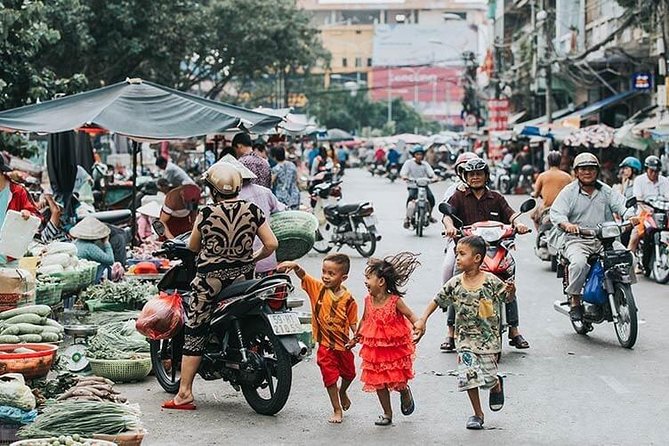
If you only have one day in Ho Chi Minh City, organization matters. This kind of shore excursion style tour starts with pickup and gets you moving right away, so you’re not burning time negotiating taxis or guessing where the “big sites” are.
I like tours that help you understand a city, not just check boxes. Here, the route deliberately mixes political history, colonial-era architecture, and local religious culture, so Saigon stops feeling like disconnected postcards.
You also get practical structure: you’ll be carried between sights in an air-conditioned car or minibus, with a guide handling the timing. That’s a big deal when your day depends on daylight, heat, and getting back on schedule.
You can also read our reviews of more guided tours in Ho Chi Minh City

The Port Meet-Up and the AC Advantage
The first moment sets the tone. Your team meets you with name signs at the port, then you head to cool transport quickly. From there, the day moves like a plan: stops are timed, entrances are handled, and you’re not stuck figuring out logistics while everyone else is sweating.
Why this matters: Ho Chi Minh City is famously hot and busy, and “saving energy for later” rarely works in real life. The AC ride buys you breathing room so you can actually enjoy places like the War Remnants Museum instead of arriving already drained.
This tour also uses a mobile ticket. That’s helpful when you’re bouncing between locations and want fewer printed papers to manage.
Independence Palace: Where Power History Shows Up in Real Space
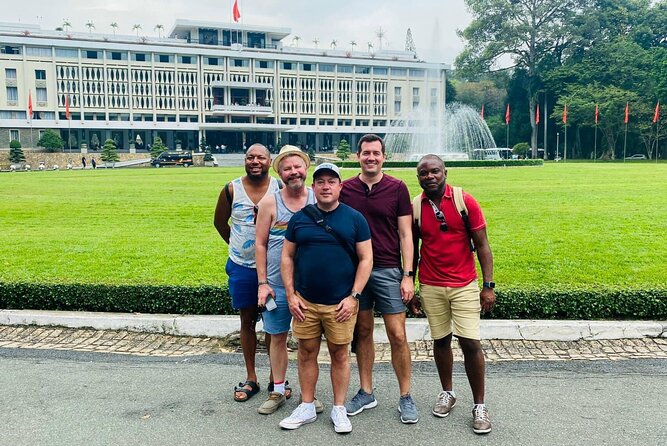
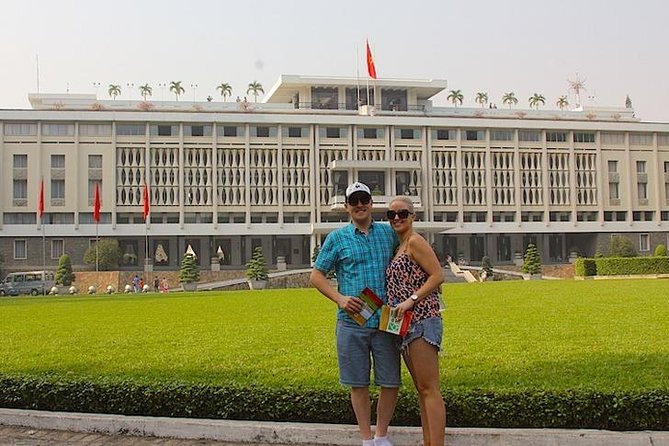
Independence Palace is one of those places where history isn’t abstract. It was the base of Vietnamese General Ngô Đình Diệm until his death in 1963, and it later became famous globally in 1975. Standing in and around the rooms, you get a sense of how decisions were made and how fast regimes can shift.
Look for what the building reveals: layout, the sense of official rooms, and the dramatic story tied to the era. The description highlights the North Vietnamese Army’s tank crashing through the palace—part of what makes this stop so memorable.
Possible drawback: this is a serious stop, and you’ll likely spend a chunk of time inside. If you’re someone who hates indoor exhibits, bring patience (and water).
Notre Dame Cathedral of Saigon: French-Era Architecture in a Working City
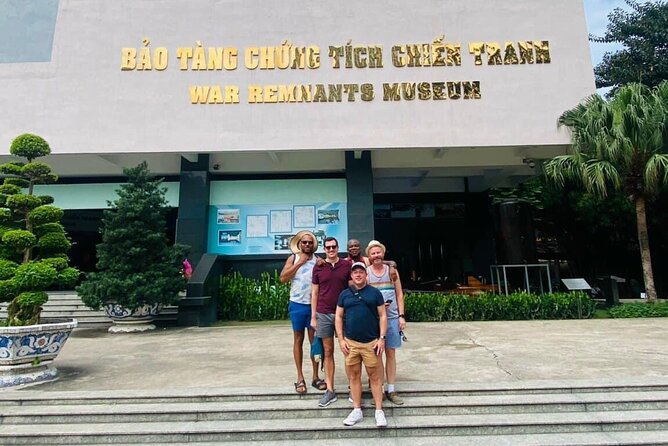
Right after the palace, you move into a different mood. Notre Dame Cathedral of Saigon was built in the late 1880s by French colonists and sits in Paris Square. Even today, it’s described as one of the few remaining strongholds of Catholicism in a largely Buddhist country.
Here’s the practical way to enjoy it: treat it like a landmark for how Saigon used to be imagined, not just a pretty building. The guide’s job is to connect the architecture to the colonial period—and to the fact that this is still a functioning neighborhood around the cathedral.
Time is tight in shore excursions. This is a quick stop, but it’s a good one because you can see the exterior details and then step away without feeling like you lost half a day.
Saigon Central Post Office: The Grand Room That Still Feels Useful
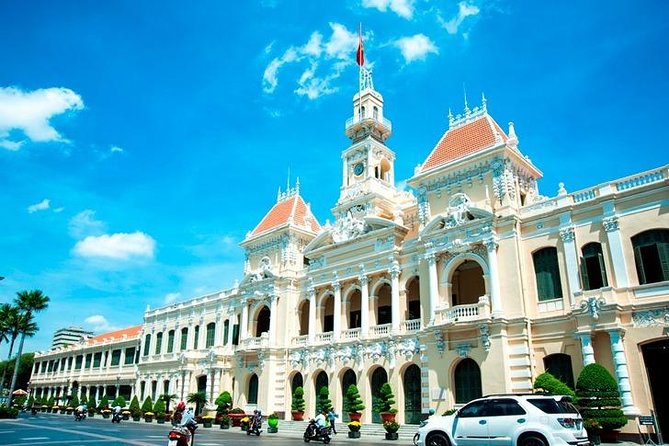
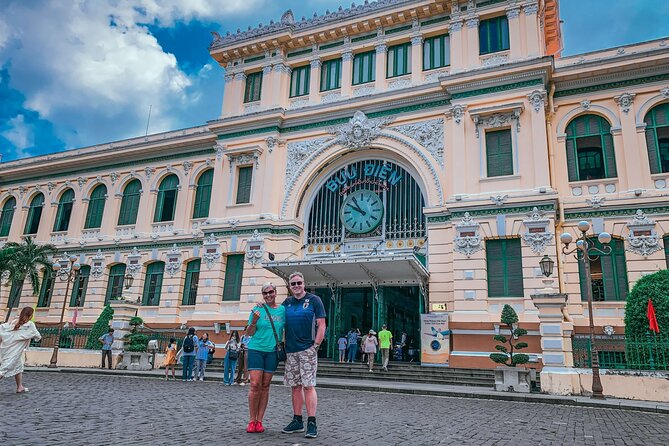
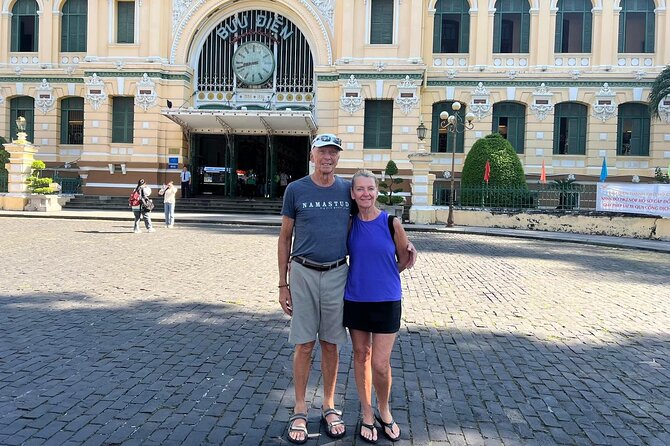
Next to the cathedral is the Saigon Central Post Office, a beautifully preserved French colonial remnant and described as perhaps the grandest post office in Southeast Asia. It’s the kind of place that feels designed for big civic moments.
This stop is great if you like places where you can spot design choices from another era—high ceilings, strong symmetry, and a layout that gives you the feeling of a “public building” rather than just a shop. It also has a simple modern value: you can usually use the space as a real post office, not only a museum site (though check what’s available on the day you go).
Why it’s worth your time: it gives you a lighter pause between heavier history stops, without fully breaking the flow of “how this city was shaped.”
You can also read our reviews of more city tours in Ho Chi Minh City



War Remnants Museum: Go In With Your Head Ready
Then comes the day’s emotional weight. The War Remnants Museum opened in 1975, and it was once known as the Museum of American War Crimes. That name alone tells you the tone: the exhibits aim to remind you of the brutal reality and long reach of the Vietnam War.
The description also points to graphic photos and exhibits. Don’t go in expecting gentle storytelling. Come prepared to step back mentally when you need to.
My advice: if you’re traveling with someone who gets upset easily, decide in advance how you’ll handle it. You might look at the exhibits in short bursts rather than trying to power through everything. That keeps the museum meaningful instead of overwhelming.
This stop is included with an entrance ticket, so you’re not scrambling for payment or tickets mid-day. It’s one of the strongest reasons this excursion feels like a “guided day” rather than just transport.
People’s Committee Building: French Colonial Form in a Garden Setting
After the War Remnants Museum, the tour shifts back to architecture and city structure. The People’s Committee Building features well-preserved French colonial architecture set in a spacious garden landscape. It was constructed in 1898 by French arc-housing—originally as a hotel.
This is one of those places where you can learn without noticing you’re learning. You’ll see how colonial design choices were built into public life, then adapt to new purposes over time. The garden setting also helps break up the day—shade and open space can feel like a reset after museum rooms.
If you’re someone who loves reading the “bones” of a city—how power, administration, and public space were organized—this stop is a good match.
Cholon (Quận 5) Chinatown: A Second Saigon With Deeper Roots
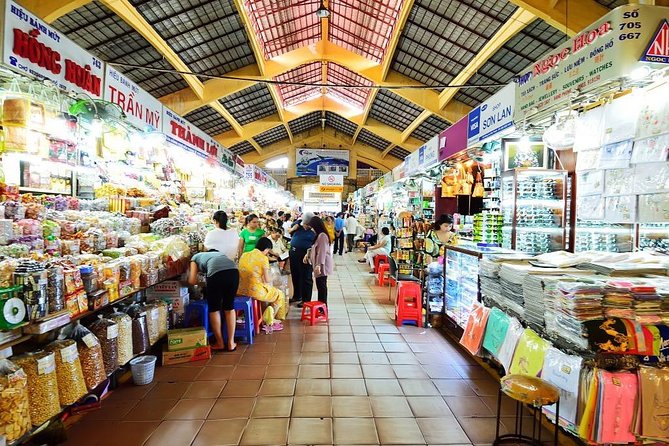
Now you leave the central sights and head into Cholon, the large Chinatown area in Quận 5. It’s described as Vietnam’s largest Chinatown, with roots dating back to 1778. The story in the tour description also notes how Chinese minorities hid there from the Tay Son.
This is where the day turns more everyday. Instead of only monumental buildings, you’re getting a neighborhood with its own history, cultural identity, and visual rhythm.
A practical way to enjoy Cholon on a group tour: don’t expect it to feel like a themed market for tourists only. Look for the cultural symbols, the temple presence, and the way the district’s history shows up in street life. Even if you don’t linger for shopping, you’ll come away with a clearer sense of Saigon as a patchwork of communities.
Ba Thien Hau Temple: The Sea Goddess Mazu and Local Belief
Finish with spirituality and local tradition at Ba Thien Hau Temple, dedicated to the Chinese sea goddess Mazu. The description explains Mazu is believed to protect and rescue ships and people at sea, with stories of her flying around on a mat or cloud.
This stop is brief, but it’s a meaningful contrast to the earlier political and war-focused stops. It gives you a different kind of “why this city works” explanation—faith, protection, and community practices.
My takeaway: religion stops feeling like a museum topic here. It reads more like a living tradition that’s part of the neighborhood’s identity.
Lunch, Water, and the Small Comfort Wins
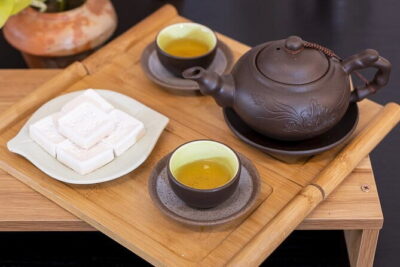
Lunch is included, and that’s not a small detail. It’s one of the easiest ways to make a shore excursion feel worth the money: you don’t spend time hunting for food, and you’re not stuck choosing between convenience and quality.
They also note they can cater to dietary requirements if you contact them beforehand. If you’re vegetarian, halal, or need a specific restriction, message early so they can plan.
You’ll also get a bottle of mineral water. That might sound basic, but in practice it helps you manage a long day across multiple walking blocks.
Price and Value: What $69 Buys (and What You Still Handle)
At $69 per person, this isn’t a “budget bus” tour and it isn’t a luxury private driver either. The value comes from the bundle:
- English-speaking local guide
- Transportation with AC
- All entrance fees
- Lunch
- Bottle of mineral water
For many day trips, the hidden costs are entrances and transport. Here, those are covered, which makes your final spend easier to predict.
What you still need to plan for: gratuities for the guide and driver. Also, if you get snack-hungry between stops, you’ll probably want extra cash on hand for personal extras (the tour only guarantees lunch).
One more practical value point: the tour holds a small group size (max 15). That helps you get answers without standing in a crowd trying to hear over traffic.
The Guides: Clear Explanations Make the Difference
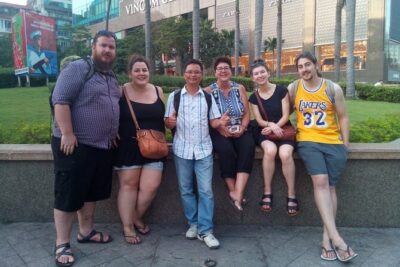
A standout theme is how guides make tough topics understandable. In particular, names like Alex, Jack, and Dingo show up with praise for clarity and smooth handling of the day.
Even if your guide isn’t one of those names, the style seems consistent: friendly, organized, and willing to tailor the flow when it fits what you want to focus on.
My advice for you: come with 1–2 priorities. For example, you might care most about war history, architecture, or cultural stops in Cholon. When you set expectations early, you’ll get a better day out of the time you paid for.
Who This Shore Excursion Is Best For
This tour is a strong fit if:
- you want a structured day in Ho Chi Minh City without planning every step
- you prefer an English-speaking guide to explain what you’re seeing
- you want both major landmarks and a taste of Chinatown culture
- you’d rather pay once for a bundle than deal with multiple ticket purchases
It may not be ideal if:
- you dislike museums and would rather focus on wandering and shopping
- you need very long time at each site to take it all in slowly
- you want total freedom with no fixed timing
Should You Book This Ho Chi Minh City Shore Tour?
Yes, if you want a well-paced overview that connects the big themes—colonial architecture, Vietnam War history, and local life in Cholon—into one day. The included lunch, entrance fees, and AC transport reduce the usual stress of a shore excursion.
Before you book, decide if you’re ready for the War Remnants Museum’s heavy visuals. If you are, this tour offers excellent value for a one-day city plan and delivers the kind of context that makes Saigon feel real.
If you’re looking for a day that feels organized but not sterile, this is the right direction.
FAQ
How long is the Ho Chi Minh City shore excursion?
It runs about 6 to 8 hours.
Is pickup from the port included?
Yes. Pickup is offered, and the team meets you at the port with name signs.
What’s included in the price?
The price includes an English speaking tour guide, AC transportation, all entrance fees, lunch, and a bottle of mineral water.
Are entrance fees included for all stops?
Yes. The tour includes entrance fees (with some stops listed as free and others included, but you won’t need to pay separately for the planned visits).
Can the tour accommodate dietary requirements for lunch?
They say they can cater for dietary requirements, as long as you get in touch beforehand.
Is there free cancellation?
Yes, you can cancel for a full refund up to 24 hours in advance.