REVIEW · HO CHI MINH CITY
From HCM City: Visit Cu Chi Tunnels With A Small Group
Book on GetYourGuide →Operated by Travel & Explore In Vietnam · Bookable on GetYourGuide
Cu Chi hits hard, fast. This small-group trip from HCM City turns history into something you can see, hear, and even feel, from war-era documentary footage to the tight tunnel crawl. I especially liked the English-speaking guide style—clear, paced explanations with real back-and-forth—along with the hands-on way the tunnels show how Vietnamese guerrillas survived underground.
Here’s the one thing to keep in mind: not everything that sounds included in the highlights is always priced the same way. There can be extra charges for going down into the tunnels, and the shooting range (AK-47 and M-60) has separate bullet fees, so you’ll want to confirm totals up front.
In This Review
- Key Things to Know Before You Go
- Cu Chi From HCM City: The Easy Small-Group Format
- Documentary First: How the Underground City Makes Sense
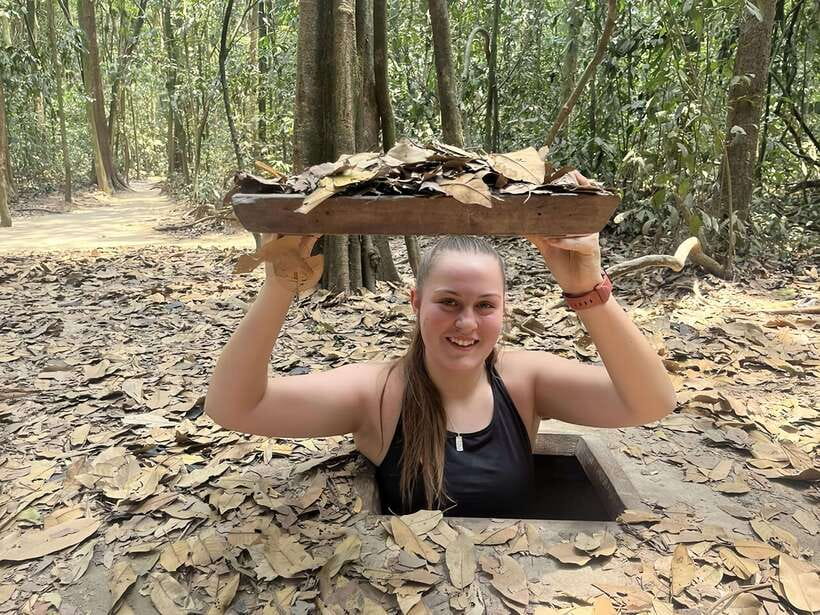
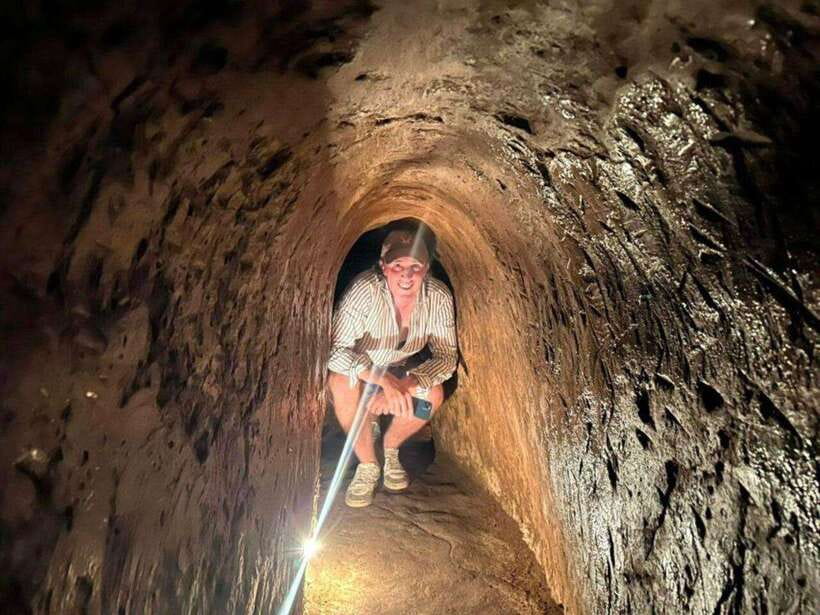
- Crawling Through the Narrow Tunnels: The Main Event
- Secret Hideouts and Tunnel Networks: “Spider-Web” Isn’t Just a Metaphor
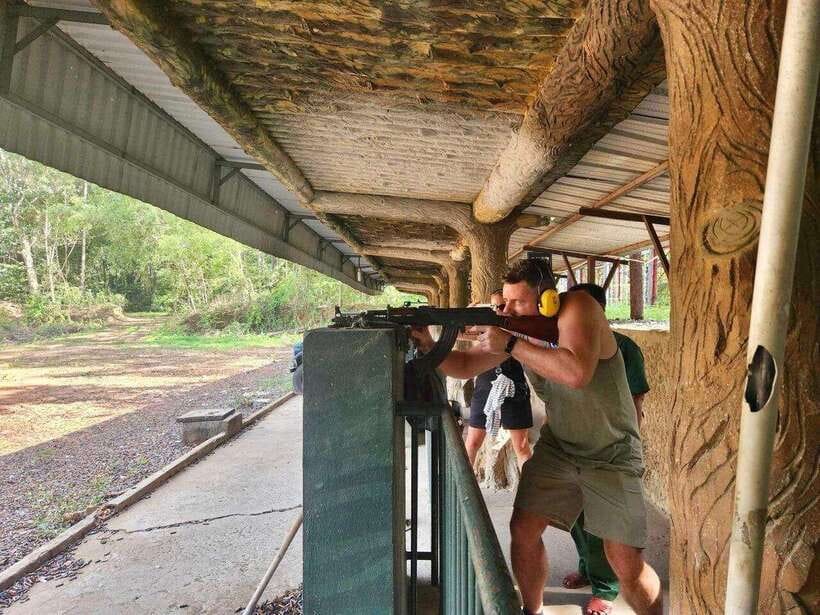
- Shooting Range Add-On: AK-47 and M-60 With Bullet Fees
- Tapioca on a Hoang Cam Stove: Wartime Food With a Point
- Price and Logistics: What You’re Really Paying For
- Who This Tour Fits Best (and Who Might Feel Rushed)
- The Biggest Decision: History First or Add-Ons First
- Should You Book This Small-Group Cu Chi Tunnels Tour?
- FAQ
- How long is the Cu Chi Tunnels small-group tour?
- What does the tour cost?
- What’s included in the price?
- Do I have to pay extra for going down into the tunnels?
- Are bullet fees included if I shoot at the range?
- Are there shooting activities with real guns?
- What languages are available for the tour?
- Is there a holiday surcharge?
- Can I cancel for a full refund?
- Is reserve now and pay later available?
- Do I need to contact before booking?
Key Things to Know Before You Go
- Small-group pickup in HCM City makes the ride feel less chaotic than big-tour buses
- War documentary + authentic footage gives context before you start squeezing through the tunnels
- Camouflage details like leaves used to disguise positions help the story click
- Narrow-tunnel experience is the main event, with possible extra tunnel-entry cost
- Shooting range options come with separate bullet fees and aren’t required to enjoy the tour
- Hoang Cam stove tapioca explains wartime ingenuity in a simple, tasty way
Cu Chi From HCM City: The Easy Small-Group Format
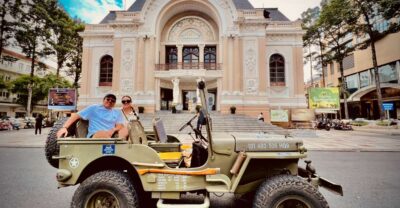
The trip starts the practical way: your guide picks you up right in front of your hotel, then you head to Cu Chi in an AC car. With a total duration of about 6 hours, the timing is built for people who want a meaningful history stop without losing an entire day.
This is also the kind of tour that benefits from small groups. You’re not stuck waiting behind a wall of people whenever you want a photo or a quick clarification. On top of that, you’ll usually get a smoother flow at the tunnels because you’re moving as a unit, not as a crowd.
One more thing I like: the experience is framed as more than just tunnels as an attraction. The guide aims to connect you to Vietnamese tradition, culture, and wartime resilience, so the day feels like a story with a beginning, middle, and end.
You can also read our reviews of more city tours in Ho Chi Minh City



Documentary First: How the Underground City Makes Sense
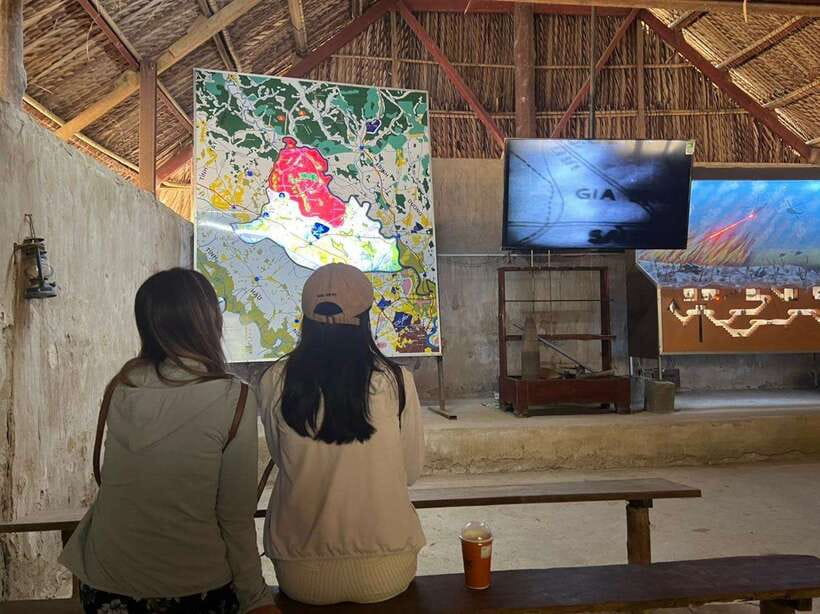
Once you arrive, the tour doesn’t rush you straight into crawling. Instead, you watch short documentaries and real war footage—the kind recorded by camera crews during the conflict. That matters because Cu Chi can look like a maze of dirt and darkness if you don’t have the why behind it.
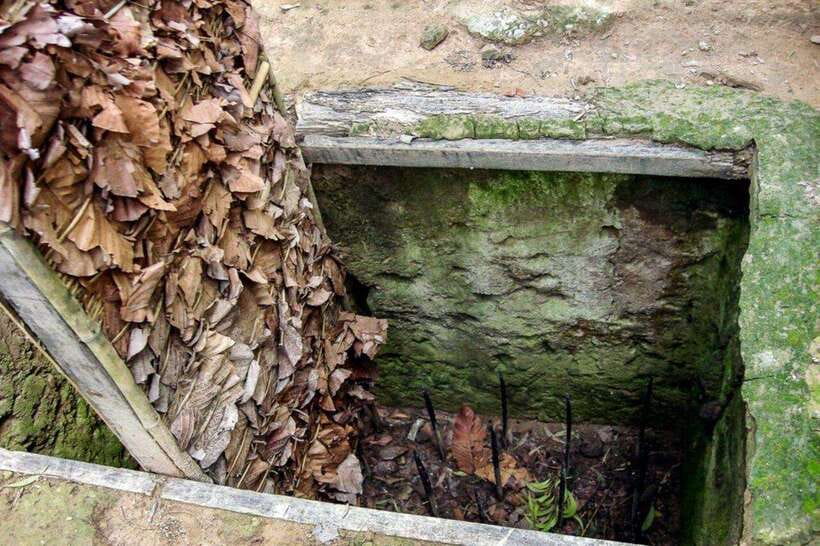
You’ll learn about how guerrillas used natural materials for concealment, including the use of leaves to help hide themselves and blend in. You also get an explanation of the “underground city” idea: a spider-web-like network of tunnels and connections designed to move people and supplies while staying out of sight.
Then the tour brings you to the lived-in side of it: secret refuge areas and hidden routes meant to protect fighters and civilians connected to the resistance. When the guide explains how the tunnels worked as a system—rather than a single hole in the ground—it becomes easier to imagine daily life under pressure.
Crawling Through the Narrow Tunnels: The Main Event
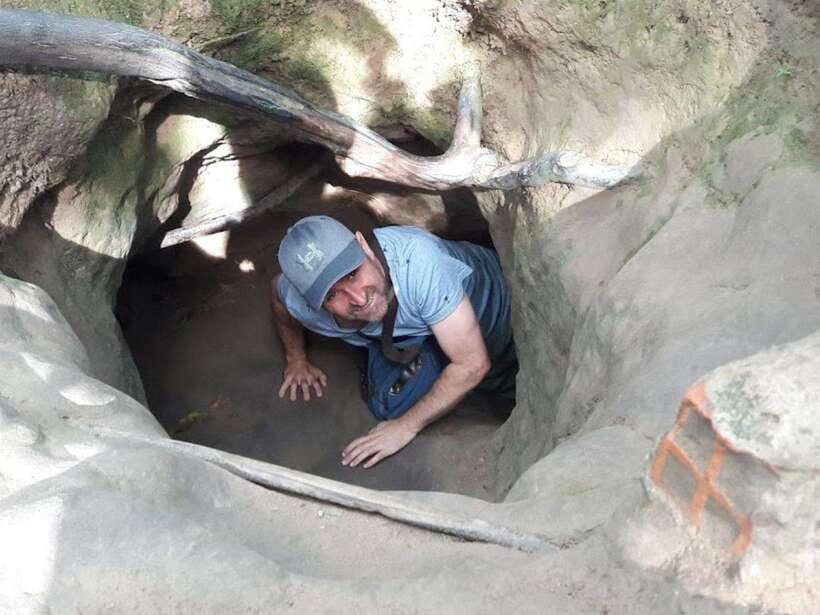
The signature moment is simple to describe and tough to do: you go inside the very narrow tunnels. This is where the history stops being abstract. Once you’re down there, you feel why ventilation, tight spacing, and planning mattered so much.
That said, here’s the important logistics point: there can be a surcharge if you want to go down to the tunnels. The highlights make it sound like you’ll crawl, but the price list also flags that extra cost. If tunnel entry is your priority, confirm whether tunnel descent is included in your booking or if you’ll pay on-site.
How to prepare, practically:
- Wear shoes you can trust with tight footing, and clothing you don’t mind getting dusty.
- Expect that the tunnel experience is physical, not a leisurely walk.
- If you hate small spaces, tell the guide your comfort level early. You might still get plenty out of the surface explanations.
Also note the tour is about 6 hours total. That usually means time moves with purpose. You can ask questions, but you shouldn’t expect unlimited lingering in every tunnel corner.
Secret Hideouts and Tunnel Networks: “Spider-Web” Isn’t Just a Metaphor
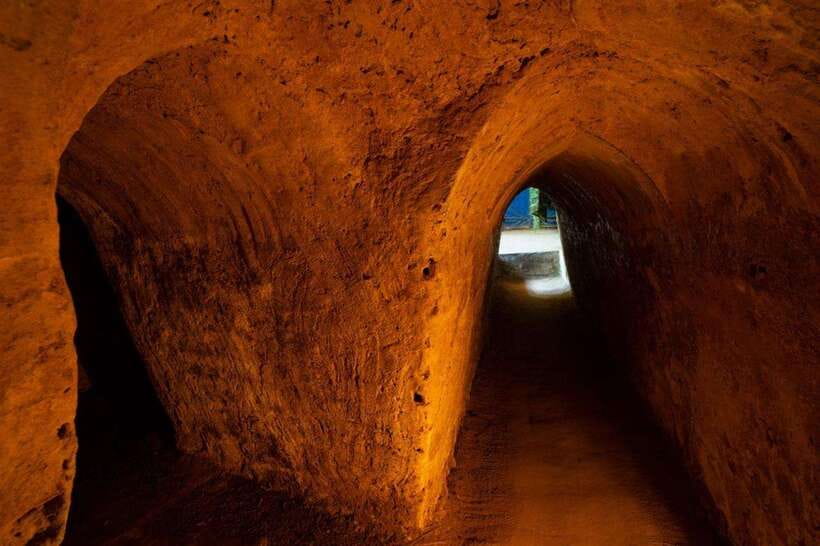
The tunnels aren’t presented as random digging. You explore how the underground routes connect and how hideouts were used to break up movement and protect key people. The “spider’s web” comparison is actually useful, because it hints at the design logic—lots of paths, multiple ways to reach a safe spot, and a system that reduces the chance of getting trapped.
You’ll also hear how the underground living worked in reality. It’s not just combat. The tour frames the tunnels as a place for resistance and survival—a way to keep functioning even when the battlefield pressure was relentless.
If you’re the kind of traveler who likes details—how people made choices under constraints—this part of the day is your payoff. Even if you only catch a few key explanations, the tunnel layout makes the story easier to remember later.
Shooting Range Add-On: AK-47 and M-60 With Bullet Fees

At some point, the tour introduces the chance to handle or experience the shooting range side of Cu Chi. The experience is described with real guns such as the AK-47 and M-60, plus the option to shoot.
This is the clearest “budget warning” in the whole plan. The bullet fee is not included. The listed cost is roughly 600,000 VND for a pack of 10 bullets. So if you’re curious, treat it like an optional add-on, not a guarantee that your $26 covers everything.
I also recommend you decide this before you get there. If you care more about history than about firing, you can skip this and spend your time focusing on the tunnels and documentary context.



Tapioca on a Hoang Cam Stove: Wartime Food With a Point
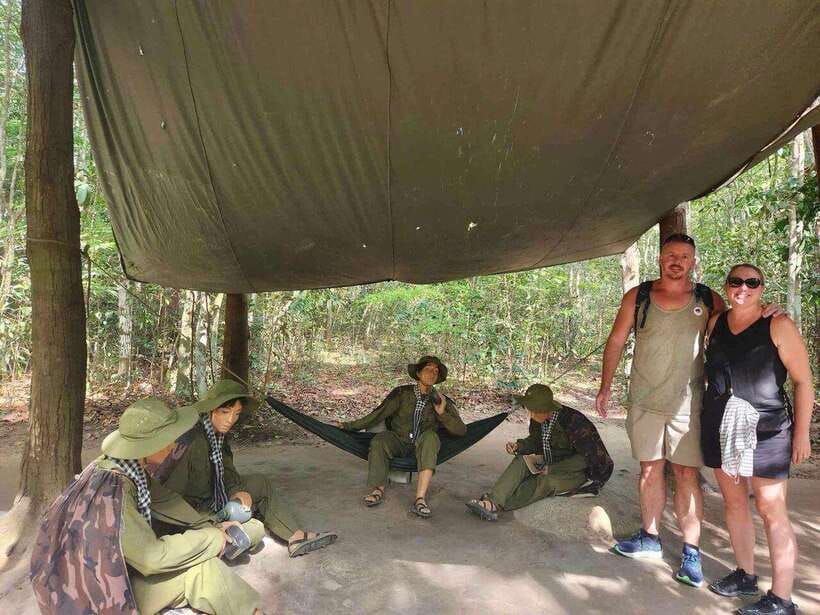
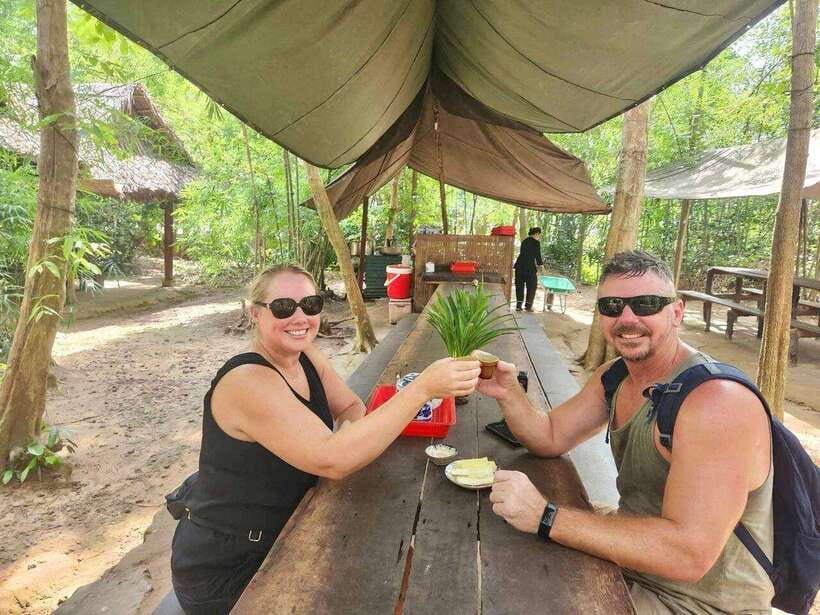
The tour doesn’t stop at visuals. You also taste the wartime food theme: tapioca cooked on a Hoang Cam stove, described as a special stove that can help hide smoke. That’s a small detail, but it’s exactly the kind of ingenuity the tunnels were built for.
The included snack is a light snack with tapioca and tea. It’s not a full meal, so don’t plan your day around this being lunch. It’s more like a taste test with an explanation attached—why food preparation mattered when hiding was life.
If you’re traveling with kids, it also gives a breather moment between heavy history sections. If you’re an adult, it still works because the snack ties back to a single idea: survival depends on systems, not just bravery.
Price and Logistics: What You’re Really Paying For
Let’s talk value, because the listed price is only part of the story.
You’re paying for:
- AC car pickup and drop-off in central HCM City
- An English-speaking guide (and language upgrades if needed)
- Bottled water
- A light snack (tapioca and tea)
At $26 per person for about 6 hours, that’s a solid deal for a full half-day history outing—especially in a place where transport and guided explanation can easily push prices higher.
Where value gets tricky is extras:
- Tunnel descent may require a surcharge
- Shooting has separate bullet fees (roughly 600,000 VND/10 bullets)
- Holiday pricing adds a 30% surcharge to the total price
- Other languages may add a surcharge (even if English is the default)
One more practical caution. A few tour experiences around language can go sideways if you don’t confirm what language you’ll get and whether there are extra charges for it. Guides such as Soni, Long, Wynn, and Tri have been praised for making the history clear and for taking questions at a comfortable pace. But to avoid disappointment, double-check the language plan before you pay.
Who This Tour Fits Best (and Who Might Feel Rushed)
This tour suits you if you want:
- A history-focused Cu Chi day, not just a quick photo stop
- Guided storytelling that connects details like leaf camouflage and underground living
- The main physical challenge (tunnel crawl) plus optional add-ons
It may not suit you if:
- You dislike small spaces and want zero chance of a tight tunnel moment
- You want lots of unstructured time on-site
- You’re traveling with strict expectations about language and total price without add-ons
The format is built for an efficient half-day. That’s good for many people, but if you’re the type who wants to linger for every explanation, you may find the schedule moves faster than you’d like.
The Biggest Decision: History First or Add-Ons First
On this kind of tour, you have a choice in how you experience it. If your priority is history, stay focused on the documentary context, the camouflage explanations, and the tunnel network layout. The tunnel crawl is already a lot.
If you want the full Cu Chi “activity” package, you’ll likely add the shooting range. Just budget for it: bullet fees are separate, and the gun experience is optional.
Either way, the day makes the most sense when you treat it as one connected story. The documentary helps you interpret what you see. The tunnels test that understanding physically. The tapioca ties it back to everyday survival.
Should You Book This Small-Group Cu Chi Tunnels Tour?
If you want a guided, story-based Cu Chi visit from HCM City, I’d say yes—especially at this price point. The combination of guided documentary context, the tunnel experience, and a food moment tied to wartime life gives you more than a “see and leave” outing.
Before you book, do three quick checks:
- Confirm whether going down into the tunnels is included or costs extra
- Confirm your guide language and any surcharges so you don’t pay more later
- Decide if you’ll do the shooting range and budget for bullet fees
If you’re flexible, curious, and okay with the physical reality of narrow tunnels, this is a strong way to spend a half-day in Vietnam history without overspending.
FAQ
How long is the Cu Chi Tunnels small-group tour?
The tour is listed as 6 hours total. You can check availability for specific starting times.
What does the tour cost?
The price is listed as $26 per person.
What’s included in the price?
Included items are AC car pickup and drop-off at the center of Ho Chi Minh City, an English-speaking tour guide (other languages may cost extra), bottled water, and a light snack with tapioca and tea at Cu Chi Tunnels.
Do I have to pay extra for going down into the tunnels?
There is a note that there may be a surcharge if you want to go down to the tunnels, so you should confirm what’s included in your booking.
Are bullet fees included if I shoot at the range?
No. Bullet fees are not included and are listed as roughly 600,000vnd for a pack of 10 bullets.
Are there shooting activities with real guns?
The experience description mentions shooting with real bullets and guns like AK-47 and M-60, but shooting range costs (bullets) are separate.
What languages are available for the tour?
The tour lists guides in English, Chinese, Japanese, French, Italian, Spanish, Korean, Russian, and German. It also notes that there may be a surcharge for other languages.
Is there a holiday surcharge?
Yes. There is a 30% total price surcharge on holidays in Vietnam.
Can I cancel for a full refund?
Yes. Free cancellation is available if you cancel up to 24 hours in advance for a full refund.
Is reserve now and pay later available?
Yes. The option listed is Reserve now & pay later, where you can reserve your spot and pay nothing today.
Do I need to contact before booking?
There is a note asking you to text +84941692765 before booking to check tour availability.