REVIEW · HO CHI MINH CITY
From Ho Chi Minh: 3-Day Mekong Tour&Cai Rang Floating Market
Book on GetYourGuide →Operated by Travel over the world · Bookable on GetYourGuide
Mekong Delta life in three fast days. This Ho Chi Minh City-to-Mekong tour packs Cai Rang Floating Market into the morning and pairs it with Chau Doc culture, temples, and markets—so you see both daily trading and spiritual side trips.
What I like most is how hands-on the river days feel. You’re not only looking from a boat; you also get time on canals, village lanes, and even a bicycle stop through fruit orchards, which changes the pace from pure sightseeing.
One consideration: the schedule is early and active. Mornings start around 06:00–07:30, and you’ll do boat rides plus some walking (especially on Sam Mountain), so it’s best if you’re comfortable with a tight itinerary and long travel days.
In This Review
- Key moments that make this tour worth your time
- Cai Be: canals, orchards, and a calmer Mekong start
- Morning in Can Tho: the Cai Rang Floating Market setup you’ll thank yourself for
- Tra Su Forest in An Giang: mangroves from a rowing-boat perspective
- Chau Doc markets and Sam Mountain temples: culture with a workout
- Price and value: what $189 really buys you
- Guides: English support that makes the days click
- Who should book this Mekong Delta tour (and who might not)
- Should you book it?
- FAQ
- What does the tour cost?
- Is accommodation included?
- Are meals included?
- Which main sites will I visit?
- What boat experiences are included?
- Do I get to cycle during the tour?
- What language is the guide?
- Can I pay later and cancel if plans change?
Key moments that make this tour worth your time
- Cai Be canal boating plus orchard life, with a real village stop for coconut fudge and crispy rice popcorn
- Cai Rang Floating Market in the early hours, plus a noodle-factory walking visit and a Khmer pagoda stop
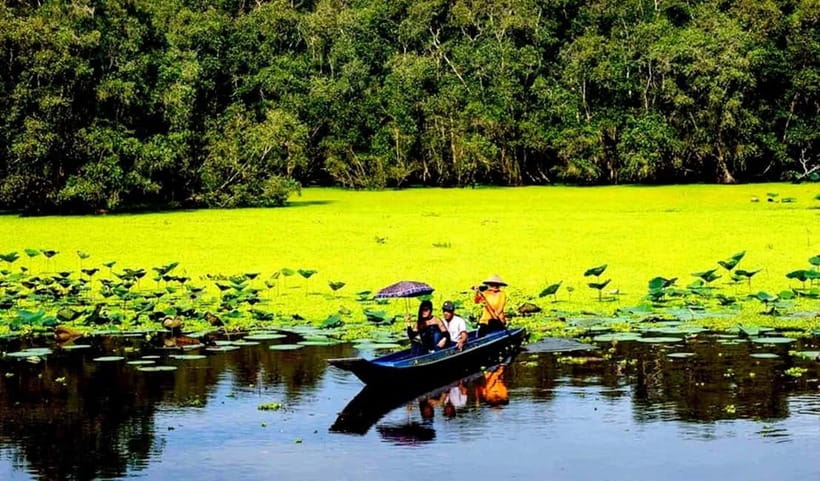
- Tra Su Forest by rowing boat through a mangrove maze in An Giang
- Chau Doc Market and the floating village/Cham Village, for a mix of food, crafts, and culture
- Sam Mountain temples with cave sculptures, including Hang Temple and Ba Chua Xu Temple
Cai Be: canals, orchards, and a calmer Mekong start
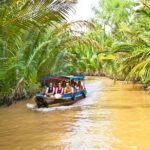
Day 1 begins with hotel pickup in Ho Chi Minh City, then you head to Cai Be, where the Mekong Delta starts feeling like a lived-in place rather than a postcard. Once you arrive, you hop onto a boat ride on the Tien River. This is the tone-setter day: lots of water travel, plus views of fruit orchards and village life along the way.
I like the way the itinerary builds in texture. You’re taken through charming village areas, including mentions of ancient houses and indigenous culture. There’s also time for a family business stop where you can sample coconut fudge and crispy rice popcorn—small, simple food breaks that feel more local than a formal restaurant stop.
Later, you get a lunch break in a garden setting, where you can slow down and reset. This helps, because the day isn’t just floating around. You also have bicycle rental time to ride through orchards and spend a bit of time interacting with islanders about daily routines. Even if you don’t pedal hard, it’s a nice change from the constant boat motion.
Why this matters for you: Cai Be is a smart opener because it gives context. After seeing canals, orchards, and how people make food and live with the river, Cai Rang on Day 2 hits harder—you understand what you’re looking at.
Possible drawback: Day 1 is packed with activity and transition time. If heat and sun wear you down, plan for it with water and a hat, and don’t treat this as a lazy day.
At the end of the river day, you return by boat to Cai Be and continue on toward Can Tho for your overnight stay.
You can also read our reviews of more shopping tours in Ho Chi Minh City
Morning in Can Tho: the Cai Rang Floating Market setup you’ll thank yourself for
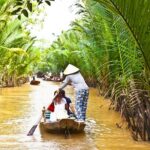
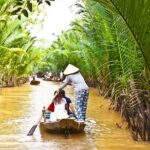
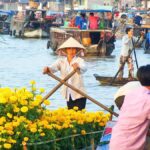
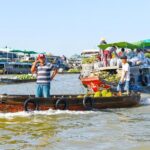
Day 2 is where the big signature experience lands: Cai Rang Floating Market. The day starts early, around 06:00, with breakfast at your hotel, then a boat ride exploring scenic tributaries of the Hau River. That short stretch of cruising is important. It gives you the feeling of how these markets function—goods moving along waterways rather than lining up in one fixed spot.
Then the market visit happens in the morning. You’ll see the floating market bustle and the trading rhythm up close, and you’ll also visit a local noodle factory on foot. That factory stop is a good anchor because it ties the market’s energy to actual production—people making, selling, and moving.
Next comes Munir Ansay Pagoda, a Khmer temple known for its distinctive architecture. This kind of stop breaks the day into two worlds: water commerce in the morning, and religious/cultural context later.
After that, you head to the Con Son tourist area for a fruit plantation visit. Here you can taste seasonal fruits, which is a nice pairing after all the market viewing—you’re moving from seeing fruit supply chains to tasting what’s in season.
Then lunch comes before you travel on to Chau Doc. This leg matters because it sets up the next two “Chau Doc days” feeling. You’re not just arriving and leaving; you’re building your base for markets, forest, and mountain temples.
Practical note: This day is long, and you’ll shift between boat time and land time. If you get motion sick easily, consider bringing your usual remedy and keep your attention on the horizon during boat stretches.
Tra Su Forest in An Giang: mangroves from a rowing-boat perspective
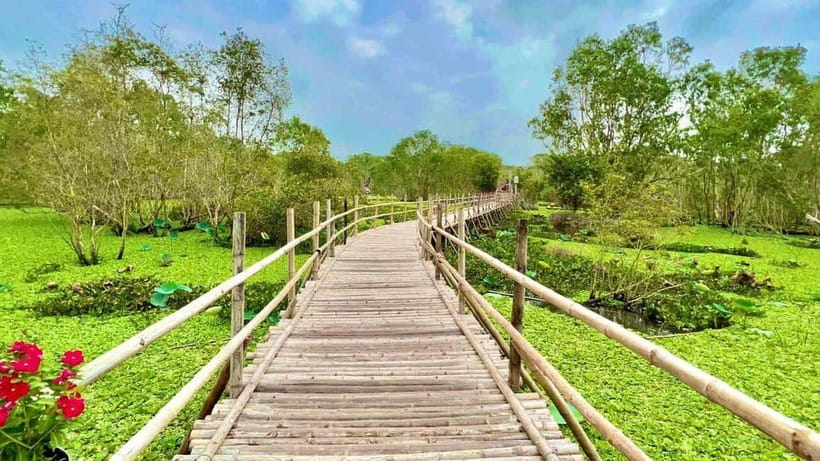
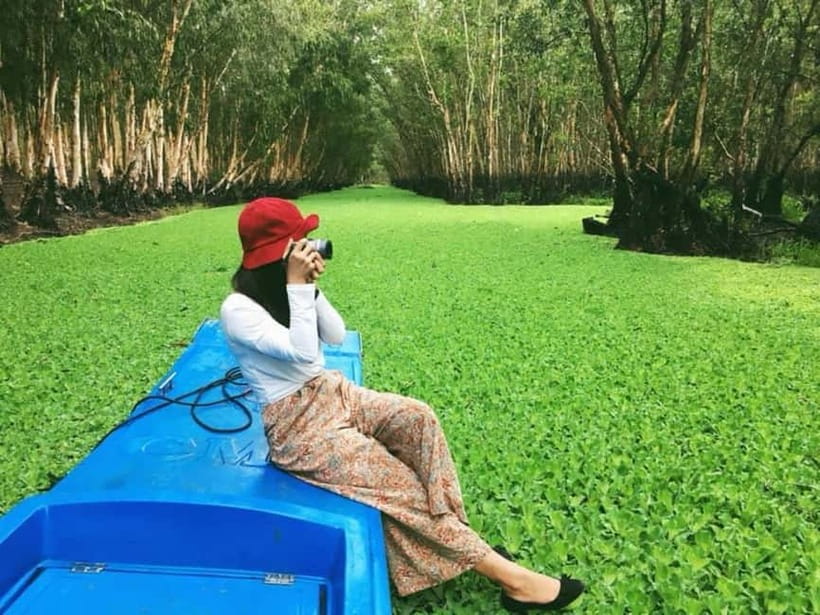
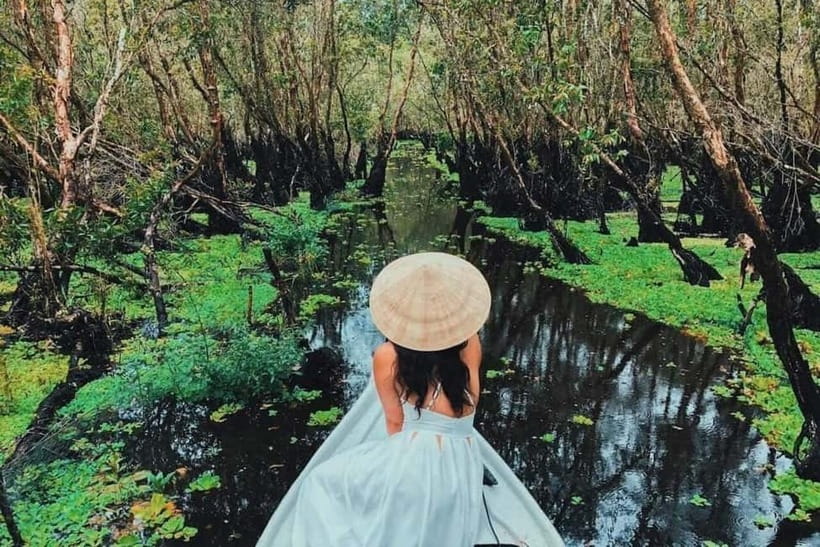
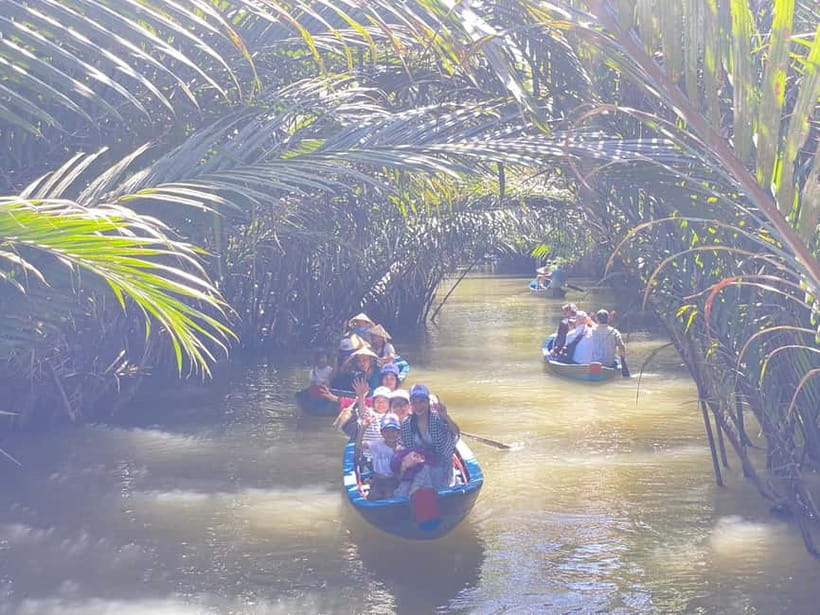
After the market day, Day 2 shifts into nature: Tra Su Forest in An Giang. The tour frames it as a mangrove forest with diverse flora and fauna, which is a fair description—but the real selling point here is the ride style. You go through the forest by rowing boat, which keeps you low and close to the water and greenery.
If you like small-scale travel moments, this is one of them. You’re not looking at trees from a big viewpoint. You’re gliding through narrow waterways where the forest and water feel tightly connected. The photos tend to look good because your boat position stays consistent while the greenery slides past on both sides.
After the forest stop, you check in and relax at your hotel in Chau Doc. The day ends with dinner at a local restaurant, giving you a proper reset after a nature-focused afternoon.
What to consider: nature days mean insects and humidity can be real. Keep plans flexible, and pack bug repellent if you use it at home. Also, bring a light layer you can handle when shade from the forest changes the temperature.
Chau Doc markets and Sam Mountain temples: culture with a workout
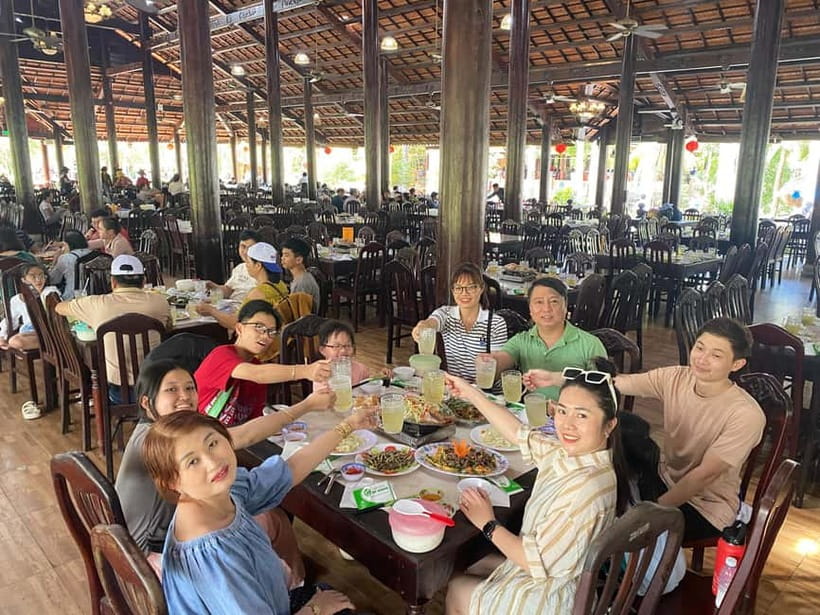
Day 3 starts with Chau Doc life. First you visit the floating village and then the Cham Village, learning about the cultural heritage shared between the Cham people and the Mekong Delta region. This gives you a wider lens than just food and scenery. You’re seeing how communities connect to the river and to their own history.
Next is the Chau Doc Market, where you can experience the everyday rhythm of local life. This is the kind of place where you’ll notice variety fast: fresh produce, handmade items, and unique imports from Cambodia. The smells from local dishes and the mix of goods make this a strong final-day atmosphere stop.
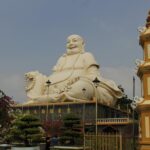
Then comes a “walk and climb” section: Hang Temple on Sam Mountain. The itinerary describes ascending a mountain path, surrounded by greenery, to find a serene cave sanctuary. Inside, you’ll see intricate Buddhist sculptures. It’s one of those experiences that turns a simple sightseeing day into something quieter and more thoughtful.
After Hang Temple, you pay respects at Ba Chua Xu Temple, a sacred site revered by locals, and you offer prayers for good fortune. That’s a meaningful stop if you’re curious about how faith shows up in daily travel.
After lunch, there’s time to capture lotus fields in bloom. Then the day continues to Go Thap historical site before your trip back toward Ho Chi Minh City.
Why this pacing works: the market gives you energy, then the mountain temples slow you down. If your photos usually come out best after you stop rushing, you’ll appreciate this mix.
What to watch for: Sam Mountain is a cave-and-temple climb. Wear shoes that handle uneven paths. If your knees aren’t fans of stairs, take your time and keep breaks short but frequent.
Price and value: what $189 really buys you
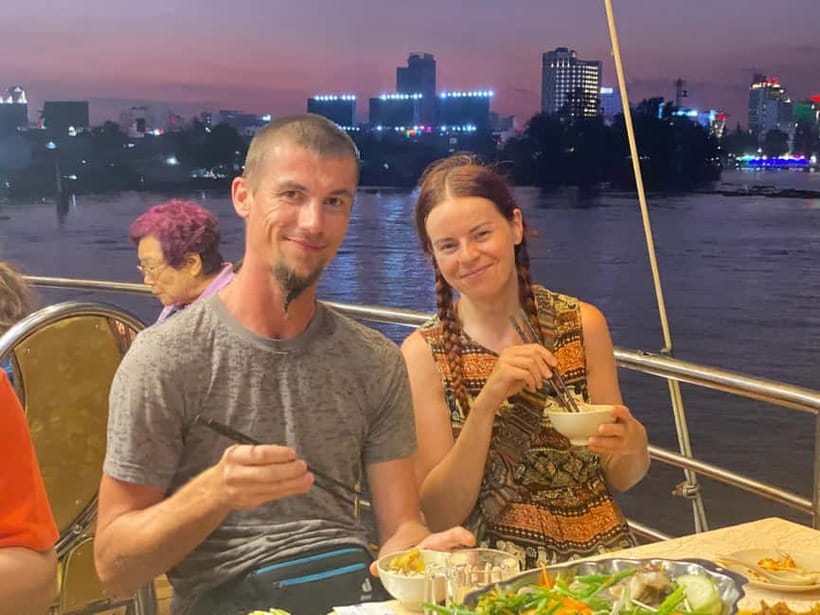
At $189 per person, this tour sits in the “active highlights” category. You’re paying for more than tickets—you’re paying for the logistics that would be annoying to piece together on your own: transfers, multiple boat rides, entrance fees, and an English-speaking guide to connect the dots between culture, markets, and nature.
Here’s what you’re getting that’s hard to DIY quickly:
- Boat rides across different waterways (Tien River area, Hau River tributaries, and rowing in Tra Su Forest)
- A structured sequence of market + temple + forest stops in three days
- Entrance fees included for the listed sites
- A guide who keeps the schedule running and helps you understand what you’re seeing
The main gap to factor into your personal budget: accommodation isn’t included in the tour price, even though the plan includes an overnight in Can Tho and hotel check-in in Chau Doc. If you’re budgeting, you’ll need to add lodging costs on top of the $189.
If you’re traveling solo and want a single room, there’s an additional charge noted as 900,000 VND for the extra single room. That’s not unusual in Vietnam, but it’s important for comparing real trip cost versus a headline price.
Value verdict: if you want a guided, boat-heavy Mekong Delta loop with multiple named stops, the price feels fair. If you’d rather slow down and choose your own pace, you might find better value by building a custom route.
You can also read our reviews of more tours and experiences in Ho Chi Minh City
Guides: English support that makes the days click
A big reason this kind of tour works is the guide. In past runs, the tour has been led by English-speaking guides including Vi, Leo, Lâm, and Daisy. What stands out from their approach is how they handle day flow: you get clear explanations, and you can ask questions without feeling like you’re interrupting.
One example from a past group situation: Vi reorganized the second day for people continuing toward Cambodia so they wouldn’t miss planned items. That’s a practical sign of flexibility—useful when schedules are tight and you’re not traveling with an easy pace.
Another thing I like from these guide styles is that they don’t treat the Mekong only as scenery. They connect market scenes to everyday life—how people work, trade, and practice religion—so you leave with more than photos.
Who should book this Mekong Delta tour (and who might not)
This tour is a strong match if you:
- Want Cai Rang Floating Market early-day access rather than squeezing it in later
- Like a mix of river life, market culture, nature, and temples
- Prefer having logistics handled: transfers, boat rides, and entrance fees lined up
You might want to think twice if you:
- Want a slow pace with long breaks
- Don’t enjoy climbing or walking sections on Sam Mountain
- Plan to spend lots of time lingering in fewer places rather than hitting many different stops
If you’re traveling with kids, you’ll need to judge your family’s stamina. Most of the itinerary is active and spread out by boat and road, so it’s not built for strollers or very short attention spans.
Should you book it?
Book it if you want a structured 3-day Mekong Delta experience that includes the big names: Cai Rang Floating Market, Tra Su Forest, and Chau Doc temples and markets. The guide support and included boat rides are the core value, and the three-day rhythm is good at keeping you from feeling lost in the Delta.
Don’t book it if you’re chasing downtime. The mornings start early, the pace is busy, and accommodation costs sit outside the listed price. If that doesn’t bother you—and if you’re comfortable with a packed itinerary—this is an efficient way to see Southern Vietnam’s river world with real context.
FAQ
What does the tour cost?
The price is $189 per person.
Is accommodation included?
No. Accommodation is listed as not included, even though the itinerary mentions an overnight in Can Tho and a hotel in Chau Doc. If you book, confirm exactly which nights are covered (if any) by your package.
Are meals included?
Lunch and dinner are included on selected days. The itinerary also schedules breakfast on Day 2 and Day 3 (labeled as B), but you’ll want to confirm how breakfast works with your accommodation arrangements.
Which main sites will I visit?
You’ll visit Cai Be (Day 1), the Cai Rang Floating Market (Day 2), Tra Su Forest (Day 2), Chau Doc Market (Day 3), plus temple and cultural stops including Munir Ansay Pagoda, Hang Temple, Ba Chua Xu Temple, and Go Thap.
What boat experiences are included?
Boat rides are included, including a boat ride on the Tien River at Cai Be, a boat ride exploring Hau River tributaries toward Cai Rang, and a rowing boat trip through Tra Su Forest.
Do I get to cycle during the tour?
Yes. Bicycle rental is listed as included, and the itinerary includes cycling through orchard areas.
What language is the guide?
The tour includes an English-speaking guide.
Can I pay later and cancel if plans change?
The offer includes Reserve & Pay Later, meaning you can reserve and pay nothing today. Cancellation is listed as free up to 24 hours in advance for a full refund.
If you tell me your travel month and whether you prefer early mornings or slower afternoons, I can help you judge if this pace fits you.