REVIEW · HO CHI MINH CITY
From Ho Chi Minh: Mekong Delta 3-Day Tour with Tra Su Forest
Book on GetYourGuide →Operated by Duy Amma · Bookable on GetYourGuide
A river trip in southern Vietnam feels like a different country. This 3-day route mixes boat time on the Mekong waterways with iconic stops like Vinh Trang Pagoda and the Tra Sư cajuput forest.
I especially like the hands-on farm and island moments on Day 1 (pomelo, bee farm, honey tea) and the signature forest boat ride on Day 2.
One drawback to consider: the experience can lean more local and tour-timed than English-only, so if you want lots of calm explanations and lots of meal flexibility, you should check expectations early.
Here’s what makes this tour worth your attention, and where you might want to adjust your mindset.
In This Review
- Key highlights at a glance
- Mekong Delta route: why this 3 days works (and when it won’t)
- Day 1 in Mỹ Tho, Bến Tre, and onward to Châu Đốc: pagodas, islands, and coconut boats
- Vinh Trang Pagoda: the big, standout temple stop
- Tien River boat to Unicorn Island: pomelo, bees, and honey tea
- Bến Tre: coconut candy factory and a canal rowing ride
- Châu Đốc: an overnight base in the far south Delta
- Day 2 Châu Đốc to Cần Thơ: Sam Mountain temples, Khmer pagodas, and Tra Sư’s calm
- Vĩnh Tế canal: scenery with context
- Trà Sư Mangrove Forest: the signature nature experience
- Cần Thơ: two things, and then the night is yours
- Cần Thơ at night: cruise dinner rules and how to enjoy the free time
- Day 3 Cái Răng floating market and the Trúc Lâm + Purple House contrast
- Leaving the water: Trúc Lâm Zen Monastery
- Mỹ Khánh Tourist Village: time on your terms
- Purple House café: a playful ending before HCMC
- Food, fish, and timing: how to avoid the common trip annoyances
- Price and logistics: what you’re really paying for at about $171
- Who should book this Mekong Delta 3-day tour?
- Should you book it?
- FAQ
- How long is this Mekong Delta tour?
- How much does it cost?
- What areas does the itinerary cover?
- Is Tra Sư Forest included?
- What are the main sights on Day 1?
- What are the main sights on Day 2?
- What are the main sights on Day 3?
- What meals are included?
- What isn’t included in the tour price?
Key highlights at a glance
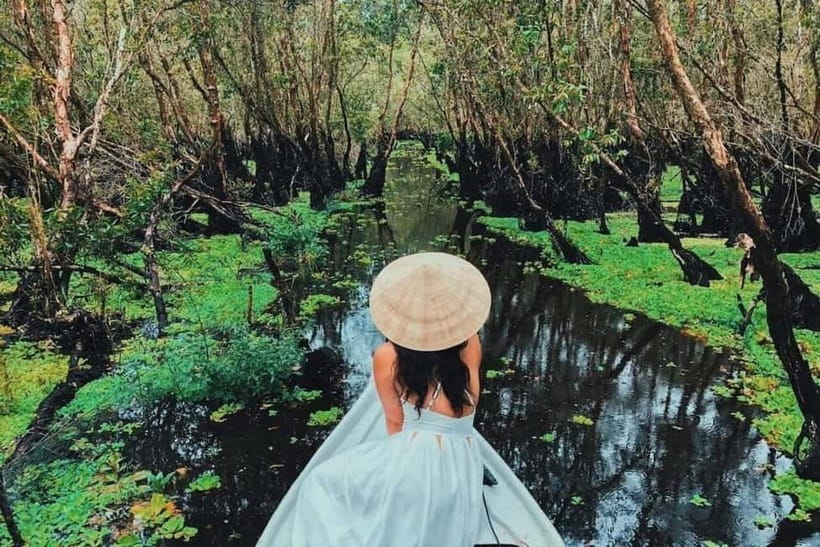
- Tra Sư cajuput forest boat ride through quiet canals where the forest feels like a living wall of leaves
- Vinh Trang Pagoda in Mỹ Tho, known for being among the biggest and most distinctive in the Mekong Delta
- Unicorn Island fruit and beekeeping time, plus honey tea and royal jelly
- Coconut candy factory + canal rowing in Bến Tre, a classic Mekong Delta combo
- Cái Răng floating market and daily river-life routines from the water
- Trúc Lâm Zen Monastery + Purple House as a modern-to-weird contrast before heading back to HCMC
Mekong Delta route: why this 3 days works (and when it won’t)
This tour is built around the Mekong Delta’s “south-of-south” rhythm: waterways first, towns second, temples and village stops in between. You’ll spend time on boats (including motorized rides and smaller canal cruising), plus you’ll hit a few major sights that people use as shorthand for the region.
I like that the itinerary spreads the Delta across three different flavors. Day 1 leans rural and agricultural (islands, fruit, honey, coconuts). Day 2 adds the sacred side (Sam Mountain’s Lady Temple area) and then the most atmospheric nature stop (Tra Sư forest). Day 3 is all about river life and then a couple of standout “only-here” attractions before returning to Ho Chi Minh City.
The main thing to know: this is a packaged, time-managed experience. That can be a plus if you want a smooth route with transport and tickets handled. But if you’re the type who hates being rushed, or you’re picky about food variety and language comfort, you may feel the seams.
You can also read our reviews of more tours and experiences in Ho Chi Minh City
Day 1 in Mỹ Tho, Bến Tre, and onward to Châu Đốc: pagodas, islands, and coconut boats
Day 1 starts with an early pickup from your hotel in Ho Chi Minh City around 7:00 am. You’ll ride about 1.5 hours through green rice fields before reaching the Mỹ Tho area. There’s a short Mekong rest stop break (about 15 minutes), which is useful because you’ll be mixing land travel with multiple water segments right after.
Vinh Trang Pagoda: the big, standout temple stop
Around 8:30–10:00 am, you’ll head to Vinh Trang Pagoda. This is described as one of the oldest and most ancient pagodas in southern Vietnam, and also one of the largest in the Mekong Delta, with architecture that’s meant to feel special even if you’re not a hardcore temple person.
If you’re used to temples as “quick photos and go,” this stop is a good time to slow down. Look at how the design reads from different angles, and notice how the pagoda fits into the region’s everyday spiritual life rather than feeling isolated.
Tien River boat to Unicorn Island: pomelo, bees, and honey tea
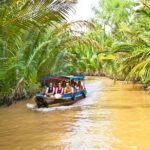
Next you move onto a motorized boat on the Tien River for an island visit. You’ll dock at Unicorn Island, where the focus turns agricultural.
You get a pomelo farm and a bee farm visit in the same block. The tour also includes tasting items like honey tea and royal jelly from the farm. This is one of the best parts for value because it’s not just looking. You’re seeing how the Delta turns crops and insects into products people actually buy.
Quick tip: if you’re sensitive to strong smells or sweet flavors, sample lightly first. Bee-related products can be intense even if you like honey.
Bến Tre: coconut candy factory and a canal rowing ride
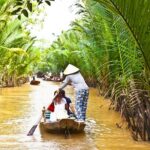
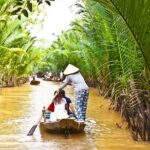
After returning to the boat, the route heads to Bến Tre, described as the hometown of coconuts. You’ll stop at a coconut candy factory, then move into a classic Mekong Delta scene: a rowing boat through a narrow canal shaded by water coconuts on both sides.
This rowing section is the kind of quiet interlude that makes the tour feel worth it. The point isn’t speed—it’s watching how the canal life looks when you’re not in a large tour boat.
Then it’s lunch around the restaurant area, followed by more boat time on the way back to the bus.
Châu Đốc: an overnight base in the far south Delta
In the evening, you continue to Châu Đốc City for one night in a 3-star hotel. The itinerary doesn’t promise a ton of structured activities here beyond the next day’s temple-and-canal route, so treat the arrival as a reset: wash up, get an early sleep, and be ready for the next day’s walking.
Day 2 Châu Đốc to Cần Thơ: Sam Mountain temples, Khmer pagodas, and Tra Sư’s calm
Day 2 starts with breakfast at your hotel. Then you’ll visit a cluster around the Lady Temple of Sam Mountain, plus nearby landmarks including Thoại Ngọc Hầu’s Tomb and Tây An Temple.
This section matters because it gives you the Delta’s religious “layering.” The Mekong Delta isn’t only Vietnamese Kinh Buddhist culture. The route also mentions Khmer pagodas, plus mountain names like Cấm Mountain and Két Mountain, and the scenic role of the Vĩnh Tế canal during the drive. Even if you don’t study the names, you’ll feel the difference in architecture and the way different communities live side-by-side here.
Vĩnh Tế canal: scenery with context
As you keep moving along the canal area, you’ll pass views tied to the region’s water geography. This is one of those stretches where the scenery is the story—water shapes where settlements happen and how people travel.
Trà Sư Mangrove Forest: the signature nature experience
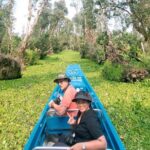
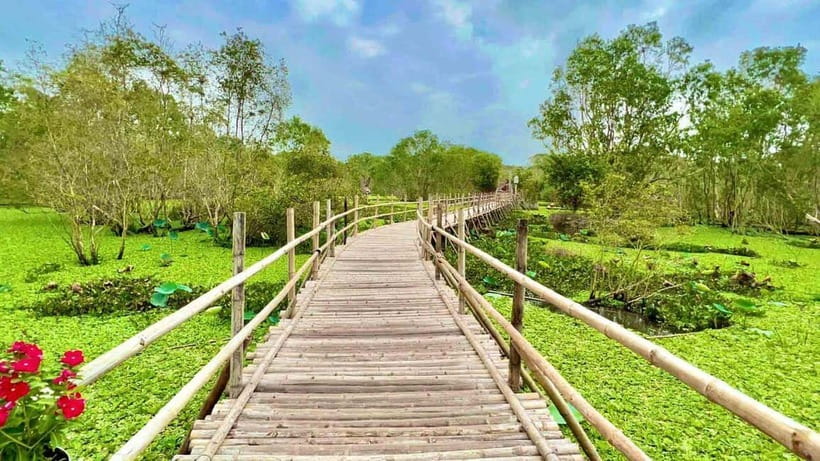
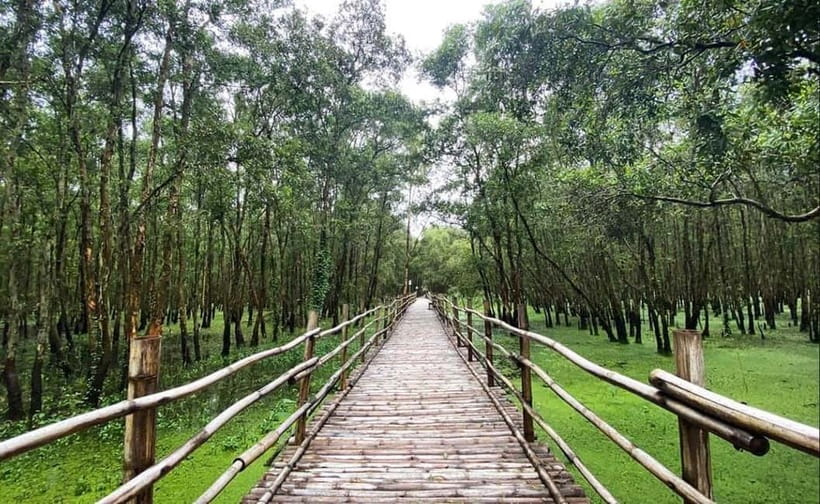
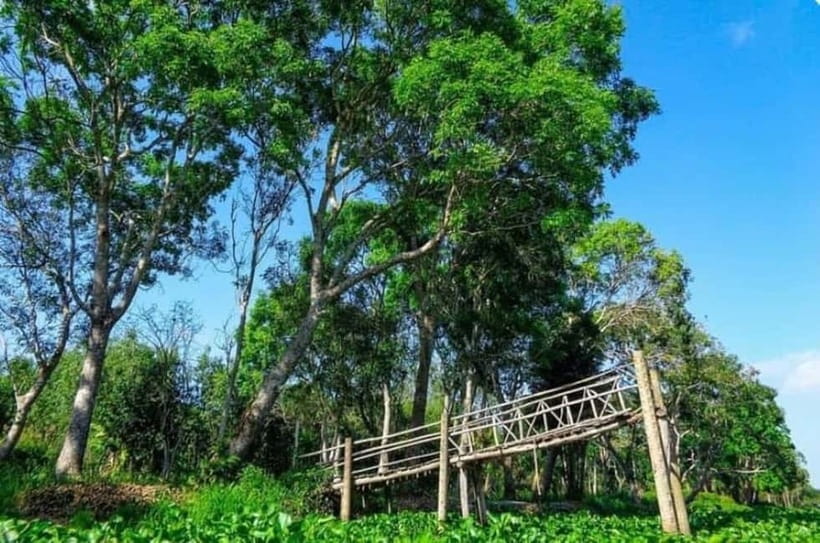
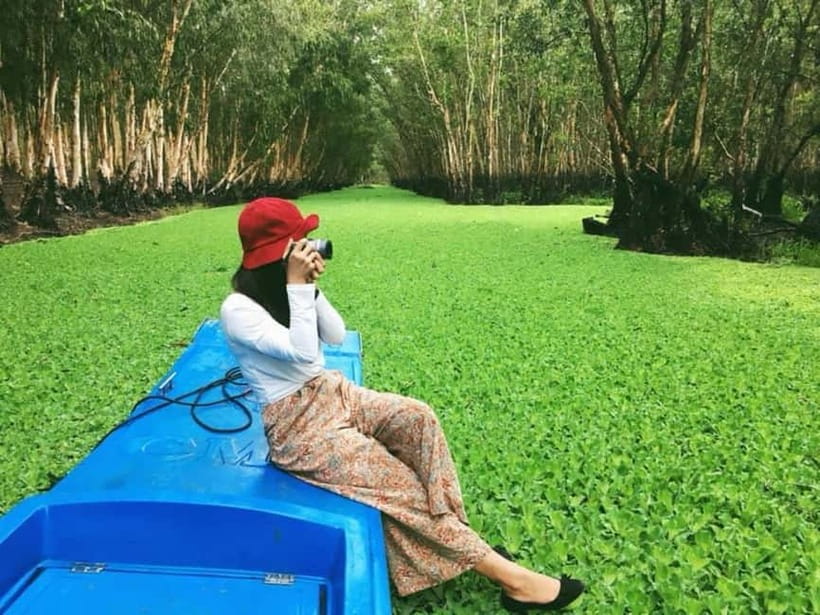
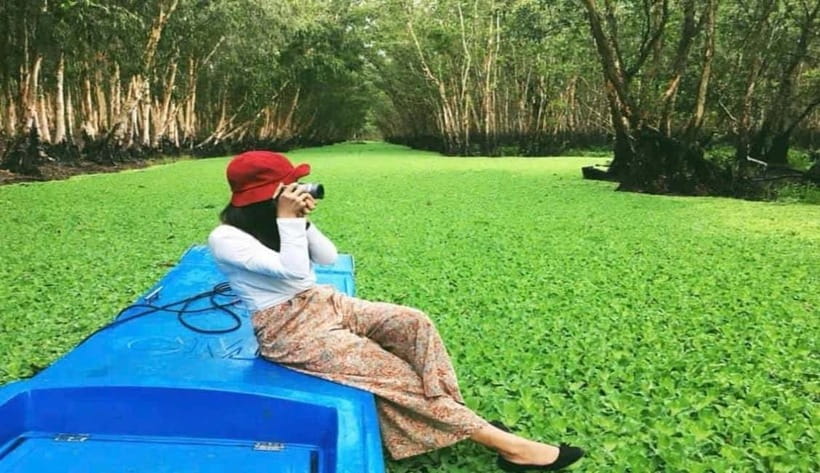
The day’s big nature highlight is Trà Sư Mangrove Forest (also described as a Tra Sư cajuput forest experience). You’ll arrive and then take a motorboat for about 10 minutes through smaller canals.
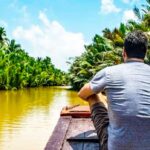
This is the heart of what most people come for: a calm boat ride where the forest canopy and the watery channel create a “slow motion” effect. It’s not loud like city sightseeing. You’ll likely spend more time looking and less time being herded through photo stops.
A practical note: the boat ride timing can feel short compared to how long you want to stare at the scenery. If you’re sensitive to motion, sit where you feel stable and keep water handy.
Cần Thơ: two things, and then the night is yours
After Tra Sư, you head to Cần Thơ, where you’ll stay for the second night.
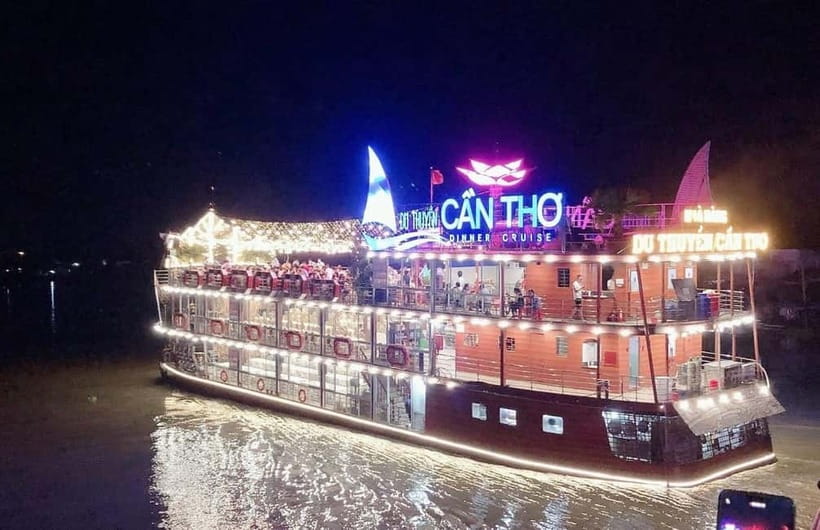
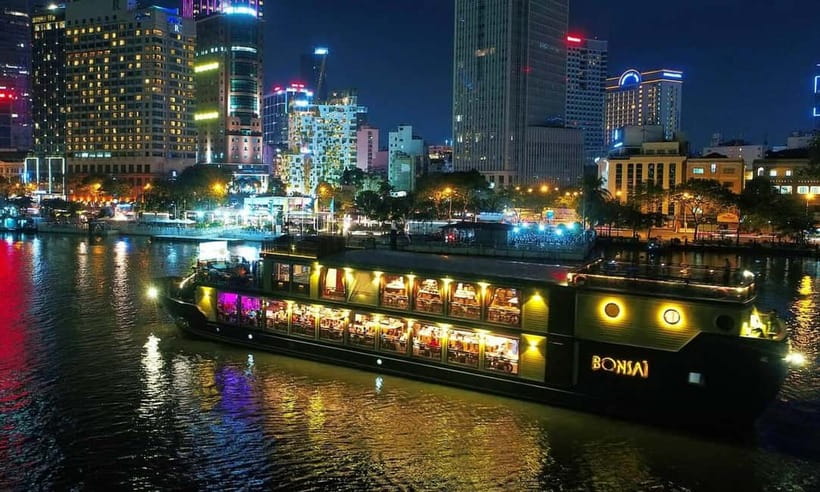
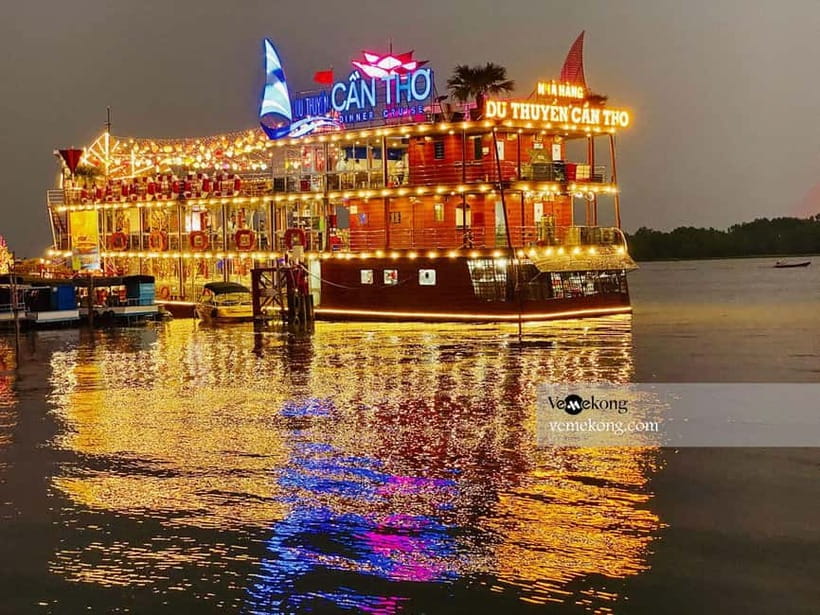
Dinner is on a 5-star cruise, and the itinerary also gives you free time after dinner to explore on your own. You can wander around the walking street and check out the Ninh Kiều night market area.
Here’s the balanced consideration: cruise dinners can be fun, but they also tend to run with loud onboard entertainment. If you’re noise-sensitive, think ahead. Earplugs are small and worth it.
Cần Thơ at night: cruise dinner rules and how to enjoy the free time
The tour builds one structured dinner and then hands you the rest of the evening. That’s good, because you can match your energy level to your appetite for street life.
If you’re in the mood for quick bites, you’ll have the option of wandering around Ninh Kiều night market and sampling local street food. If you prefer calmer pacing, use the walking street area for an easy stroll, then head back early.
One detail to take seriously: dinner on the cruise may include fish. A negative experience shared with this itinerary highlights how fish can show up repeatedly and how that can affect the mood of the meal experience if you don’t want fish as a default. If you have a food preference—or a strong dislike—say it clearly at the start of the trip and confirm you’re not locked into fish for every meal.
Day 3 Cái Răng floating market and the Trúc Lâm + Purple House contrast
Day 3 begins with breakfast, then heads to the Cái Răng floating market. This is the tour’s river-life centerpiece.
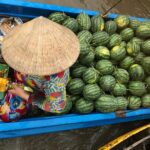
You’ll take a boat trip where you can see how Vietnamese people live on the river and do ordinary activities, including selling things from the water. The value here is that you’re not only seeing boats—you’re seeing routines. Markets like this work because the sellers and buyers are part of the same river system.
If you’re worried about the market feeling crowded, treat it like a moving window rather than a single “look around” moment. Keep your camera ready but also enjoy the motion and the small exchanges.
Leaving the water: Trúc Lâm Zen Monastery
After the floating market, you’ll visit Trúc Lâm Zen Monastery, described as the biggest monastery in the Mekong Delta. This stop shifts the vibe from busy river trading to a more contemplative, viewpoint-style temple.
Even if you only stay for the highlights, it’s a smart break in pacing. You’ll likely get a clearer sense of why the Mekong Delta has become a destination for both spiritual architecture and scenic overlooks.
Mỹ Khánh Tourist Village: time on your terms
Next you’ll head to Mỹ Khánh Tourist Village. The itinerary gives you free time and includes lunch there.
This is also one of the stops where you should calibrate expectations. Tourist villages can feel more staged than raw countryside. If you like easy strolling, snack time, and casual “walk around” variety, you’ll probably enjoy it. If you want only nature and authentic daily life, you may treat this as a flexible break rather than a must-see.
Purple House café: a playful ending before HCMC
After lunch, you’ll visit the Purple House, described as a café decorated in purple. It’s exactly the kind of quirky, photo-friendly stop that gives the last day personality.
It’s not the region’s most historic moment, but it’s useful. You get a light, low-stress final activity before the ride back.
Then you return to Ho Chi Minh City, arriving at around 6:00 pm.
Food, fish, and timing: how to avoid the common trip annoyances
This tour includes 3 breakfasts, 3 lunches, and 1 dinner plus entrance fees. In theory, that removes decision fatigue. In practice, group meals can feel repetitive if the menu leans heavily in one direction.
One supplied experience flagged meals as not great and described fish as a repeated dish. Whether that happens every day or not, you should assume fish could be common and plan accordingly.
Here’s what I’d do:
- If you don’t want fish, tell your guide up front and ask for an alternative early.
- If you have dietary restrictions, speak clearly at the start, not when the plate arrives.
- If you’re okay with fish but want variety, keep snacks and water on hand during the bus-heavy stretches.
Also, keep your expectations aligned with the schedule. There are multiple transitions each day: hotel pickup, drive, pagoda, boat, island/factory, rowing canal time, and then more transport. That rhythm is fun, but it also means you’ll feel the group pace. Build in a willingness to treat it as a “route trip,” not slow travel.
Price and logistics: what you’re really paying for at about $171
At $171 per person for a 3-day tour, you’re paying for a lot of moving parts: transport from Ho Chi Minh City, an English-speaking guide, hotel nights (2 nights in 3-star hotels), and entrance fees. You’re also paying for multiple boat segments—on the Tien River, through canal systems in the Tra Sư area, and on the floating-market outing.
Value usually comes down to this: do you want the route built for you, with tickets and timing handled? If yes, the price looks reasonable for what’s included.
If your priority is maximum freedom—stopping when you feel like it, skipping any tourist stops you don’t enjoy, or insisting on quiet and low crowding—then a packaged tour may feel tight.
One more logistics point: even with an English-speaking guide, you might find certain explanations run more smoothly in Vietnamese. If language clarity is essential for you, ask early how the guide communicates key information, especially during boat rides and meal breaks.
Who should book this Mekong Delta 3-day tour?
This trip is best for you if:
- You want a structured Mekong Delta sampler in 3 days from Ho Chi Minh City
- You care about Tra Sư forest and river-life markets
- You like a mix of nature, temples, and a few memorable quirky stops like the Purple House
- You’re comfortable with group pacing and included meals
You might skip it (or upgrade your expectations) if:
- You dislike fish or have strict dietary needs and don’t want to manage meal substitutions
- You need highly consistent English commentary at every step
- You strongly prefer off-the-beaten-path countryside with minimal tourist infrastructure
If you decide to go, go prepared to communicate your preferences early, and treat the tour as a route experience—not a slow, flexible day.
Should you book it?
I’d book this if you want the big Mekong highlights without planning every transport leg yourself. The combination of Vinh Trang Pagoda, Unicorn Island farm time, the Bến Tre coconut canal rowing, Sam Mountain temples, Tra Sư cajuput forest, and Cái Răng floating market gives you a lot of regional identity per day.
I’d think twice if your comfort depends on quiet meals, tight English-only narration, or a flexible schedule. The tour can run more local and tour-managed than you might expect, and the food pattern may be a deal-breaker if fish is an issue for you.
If those are your concerns, send a clear note to confirm what meals look like and how language support works before you commit.
FAQ
How long is this Mekong Delta tour?
It’s a 3-day tour.
How much does it cost?
The price listed is $171 per person.
What areas does the itinerary cover?
It runs from Ho Chi Minh City to Mỹ Tho and Bến Tre on Day 1, then to Châu Đốc for an overnight, then to Cần Thơ with stops including Trà Sư, and finally to Cái Răng floating market, Mỹ Khánh Tourist Village, and the Purple House before returning to Ho Chi Minh City.
Is Tra Sư Forest included?
Yes. You’ll visit Trà Sư Mangrove Forest and take a motorboat ride through small canals.
What are the main sights on Day 1?
You visit Vinh Trang Pagoda, take a boat to Unicorn Island (pomelo and bee farm stops with honey tea and royal jelly), visit a coconut candy factory in Bến Tre, enjoy a canal rowing boat ride, and then travel to Châu Đốc for the night.
What are the main sights on Day 2?
You visit the Lady Temple of Sam Mountain, Thoại Ngọc Hầu’s Tomb, Tây An Temple, and the Vĩnh Tế canal area (including Cấm Mountain and Két Mountain and Khmer pagodas). Then you go to Trà Sư Forest and head to Cần Thơ. Dinner is on a 5-star cruise.
What are the main sights on Day 3?
You visit Cái Răng floating market, then Trúc Lâm Zen Monastery, then Mỹ Khánh Tourist Village for free time and lunch, and then the Purple House café before returning to Ho Chi Minh City.
What meals are included?
The tour includes 3 breakfasts, 3 lunches, and 1 dinner.
What isn’t included in the tour price?
Single room surcharge when traveling alone, an optional dinner on the cruise (depending on your booking), and any surcharge for holidays in Vietnam.