REVIEW · HO CHI MINH CITY
Half Day Cu Chi tunnel Morning Daily
Book on Viator →Operated by LVP TRAVEL · Bookable on Viator
Few places in Ho Chi Minh City hit harder than Cu Chi. This half-day trip pairs guided tunnel history with an on-the-ground look at how the underground network worked. You even get a tasting of the simple food used during the fighting, then you’re back with time to do your own thing later.
What I like most is the combo of a human guide and hands-on tunnel access: you get context first, then you move through constructed rooms and see how people survived underground. I also like that the tour is built around door-to-door transfers, so you’re not wasting your morning on figuring out transportation.
One consideration: it’s not a flashy, resort-style outing. Expect close, underground spaces, lots of wartime stories, and a schedule that’s more educational than relaxed. If you’re short on time or you prefer a light, feel-good day, this might feel heavy.
In This Review
- Key things to notice before you go
- Why the Cu Chi Tunnels tour works for a half day
- The ride out: 60 km northwest with just enough travel time
- Stop 1: film, “living areas,” and the surprise of how much was built
- Trap doors and tunnel thinking: what you learn changes how you look at the maze
- Rice paper workshop: small craft, big context
- The tasting moment: cassava/tapioca and tea
- Stop 2: deeper tunnel exploration and how the guide ties it together
- Optional shooting range: AK47/M16-style add-on if you want it
- The price question: does $38.47 feel fair for what you get?
- Timing and your afternoon: plan a relaxed follow-up day
- Who this Cu Chi half-day tour is best for
- Should you book this Cu Chi Tunnels half-day tour?
- FAQ
- What time does the tour start?
- How long is the tour?
- Is hotel pickup and drop-off included?
- What’s included in the price?
- What food do you taste during the tour?
- Is lunch included?
- Can I try shooting rifles during the tour?
- How far is Cu Chi from Ho Chi Minh City?
- Does the tour run in small groups?
- What happens if the weather is bad?
Key things to notice before you go
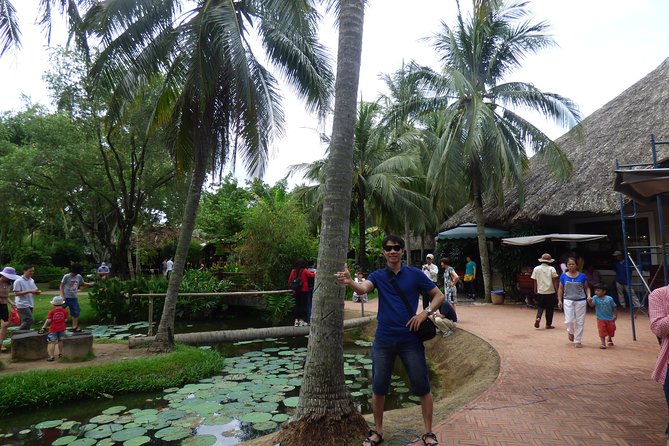
- Morning pickup in Saigon: door-to-door round-trip transfers make this easy to fit into a tight schedule.
- Documentary + walkthrough order: you watch short films, then you explore tunnels with a guide’s explanations.
- Trap doors and danger talk: you learn what made the maze hard to navigate and hard to attack.
- Food tasting inside the story: you’ll sample guerilla’s food like tapioca/cassava with tea.
- Optional weapon range add-on: you can try shooting classic rifles for a small surcharge.
- Small-ish group size: capped at 30 travelers, which helps the guide keep control and answer questions.
Why the Cu Chi Tunnels tour works for a half day
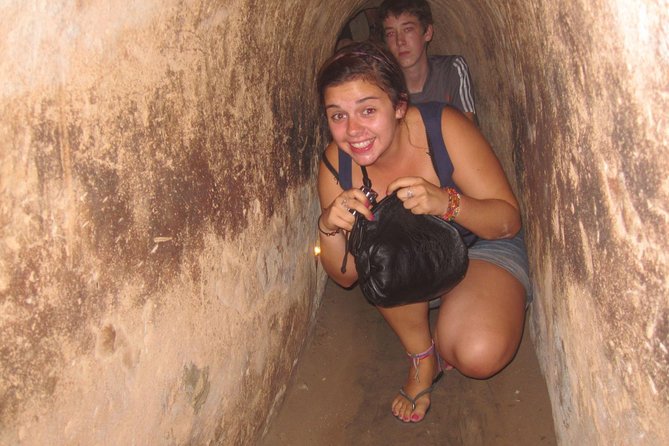
Cu Chi is one of those places where history stops being abstract. Even with today’s signage and walkways, the tunnels still look like they were designed for function over comfort. This tour respects that by giving you a quick history setup and then moving you into a section of the network so you can understand the scale.
You start with a pickup from your hotel and head out roughly 60 km (about 1 to 1.5 hours). That matters because it keeps your morning smooth. You’re not bargaining with drivers, and you’re not burning time on a self-guided route.
Then the pacing is split into two focused chunks. First, you get an orientation film and an introduction to key parts of daily life underground. After that, you head into more of the tunnel section, including stories about storage, weapons production, kitchens, and how the network tried to protect people moving through it.
You can also read our reviews of more tours and experiences in Ho Chi Minh City


The ride out: 60 km northwest with just enough travel time
Your tour includes hotel pickup and drop-off, bottled water, and a driver/guide team, which is a big part of the value at this price point. The drive is about 1 to 1.5 hours toward Cu Chi, which gives you time to settle in before the history starts.
If you’re visiting Ho Chi Minh City for a short trip, the logistics can be the difference between seeing Cu Chi and skipping it. This format leans into convenience: start at 8:00 am, go out early, and you still have your afternoon free afterward.
Stop 1: film, “living areas,” and the surprise of how much was built
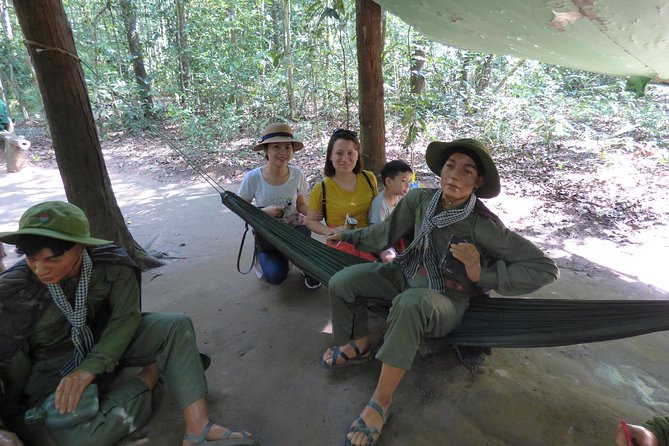
Stop 1 is where the tour sets expectations. When you arrive, you watch a documentary film, then you start learning the tunnel layout and daily life. The important detail here is not just that it was underground. It was organized—almost like a hidden town.
You’ll see special constructed areas used as kitchens, bedrooms, storage zones, weapons factories, and field-hospital spaces, plus command-center areas. The descriptions can be intense, but the goal is clarity: the network wasn’t only about hiding. It supported work, care, planning, and basic living needs.
This is also where the guide’s communication can really make the trip. In guide feedback for LVP Travel, Danny (Dan Tran) stands out for being passionate and giving clear explanations, including good pronunciation. That kind of teaching style matters in a place where people can get lost—especially when you’re listening while moving through sites.
Trap doors and tunnel thinking: what you learn changes how you look at the maze
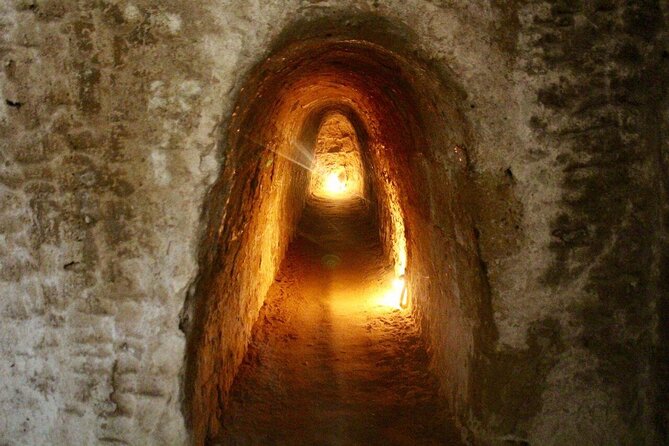
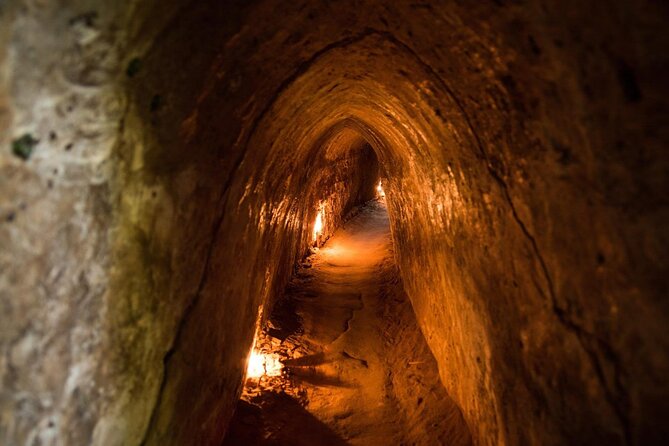
After the orientation, you spend time focusing on how the network worked as a system. You’ll hear about hidden trap doors and dangerous traps inside the maze-like tunnels. Even if you don’t see every element in real form, the explanation helps you understand why the tunnels were hard to reach and harder to clear.
This is one of the most “real” parts of Cu Chi for first-timers: you stop imagining tunnels as simple crawl spaces and start picturing an engineered environment. The tour connects features (like layout, access points, and concealment) to the challenges of war.
One word of caution, though: underground spaces can feel claustrophobic fast. If you don’t love tight indoor areas, plan for that mentally. The tour is designed to be doable for most people, but it’s still a tunnel visit.
Rice paper workshop: small craft, big context
Between the tunnel learning and the food tasting, there’s a rice paper workshop stop. It’s a brief change of pace, and it gives you a view into everyday food culture.
You’re not just watching a demonstration. It’s part of a broader message: when resources were limited, people depended on simple, practical food and processes. Even the timing of this workshop works well, because it breaks up the emotional weight of tunnel talk with something hands-on and more ordinary.


The tasting moment: cassava/tapioca and tea
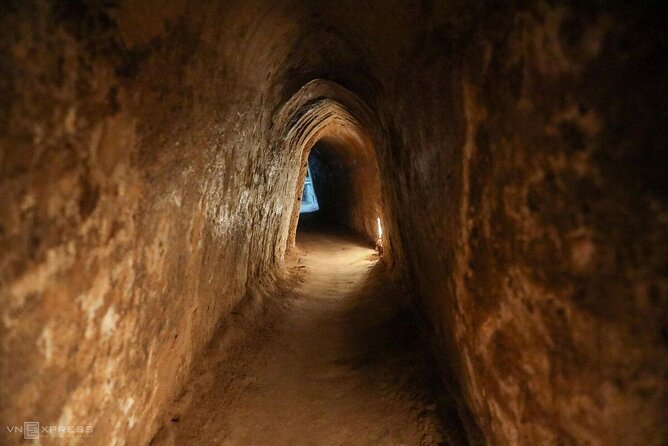
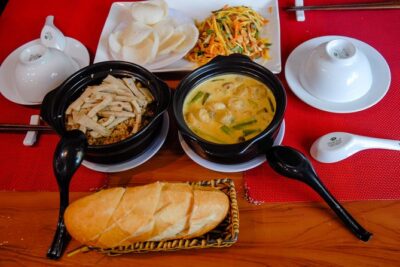
This tour includes food tasting, plus coffee and/or tea. What you’ll likely notice is how basic it all is. The tour focuses on guerilla’s food during the war, specifically cassava and tea, served as tapioca/cassava-style fare.
It’s easy to think of wartime survival as dramatic heroism. This tasting keeps it grounded. Food here is survival chemistry—calories, availability, and simplicity. And after you’ve spent time learning about underground kitchens and storage, the tasting feels like the story has a last step instead of ending at a museum wall.
If you’re someone who likes to connect history to daily life, this is a satisfying inclusion. If you’re expecting a full meal, note that lunch isn’t included.
Stop 2: deeper tunnel exploration and how the guide ties it together
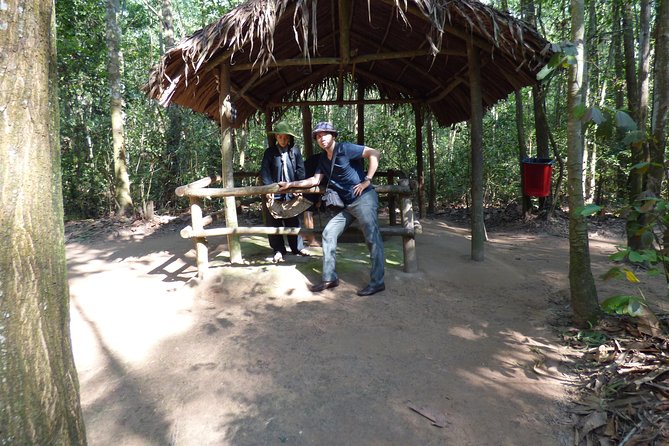
Stop 2 is where you get more movement through the network section. You’ll get another short documentary film and a guided overview of how fiercely the war happened and what Cu Chi represented in that conflict.
Then the tour shifts into the parts of the underground town most connected to survival logistics: storage facilities, weapons factories, kitchens, and the tunnel details that helped people keep functioning underground.
This structure helps you learn in layers:
- Film gives you the overview and key names/themes.
- The guide translates features into meaning as you walk.
- The tunnel spaces make the ideas physical.
That’s also where strong guiding earns its keep. Danny’s reviews highlight both knowledge and humility, plus extra help like suggesting restaurants and shopping spots in the city after the tour. That kind of added local guidance can turn the whole day from a “sightseeing run” into a more useful travel experience.
Optional shooting range: AK47/M16-style add-on if you want it

There’s an optional shooting experience available at an extra cost. The rifles listed include AK47, M16, M60, and M30.
The surcharge is $2 per bullet line, and one line has 10 bullets. If you choose it, keep an eye on time and energy. Shooting is a short activity, but it can add another layer of intensity to a day already centered on war history.
If you’d rather keep the focus strictly on history and tunnels, you can skip the range. The rest of the tour still gives you plenty.
The price question: does $38.47 feel fair for what you get?
At $38.47 per person, this isn’t an economy bus ride with strangers. It’s priced like a guided half-day with real inclusions.
Here’s what you’re paying for, based on what the tour includes:
- Hotel pickup and drop-off
- Driver/guide and a professional guide
- Admission ticket included
- Bottled water
- Food tasting
- Coffee and/or tea
- Mobile ticket
What’s not included is also clear: drinks and lunch. So your total day cost depends on what you do afterward in the afternoon, not on some surprise meal during the tour.
Value-wise, the big win is the combination of transportation + admission + guided interpretation. Cu Chi is not a place where “I’ll figure it out” is efficient on your own during a half day. This format saves you the guesswork.
Timing and your afternoon: plan a relaxed follow-up day
The tour starts at 8:00 am and runs about 5 hours in total. That means you can get through Cu Chi in the morning and still keep the afternoon open.
Because the tour includes transfers back to Ho Chi Minh City, you can spend the rest of your day exploring markets, cafes, or just laying low. This is a smart way to avoid stacking two heavy experiences back-to-back.
One practical tip: wear closed-toe shoes and expect uneven or gritty surfaces. You’ll be walking in and around a site built for underground features, not for comfort fashion.
Who this Cu Chi half-day tour is best for
This is a great match if you:
- Want a structured way to understand the Vietnam War setting without spending a full day in transit.
- Like guides who explain what you’re seeing, not just tell facts.
- Appreciate history framed through daily life—food, work, and survival systems.
It’s also a good option for first-timers in Ho Chi Minh City because it’s straightforward to schedule: pickup, guided tunnel sections, tasting, and you’re done before lunch.
If you hate confined spaces, get anxious in enclosed areas, or want a light sightseeing day, you might prefer a different type of tour. Cu Chi is educational, but it’s also emotionally heavy.
Should you book this Cu Chi Tunnels half-day tour?
I’d book it if you’re short on time and you want the best use of that morning. The combination of door-to-door transfers, documentary + guided interpretation, and the cassava/tapioca and tea tasting makes it more than just walking through tunnels. It’s history with daily-life details, and that’s what makes it stick.
I’d skip or reconsider if you’re not comfortable with underground environments or if you’re expecting a purely casual attraction. This is a guided war-history experience, and it’s meant to teach you how the network worked.
If you do book, look for a guide like Danny—your day will go faster and make more sense when the explanations are clear and confident.
FAQ
What time does the tour start?
The tour starts at 8:00 am.
How long is the tour?
It runs about 5 hours (approx.).
Is hotel pickup and drop-off included?
Yes. Hotel pickup and drop-off are included, with door-to-door round-trip transfers from Saigon.
What’s included in the price?
Included are bottled water, food tasting, coffee and/or tea, a driver/guide, a professional guide, and hotel pickup and drop-off. Admission ticket is also included.
What food do you taste during the tour?
You’ll taste cassava and tea, served as tapioca and tea as part of the guerilla’s food theme.
Is lunch included?
No. Lunch is not included, and drinks are also not included.
Can I try shooting rifles during the tour?
There is an optional shooting activity. AK47, M16, M60, and M30 are listed, with a surcharge of $2 per bullet line (one line has 10 bullets).
How far is Cu Chi from Ho Chi Minh City?
Cu Chi is about 60 km away, taking about 1 to 1.5 hours by drive.
Does the tour run in small groups?
The maximum group size is listed as 30 travelers.
What happens if the weather is bad?
This experience requires good weather. If it’s canceled due to poor weather, you’ll be offered a different date or a full refund. It’s non-refundable if you cancel or request changes.