REVIEW · HO CHI MINH CITY
HCM: Cu Chi Tunnels, Cao Dai Temple, Black Virgin Mountain
Book on GetYourGuide →Operated by SST Travel · Bookable on GetYourGuide
One morning. Three big themes: survival underground, faith at noon, and mountain views later. I like that this trip pairs Cu Chi Tunnels with the Cao Dai noon ceremony, and the guides (Sam, Justin, Tom, Anna, Huy, and others) tend to keep the story clear in plain English. The one thing to think about first is timing: it’s a long day with a lot of driving, and you won’t be back early because Ho Chi Minh City traffic can be slow.
I also like the practical touches that make it feel easier: hotel pickup and drop-off, skip-the-line entries, bottled water, and a meal that can be vegan-friendly. The tunnels and temple are the main draws, but Ba Den Mountain is a great closer—cable car up, wide views out, and the big bronze Buddha at the top. The main drawback? It’s tightly paced. If you want hours at just one site (especially the tunnels), you may feel the schedule moves on too fast.
In This Review
- Key takeaways before you go
- A long, meaningful day outside Ho Chi Minh City
- Cu Chi Tunnels: underground survival, explained in human terms
- Cassava and tea: the small stop that makes the bigger story stick
- Cao Dai Temple and the noon prayer ceremony in Tay Ninh
- Ba Den Mountain (Black Virgin Mountain): cable car up, bronze Buddha at the top
- Lunch and tea breaks: what you get beyond sightseeing
- Price and logistics: value, timing, and what can cost extra
- Who should book this one-day loop (and who should skip it)
- Practical tips to make the day easier
- Should you book this tour?
- FAQ
- FAQ
- What’s included in the $47 per person price?
- How long is the tour?
- Where does pickup and drop-off happen in Ho Chi Minh City?
- Do I get to see the Cao Dai noon ceremony?
- Is the Ba Den Mountain cable car definitely included?
- Is there a shooting range at Cu Chi?
- What should I bring and wear?
- Is the tour okay for people with back problems or wheelchairs?
- Can I cancel if my plans change?
Key takeaways before you go
- Cu Chi Tunnels with a guide: you get the story behind underground rooms like hospitals, weapon work areas, and command spots
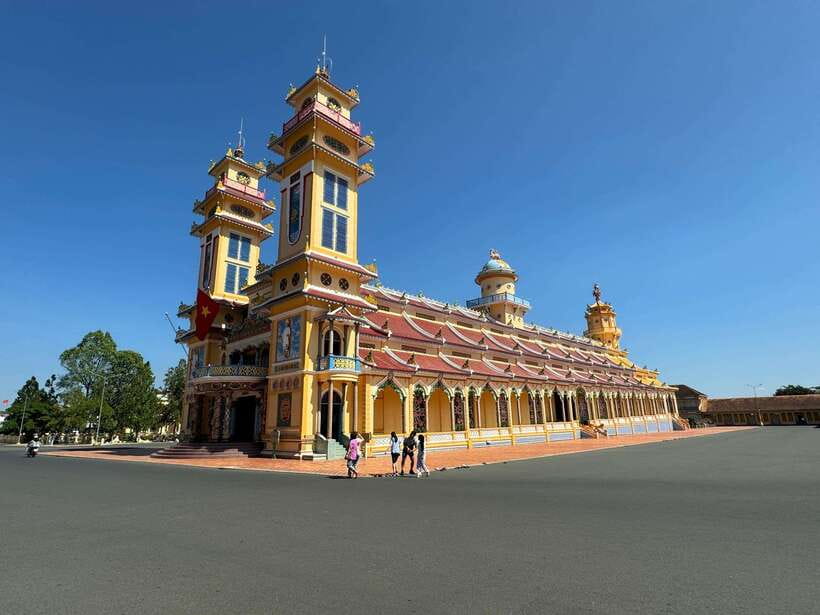
- Noon prayer at Cao Dai Temple: you’ll see the ceremony timing that makes Caodaism feel specific and alive
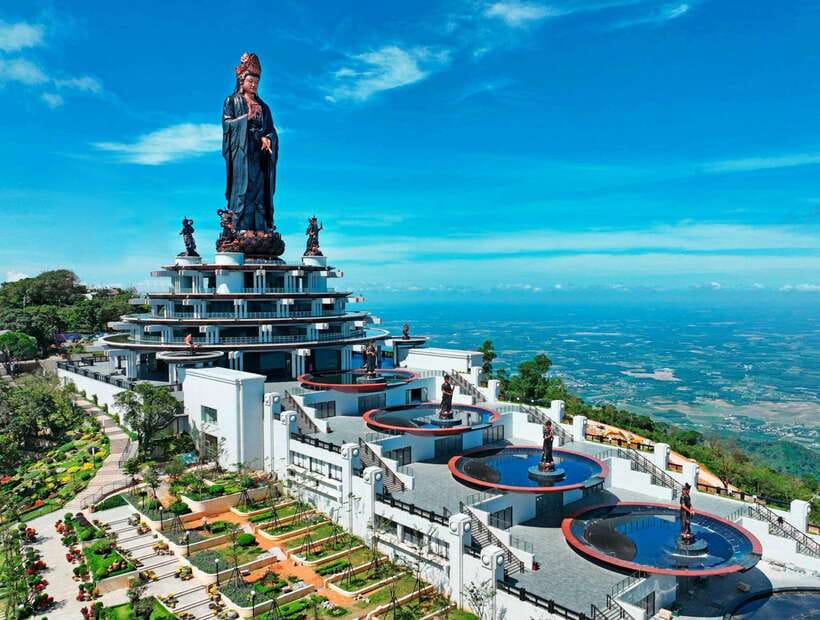
- Ba Den Mountain by cable car: quick lift up for summit views and a very tall bronze Buddha statue
- Food that fits real travel: lunch plus tapioca and hot tea, and many dietary needs are handled
- Optional add-ons can change the cost: the shooting range is the one most likely to add time and money
A long, meaningful day outside Ho Chi Minh City
This is the kind of full-day tour that works best when you’re okay with early mornings and late returns. You start around 6:30–7:00 am, then you spend most of the day on the road and at three major stops in Tay Ninh Province. Expect a return around 7:00–7:30 pm depending on traffic.
What makes it worth it is the combo. Cu Chi Tunnels gives you a concrete look at how people lived and fought below ground. Cao Dai Temple adds something totally different—religious art, symbolism, and a specific daily ritual at noon. Then Ba Den Mountain gives you the payoff: fresh air, a cable car ride, and panoramic views when you reach the top.
Just go in with your expectations set. This is not a slow, meandering tour. It’s a well-planned highlights circuit, and you’ll get the feeling of a full day well used.
You can also read our reviews of more tours and experiences in Ho Chi Minh City.



Cu Chi Tunnels: underground survival, explained in human terms
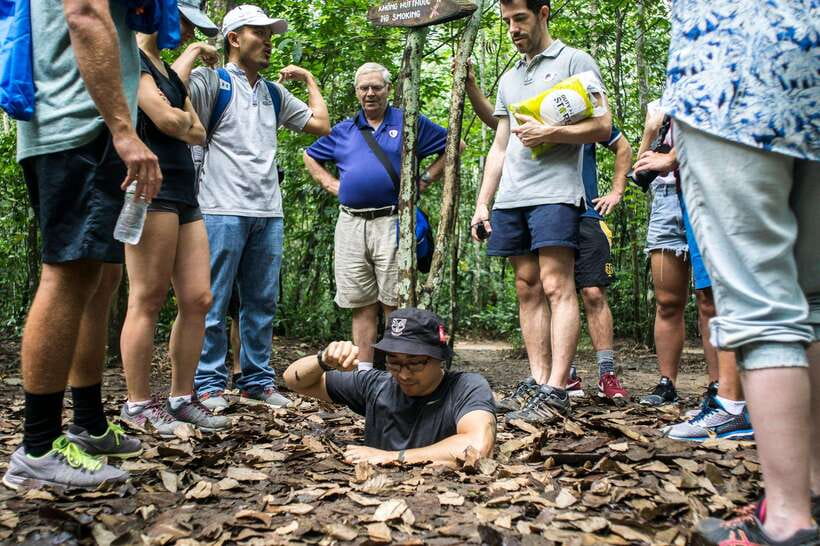
Cu Chi Tunnels are one of Vietnam’s most important war sites, and this tour focuses on how the tunnel network functioned as a base for the Viet Cong. You’re not just walking through a dark corridor and calling it done. You’ll learn the purpose behind the layout and how underground life helped people survive and move.
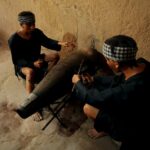
The scale is a big part of the impact. The tunnels are described as a massive network—around 200 km in total. On-site, you’ll see and hear about secret underground rooms, including areas that served as hospitals, weapon-related spaces, and command centers. That’s where the history becomes more than dates. It becomes practical: where people slept, treated injuries, worked, and coordinated.
You also get a guided element plus walking. And even if you don’t care about war history, the physical design still feels clever—tight spaces, clever routes, and a setup built for hiding. It’s one of those places where you can understand why this site became so symbolic.
Cassava and tea: the small stop that makes the bigger story stick
One of the clever parts of the tunnel experience is the food connection. You’ll be served a sample of cassava, often described as a staple food during the war, along with hot tea. It’s a quick break, but it gives your brain something concrete to hold onto.
Why it matters: cassava was common because it was practical. When you taste it after hearing about underground living and limited resources, you get a clearer sense of what survival actually meant day-to-day. You’re not just watching; you’re getting a taste of the logic behind the choices people had to make.
A small caution: the tunnels themselves can feel dusty and enclosed. Bring comfortable shoes and keep water in mind. You’ll be tired after the tunnel walk, so that cassava-and-tea pause is a nice reset.
Cao Dai Temple and the noon prayer ceremony in Tay Ninh
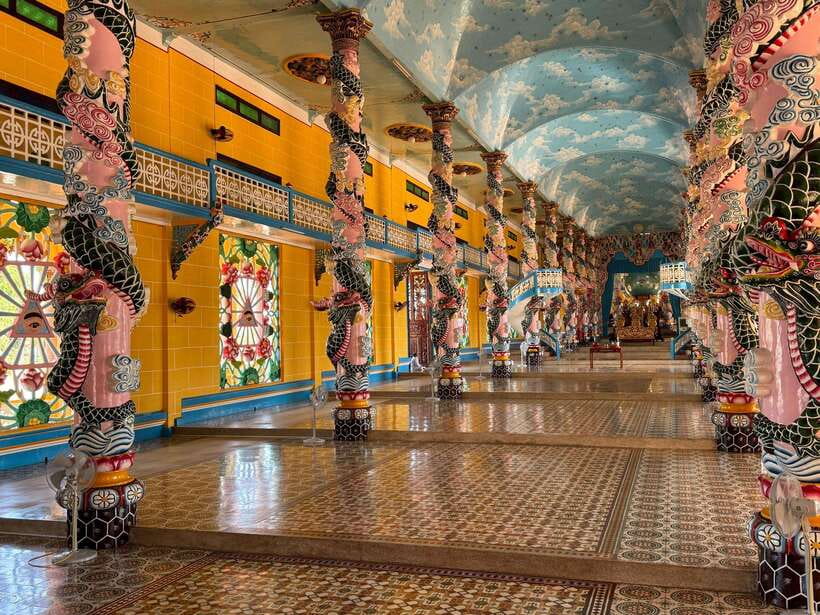
Cao Dai Temple is a very different emotional tone from Cu Chi. Instead of survival and secrecy, you get color, symbolism, and worship.
Caodaism is described as a unique religion that centers on the worship of the Eye of God and blends ideas from Buddhism, Christianity, Taoism, and Confucianism. At the temple, you’ll spend time exploring the architecture and learning what the design represents.
The main moment is timing: you can witness the noon ceremony, when followers gather to pray. That’s the point of visiting around midday. The ceremony isn’t just a performance. It’s a daily rhythm, and it helps you understand why the temple is still active and meaningful.
Two practical notes. First, cameras are useful, but flash photography isn’t allowed. Second, the temple visit can be a bit busy depending on when you arrive, so give yourself a minute to slow down and find a good viewpoint before the ceremony starts.
Ba Den Mountain (Black Virgin Mountain): cable car up, bronze Buddha at the top
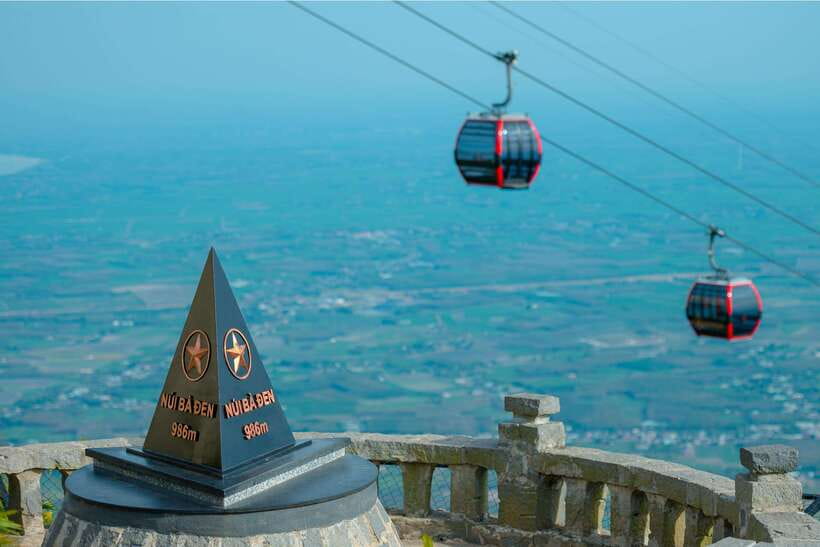
Ba Den Mountain—also called Black Virgin Mountain—is the “reward” stop. After underground history and temple worship, you’ll switch gears to views and scenery. The tour includes a scenic cable car ride up, which matters because it saves time and keeps the day moving.
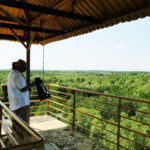
At the summit, you’ll see the tallest bronze Buddha statue in Asia, plus wide countryside views you can’t get from the ground. The day feels different up there: lighter, more open, and a bit quieter even if there are other groups around.
If you like photo moments, this is the place. The vantage point lets you look outward toward rice fields and distant border views with Cambodia (weather permitting). It’s also a nice emotional reset at the end of a day packed with heavy context.
One thing to plan for: the visit time is set. If you want to linger for an extra round of photos or a longer walk around the summit area, you may have to accept that your schedule won’t bend.


Lunch and tea breaks: what you get beyond sightseeing

Food is handled in a way that makes this tour feel more comfortable than many day trips. Lunch is included at a local restaurant, and the tour notes that the meal can work for vegan preferences. In practice, guides also help adapt to dietary needs when possible, so it’s a good choice if you want something other than just one default dish.
You’ll also get tapioca and hot tea as part of the included items. That’s a travel-friendly pairing: tea helps reset you when you’re out in the heat and tunnels, and tapioca fills the gap between big stops.
Drinks are included too—bottled water is provided. It’s not a minibar situation, but it’s enough to keep you going without constant stops for extras.
If you’re sensitive to long travel days, bring a little patience for the timing. Lunch sits in the middle of the route, and you’ll likely want to eat quickly, enjoy it, then head straight to the next site.
Price and logistics: value, timing, and what can cost extra
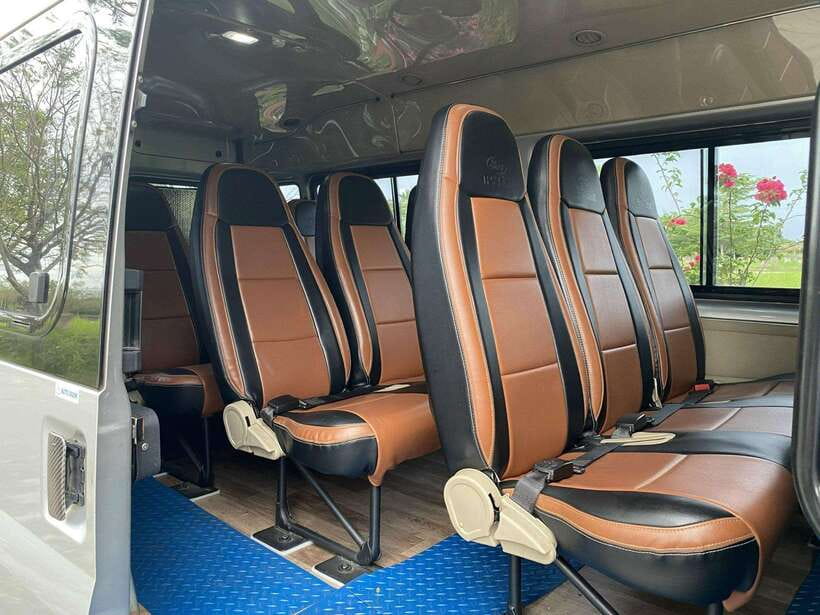
At about $47 per person, this tour is priced like a full-day bundle: transport, an English-speaking guide, entrance fees, lunch, and the cable car to Ba Den Mountain (under the VIP package option). That’s a lot of parts for one ticket, and the “value” comes from not having to stitch everything together yourself across three separate destinations.
Still, watch for two cost/time variables:
- Cable car inclusion depends on the package. The tour states cable car is included in the VIP tour package, while it may not be included in the small-group package option. If you’re booking small group, check what’s covered so you’re not surprised on the day.
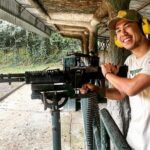
- Optional extras exist at Cu Chi. The shooting range is listed as part of the Cu Chi experience, and the day can get more expensive if you add it. It can also shift the pace, especially in busy periods.
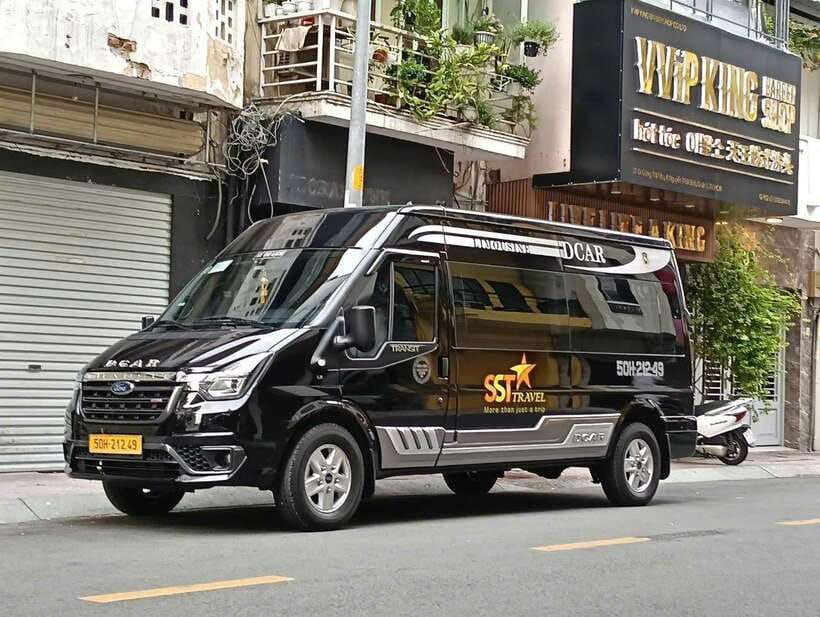
Logistically, your hotel pickup is part of the deal, especially around central areas like District 1 and District 4. Pickup is also listed as available for Districts 2, 3, and 5. The operator also notes pickup times are approximate, and the guide may arrive earlier or later than the window.
Also: don’t plan to be late. The tour information states that if you’re more than 10 minutes late, the booking can be cancelled without refund. So set an alarm, then set another one.
Who should book this one-day loop (and who should skip it)
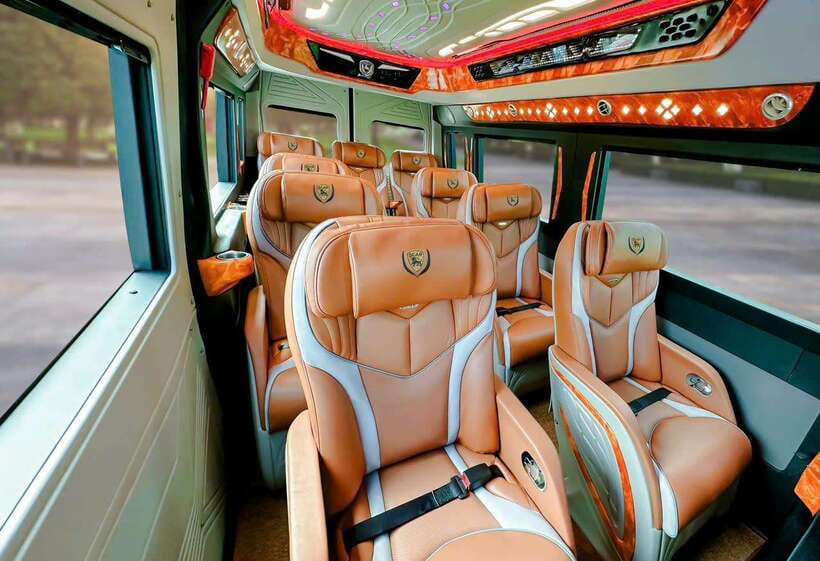
This trip is a good fit if you want a strong highlights day and you don’t want to worry about transport. It’s especially worth it if you like learning with a guide and prefer structure: guided time at Cu Chi and Cao Dai, plus organized movement to Ba Den Mountain.
It’s also a strong choice for first-timers in Ho Chi Minh City who want more than one “major site” in a single day trip. The combination is unusual enough to feel like three different stories in one outing.
You might want to skip or reconsider if you’re dealing with mobility limits. The tour notes it’s not suitable for wheelchair users and also not suitable for pregnant women or people with back problems. The tunnel portion involves walking in tight, uneven spaces, and the day includes long stretches of travel.
If you’re a history buff, great. If you’re more into culture and photography, also great. Just know that Cu Chi and the temple make the day feel meaningful—and Ba Den Mountain gives you the payoff.
Practical tips to make the day easier
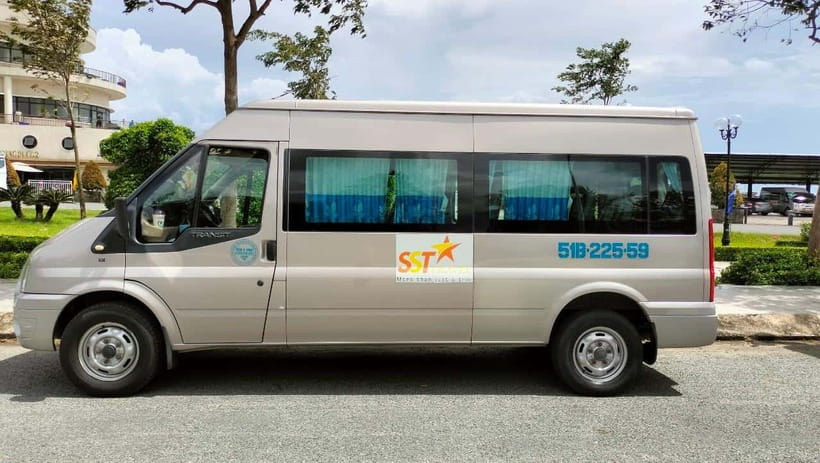
A few small choices make a big difference on this route.
Wear comfortable shoes and plan for sun exposure. Bring a hat and sunscreen, and carry water even though bottled water is included. You’ll be out long enough that comfort matters more than style.
Photography rules are simple: flash photography isn’t allowed, and smoking isn’t allowed.
Finally, think about how you’ll handle crowds. Some periods can be busy at the temple or on the mountain, and Cu Chi can be tourist-heavy. If you’re hoping for a quieter feel, being ready to follow your guide’s timing helps.
Should you book this tour?
Book it if you want a guided day that hits the biggest “must-see” ideas around Tay Ninh: Cu Chi Tunnels, Cao Dai Temple with a ceremony at noon, and Ba Den Mountain with a cable car ride and summit views. At the given price, the bundle feels fair because transport, entrances, lunch, and major activities are already lined up.
Skip it if you want a slow pace, deep time at one single site, or if tunnels and long walking aren’t your thing. Also, if you’re very sensitive to long travel days, be realistic about the late return and the tight timing at each stop.
FAQ
FAQ
What’s included in the $47 per person price?
The tour includes hotel pickup and drop-off for central districts, round-trip transportation, an English-speaking guide, entrance fees, lunch, tapioca and hot tea, bottled water, wet tissue, and a cable car ride to Ba Den Mountain under the VIP tour package.
How long is the tour?
It’s a one-day experience, and the schedule depends on starting times and traffic. You’ll generally be picked up in the morning and return around 7:00–7:30 pm.
Where does pickup and drop-off happen in Ho Chi Minh City?
Pickup and drop-off are listed for central areas including District 1 and District 4. Pickup is also listed as available for Districts 2, 3, and 5.
Do I get to see the Cao Dai noon ceremony?
Yes. The tour includes time at Cao Dai Temple with an opportunity to witness the noon ceremony where followers gather to pray.
Is the Ba Den Mountain cable car definitely included?
It’s included in the VIP tour package. The information also notes that cable car may not be included in the small group package, so it’s worth confirming what you selected.
Is there a shooting range at Cu Chi?
A shooting range is listed as part of the Cu Chi Tunnels visit, and it’s treated as an activity that can affect cost and timing depending on what you choose.
What should I bring and wear?
Bring comfortable shoes, a hat, a camera, sunscreen, and water. Flash photography is not allowed.
Is the tour okay for people with back problems or wheelchairs?
No. The tour is not suitable for people with back problems, and it is not suitable for wheelchair users. It’s also not suitable for pregnant women.
Can I cancel if my plans change?
Yes. You can cancel up to 24 hours in advance for a full refund.